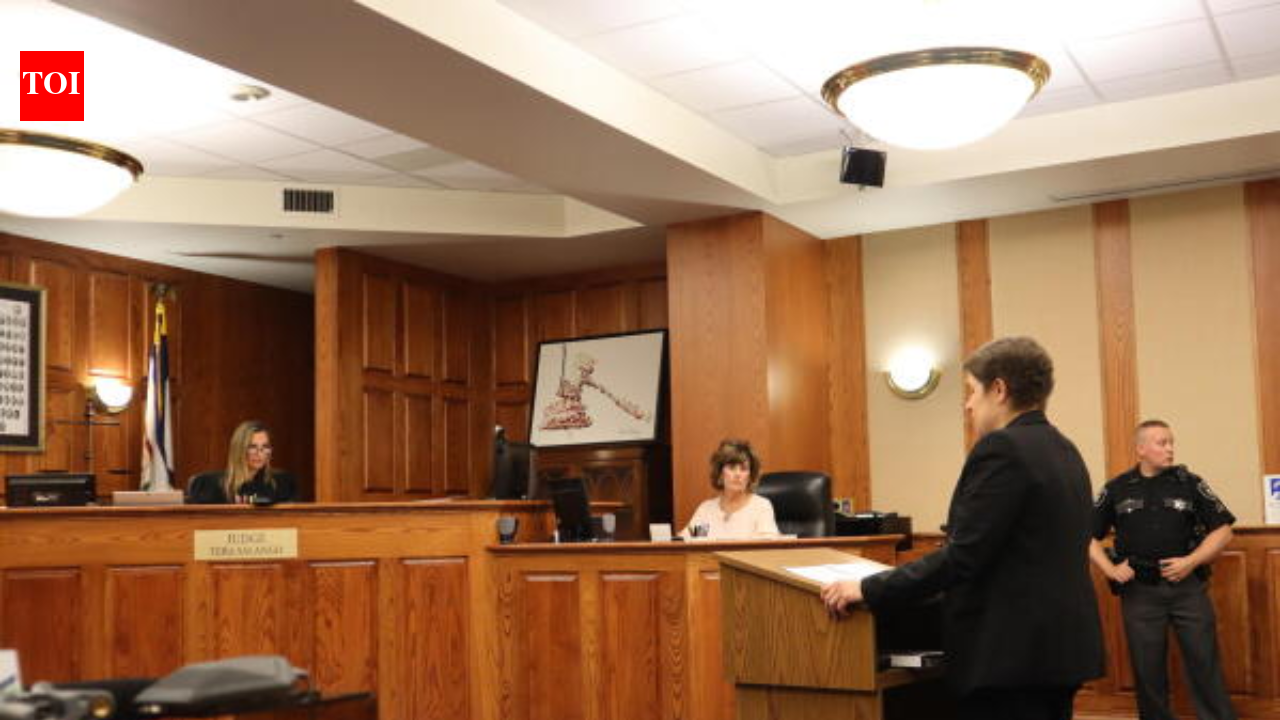
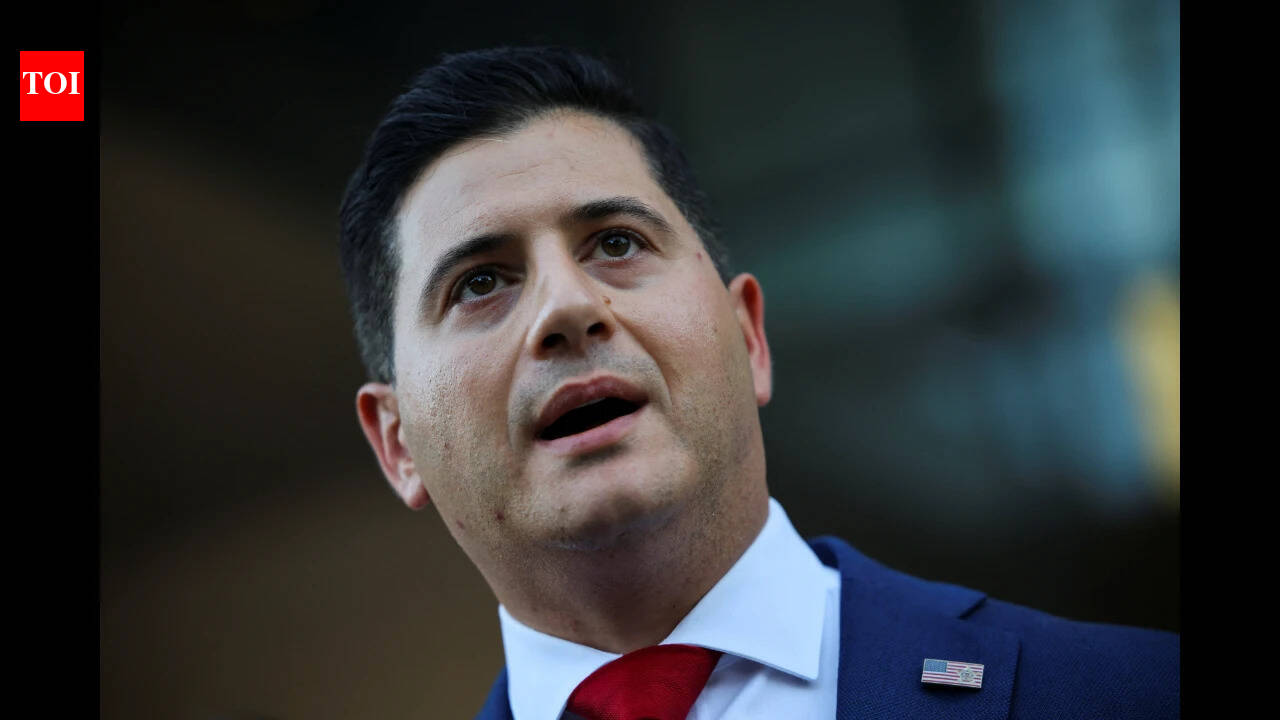
A federal appeals court in the United States has struck down a West Virginia privacy law.
asserted
court → strike → law
The law banned the publication of home addresses and personal details of judges, police officers and public officials.
asserted
law → ban → judges
The court ruled that the law breaks the First Amendment of the US Constitution.
asserted
law → rule → Constitution
A three-judge panel of the 4th US Circuit Court of Appeals in Richmond, Virginia, made the decision.
asserted
panel → make → decision
It backed a lower district court ruling.
asserted
It → back → ruling
That ruling found the state law placed an unconstitutional limit on the free flow of truthful, publicly available information.
asserted
law → find → information
West Virginia lawmakers first passed the measure in 2021.
asserted
lawmakers → pass → 2021
They joined several other American states in passing laws known together as Daniel’s Law.
asserted
They → join → Law
The push across the country followed a tragedy in New Jersey in July 2020.
asserted
push → follow → July
Daniel Anderl, the 20-year-old son of US District Judge Esther Salas, was shot dead at the family home.
asserted
Anderl → shoot → home
The attacker was an angry attorney who had found the judge’s home address online.
asserted
who → find → address
The appeals court agreed that the state has a strong interest in protecting public servants and their families from physical harm and harassment.
asserted
state → agree → harm
But it said West Virginia’s law went too far.
asserted
law → say → ?
It made it a crime, and set penalties, for sharing address data.
asserted
it → make → data
It did not include needed safeguards or a written notice requirement.
asserted
It → include → safeguards
Statutory flaws and First Amendment conflicts
Circuit Judge Steven Agee wrote for the panel.
asserted
Agee → write → panel
He noted that state governments have a real duty to protect judges and police.
asserted
governments → note → judges
But he said any law meant to do that must be narrowly written so it does not limit speech the Constitution protects.
asserted
Constitution → say → speech
“This decision does not place information businesses beyond legitimate privacy regulation,” the court noted.
asserted
court → place → regulation
It added that the outcome only restates that governments must respect First Amendment rights, even when they pursue the most compelling goals.
asserted
they → add → goals
Trade groups from the technology and data industries brought the lawsuit, including the Software and Information Industry Association.
asserted
groups → bring → Association
The plaintiffs argued that the West Virginia law put broad legal risk on data aggregators, news outlets and groups that compile public records.
asserted
that → argue → records
They said it gave affected people no first notice and no way to opt out.
asserted
it → say → notice
Under the West Virginia law that was struck down, a person could be sued and face set damages for showing or publishing covered personal information online.
uncertain
person → strike → information
This applied even if the individual had never sent a written request to remove their details.
asserted
individual → apply → details
Lawyers for the industry trade groups argued during oral arguments that without a required notice step, businesses and journalists faced strict liability.
asserted
businesses → argue → liability
They said this covered the routine publishing or sharing of public records, such as property deeds, voter registrations and court filings, which naturally include address information.
asserted
which → say → information
The 4th Circuit panel pointed out that West Virginia’s law was very different from similar privacy laws in other places, such as New Jersey.
asserted
law → point → Jersey
In New Jersey, the state Supreme Court upheld its version of Daniel’s Law.
asserted
Court → uphold → Law
It found that legal liability began only after a person sent a formal written request asking that their personal information be taken down from public websites.
asserted
information → find → websites
By contrast, the West Virginia law did not have a standard rule that covered officials must first give notice to publishers or data handlers before liability or penalties could be sought.
uncertain
liability → have → handlers
The federal panel decided this missing safeguard made the ban on speech too broad.
asserted
ban → decide → speech
It said the law chilled the routine publication of public records by news organisations, legal research services and commercial data brokers.
asserted
law → say → organisations
Circuit Judges Pamela Harris and Steven Agee, along with their panel colleague, concluded that the law was subject to strict constitutional review.
asserted
law → conclude → review
They said this was because it regulated content based on who was named and what type of data was involved.
asserted
type → say → data
The court found that West Virginia failed to show that a less restrictive option, such as a notice-and-takedown process, would not work to protect judges.
asserted
option → find → judges
Broader legal implications for data privacy
The ruling sets an important legal precedent in the ongoing clash between privacy protections for public officials and free speech protections for businesses and media groups in the United States.
asserted
ruling → set → States
In recent years, dozens of states have considered or passed versions of Daniel’s Law.
asserted
dozens → consider → Law
These laws aim to protect judges, prosecutors, police officers and corrections staff from targeted violence and doxxing.
asserted
laws → aim → violence
Industry groups welcomed the appeals court ruling.
asserted
groups → welcome → ruling
…and 4 more, not listed.
 The Aporia