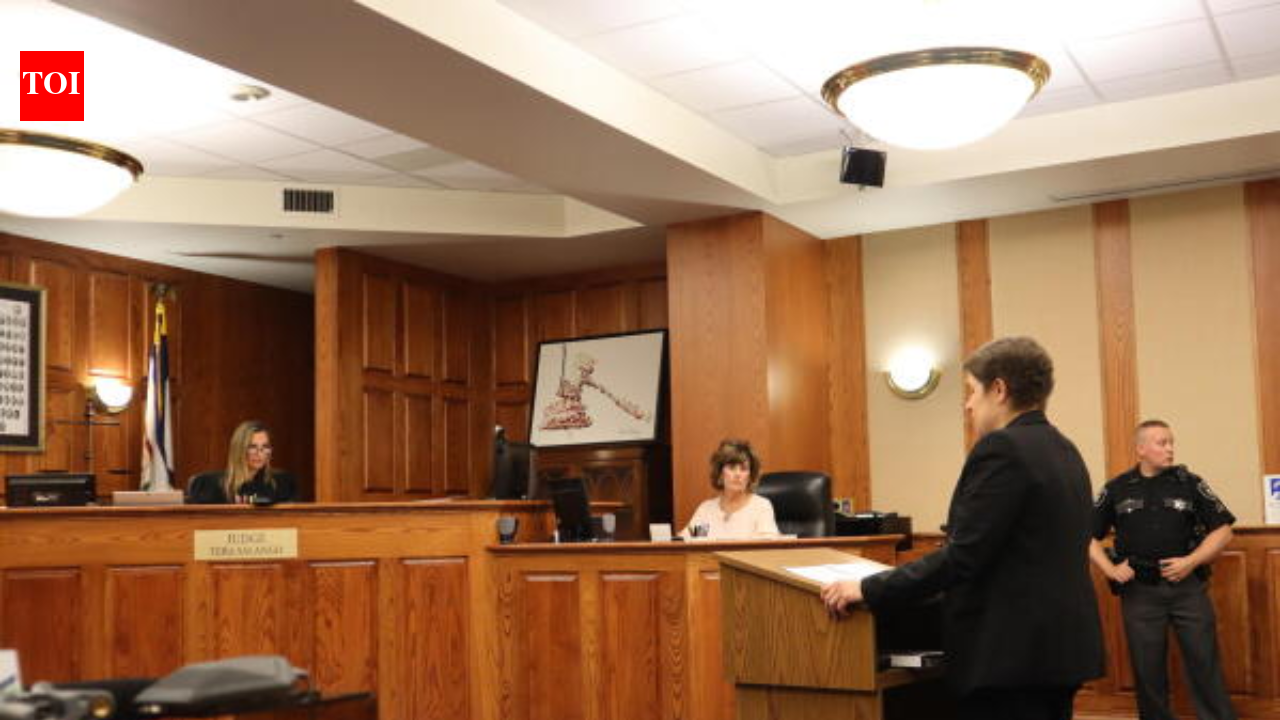
A United States Tax Court has sharply cut a huge tax deduction claimed by a Georgia-based partnership over land in Tennessee.
asserted
Court → cut → Tennessee
The partnership claimed $74.5 million.
asserted
partnership → claim → million
The court said the land was worth only $500,000.
asserted
land → say → ?
In a written opinion, Chief Judge David Urda ruled against Lontrac Enterprises, LLC.
asserted
Urda → write → LLC
He found that the value it claimed had no link to economic reality.
asserted
it → find → reality
The court also upheld a mandatory 40 percent penalty from the Internal Revenue Service (IRS) for a gross valuation misstatement.
asserted
court → uphold → misstatement
It rejected the partnership’s efforts to defend the multi-million-dollar deduction.
asserted
It → reject → deduction
According to court records cited in the decision, a couple named Tommy and Evelyn Dillard bought the whole property in 2006 for $1.3 million.
uncertain
couple → accord → million
They paid $50,000 of their own cash and took out a mortgage for the rest.
asserted
They → pay → rest
Over the next few years, the owners put the land up for sale but could not find a buyer.
uncertain
owners → put → buyer
They failed to sell it even when they listed it for $2.9 million.
asserted
they → fail → million
Even with that weak sales history, the land was later placed into a syndicated conservation easement deal.
asserted
land → place → deal
Lontrac Enterprises, LLC, which counts as a partnership for federal tax purposes, bought an interest in the property.
asserted
which → count → property
In December 2014, it gave a perpetual conservation easement covering about 288.8 acres to the Foothills Land Conservancy.
asserted
it → give → Conservancy
A private placement memorandum sent to possible investors promised big tax savings.
asserted
memorandum → send → savings
The partnership offered a 95 percent stake to investors for about $8.8 million.
asserted
partnership → offer → million
It projected that investors would get tax deductions worth far more than three times the cash they put in.
asserted
they → project → deductions
On its federal tax returns, Lontrac claimed a charitable contribution deduction of $74.5 million.
asserted
Lontrac → claim → million
It said the best and most profitable use of the land was as a commercial limestone mine.
asserted
use → say → mine
Audacious valuation based on fictional mining plan
Chief Judge Urda sharply criticized the partnership’s claims.
uncertain
Urda → base → claims
He compared the usual workings of syndicated tax shelters to a repeating loop.
asserted
He → compare → loop
Writing for the court, he noted that this case stood out mainly for the huge gap between the real market and the tax claim.
uncertain
case → write → market
“In a situation resembling the movie Groundhog Day, we once again consider a syndicated conservation easement transaction featuring the same old moves,” Chief Judge Urda wrote in the opinion.
asserted
Urda → resemble → opinion
“This case stands apart only for the sheer audacity of the numbers involved, the partnership here claimed a deduction of $74.5 million for an easement... on property that had been sitting on the market for years, failing to find a buyer willing to pay $2.9 million.”
asserted
that → stand → million
The Tax Court found that the claim that the land held a very valuable mining business was pure guesswork with no facts to back it up.
uncertain
land → find → it
The opinion noted that the rocks behind the supposed mining plan could be seen with the naked eye.
uncertain
rocks → note → eye
It also noted that the United States Geological Survey had already mapped the area in detail.
asserted
Survey → note → detail
The court said the partnership had not gotten the zoning approvals it needed and had no proper engineering studies.
asserted
it → say → studies
It also gave no market evidence that a commercial quarry was possible or even planned.
asserted
quarry → give → evidence
Chief Judge Urda called the business a legal fiction made only to avoid taxes, stating that “the idea of mining was chimerical, simply a way to get at a wholly unmerited tax deduction.”
asserted
idea → call → deduction
Disallowance and strict valuation penalties
To decide what the donation was really worth, the Tax Court put aside the cash flow models from the partnership’s appraisal experts.
asserted
Court → decide → experts
It gave those reports no weight as evidence.
asserted
It → give → evidence
Instead, the court used the method of the experts hired by the IRS, who compared sales of similar pieces of land in the local Tennessee real estate market.
asserted
who → use → market
The court decided that the true fair market value of the conservation easement was no more than $500,000.
asserted
value → decide → easement
The claimed $74.5 million deduction was higher than the court’s figure by several thousand percent.
asserted
deduction → claim → percent
That put it well over the legal line for a gross valuation misstatement under Section 6662(h) of the Internal Revenue Code.
asserted
That → put → Code
Under federal tax law, a gross valuation overstatement happens when a claimed property value is 200 percent or more of the correct amount.
asserted
value → happen → amount
Under Section 6664(c)(3), taxpayers who make gross valuation misstatements on charitable contribution deductions cannot use a reasonable cause or good faith defense.
asserted
who → make → defense
This is true even if they relied on advice from a professional appraiser.
asserted
they → rely → appraiser
As a result, Chief Judge Urda confirmed that the 40 percent penalty from the IRS stands in full.
asserted
penalty → confirm → IRS
…and 3 more, not listed.
 The Aporia