Passengers who still use Ukraine’s train network take their life in their hands every time they step onboard - with Putin’s Russian drones prowling overheard.
asserted
drones → use → hands
The country, which has been defending itself from Russian hostility since the war started in February 2022, has had its transport system heavily disrupted by drone strikes.
asserted
system → defend → strikes
But many Ukrainians still need to travel across the country for business.
asserted
Ukrainians → need → business
Ukrainian beauty salon owner Antonina Viter is getting used to having her travel plans disrupted by the threat of Russian drone attacks, as she criss-crosses the country by rail to keep her business going.
asserted
she → get → business
"Every third trip, we end up evacuating once, twice or even three times," she explained on board a train from the southeastern city of Dnipro to Odesa on the Black Sea.
asserted
she → end → Sea
"What can you do?
asserted
you → do → What
How else do you get to your client?
asserted
you → get → client
Kyiv has set new rules for rail passengers during air-raid alerts and, sure enough, soon after she spoke, the 36-year-old was standing outside under a pitch-black October sky, wrapped in a blanket, waiting for the "all-clear".
asserted
old → set → clear
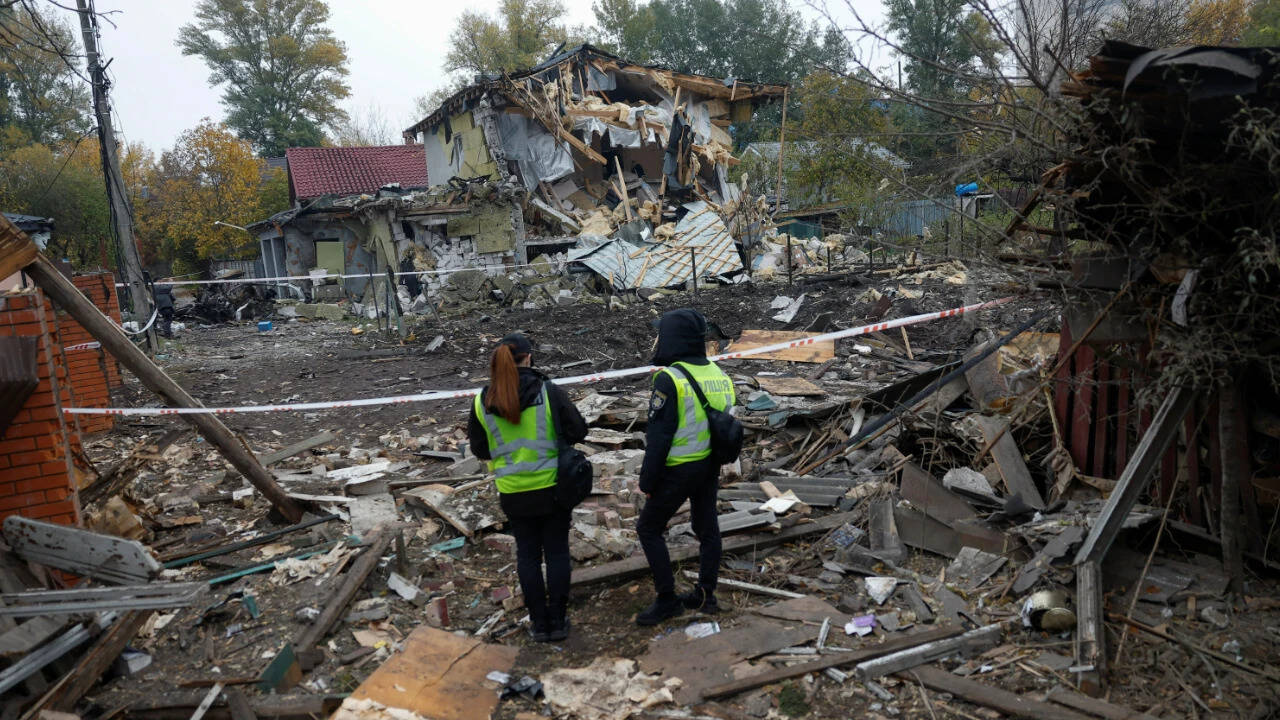
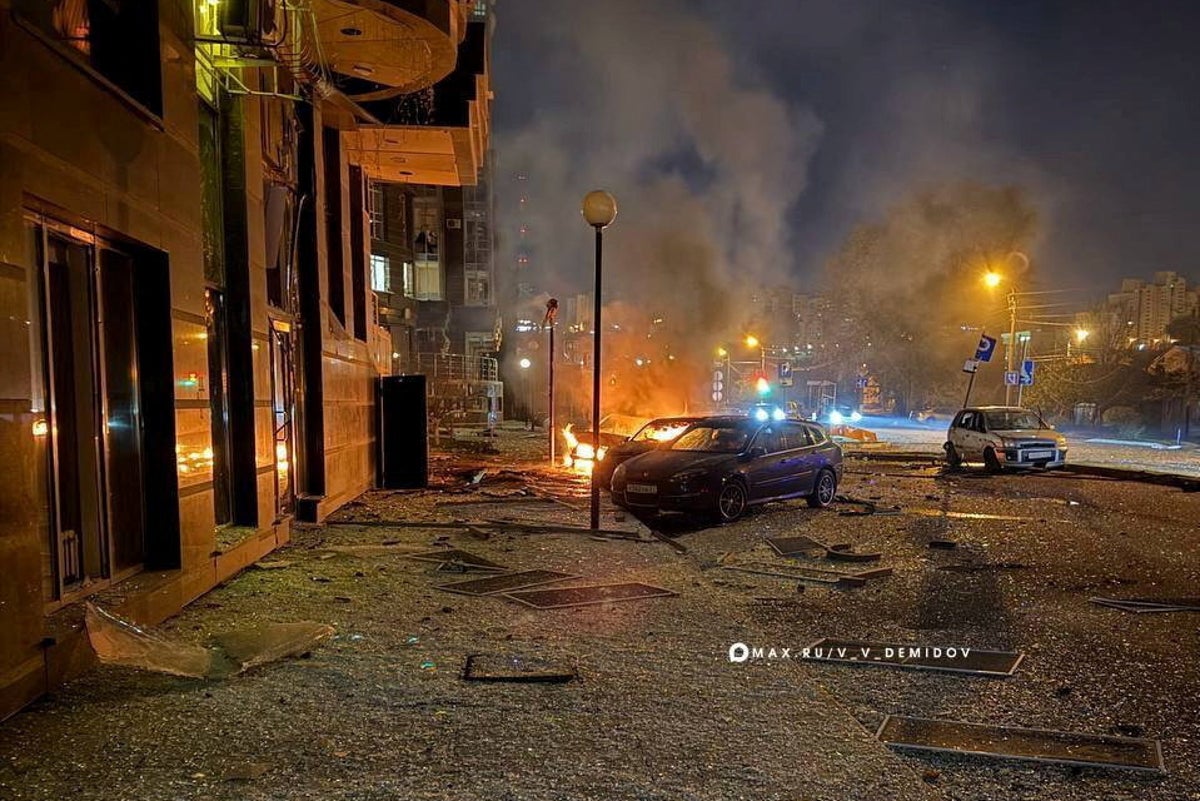
In a country long reliant on its vast rail network, hours-long delays and repeat evacuations when air-raid sirens sound are another way in which Russia's escalating missile and drone attacks are wrecking everyday life for civilians.
asserted
attacks → sound → civilians
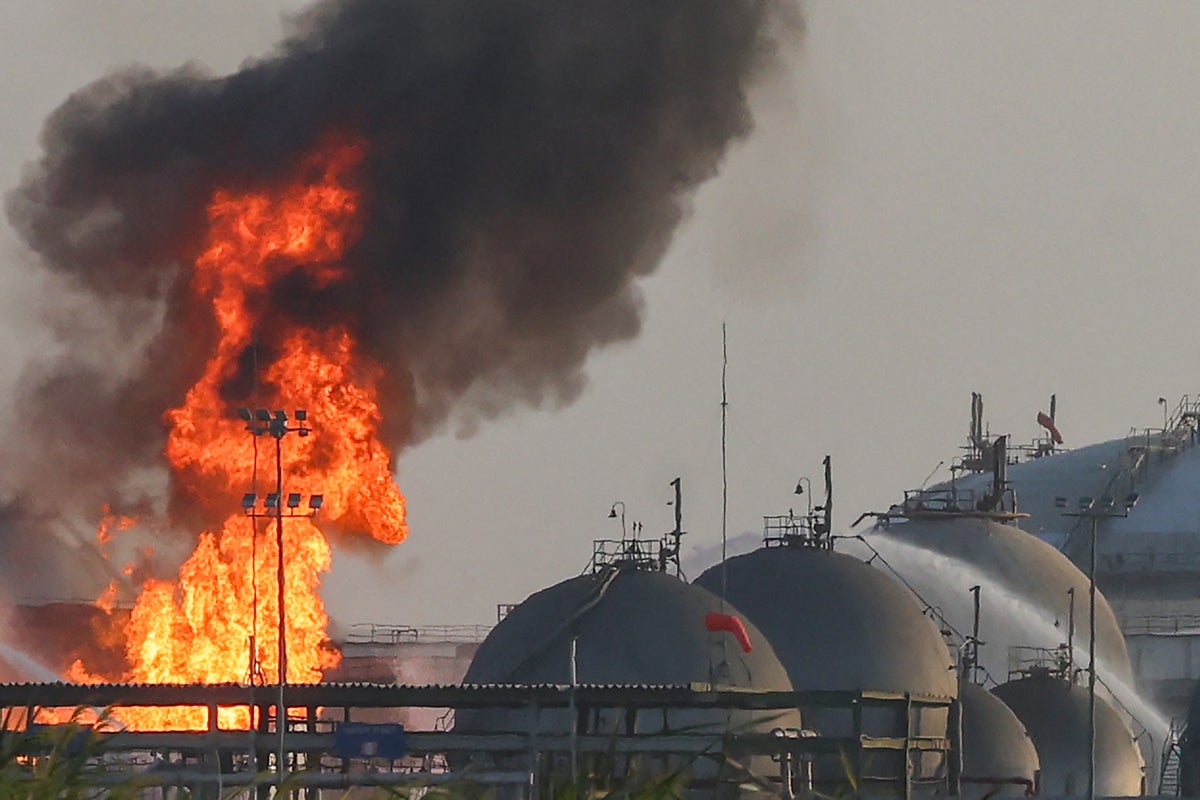
New Russian jet-powered drones that are hard to shoot down have attacked everything from shopping centres and filling stations to power plants and other critical infrastructure.
asserted
that → power → plants
UKRAINIAN RAILWAYS ATTACKED 1,700 TIMES THIS YEAR
asserted
RAILWAYS → attack → TIMES
The state operator, Ukrzaliznytsia, says Russia has attacked more than 1,700 rail facilities this year, including stations, locomotives and passenger wagons.
asserted
Russia → say → stations
Russia says its targets are objects used by Kyiv's military.
asserted
targets → say → military
A trip on the line from Dnipro to Odesa, some 400 km (250 miles) to the southwest, showed how Ukrainians are coping with those disruptions.
asserted
Ukrainians → show → disruptions
The outward journey featured eight evacuations of roughly 30 minutes each, the return journey - one more.
Direct attacks, like the drone strike that killed two train drivers on the Dnipro-Odesa line on August 13, are an ever-present threat.
asserted
that → feature → August
But air-raid alerts can unexpectedly double the travel time on any route, and some stations in the east and south have been shut indefinitely as fighting creeps closer.
asserted
fighting → double → east
The prospect of being hit is one that 41-year-old IT worker Larysa Konstantynova - who was travelling from Dnipro to Odesa with her teenage son at the start of a holiday trip to Europe - prefers not to think about.
asserted
who → hit → Europe
Like Viter, who travels at least six times a month to manage two salons in Kyiv and Dnipro, she says she is adapting.
asserted
she → travel → Kyiv
"It's how your mind works: you just try to be positive and survive with the way things are."
Other attacks have included a strike on a Warsaw-bound train near the Polish border in September.
asserted
attacks → work → September
For some, overnight rail journeys - once opportunities to unwind with few distractions - are now spent in anxious anticipation.
asserted
journeys → unwind → anticipation
During air raid alerts, passengers can be jolted awake and forced to scramble into fields or up and down embankments, sometimes with children or pets in tow.
asserted
passengers → jolt → tow
RAILWAY JOURNEYS HAUNTED BY RISK OF RANDOM DEATH
Huddled outside her train with a colleague, Viter tracked a nearby drone on a cell-phone app after hearing its distinctive 'whoosh' overhead.
asserted
Viter → haunt → whoosh
"Better to stand in a field for an hour than to risk never getting to see the next hour," she said, knowing she had to teach a beauty workshop in Odesa the next day.
asserted
she → stand → Odesa
In fact, although delays of 5 to 12 hours are not unusual on the Dnipro-Odesa route, this train arrived just an hour and 20 minutes late.
asserted
train → arrive → route
Nevertheless, the risk of random death has soared as Russia has broadened its drone and ballistic-missile campaign, exploiting Kyiv's shortage of air defence missiles.
asserted
Russia → soar → missiles
More than 50 railway workers have died on duty this year alone, according to Ukraine's infrastructure minister, and dedicated staff have had to adapt their routines to maintain a network that appears to be close to their hearts.
uncertain
that → die → hearts
At the beginning of each journey, conductors sweep through the carriages closing curtains to block out light that might alert a Russian drone.
uncertain
that → sweep → drone
"They can see us, so we have to hide a bit," said train attendant Olha Boniuk, 49, with the air of a mother soothing her child.
asserted
Boniuk → see → child
After each evacuation, chief conductor Mykola Zakharchenko, 47, sits in his cramped booth diligently recording the interruption.
asserted
Zakharchenko → sit → interruption
All the same, he smiles recalling conversations with passengers, and still enjoys watching dawn break through the carriage window: "Train work, as they say, is romance."
asserted
they → smile → window
Locomotive driver Mykola Kovalenko put it another way.
asserted
Kovalenko → put → it
"If I quit," he said, "who will drive the trains?"
asserted
who → quit → trains
 The Aporia