Moscow’s Patrice Lumumba Peoples’ Friendship University – better known as RUDN – offers a view of a relationship often discussed in the language of diplomacy, trade and security.
asserted
University → know → diplomacy
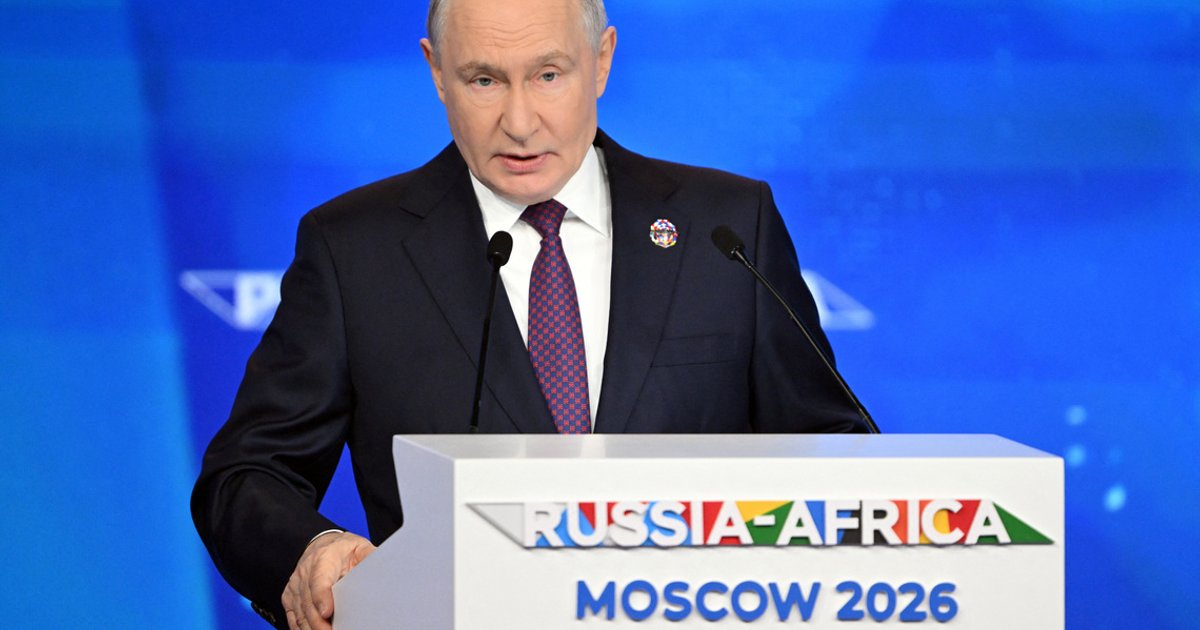
On the eve of the Russia-Africa Summit, due to begin on Wednesday in the capital Moscow, RUDN’s corridors are crowded with students speaking Russian, English, Arabic and dozens of African languages.
asserted
corridors → begin → languages
There are national celebrations, cultural showcases, food from across the continent and student clubs that turn the campus into what one graduate calls a “mini-city”.
asserted
graduate → be → what
For Africans who have come to study, work and build careers in Russia, the relationship is not an abstract geopolitical project.
asserted
relationship → come → Russia
It is shaped by friendships, education, professional ambitions and the daily experience of life in Moscow.
asserted
It → shape → Moscow
Keturah Musonda, a Zambian medical graduate, said she has not regretted coming to Russia.
asserted
she → say → Russia
“I think Moscow is one of the best cities in the world,” she said, praising its transport system, the range of events and the opportunities she found beyond the classroom.
asserted
she → think → classroom
Her student years at RUDN were filled with theatre, singing, student unions and medical studies.
asserted
years → fill → theatre
“My student life was quite colourful,” she said.
asserted
she → say → ?
But it is Russia’s healthcare system that has left the strongest impression on her.
asserted
that → leave → her
Keturah points to the accessibility of ambulances, the investment in specialised equipment and testing, and the particular attention paid to paediatrics.
asserted
Keturah → point → paediatrics
“In my country, I have never called an ambulance.
asserted
I → call → ambulance
No one in my family has ever called an ambulance,” she said.
asserted
she → call → ambulance
In Moscow, she was struck by specialised children’s clinics and by a system in which paediatric care is treated as a priority.
asserted
care → strike → priority
She hopes African countries can invest more heavily in specialist medicine, rather than relying on overstretched general departments inside large hospitals.
asserted
countries → hop → hospitals
Her own journey was made possible through a Russian government scholarship programme, which allows foreign applicants to apply online, submit documents through Russian cultural centres and national authorities, and compete for university places in Russia.
asserted
applicants → make → Russia
For students like Keturah, they are a route to qualifications and experience they hope to take home.
asserted
they → hope → qualifications
Chinyama Kazombo, another Zambian medical student, describes Russia as a place where he can realise his potential.
asserted
he → describe → potential
Over five years, he has made friends from China, Asia, Russia and across Africa, while participating in student events that introduce Russians to Zambian culture.
asserted
that → make → culture
Zambia’s independence anniversary, he said, was celebrated in Moscow with dance, exhibitions and national traditions.
asserted
he → say → dance
Zambia needs qualified doctors and other specialists, he said, and the education he receives in Russia could help him serve people back home.
uncertain
he → need → people
Yet Russia will remain part of his life: “I’ll be working with Russians through my entire life …
asserted
I → remain → life
For Abobakr Mohamed Abbakar Khussein from Sudan, a lecturer at a Moscow university, relations between Russia and Africa are moving in a pragmatic direction, even if they have not yet reached their full potential.
asserted
they → move → potential
He sees African governments seeking economic links, security cooperation, energy and agricultural partnerships with countries that respect their sovereignty.
asserted
that → see → sovereignty
Sudan’s relationship with Russia, he noted, dates back 70 years, beginning shortly after Sudanese independence.
asserted
he → note → independence
He pointed to Russian archaeological work around Sudan’s ancient pyramids, as well as the training of Sudanese specialists in medicine, agriculture, the humanities and linguistics.
asserted
He → point → medicine
He also sees potential in mining and nuclear cooperation, including with Rosatom.
asserted
He → see → Rosatom
But he also highlighted the vulnerability created by the war in Ukraine.
asserted
he → highlight → Ukraine
Disruption to Russian and Ukrainian grain and cooking-oil exports threatens food security across Africa, he said.
asserted
he → threaten → Africa
His conclusion is direct: African countries need peace, dependable trade routes and practical partnerships.
asserted
countries → need → peace
Aaron Kasonde, a lecturer and assistant professor at RUDN from Zambia, believes agriculture could become one of the most important areas of Russia-Africa cooperation.
uncertain
agriculture → believe → cooperation
Africa has vast arable land and a fast-growing, youthful population – the average age is about 19, he said.
asserted
he → have → land
The continent needs fertilisers, irrigation systems, investment and technology, Kasonde added.
asserted
Kasonde → need → fertilisers
Several African states remain net food importers, despite having the land and labour needed to produce more.
asserted
states → remain → more
Russia, one of the world’s major wheat and fertiliser producers, could contribute not only through grain exports but through technologies that help African farmers raise yields and build lasting food security, Kasonde believes.
uncertain
Kasonde → contribute → security
Kenya may be smaller than Russia in territory and population, she said, but it has an educated workforce, skilled doctors and nurses, natural resources and significant growth potential.
uncertain
it → say → workforce
Cultural exchange also matters.
asserted
exchange → matter → ?
She believes Kenyans and Russians have more in common than many assume – an impression reinforced by her close friendship with a Russian.
asserted
many → believe → Russian
What unites these voices is neither blind enthusiasm nor a demand that Africa choose geopolitical sides.
asserted
Africa → unite → sides
They want cooperation to produce measurable benefits: Qualified professionals, modern healthcare, food security, technology, jobs and cultural diversity.
asserted
cooperation → want → benefits
…and 3 more, not listed.
 The Aporia