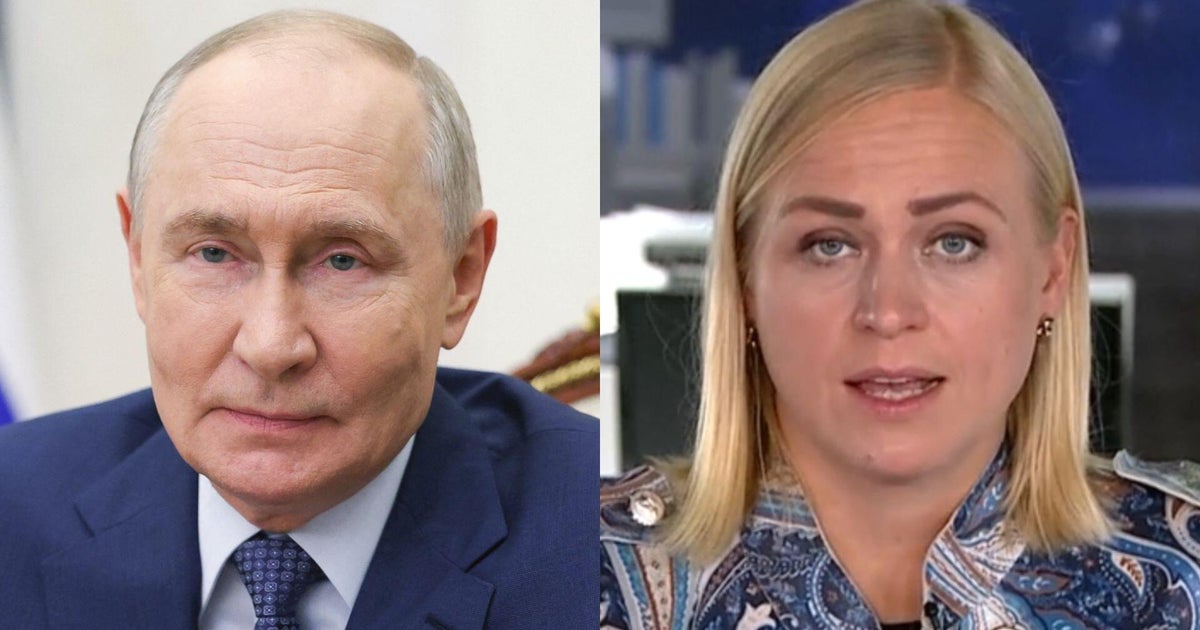
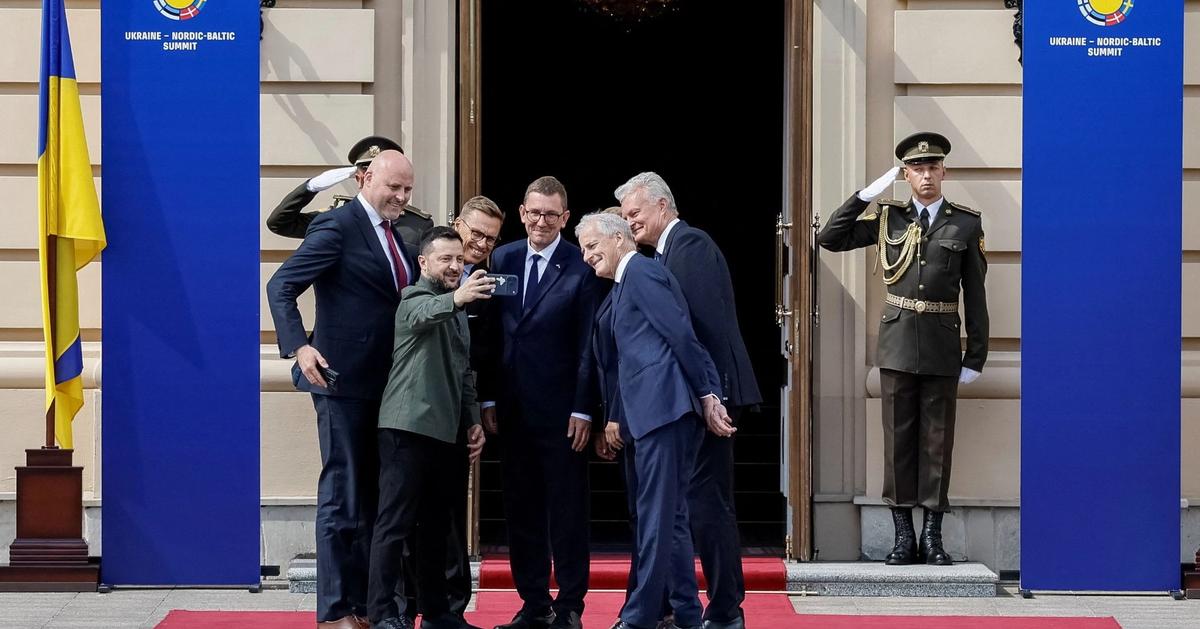
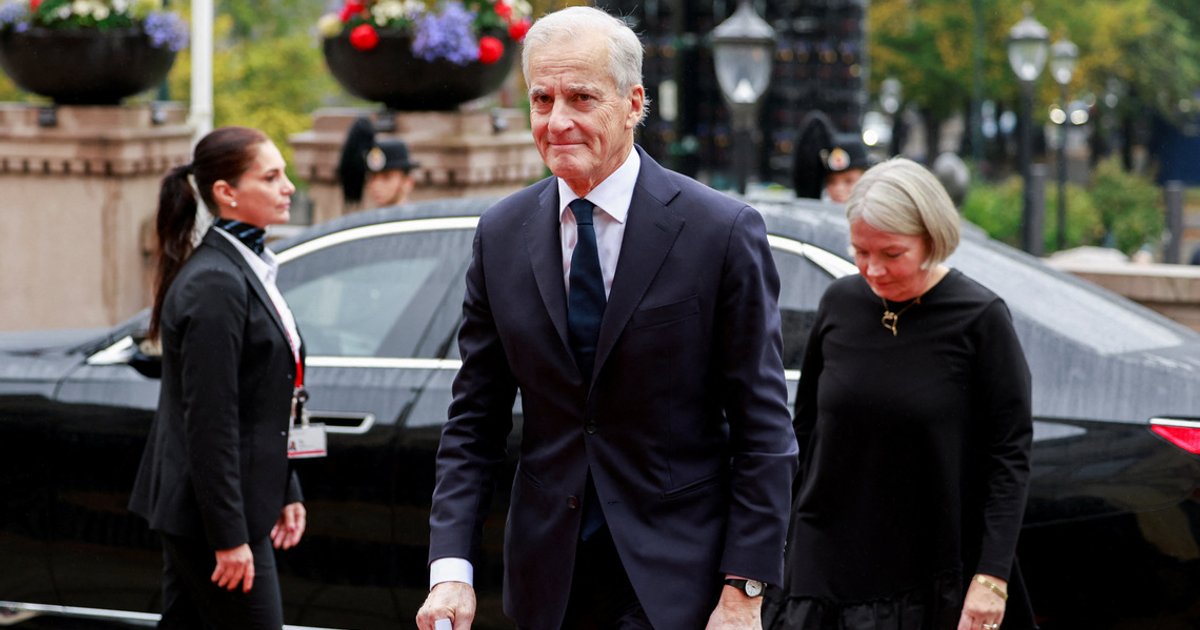
The leaders of Norway and Finland have held a rare call with Russian President Vladimir Putin to push for an end to the war in Ukraine, ahead of a planned round of United States-brokered talks in Abu Dhabi next month.
asserted
leaders → hold → Dhabi
The call on Tuesday marked a break from a longstanding policy among Western European heads of state to avoid direct talks with the Russian leader.
asserted
call → mark → leader
Recommended Stories
list of 3 items- list 1 of 3Romania blames Russia after drone sinks ship in the Black Sea
- list 2 of 3Trump lauds Melania over Russia-Ukraine localised ceasefire deal
- list 3 of 3European states pledge to boost air defence support for Ukraine
Finnish President Alexander Stubb and Norwegian Prime Minister Jonas Gahr Stoere spoke with Putin for 90 minutes.
asserted
Stubb → blame → minutes
Here’s what we know.
asserted
we → ’ → what
US President Donald Trump told reporters on Tuesday that direct talks between the Russian and Ukrainian presidents would happen “very soon”.
asserted
talks → tell → presidents
But with Trump increasingly siding with Putin over Ukrainian President Volodymyr Zelenskyy, Western leaders have been largely sidelined from US-led negotiations to end the Ukraine war.
asserted
leaders → side → war
Gerhard Mangott, an Austrian political analyst, said European governments had “manoeuvred themselves into a dead end” when it came to finding a solution to the war, and Tuesday’s call was an effort to establish a channel for dialogue.
asserted
call → say → dialogue
The Nordic leaders are hoping to influence the diplomatic process, following a policy shift by US President Donald Trump in favour of Russia.
asserted
leaders → hop → Russia
US ties with Ukraine have sunk to their lowest point in 18 months since Trump blamed Ukrainian strikes on Russian energy facilities for the rise in the cost of diesel, which has doubled in the US this year.
asserted
which → sink → US
Trump struck a deal with Putin to release Russian diesel stocks to the US and global markets despite sanctions on Russian oil.
asserted
Trump → strike → oil
He also waived newly approved US sanctions on Russia, causing anger in Europe and within his Republican Party, which had largely supported them.
asserted
which → waive → them
Ukraine also accused the US of restricting its access to Starshield, the military-grade Starlink satellite system that provides missile guidance intelligence.
asserted
that → accuse → intelligence
What happened during the conversation?
asserted
What → happen → conversation
Stubb described the discussion with Putin as “frank and substantive”.
asserted
Stubb → describe → Putin
The outcome of this war will have a direct impact on our and the broader European security.
asserted
outcome → have → our
Ending the war requires direct discussions,” the Finnish president said.
asserted
president → end → discussions
Stoere said he and Stubb had “stressed the importance of de-escalation” to Putin.
asserted
he → say → Putin
In a post on X, Stubb said the call “was a follow-up to the meeting in Oslo on 20 October”, referring to talks between US special envoy Steve Witkoff and Zelenskyy, held amid deteriorating relations between Washington and Kyiv.
asserted
call → say → Washington
Stubb said the conversation with Putin was prepared “in consultation with Ukraine and the United States .
asserted
conversation → say → Ukraine
Stubb stressed that the joint call was held in individual capacities as leaders of Norway and Finland, not as representatives of Europe.
“We emphasised that our support for Ukraine remains unwavering,” Stubb said.
asserted
Stubb → stress → Ukraine
Stubb said all Western allies were consulted on the initiative, and that Ukraine had sought the opening of a new channel of communication, arguing that Europe could not contribute to peace efforts by giving Russia “the silent treatment”.
uncertain
Europe → say → treatment
Norway’s Prime Minister Stoere added: “Talking to the other side does in no way mean that we take off the pressure.
asserted
we → add → pressure
So I believe that that is something Europe also should do with voices that can be understood on that side.”
asserted
that → believe → side
The conversation with Putin was followed up with a call to Zelenskyy.
asserted
conversation → follow → Zelenskyy
How did Putin respond to the call?
asserted
Putin → respond → call
The Kremlin’s summary of the conversation suggests the Russian president maintained a hard line.
uncertain
president → suggest → line
“It was emphasised that achieving a just and long-term peace is possible only if the legitimate interests of the Russian Federation are fully and unconditionally taken into account,” it said.
asserted
it → emphasise → account
The Kremlin also made reference to “the confrontational policies of EU and NATO countries, which are contributing to the prolongation of the hostilities”.
asserted
which → make → hostilities
Kremlin spokesman Dmitry Peskov said the call was “constructive and substantive” adding that “Putin’s position is well known.
asserted
position → say → ?
It’s consistent, and he has spoken about the need to address the root causes.”
asserted
he → ’ → causes
But Russian Foreign Minister Sergey Lavrov said the Nordic leaders’ call with Putin offered “nothing new” to end the Ukraine conflict, saying that European countries were simply seeking a role in negotiations.
Meanwhile, responding to proposals for direct talks between Putin and Zelenskyy, Russian presidential aide Yury Ushakov said: “The current leader in Kyiv is not legitimate.”
“If Zelenskyy truly wants to hold direct talks, he should come to Moscow, where all necessary conditions will be provided for him, including security,” Ushakov added.
asserted
Ushakov → say → security
How have European countries reacted?
asserted
countries → react → ?
The Norwegian and Finnish leaders’ call with Putin was greeted with scepticism by some European leaders.
asserted
call → greet → leaders
“My impression is that everyone wants peace, except for Putin himself.
asserted
everyone → want → Putin
I have quite low expectations for this type of conversation,” Sweden’s Prime Minister Ulf Kristersson told local media.
asserted
Minister → have → media
He said some European leaders had not been informed.
asserted
leaders → say → ?
Danish Prime Minister Mette Frederiksen warned against individual diplomatic approaches to Moscow, saying European countries must maintain a united position.
asserted
countries → warn → position
“I think Europe should stick together rather than going solo,” she said.
asserted
she → think → ?
Polish Prime Minister Donald Tusk said he told Stubb and Stoere that “absolute caution and vigilance are necessary in such contacts”.
asserted
caution → say → contacts
In a post on X, Lithuania’s Foreign Affairs Minister Kestutis Budrys said Europe must be at the table when peace in Ukraine is negotiated, “but not as a collection of fragmented voices”.
asserted
peace → say → voices
…and 1 more, not listed.
 The Aporia