Australia’s inflation rate rises to 4.3%, fuelling fears of fifth interest rate hike this year

Read the original at The Guardian ↗
Cite

Barrett, J., & Commins, P. (2026, October 28). Australia’s inflation rate rises to 4.3%, fuelling fears of fifth interest rate hike this year. The Guardian. https://www.theguardian.com/australia-news/2026/oct/28/inflation-rate-australia-2026-number-data-consumer-price-index-cpi-release

Dated from the outlet's own feed. Check the original for its byline.

The Guardian · collected 2026-10-28 · by Jonathan Barrett, Patrick Commins

Quick Summary

Australia’s headline inflation rate has climbed to 4.3%, with a key measure of underlying inflation reaching 3.6% annually through September. This rise is fueling expectations of another interest rate hike by the Reserve Bank of Australia (RBA) on November 3, aiming to curb inflation which now stands above its target range. The RBA’s deputy governor, Andrew Hauser, warned that persistently high inflation could lead to increased long-term price expectations, complicating efforts to reduce prices over time. Key contributors to the inflation spike include a 5.2% increase in housing costs and an 8.7% rise in transport expenses due to escalating fuel prices.
Written locally by qwen2.5:14b on 2026-10-28, using this article's own text rather than the other coverage of the same event (that is the story summary below).

AI analysis runs on qwen2.5:14b, locally

Story summary

Australia's inflation rate surged to 4.3% in September, with underlying inflation climbing to 3.6%, surpassing economists' forecasts and raising expectations of another interest rate hike by the Reserve Bank of Australia (RBA) next week. Housing costs were the largest contributor to annual inflation, increasing by 5.2%. The RBA's preferred measure of underlying inflation, known as the trimmed mean, rose 1% in September, up from 0.8% in June, according to data from the Australian Bureau of Statistics (ABS). This marks the highest level for underlying inflation since March when it stood at 4.6%. Deputy governor Andrew Hauser warned that the inflation outlook is "materially worse" than previously forecasted, indicating a possible fifth interest rate hike this year. The cash rate currently stands at 4.6%, its highest level in recent years, impacting mortgage holders and exacerbating economic challenges for homeowners.


Written for “Inflation Surges In Australia” on 2026-10-28, grounded in this article and the 2 other(s) covering the same event.
Why this leaning score
This article does not take a side on a contested political question, so it has no leaning score. That is an answer rather than a gap: a match report or a rescue can be warmly or critically written without being left or right, and scoring it anyway is how approval of a subject gets recorded as a political position.
No political leaning scored for article 110944 · logged 2026-10-28

Story

📰 Inflation Surges In Australia
Economy/Business · 3 article(s) covering the same event. Compare every outlet's account →

Compared with similar articles

This article reads unscored and hedges 17% of its claims. Each row says how that neighbour differs.
ABC News (AU) · 0.87 cosine similarity
⚖️ leaning not scored 🔴 0% hedged 0 of 8 📰 publisher trust 68
“Both articles report on the September inflation data release in Australia, showing an increase to 4.3% annual inflation and expectations of a potential interest rate hike.”
Daily Mail
⚖️ leaning not scored 🔴 33% hedged 3 of 9 📰 publisher trust 68
“While both articles discuss Australian inflation data and expectations for further interest rate hikes, they focus on different aspects and measures of inflation.”
How this article was measured signals, leaning charts, publisher record, byline, topics and claims

Signals How these are calculated →

Claims extracted
12
sentences that state something as happening or true
Uncertain
17%
2 of 12 hedged ("reportedly", "may", "according to")
Leaning
not political
takes no side on a contested political question
Publisher signals
66/100
The Guardian's corrections and hedging, across everything collected from it. Not a measure of accuracy.
Outlets on this story
3
Economy/Business
Same framing elsewhere
1
articles that frame the event the way this one does
Analyzed 2026-10-28 · how these are computed

How this is being covered How these are calculated →

Article leaning vs. publisher reliability
Source leaning vs. consistency

Publisher

The Guardian · 2548 article(s) · 6 correction(s) detected
Running correction rate · 6 correction(s)

Who wrote this

Jonathan Barrett
5 article(s) here · 1 carrying a prediction
🔮 The Reserve Bank of Australia’s preferred measure of consumer prices, called underlying inflation, came in at an annual 3.6% to September. RBA officials have strongly indicated the board may need to lift borrowing costs further to drag price growth back toward its 2.5% target, citing concerns of a “materially worse” inflation outlook.
🔮 Stephen Wu, an economist at investment bank UBS, said resilient consumer demand and a high inflation environment “may be allowing merchants to use the change as ‘cover’ to pass through broader cost pressures”.
🔮 Multiple sources briefed on the matter told Guardian Australia the AI datacentre company is slashing its valuation to entice sceptical investors – or may even shelve its initial public offering altogether.
🔮 The insolvency advisory Teneo said on Monday that new short-term funding arrangements would only allow Bathla to continue construction on some of its 45 construction sites, though it did not identify which projects were being prioritised.
🔮 That weakness is expected to continue, as higher inflation could lead to further interest rate hikes, denting demand.
Also by Jonathan Barrett
Nothing else under this byline is closely related to this article, so these are simply their most recent.
Patrick Commins
8 article(s) here · 1 carrying a prediction
🔮 The Reserve Bank of Australia’s preferred measure of consumer prices, called underlying inflation, came in at an annual 3.6% to September. RBA officials have strongly indicated the board may need to lift borrowing costs further to drag price growth back toward its 2.5% target, citing concerns of a “materially worse” inflation outlook.
🔮 The explosion of discontent that led to major protests and violence in France and across Europe is a “warning signal” that Australia could follow the same path without an “honest conversation” about the budget, economists say.
🔮 Jim Chalmers in a speech last week offered the scant encouragement that the economy would be “a bit better” in a year’s time.
🔮 Stephen Wu, an economist at investment bank UBS, said resilient consumer demand and a high inflation environment “may be allowing merchants to use the change as ‘cover’ to pass through broader cost pressures”.
🔮 Mark Cully, an economist and author of Waves of Plenty: Immigration and the Making of Australia, says such a policy would be “unprecedented”.
🔮 Would slashing net overseas migration “trash the economy” or deliver the necessary population “reset” to restore Australia’s stagnant living standards?
🔮 Yet there are signs that the central bank may be losing faith in this “slowly, slowly” strategy.
🔮 Tony Burke has promised to make Labor’s existing migration policy work better rather than announcing a dramatic cut in numbers, arguing that populist promises to slash net overseas migration will “trash Australian services and trash the Australian economy”.
Also by Patrick Commins
Nothing else under this byline is closely related to this article, so these are simply their most recent.
All 8 articles by Patrick Commins →

Topics

Australia CPI RBA The Reserve Bank of Australia senate

Subjects

Australia GPE · 2× RBA ORG · 2× Andrew Hauser PERSON · 1× CPI ORG · 1× Hauser PERSON · 1× Iran GPE · 1× Israel GPE · 1× The Reserve Bank of Australia ORG · 1× senate ORG · 1× the Australian Bureau of Statistics ORG · 1×

Narrative

He said there was a “nightmare” risk that longer-term inflation expectations would pick up, making it harder to get inflation out of the system. “We don’t think it is necessarily crystallising yet, but it is a particular risk,” Hauser said.
framing: assertive · carried by 1 article(s) · first seen 2026-10-28
🔮 The Reserve Bank of Australia’s preferred measure of consumer prices, called underlying inflation, came in at an annual 3.6% to September. RBA officials have strongly indicated the board may need to lift borrowing costs further to drag price growth back toward its 2.5% target, citing concerns of a “materially worse” inflation outlook.

Claims (12 extracted, 2 hedged)

Australia’s headline inflation rate has accelerated to 4.3%, with a key gauge that strips out volatile prices also elevated, sharpening expectations of another interest rate rise next week. asserted
that → accelerate → rise
The Reserve Bank of Australia’s preferred measure of consumer prices, called underlying inflation, came in at an annual 3.6% to September. RBA officials have strongly indicated the board may need to lift borrowing costs further to drag price growth back toward its 2.5% target, citing concerns of a “materially worse” inflation outlook. uncertain
board → prefer → outlook
The CPI release comes shortly ahead of the central bank’s next monetary policy decision on 3 November, when most economists are tipping another cash rate increase. asserted
economists → come → increase
The RBA’s deputy governor, Andrew Hauser, described the inflation numbers as “too high” at senate estimates on Wednesday, shortly after the data was released. asserted
data → describe → Wednesday
He said there was a “nightmare” risk that longer-term inflation expectations would pick up, making it harder to get inflation out of the system. “We don’t think it is necessarily crystallising yet, but it is a particular risk,” Hauser said. asserted
Hauser → say → system
The cash rate, which informs lending rates including mortgages, already stands at 4.6%, its highest level in 15 years. asserted
which → inform → years
CPI figures released by the Australian Bureau of Statistics on Wednesday show that costs for everyday goods and services are rising at the same time as unemployment lifts, making life uncomfortable for households. asserted
life → release → households
Transport costs have risen 8.7% over the past 12 months, due in large part to escalating fuel prices stemming from the US and Israel conflict with Iran. asserted
costs → rise → Iran
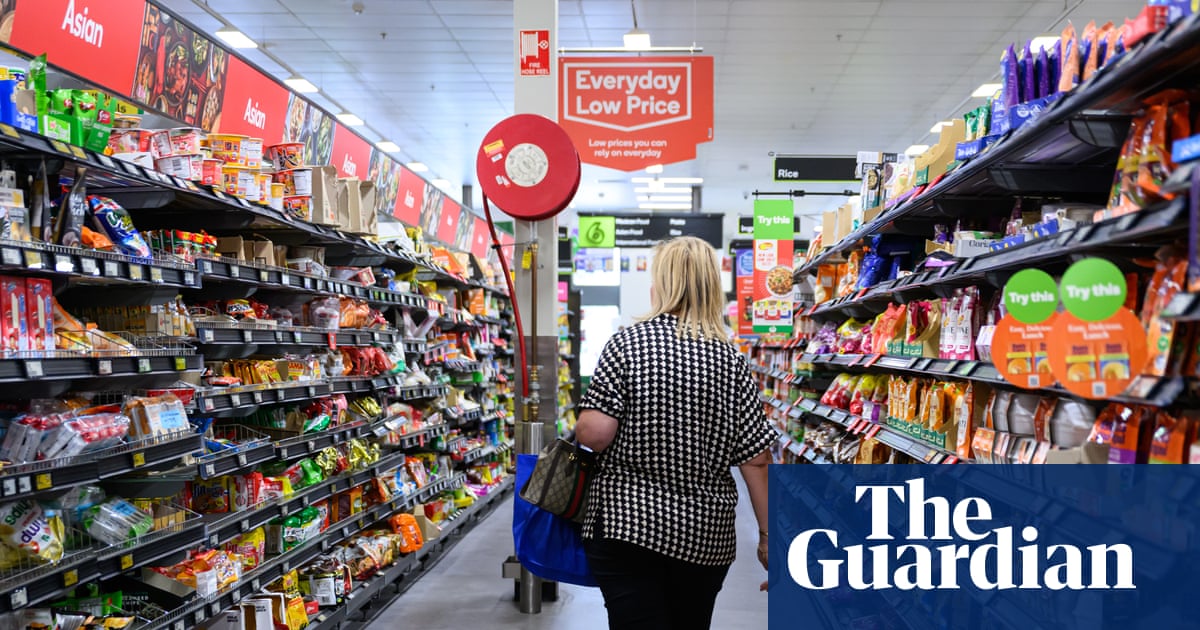
Food prices have also jumped another 3.2% in a year, and housing costs were up 5.2%. asserted
costs → jump → year
The escalating expenses have fed into the growing political unease in Australia and elsewhere, as voters express their discontent with cost of living pressures. asserted
voters → escalate → pressures
Housing, which is the single biggest category in the CPI, was the largest contributor to annual inflation, according to the ABS, followed by transport costs. uncertain
which → accord → costs
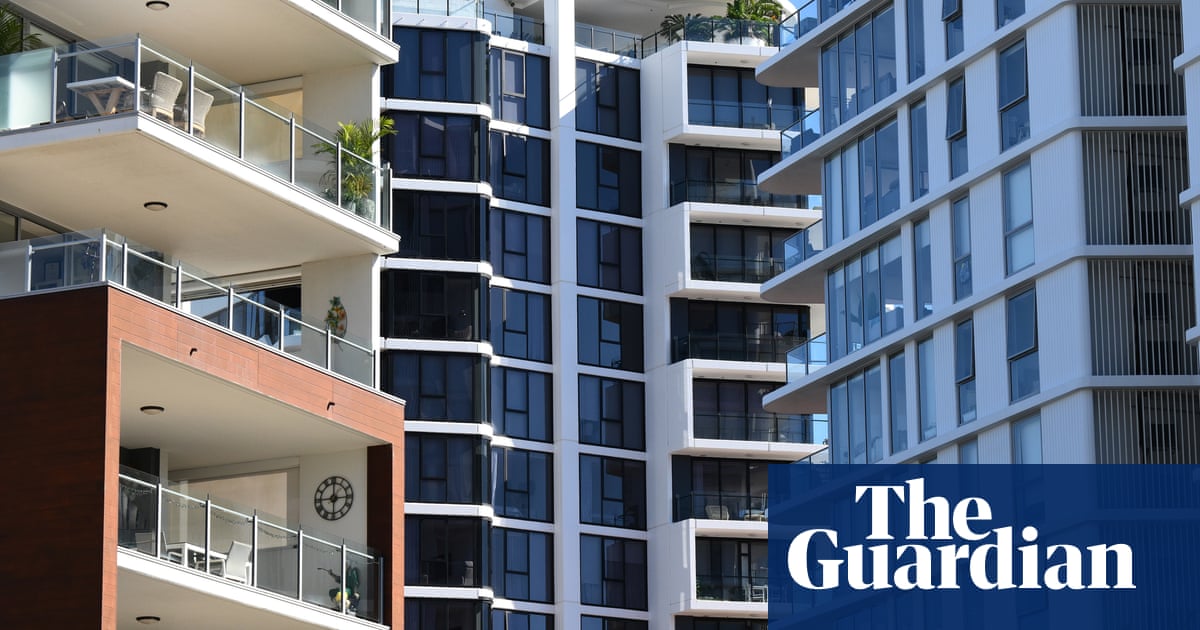
Builders have been passing on higher costs for materials and labour for new dwellings, while electricity prices are also elevated. asserted
prices → pass → dwellings
💬Give feedback
🕘History 🎫Support