The Aporia

What is walking down the newly-pedestrianised Oxford Street like? (2026, October 26). BBC News. https://www.bbc.co.uk/news/videos/c5pvg8y8lk2mo?at_medium=RSS&at_campaign=rss
“What is walking down the newly-pedestrianised Oxford Street like?” BBC News, 26 Oct. 2026, https://www.bbc.co.uk/news/videos/c5pvg8y8lk2mo?at_medium=RSS&at_campaign=rss.
“What is walking down the newly-pedestrianised Oxford Street like?” BBC News, October 26, 2026. https://www.bbc.co.uk/news/videos/c5pvg8y8lk2mo?at_medium=RSS&at_campaign=rss.
Dated from the outlet's own feed. Check the original for its byline.
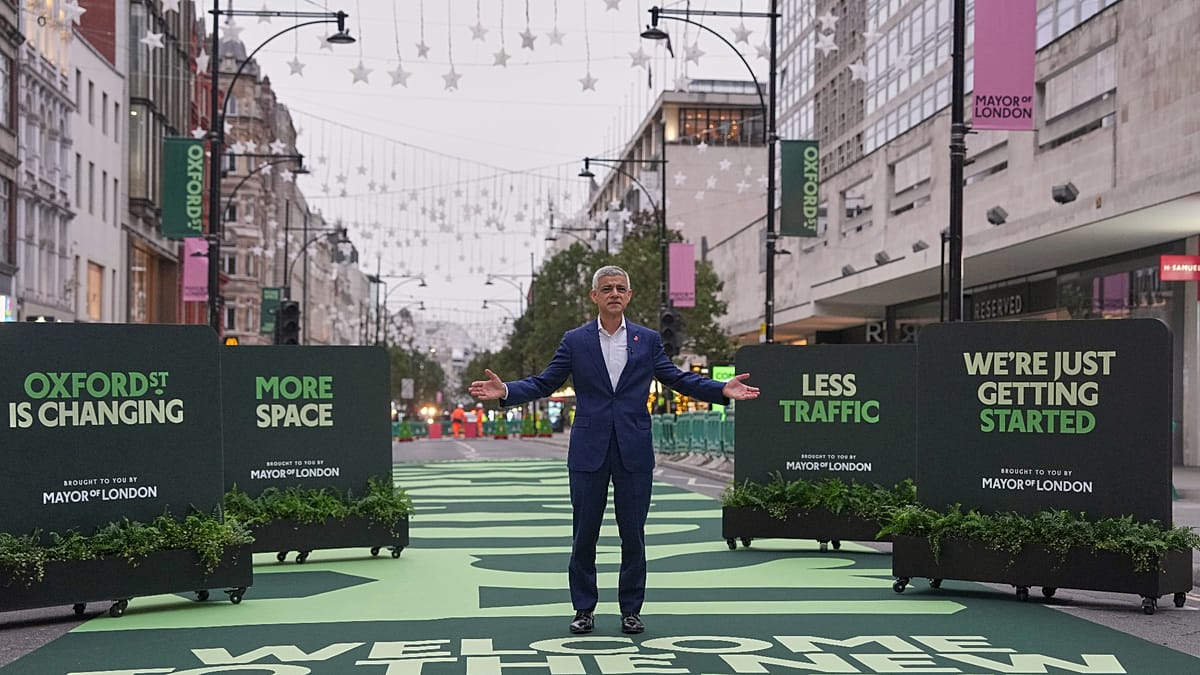
As of October 26, London has begun pedestrianizing a nearly 1km stretch of Oxford Street, between Orchard Street and Great Portland Street, banning vehicles including cars, buses, bicycles, e-scooters, and pedicabs. The initiative aims to reduce traffic and enhance the public space for shoppers ahead of the Christmas season, with plans for further beautification in early 2027, including more trees and seating areas.
The pedestrianization project, spearheaded by London Mayor Sadiq Khan, has been in planning since 2016 and involves diverting traffic onto nearby roads like Wigmore Street, Henrietta Place, and Cavendish Place. Despite support from a majority of respondents during the public consultation phase, some critics argue that the preparations are rushed and worry about increased congestion on surrounding streets.
Oxford Street is one of London's busiest shopping areas, attracting approximately half a million visitors daily and generating an annual spend of around £3.1 billion. The mayor hopes this transformation will revitalize the area, support local retailers facing challenges from online shopping and out-of-town malls, and boost economic growth by making the street safer and more welcoming for pedestrians.