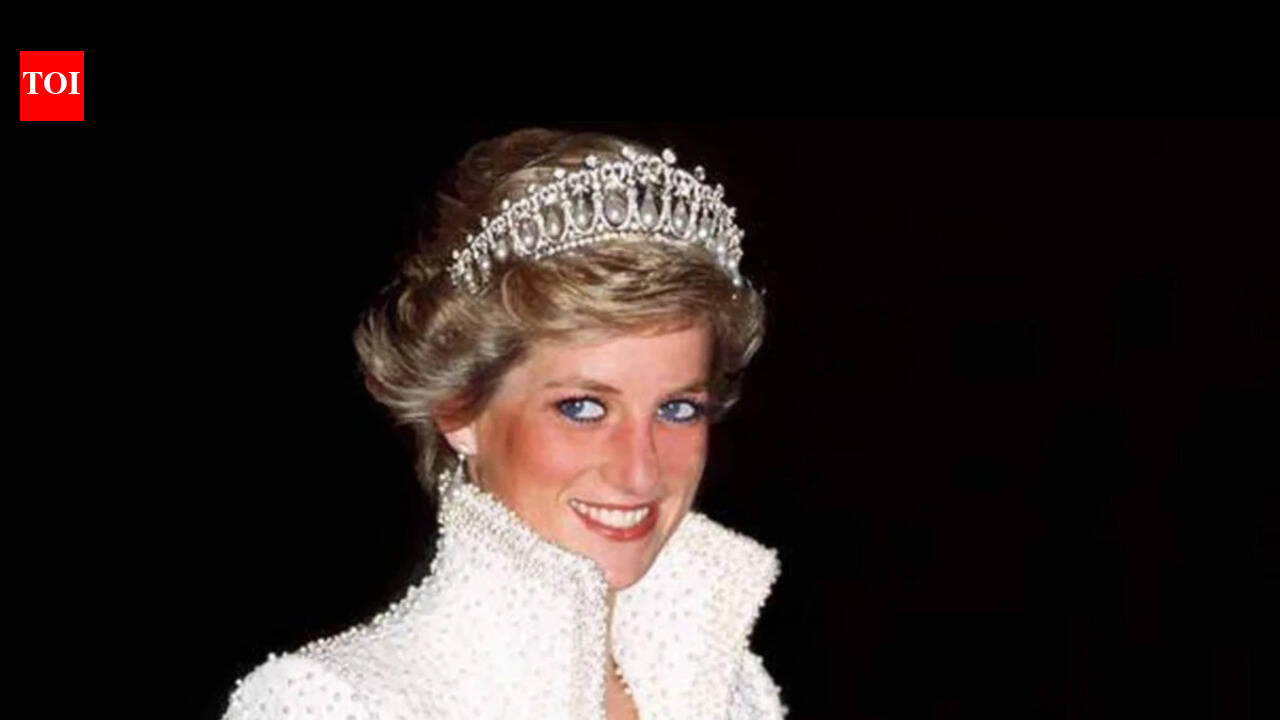
In her 1995 BBC Panorama interview, Diana, Princess of Wales, responded to the collapse of her marriage and her diminished prospects for becoming queen consort by expressing a desire to be "a queen in people's hearts." Broadcast to over 20 million viewers in the UK, this candid conversation saw Diana discuss personal struggles and redefine her public role through humanitarian work. Following her divorce and subsequent death in 1997, she was widely regarded as having achieved this informal status through her emotional connection with the public.
Written by the local model on 2026-09-16,
using this article's own text rather than the other coverage of the
same event.
Why this leaning score
This article does not take a side on a contested political
question, so it has no leaning score. That is an
answer rather than a gap: a match report or a rescue can be warmly
or critically written without being left or right, and scoring it
anyway is how approval of a subject gets recorded as a political
position.
No political leaning scored for article 10730 · logged 2026-09-16
Two people can be told their formal path to influence has narrowed or closed entirely and respond in completely different ways.
asserted
path → tell → ways
One treats the loss of the expected title or position as the end of any real influence at all, and withdraws accordingly.
asserted
One → treat → influence
The other redefines what influence actually means for them, choosing a different, less official kind of standing that doesn't depend on the position they were originally meant to hold.
asserted
they → redefine → position
Diana said this line during her explosive BBC Panorama interview with Martin Bashir in November 1995, at a point when her marriage to
Prince Charles had publicly and irreversibly broken down and her eventual path to the British throne, as queen consort, was no longer realistic.
asserted
path → say → consort
Rather than treating that loss as the end of her public relevance, she reframed the entire premise, trading a formal, inherited title for something she considered to be won through direct emotional connection instead.
asserted
she → treat → connection
Quote of the day by Princess Diana
"I'd like to be a queen in people's hearts, but I don't see myself being queen of this country."Written during the interview that changed how the public saw her
What gives this line its full weight is the interview it came from, one of the most consequential television appearances in modern royal history.
asserted
it → like → history
Broadcast to an audience of over 20 million people in the UK alone, the Panorama interview saw Diana speak with unusual candour about the state of her marriage, famously remarking that "there were three of us in this marriage, so it was a bit crowded," a direct reference to Charles's relationship with Camilla Parker-Bowles, and discussing her own struggles with bulimia and self-harm during a period when the royal family offered her little public support.
asserted
family → Broadcast → support
Against that backdrop, the "queen of people's hearts" line reads less like a consolation prize and more like a genuine redefinition of her role.
asserted
line → read → role
In the years following the interview and her 1996 divorce, Diana leaned heavily into humanitarian work that relied on exactly the kind of direct, personal connection she was describing, including her prominent campaign against landmines and her decision, at a time when public fear and stigma around HIV and AIDS ran high, to be photographed shaking hands, without gloves, with a man dying of the disease in 1987, a gesture credited with helping shift public attitudes.
asserted
man → follow → attitudes
The formal title never arrived.
asserted
title → arrive → ?
The informal one, by most accounts of how she was regarded by the public at the time of her death in 1997, largely did.
asserted
she → regard → 1997
A simple way to actually use this idea
The useful move here is separating the specific, formal version of a goal from the underlying thing that goal was actually meant to provide, since losing access to the first doesn't necessarily mean losing access to the second.
asserted
losing → use → second
A closed door to an official title, promotion, or position doesn't have to mean the influence, connection, or respect that position represented is now permanently out of reach.
asserted
position → close → reach
A fair test, when an expected path forward closes off, is to ask what the position was actually supposed to provide, and whether there's a different, less conventional route to that same underlying thing.
asserted
position → expect → thing
That question won't undo a genuine loss.
asserted
question → undo → loss
It usually reveals more available paths forward than the closed door initially seemed to leave.
asserted
door → reveal → paths
Other quotes by Princess Diana:
- "There were three of us in this marriage, so it was a bit crowded."
- "Whoever is in distress can call on me.
asserted
is → be → me
I will come running, wherever they are."
asserted
they → come → ?
- "I think every strong woman in history has had to walk down a similar path, and I think it's the strength that causes the confusion and the fear."
asserted
that → think → confusion
 The Aporia