The Aporia
Reuters. (2026, October 25). Brazil pauses presidential vote count after Supreme Court extends voting hours. South China Morning Post. https://www.scmp.com/news/world/americas/article/3372096/brazil-pauses-presidential-vote-count-after-supreme-court-extends-voting-hours
Reuters. “Brazil pauses presidential vote count after Supreme Court extends voting hours.” South China Morning Post, 25 Oct. 2026, https://www.scmp.com/news/world/americas/article/3372096/brazil-pauses-presidential-vote-count-after-supreme-court-extends-voting-hours.
Reuters. “Brazil pauses presidential vote count after Supreme Court extends voting hours.” South China Morning Post, October 25, 2026. https://www.scmp.com/news/world/americas/article/3372096/brazil-pauses-presidential-vote-count-after-supreme-court-extends-voting-hours.
Dated from the outlet's own feed. Check the original for its byline.
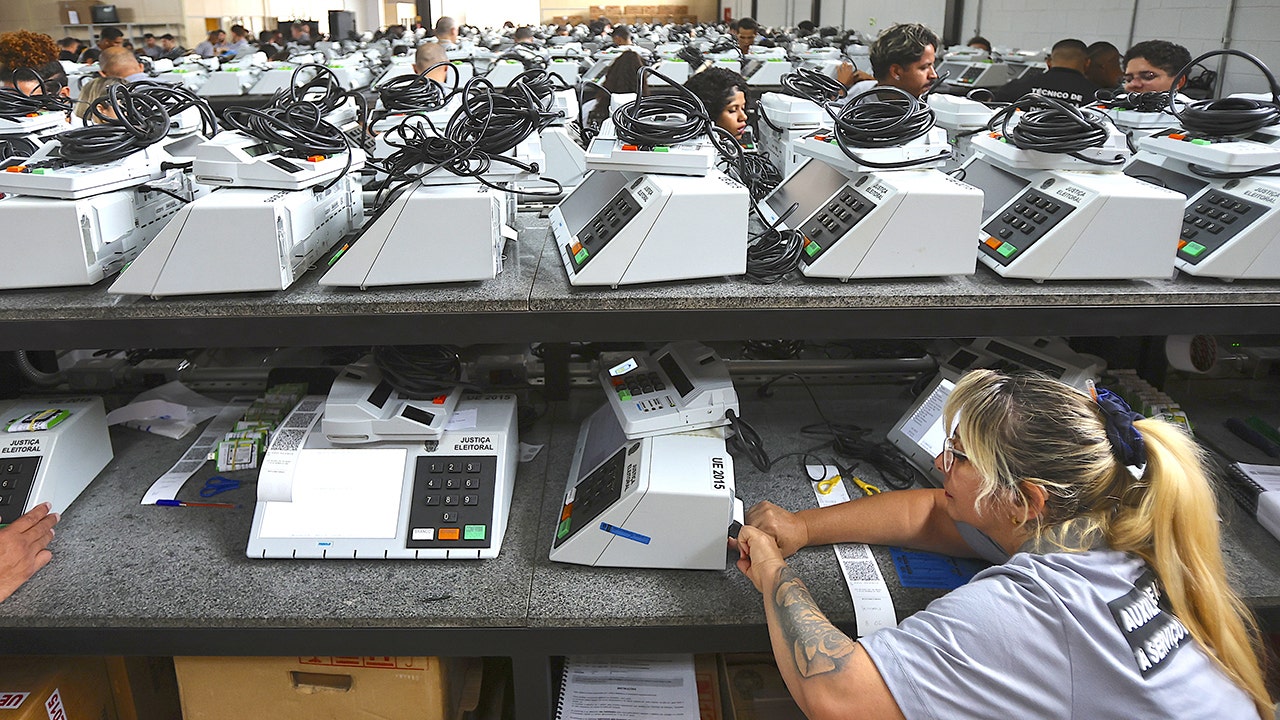
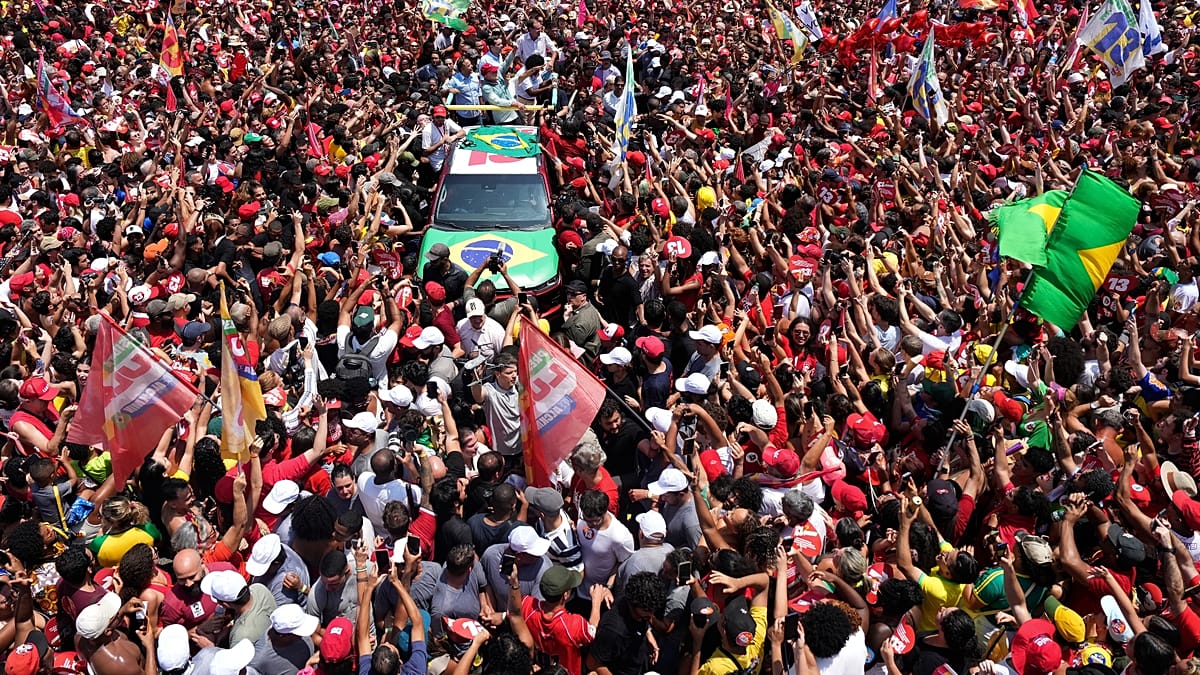
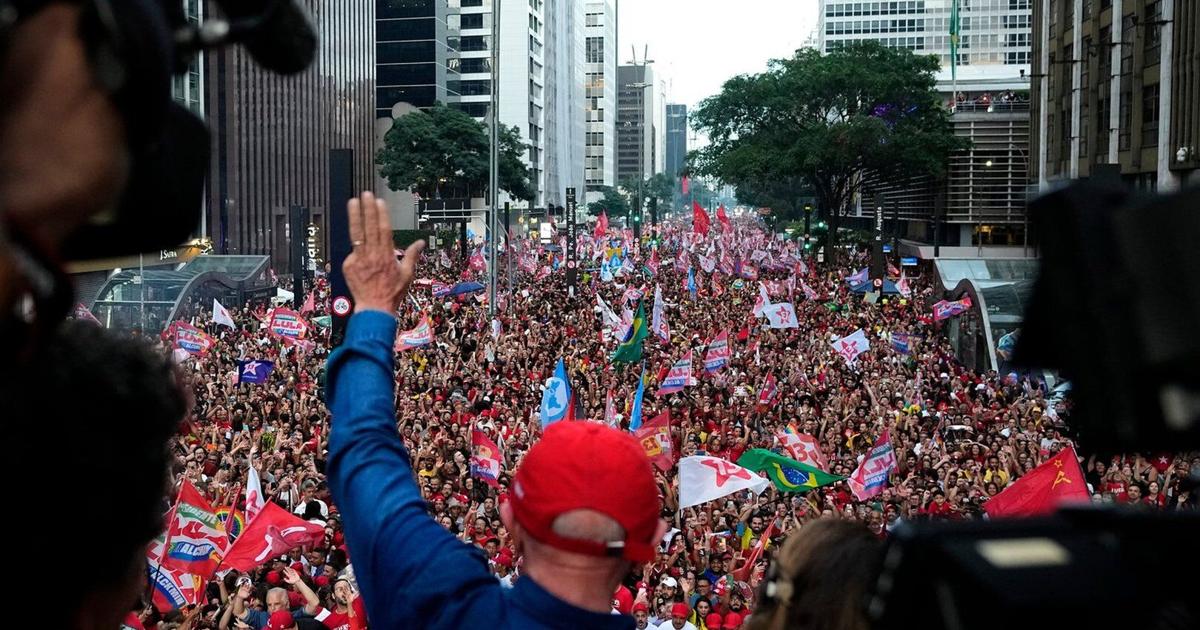
On October 25, 2026, Brazilians headed to polls for their presidential runoff election between incumbent left-wing President Luiz Inácio Lula da Silva and right-wing Senator Flávio Bolsonaro. The first round of voting on October 4 saw neither candidate securing a majority, necessitating the runoff vote.
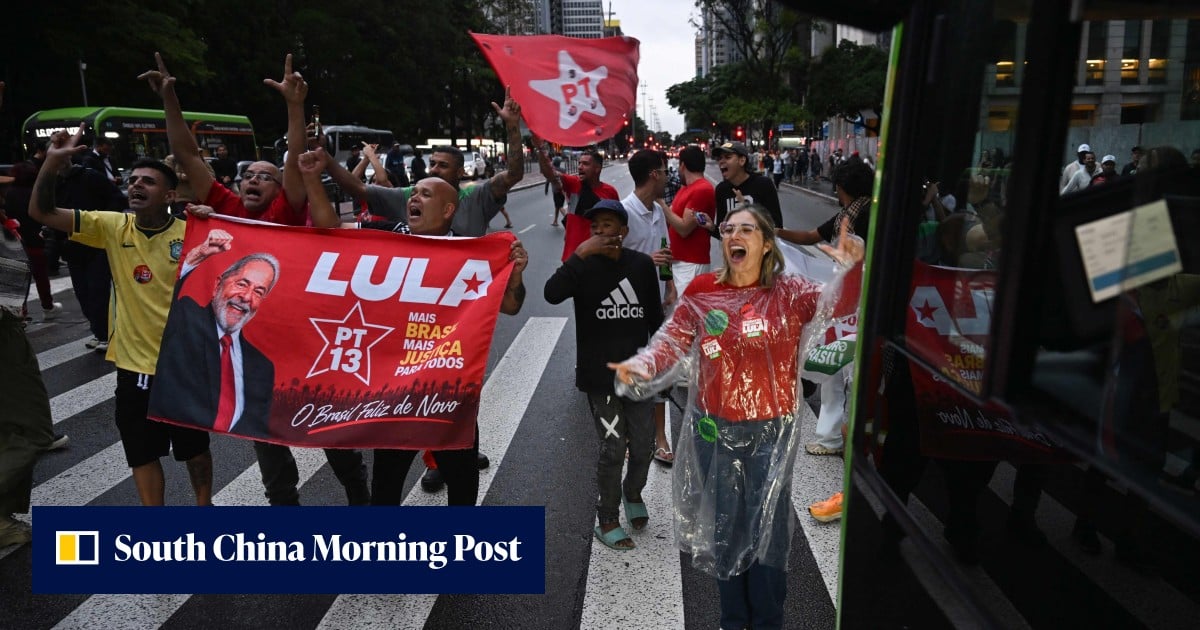
As voting took place, Brazil's Supreme Court extended voting hours by two hours until 7pm Brasilia time at President Lula’s campaign request due to public transport issues in three cities in Bahia state. This extension led to a temporary pause in the initial vote count that had begun earlier.
Throughout the day, concerns were raised about alleged voter suppression tactics involving restricted access to public transportation in at least ten states, affecting voter turnout, particularly for Lula supporters. Despite these issues, voting proceeded and counting resumed promptly after the extended hours announcement.
The early results showed President Lula leading with 57.66% of votes counted compared to Bolsonaro's 42.34%. Both candidates are advocating costly programs without clear funding mechanisms, influencing market reactions and public sentiment ahead of the final outcome. The election is crucial for determining Brazil’s economic direction and its relationship with the United States under a potential rightist leadership. Observers will closely monitor the vote count to determine the winner in this narrow runoff race.
The election pits leftist President Luiz Inacio Lula da Silva against right-wing Senator Flavio Bolsonaro, the son of convicted former President Jair Bolsonaro.
Zanin’s decision landed right around the 5pm cut-off, when the electoral court had already started publishing results that showed Lula leading Bolsonaro with 0.25 per cent of ballot counted.