The Aporia
The Straits Times. (2026, October 25). Trump has no designs on taking over state elections, says US attorney-general. The Straits Times. https://www.straitstimes.com/world/united-states/trump-has-no-designs-on-taking-over-state-elections-us-attorney-general-says
The Straits Times. “Trump has no designs on taking over state elections, says US attorney-general.” The Straits Times, 25 Oct. 2026, https://www.straitstimes.com/world/united-states/trump-has-no-designs-on-taking-over-state-elections-us-attorney-general-says.
The Straits Times. “Trump has no designs on taking over state elections, says US attorney-general.” The Straits Times, October 25, 2026. https://www.straitstimes.com/world/united-states/trump-has-no-designs-on-taking-over-state-elections-us-attorney-general-says.
Dated from the outlet's own feed. Check the original for its byline.
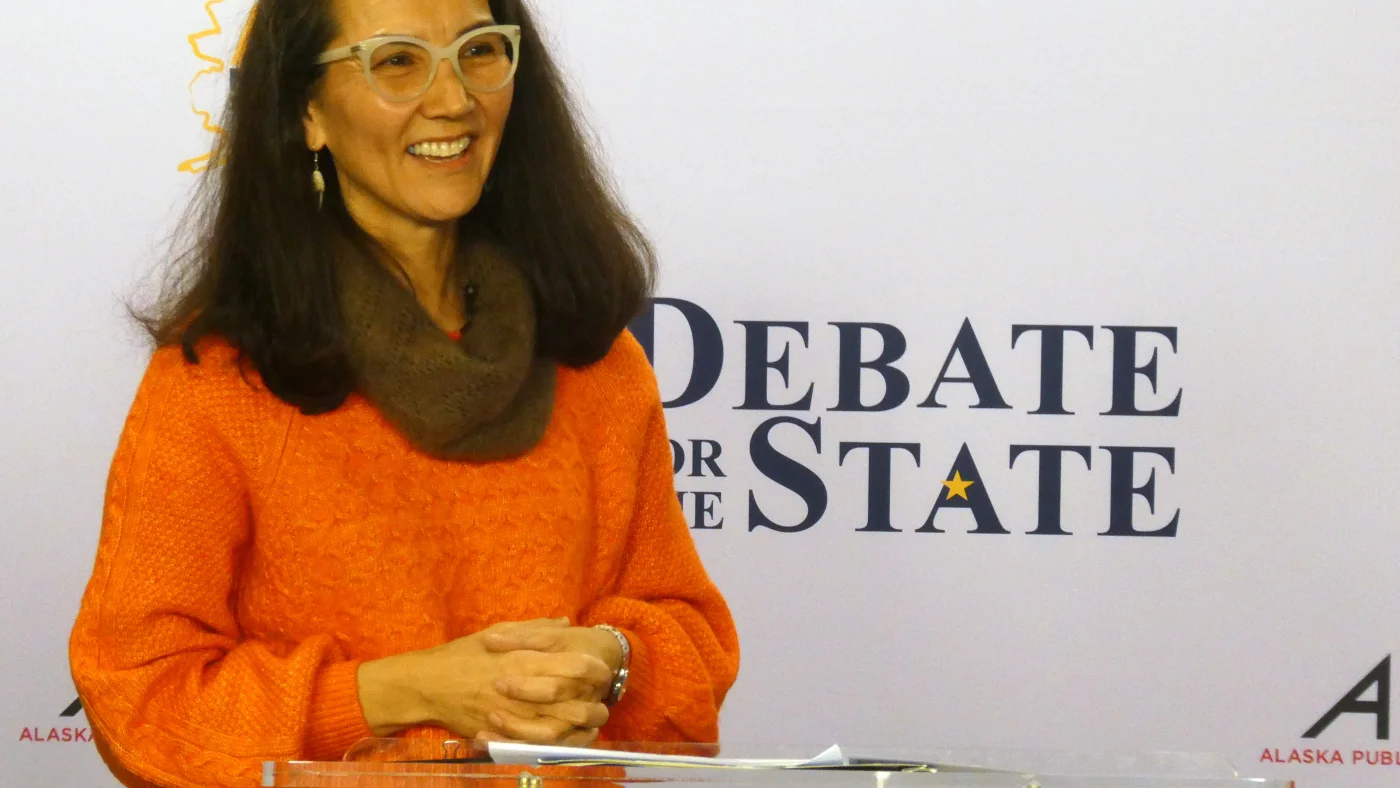
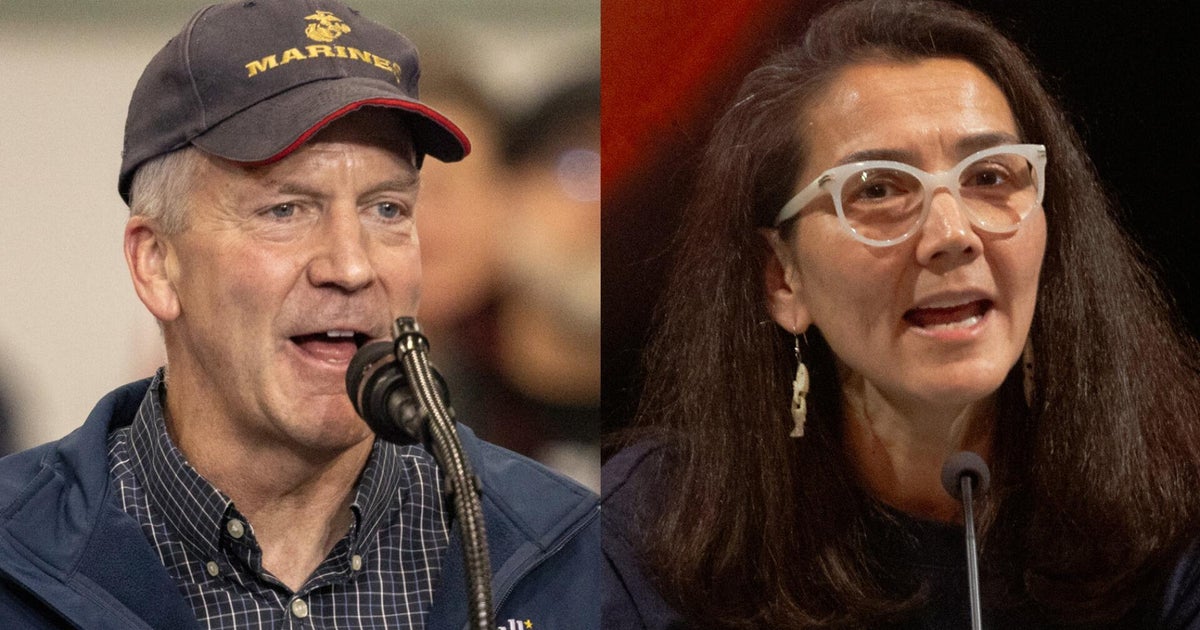
The United States Department of Justice (DOJ) filed a lawsuit on October 23, 2026, seeking to delay the certification of Alaska’s Senate election result if Republican incumbent Dan Sullivan narrowly loses to Democrat Mary Peltola. The reason given by the DOJ is that another candidate named Daniel J. Sullivan, a retired teacher registered as an independent, may have caused voter confusion. This lawsuit aims to prevent Alaska from certifying the election results if Senator Sullivan loses by fewer votes than Daniel J. Sullivan receives.
The case centers around two candidates with similar names: Dan Sullivan (incumbent Republican senator) and Daniel J. Sullivan (retired teacher running as an independent). Despite attempts by the incumbent's campaign to remove Daniel J. Sullivan from the ballot, Alaska’s Supreme Court ruled that both can remain on it. The DOJ argues that Daniel J. Sullivan's candidacy is designed to benefit Peltola by reducing votes for Senator Sullivan.
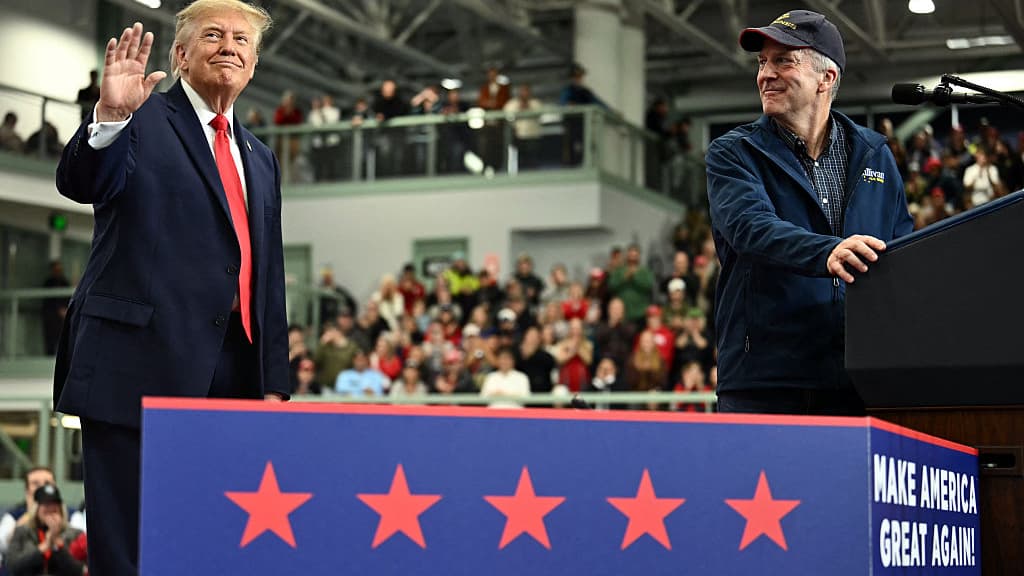
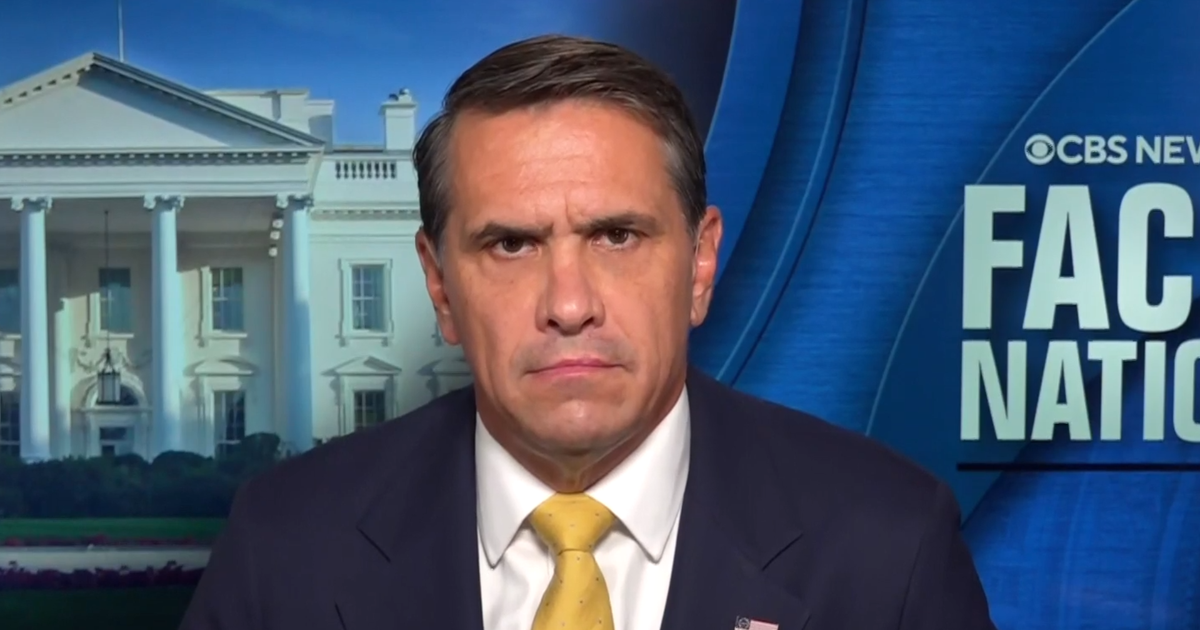
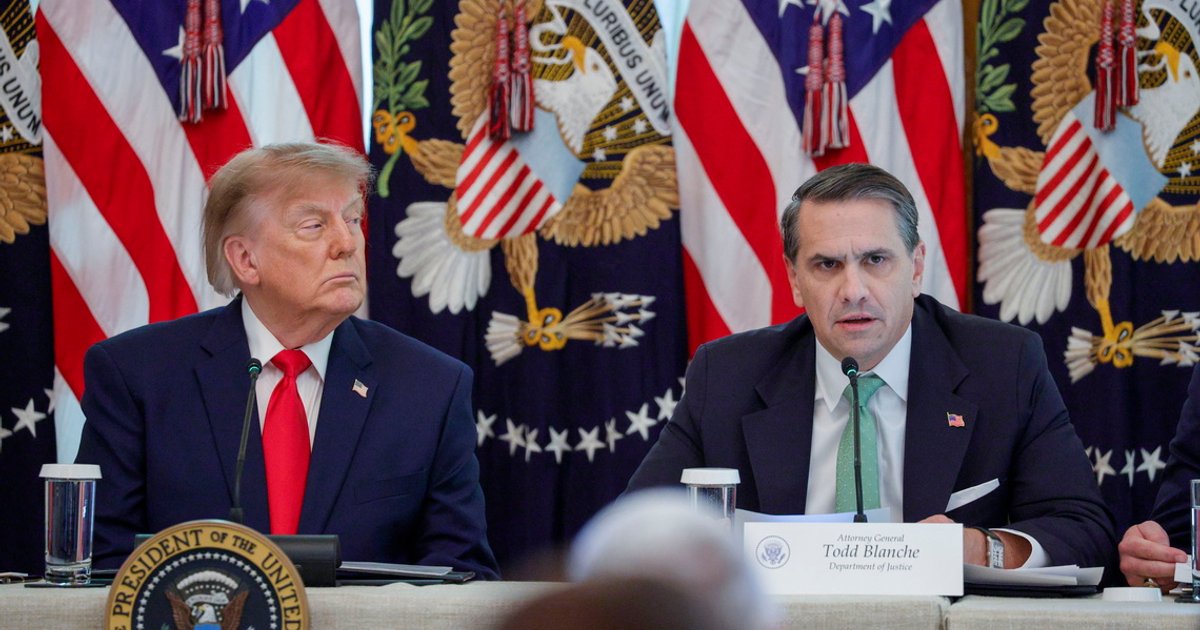
Attorney General Todd Blanche defended the lawsuit, stating that it aims to ensure accurate voting rather than interfere in the democratic process. However, some Democrats and election officials are concerned about potential federal interference in state elections, particularly as President Trump has won Alaska with a significant margin but faces a competitive Senate race. The DOJ maintains that this action is not part of any broader strategy by Trump to challenge unfavorable election outcomes.
Election officials across the country are preparing for possible legal challenges and disputes over voting results that could disrupt certification processes in the upcoming midterm elections on November 3, 2026. Despite these concerns, Blanche asserts that the DOJ’s intervention is necessary to prevent voter confusion and ensure fair electoral practices. The Alaska case remains a focal point of discussions regarding federal-state election dynamics and democratic integrity.