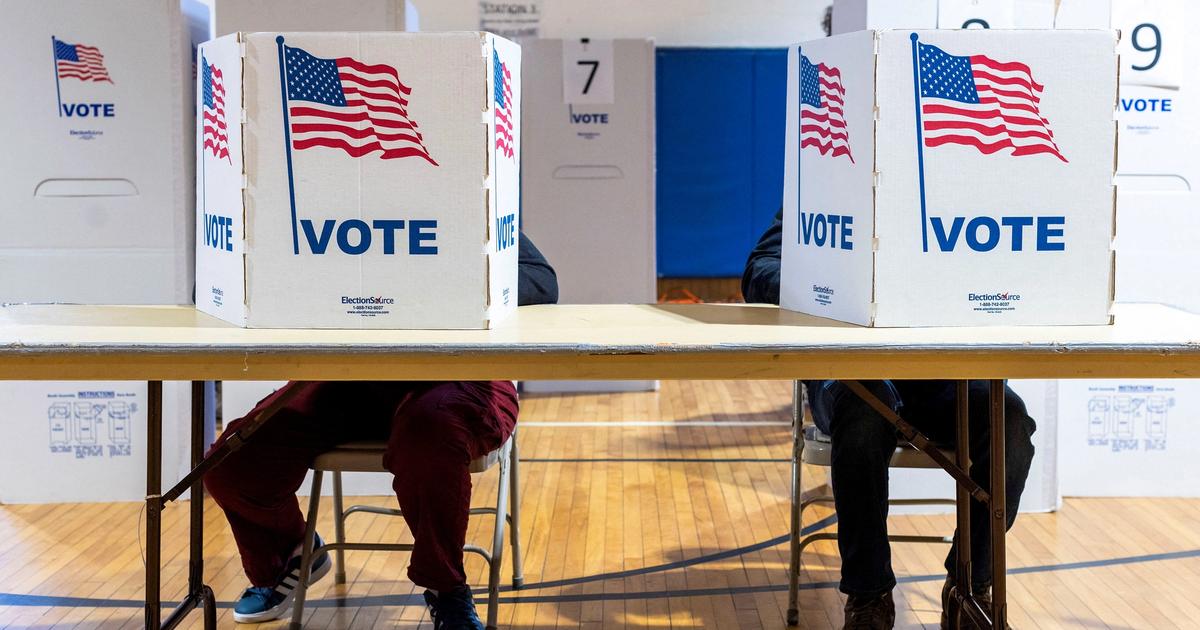
OTTAWA - American Democrats living in Canada are prepared to shout their political choices from the rooftops ahead of next month’s midterm elections — while some of those who back Republican candidates seem leery of speaking out fearing a backlash from their neighbours.
asserted
who → live → neighbours
Tammy Wilsker Mermelstein, a Texas voter who moved to the Greater Toronto Area last year, will be voting in a U.S. election from Canada for the first time.
asserted
who → move → time
While she used to be a Republican and voted that way until 2016, Wilsker Mermelstein said she has never voted for U.S. President Donald Trump.
asserted
she → use → Trump
She said it’s crucial for people to vote this year as “Texas is in play.”
asserted
Texas → say → play
“Texas has not elected a Democrat in high office for at least two decades, probably longer, and this is the first solid chance,” she said.
asserted
she → elect → decades
“They say every vote counts.
asserted
vote → say → ?
This is really going to be an election where every vote matters, even in states where people aren’t used to having their vote matter if they’re in the minority.”
asserted
they → go → minority
Americans head to the polls on Nov. 3 for midterm elections which could see the Democrats seize control of both the Senate and the House of Representatives from the Republicans.
uncertain
Democrats → head → Republicans
Democratic control of one or both chambers could significantly alter the path of Trump’s presidency, including the possibility of new impeachment proceedings against him, and investigations of some of his key allies and agency heads.
uncertain
control → alter → allies
Expat participation in U.S. elections is typically low, though the Federal Voting Assistance Program estimates there were more than 430,000 eligible U.S. voters in Canada as of 2024.
asserted
Program → estimate → 2024
The organization estimates turnout among Americans in Canada was about 10 per cent in the 2024 general election, while the domestic voting rate that year was about 76 per cent.
asserted
rate → estimate → election
The organization estimates the overall turnout among all eligible overseas U.S. citizens at 11 per cent.
asserted
organization → estimate → cent
Kathryn Sikkink, a professor at the Harvard Kennedy School who has volunteered with the U.S. Vote Foundation, said participation in voting abroad may be low because some citizens find it difficult.
uncertain
it → volunteer → Foundation
Some, she said, don’t even realize they’re eligible to vote.
asserted
they → say → ?
The U.S. Department of State website says U.S. citizens can get an absentee ballot by mail, email or fax, or by downloading it from the internet, though options vary by state.
asserted
options → say → state
Most U.S. citizens can vote absentee for federal office candidates in U.S. primary and general elections.
asserted
citizens → vote → elections
Some states also allow U.S. citizens living abroad to vote for local and state office candidates, and on referendums.
asserted
citizens → allow → referendums
Georganne Burke, the chapter lead for Republicans Overseas in Canada, said it has been a “contentious year” as Americans living in Canada have watched “the back and forth” between the two governments over trade.
asserted
Americans → say → trade
“They want to make sure that whatever’s going on in the States stays kind of healthy in case they have to go back home.
asserted
they → want → States
So people, they are more engaged, I think, than they have in the past,” she said.
asserted
she → think → past
A dual citizen, Burke moved back to the U.S. a few months ago after spending 38 years in Toronto and Ottawa.
asserted
Burke → move → Toronto
A Republican and Trump supporter, Burke said she estimates there is a roughly three-to-one Democrat to Republican ratio among American expats living in Canada.
asserted
she → say → Canada
“I know that most Republicans are very motivated to vote,” she said.
asserted
she → know → ?
“They’re very quiet about it.
asserted
They → ’re → it
They don’t talk because they’re not received in a very friendly way in Canada, which is kind of unfortunate.
asserted
which → talk → Canada
“Democrats are also motivated to vote, especially if they’re in one of those toss-up states, like Michigan.”
asserted
they → motivate → Michigan
When The Canadian Press sought to speak with various American voters via social media pages and message boards, lots of Democrats stepped forward.
asserted
lots → seek → Democrats
Not one Republican did.
asserted
Republican → do → ?
Burke said it’s a civic duty to vote in elections.
asserted
it → say → elections
She also said while some of the things Trump says and does make her “cringe,” she focuses on his accomplishments.
asserted
she → say → accomplishments
“A lot of the thing that he has done in the United States have made a huge difference for Americans, including dealing with the border problem in Mexico,” she said.
asserted
she → do → Mexico
“And I know it drives people crazy, but he is reshoring, as he puts it, American industry to the United States to employ Americans.
asserted
he → know → Americans
That’s his job.”
asserted
That → ’ → ?
Trump’s trade war with Canada has become a leading ballot box issue in some key states ahead of the U.S. midterms.
asserted
war → become → midterms
Trump rapidly escalated his trade war and rhetoric against Canada after trade negotiations fell apart in August.
asserted
negotiations → escalate → August
The president signed an order to rename Lake Ontario as Lake America and the United States hit an array of Canadian goods with 50 per cent tariffs.
asserted
States → sign → tariffs
A few weeks later, Ottawa responded with its own retaliatory duties.
asserted
Ottawa → respond → duties
Jessica Matwick, a dual citizen who lives in Ottawa and is involved with Democrats Abroad and Indivisible Ottawa, said every eligible voter should get out and vote “to put a stop to an unhinged administration and a legislative body that has abdicated their responsibility to keep the executive in check.”
asserted
that → live → check
“The attacks on Canadian sovereignty and destructive tariff war are actions I cannot remain silent about,” said Matwick, who moved back to Canada in late 2016 and votes in Virginia.
asserted
who → remain → Virginia
“I still have family living in the U.S. and many friends who I am concerned about.
asserted
I → have → who
…and 5 more, not listed.
 The Aporia