Elections cannot produce change in Israel

Read the original at Al Jazeera ↗
Cite

Buttu, D. (2026, October 25). Elections cannot produce change in Israel. Al Jazeera. https://www.aljazeera.com/opinions/2026/10/25/elections-cannot-produce-change-in-israel?traffic_source=rss

Dated from the outlet's own feed. Check the original for its byline.

Al Jazeera · collected 2026-10-25 · by Diana Buttu

Quick Summary

The article discusses how the upcoming Israeli elections are unlikely to bring about significant change regarding policies towards Palestinians and the occupied territories. It argues that both pro-Netanyahu and anti-Netanyahu candidates support ongoing Israeli actions such as colonization of the West Bank, destruction in Gaza, and denial of Palestinian freedom, with minimal differences between them on these issues. The author suggests that despite international concerns over human rights violations, most Israelis will vote for candidates who endorse these policies rather than those advocating for a "two-state solution" or peace initiatives.
Written locally by qwen2.5:14b on 2026-10-25, using this article's own text rather than the other coverage of the same event (that is the story summary below).

AI analysis runs on qwen2.5:14b, locally

Story summary

On October 27, Israelis will vote in the first national election since the October 7 attacks by Hamas and the subsequent war in Gaza. Current polls suggest that Prime Minister Benjamin Netanyahu's far-right coalition will not secure a parliamentary majority, with his bloc projected to win only 50 out of 120 seats in the Knesset. The opposition, led by retired Lieutenant General Gadi Eisenkot, is expected to win 52 seats but faces challenges forming a governing majority due to reluctance among parties to form alliances with Palestinian-led groups like Ra'am. Netanyahu remains under pressure over his handling of security before the Hamas attacks and ongoing corruption trials. The election results could determine whether he retains power after nearly two decades as prime minister, influencing Israel's approach to conflicts in Gaza, Lebanon, and broader regional tensions.

Written for “Israeli Election Results And Outcomes” on 2026-10-25, grounded in this article and the 4 other(s) covering the same event.

Story

📰 Israeli Election Results And Outcomes
Politics · 5 article(s) covering the same event. See how they differ ↓

Compared with similar articles

This article reads leans strongly left and hedges 9% of its claims. Each row says how that neighbour differs.
Al Jazeera · 0.88 cosine similarity
⚖️ Leans left further right than this 🔴 32% hedged 12 of 38 📰 publisher trust 60
“Both articles discuss the upcoming Israeli election on the same date with a focus on Prime Minister Benjamin Netanyahu and the political landscape.”
Al Jazeera · 0.86 cosine similarity
⚖️ Leans strongly right further right than this 🔴 23% hedged 7 of 31 📰 publisher trust 60
“The articles discuss Netanyahu's impact on Israel and the upcoming election dynamics respectively, but do not describe the same specific incident or occurrence.”
Al Jazeera
⚖️ Leans right further right than this 🔴 19% hedged 6 of 32 📰 publisher trust 60
“The articles discuss the broader context and implications of the Israeli election rather than a single specific incident or occurrence.”
The Guardian
⚖️ leaning not scored 🔴 14% hedged 6 of 42 📰 publisher trust 66
“The articles discuss similar themes but do not describe the same specific event or incident. ARTICLE A focuses on the impact of the Israeli election campaign on Palestinians in Gaza, while ARTICLE B critiques the binary nature of Israel's political system and its implications for policy outcomes.”
The Straits Times
⚖️ leaning not scored 🔴 6% hedged 2 of 35 📰 publisher trust 68
“The articles discuss similar themes but cover different aspects of the Israeli election campaign; Article A focuses on disenchanted Netanyahu supporters campaigning against him in Dimona, while Article B discusses the broader narrative and implications of the election 'blocs' for Israel's future.”
The Independent
⚖️ Leans left further right than this 🔴 11% hedged 5 of 44 📰 publisher trust 59
“The articles discuss different aspects of the Israeli political situation, with Article A focusing on the broader context of election blocs and visions for Israel, while Article B focuses specifically on the upcoming elections following recent attacks.”
The Straits Times
⚖️ leaning not scored 🔴 22% hedged 6 of 27 📰 publisher trust 68
“The articles discuss general contexts around upcoming Israeli elections but do not describe the same specific event or moment in time.”
Toronto Star
⚖️ Leans left further right than this 🔴 10% hedged 6 of 59 📰 publisher trust 64
“The articles discuss different aspects of the Israeli political situation without describing the same specific incident.”
The Hindu
⚖️ Leans strongly left 🔴 3% hedged 1 of 29 📰 publisher trust 77
“The articles discuss opposing views on Israeli politics but do not describe the same specific election incident.”
Al Jazeera
⚖️ Leans left further right than this 🔴 4% hedged 3 of 71 📰 publisher trust 60
“Both articles discuss Israeli elections but focus on different aspects: Article A emphasizes how parties are voting with the far right since recent conflicts, while Article B critiques whether elections can bring change regarding Netanyahu and Palestinian issues.”
How this article was measured signals, leaning charts, publisher record, byline, topics and claims

Signals How these are calculated →

Claims extracted
34
sentences that state something as happening or true
Uncertain
9%
3 of 34 hedged ("reportedly", "may", "according to")
Leaning
Leans strongly left
of the writing, not the subject · beta estimate
Publisher signals
60/100
Al Jazeera's corrections and hedging, across everything collected from it. Not a measure of accuracy.
Outlets on this story
5
Politics
Same framing elsewhere
1
articles that frame the event the way this one does
Analyzed 2026-10-25 · how these are computed

How this is being covered How these are calculated →

Article leaning vs. publisher reliability
Source leaning vs. consistency

Publisher

Al Jazeera · 3954 article(s) · 2 correction(s) detected
Running correction rate · 2 correction(s)

Who wrote this

Diana Buttu
2 article(s) here · 1 carrying a prediction
🔮 To the outside observer, the “pro-Netanyahu” and “anti-Netanyahu” labels imply that there are two different visions for the country and that the policies of the next government will depend on which one wins the elections.
2026-10-25 · assertive framing · Elections cannot produce change in Israel
🔮 It’s not that I couldn’t have imagined criticizing Israel publicly – or at the very least calling for a “free Palestine” – in the West would no longer be taboo; I just never thought it would take so long and come at such an enormous cost to Palestinians.
Also by Diana Buttu
Nothing else under this byline is closely related to this article, so these are simply their most recent.

Topics

Gaza Israel Israeli Palestinians West Bank

Subjects

Palestinians NORP · 10× Israel GPE · 7× Gaza GPE · 6× Israeli NORP · 4× Netanyahu PERSON · 3× Palestinian NORP · 3× Israelis NORP · 2× Palestine GPE · 2× West Bank GPE · 2× Benjamin Netanyahu PERSON · 1×

Narrative

Instead, the vast majority of them will vote for candidates who, like them, support the continued denial of freedom for the Palestinians, the continued colonisation of the West Bank, the continued destruction of Gaza, the continued genocide of Palestinians and the continued bombing of and theft of land from neighbouring sovereign nations.
framing: assertive · carried by 1 article(s) · first seen 2026-10-25
🔮 To the outside observer, the “pro-Netanyahu” and “anti-Netanyahu” labels imply that there are two different visions for the country and that the policies of the next government will depend on which one wins the elections.
2026-10-25 · Al Jazeera
Elections cannot produce change in Israel · assertive framing

Claims (34 extracted, 3 hedged)

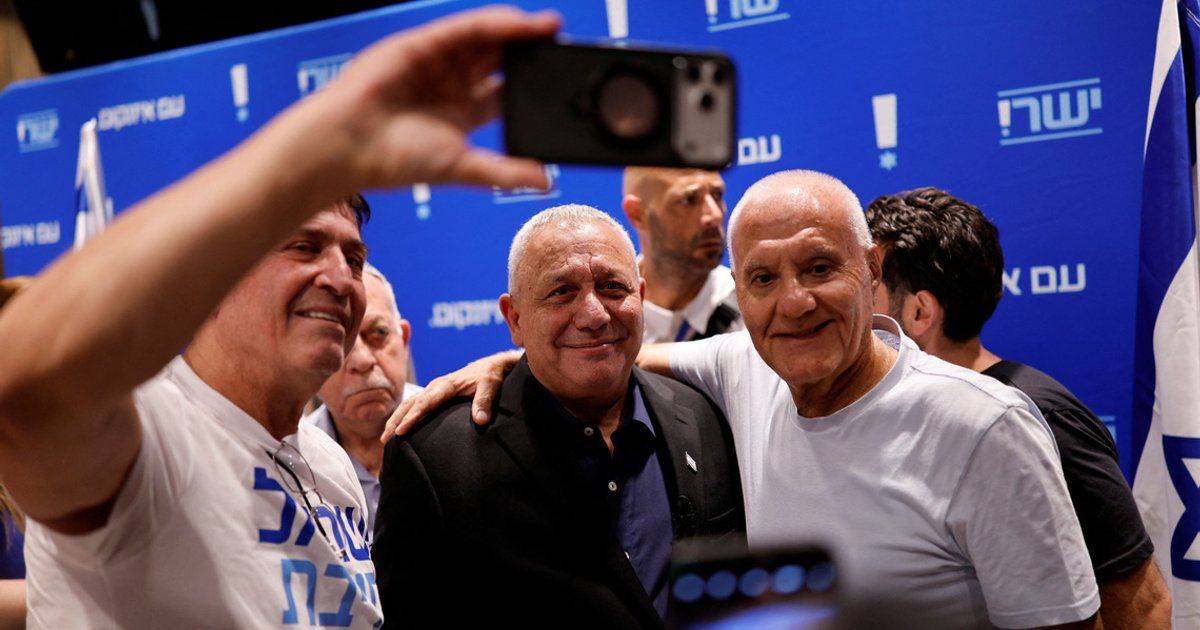
Throughout the Israeli election campaign, the focus has been on two “blocs” – one led by Prime Minister Benjamin Netanyahu and the other opposing him. asserted
focus → lead → him
To the outside observer, the “pro-Netanyahu” and “anti-Netanyahu” labels imply that there are two different visions for the country and that the policies of the next government will depend on which one wins the elections. asserted
one → imply → elections
In countries across the world, different candidates offer different visions for their country during electoral races. asserted
candidates → offer → races
But in Israel, and particularly as it pertains to the Palestinians, this cannot be further from the truth. asserted
this → pertain → truth
Foreign diplomats ask about the future of the mythical “two-state solution” and talk about reconstruction plans in Gaza. asserted
diplomats → ask → Gaza
They assume that Netanyahu is the reason for the lack of progress. asserted
Netanyahu → assume → progress
Without him, everything will change. asserted
everything → change → him
We can only wish. asserted
We → wish → ?
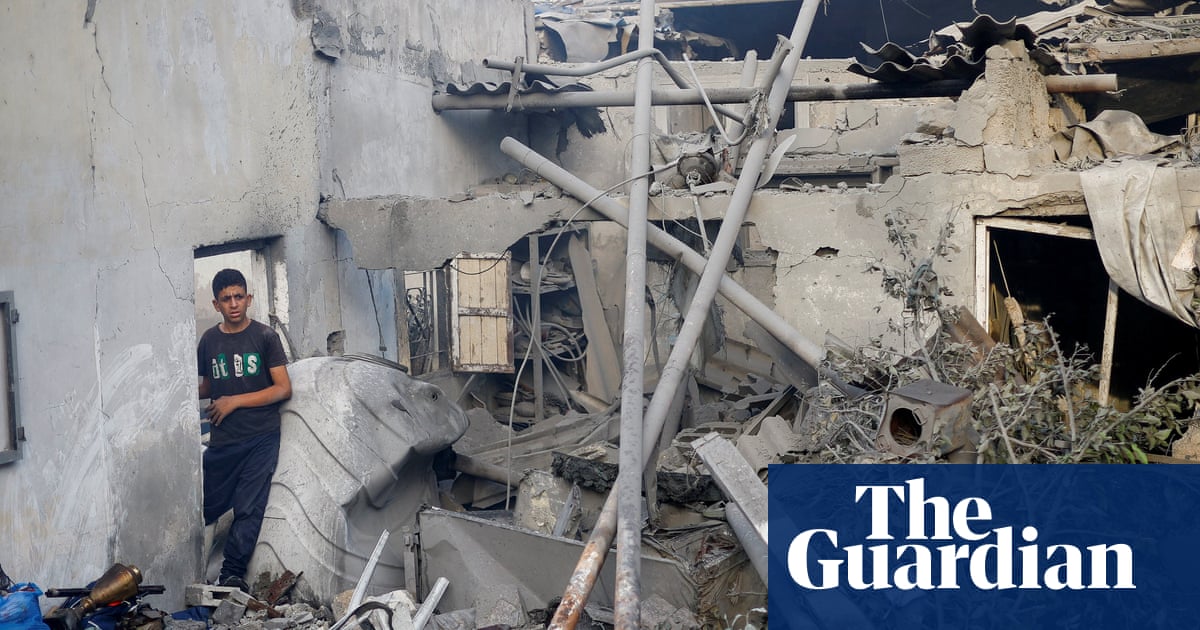
One would think that three years of genocide, pending war crimes indictments, rulings and pending cases at the International Court of Justice as well as the scores of reports documenting Israel’s atrocities would affect the Israeli election. asserted
years → think → election
One would assume that when taking to the polls, Israelis would be thinking of what they have done to Palestinians, what this will breed for the future and, even selfishly, what it means for them. asserted
it → assume → them
Instead, the vast majority of them will vote for candidates who, like them, support the continued denial of freedom for the Palestinians, the continued colonisation of the West Bank, the continued destruction of Gaza, the continued genocide of Palestinians and the continued bombing of and theft of land from neighbouring sovereign nations. asserted
who → vote → nations
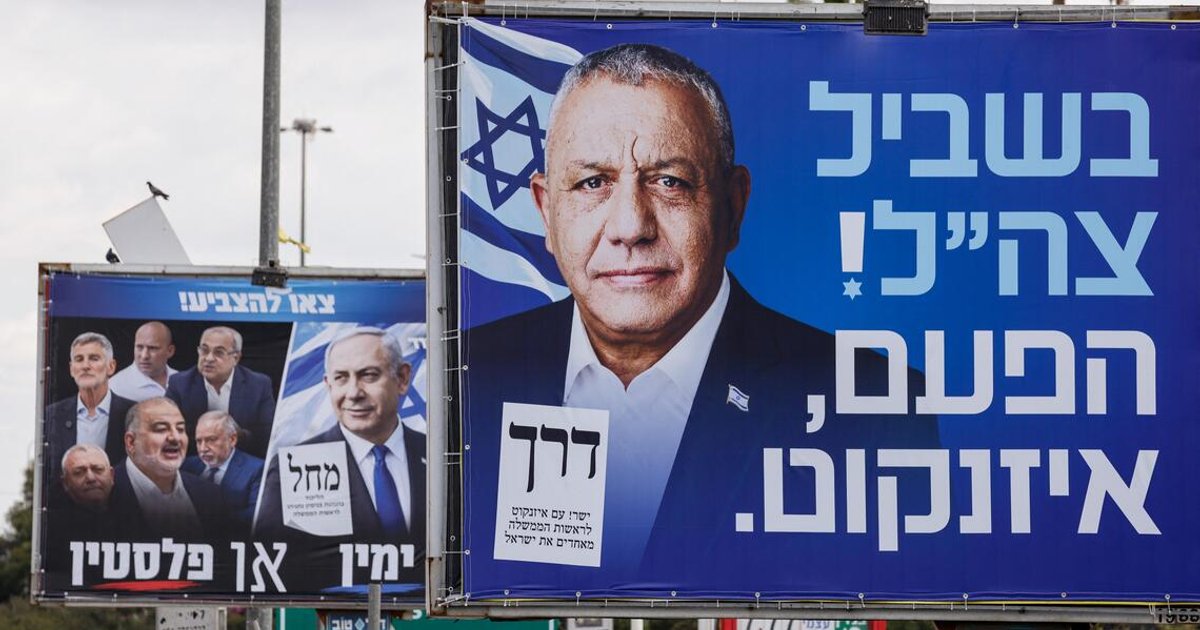
All this is apparent in the slogans and the statements that the candidates have put forward themselves: those supporting Netanyahu have called for Gaza to be flattened, have wished for the occupied West Bank to be turned into Gaza and have proclaimed that there are no innocents among the Palestinians. asserted
Bank → put → Palestinians
Their ads feature bulldozers tearing down Palestinian homes, Palestinians starving and Israeli bombs exploding in civilian areas, with candidates promising even more. asserted
candidates → feature → more
Their positions do not differ. asserted
positions → differ → ?
For example, Avigdor Liberman, a staunch Netanyahu rival, has also long maintained that there are “no innocents in Gaza”. asserted
Liberman → maintain → Gaza
He and members of his party have worked to block food from getting into Gaza and have openly called for the takeover of Lebanon. asserted
He → work → Lebanon
Even members of the opposition, who are considered leftists, like Yair Golan, have criticised the international recognition of Palestine and support Israel’s illegal settlements in the occupied West Bank. asserted
who → consider → Bank
Not a single candidate from the opposition parties supports the establishment of a Palestinian state. asserted
candidate → support → state
Rather, the electoral battle will be over the details: whether the Haredim (ultra-Orthodox) Jews should participate in these wars and how much Palestinians should be punished. asserted
Palestinians → participate → wars
In short, what this coming election may change in Israel is the face of the government, not the policy. uncertain
change → come → government
The question then is what kind of a society overwhelmingly votes for politicians who openly speak about their desire to commit war crimes? asserted
who → vote → crimes
The answer lies in the fact that these crimes have become normalised in Israel, so commonplace that not advocating for them is odd. asserted
advocating → lie → them
Since the establishment of Israel on the ruins of Palestinian homes and through the ethnic cleansing of Palestinians, Israeli society has never faced consequences for its actions, whether those actions were land theft, killing, imprisonment, collective punishment or even genocide. asserted
actions → face → actions
The message the world has sent to Israelis is that they are “in their right” and that all that is needed is even more violence against the Palestinians to get precisely what they want: Palestine without Palestinians. asserted
they → send → Palestinians
So while foreign diplomats and their governments may be viewing the removal of Netanyahu as the solution, this would not resolve the central problem: the belief that Israelis have superior rights; that they can do as they wish to Palestinians and that no one can stop them. uncertain
one → view → them
For far too long, Israel has been told that it can do as it pleases and face no consequences internationally. asserted
it → tell → consequences
Change will not come from within the country. asserted
Change → come → country
It can only come from the outside in the form of consequences. asserted
It → come → consequences
Sanctions, for example, could work. uncertain
Sanctions → work → example
Wide-ranging sanctions that isolate Israel economically and politically and make clear to the Israelis that they do not have the exceptional right to commit atrocities without being held to account. asserted
have → range → account
Regardless of which bloc wins the Israeli elections, the international community must change its policy of silence and accommodation. asserted
community → win → silence
If not, I suspect that “Occupy. Expel. Settle” will not remain a campaign slogan. asserted
I → suspect → ?
It will be a promise that both “blocs” will fulfil. asserted
blocs → fulfil → ?
The views expressed in this article are the author’s own and do not necessarily reflect Al Jazeera’s editorial stance. asserted
views → express → stance

💬Give feedback
🕘History 🎫Support