Brazil's far-right political movement, known as "Bolsonarism", appeared dead in the water less than a year ago.
asserted
movement → know → water
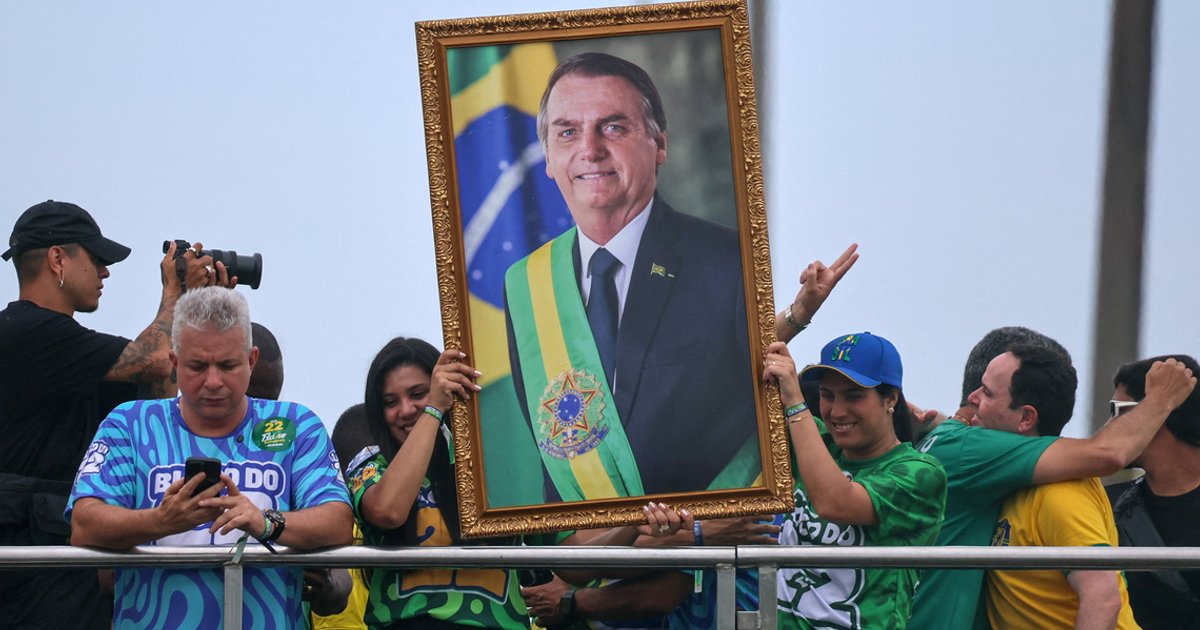
Former president Jair Bolsonaro, the movement's central figure, had just been found guilty of leading a coup attempt two years prior, and begun serving a 27-year sentence at federal police headquarters.
But the movement saw a reversal of fortunes at elections at the start of October, with Bolsonaro's wife, two of his sons, and one of his brothers, winning seats in congressional races.
asserted
wife → find → races
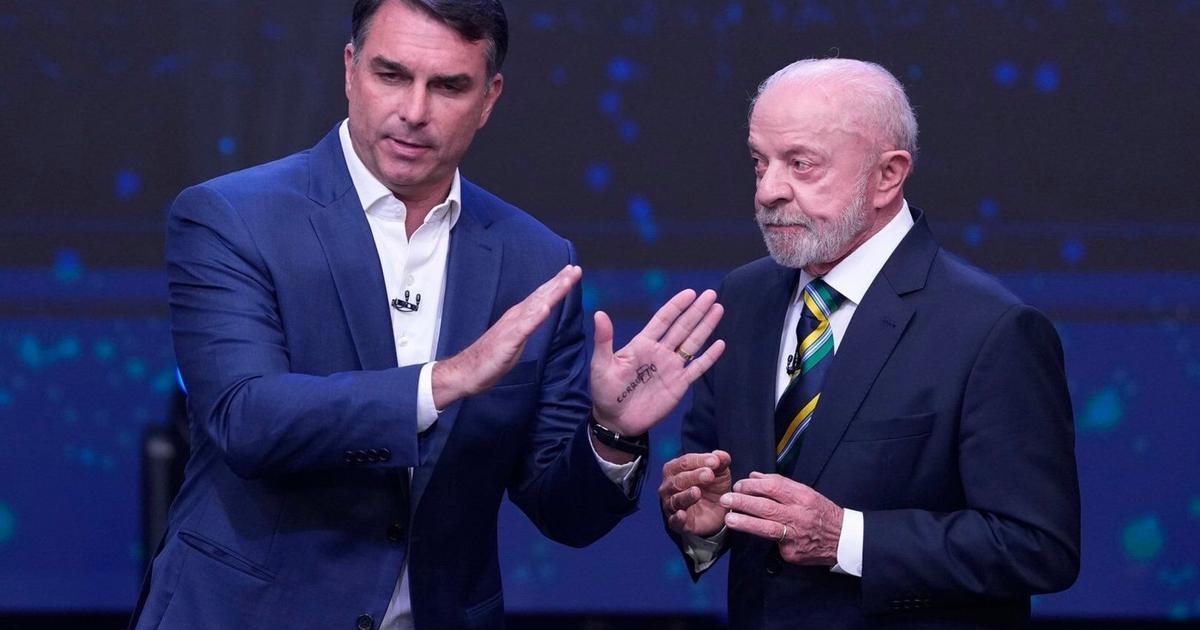
The family's biggest win could still be yet to come, though, as Bolsonaro's eldest son, Flávio, heads to a run-off against leftist President Luiz Inácio Lula da Silva (known worldwide as Lula), after outperforming expectations in the first round on October 4.
uncertain
son → come → October
If he succeeds, Brazil will be the latest Latin American country to lean into a conservative wave that has swept the region since US President Donald Trump returned to office.
asserted
Trump → succeed → office
A former military paratrooper with a fondness for the brutal military dictatorship that ruled Brazil for 21 years to 1985, Jair Bolsonaro was once considered a "fringe figure" in politics.
asserted
Bolsonaro → rule → politics
He served in Congress for almost 30 years before enjoying a surge in popularity during the 2018 presidential election campaign, off the back of a massive corruption scandal involving the Workers' Party, for which Lula was jailed.
asserted
Lula → serve → which
Jair promised change, with policies such as tax cuts across the board, a crackdown on crime, and reducing government intervention in the economy.
asserted
Jair → promise → economy
It was popular enough to unseat the Workers' Party, which had been in power for 15 years.
asserted
which → unseat → years
Deborah Barros Leal Farias, an associate professor at the University of NSW, said his success was an overlap of two key groups: those who liked Jair as a candidate, and those who wanted the Workers' Party out.
asserted
who → say → Party
"A lot of people were tired; just wanting something that was different.
asserted
that → want → something
You had a lot of people who were just willing
asserted
who → have → people
to say, 'Let's give this a shot,'" she said.
asserted
she → say → shot
Maintaining popularity once president proved more difficult, and in 2022, Jair lost his re-election bid to Lula, who finished his jail sentence in 2018.
asserted
who → maintain → 2018
Toward the end of his term, Jair and his close aides began drafting decrees to stay in power and a plot to assassinate the president-elect.
asserted
Jair → begin → elect
Neither the assassination plot, nor the draft decrees, were successfully executed, but in 2025, Jair was convicted for his involvement, and for inciting riots that occurred the week after Lula's 2023 inauguration.
asserted
that → execute → inauguration
The next generation
Jair might have been jailed, but the discontentment he once captured had not wavered.
uncertain
he → jail → ?
Lula's approval rating was suffering over crime rates and cost of living, some of which could be attributed to excessive spending by the administration.
uncertain
some → suffer → administration
A large voting block entered the campaign season with one priority: anyone but Lula.
asserted
block → enter → Lula
"Even though, for a while, those who loved Bolsonaro weren't as loud, the voice of those who do not want the Workers' Party remained constant," Dr Barros Leal Farias said.
asserted
Farias → love → Party
The Bolsonaro clan saw an opportunity for a comeback in Flávio.
asserted
clan → see → Flávio
He is not without his own corruption allegations, but experts say Flávio pitching himself as an alternative to Lula, and a moderate version of his father, was potent enough for many to look past his previous scandals.
asserted
many → say → scandals
"Lula's voters look at Bolsonaro's family and associate it with an attempted coup, [and] the behaviour around COVID during the pandemic … [ but] the same happens on the other side," political analyst Thiago de Aragão said.
asserted
Aragão → look → side
"Bolsonaro voters looking at Lula remember when he was arrested, and the corruption scandals.
"
asserted
he → look → Lula
This gave very little margin of change from both sides.
asserted
This → give → sides
The polarisation has left the presidential hopefuls fighting for a very small voting block ahead of the election: about 8 per cent of those who cast votes for now-eliminated candidates in the first round.
asserted
who → leave → round
Those eliminated candidates were mostly right wing, Mr de Aragão said, meaning many would likely flow to Flávio.
asserted
many → eliminate → Flávio
Opinion polls published since the first round of the election suggest Flávio has held a narrow lead over Lula.
asserted
Flávio → publish → Lula
The Trump factor
The US has remained publicly neutral during democratic election cycles in Latin America since the Cold War ended.
But it has taken a more active stance in recent years, with Mr Trump publicly endorsing several allied right-wing candidates.
asserted
Trump → remain → candidates
The Trump administration has stated its intention to revive an 1823 policy called the Monroe Doctrine to "restore American [US] pre-eminence in the Western Hemisphere".
asserted
administration → state → Hemisphere
"We want other nations to see us as their partner of first choice, and we will [through various means] discourage their collaboration with others," the document reads.
asserted
document → want → others
Mr Trump stopped just short of endorsing Flávio in the Brazilian election but has maintained close public ties with the Bolsonaros.
asserted
Trump → stop → Bolsonaros
He met with Flávio at the White House in June and lauded the 45-year-old for his "big victory" of advancing to the runoff against Lula.
asserted
He → meet → Lula
The election comes at a time when Brazil wrestles with whether to further align itself with China.
asserted
Brazil → come → China
It's a shift many other countries in the region have already pursued as Latin America's so-called "pink tide" recedes and conservative leaders seek friendships with the US.
asserted
leaders → pursue → US
Dr Barros Leal Farias said a shift right appeared to be the "Zeitgeist" across Latin America.
asserted
shift → say → America
In Latin America for the last 150 years at least, there's been this sense of some governments wanting to get closer to the US because they think that's going to be the best for their country, and others saying, 'No, if we want to really improve our country, we have to move away from the US.'
asserted
we → be → US
The conservative shift is something Flávio would continue for Brazil.
asserted
Flávio → continue → Brazil
"[Brazil's] relationship … with China today is not a positive relationship … because Brazil is excessively dependant on China [absorbing agricultural exports]," Mr de Aragão said.
asserted
Aragão → absorb → exports
"What we will see is, Brazil more aligned with the US in terms of narratives, especially narratives against conceptual enemies, as long as China is not one of those."
Interference allegations
Ahead of the first round of voting, Lula and his allies warned of foreign interference in the election, pointing to tariffs, embassy closures, and an effort by Washington to send officials to Brazil to "discuss electoral integrity".
The US suspended consular services on October 2, citing security concerns, though Brazil's federal police said they had found no evidence of security threats.
Edinho Silva, president of Lula's Workers' Party, said the closures were "unprecedented" and made "no sense at all".
"It's one of Trump's ways of trying to influence Brazilian public opinion," he said.
asserted
he → see → opinion
The US Department of State has denied claims of election interference.
uncertain
Department → deny → interference
…and 3 more, not listed.
 The Aporia