That is 0 articles you have read today.
The Aporia is free and carries no advertising, so readers are the only
thing paying for it. If you are getting this much out of it, a small
donation is what keeps it independent.
Daily limit reached
You have read 0 articles today.
That is more than the 15 a day The Aporia gives away,
and well past what it can carry on nothing. Your allowance resets at
midnight.
There is no advertising here and nothing about you is sold, so readers
are the only thing paying for it. If the site is worth this much of
your day, it is worth a few dollars.
Everything else stays open: the
maps, the
directory and
search do
not count against this, and neither does re-opening something you have
already read today.
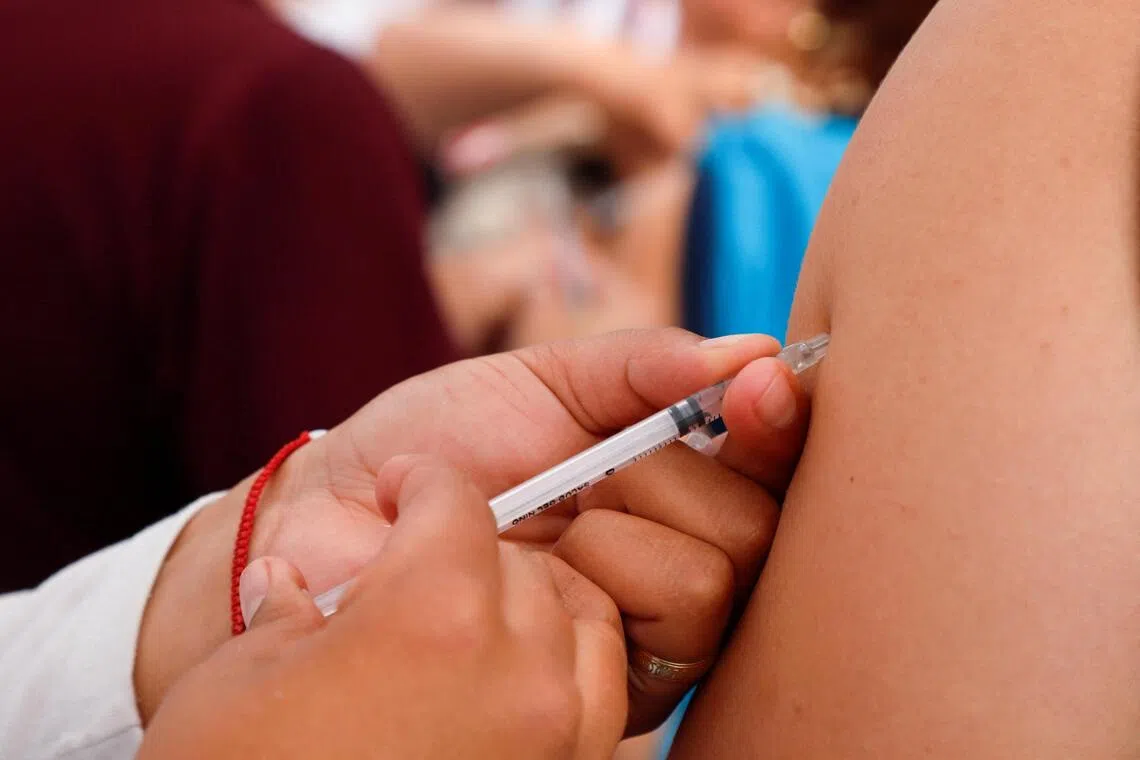
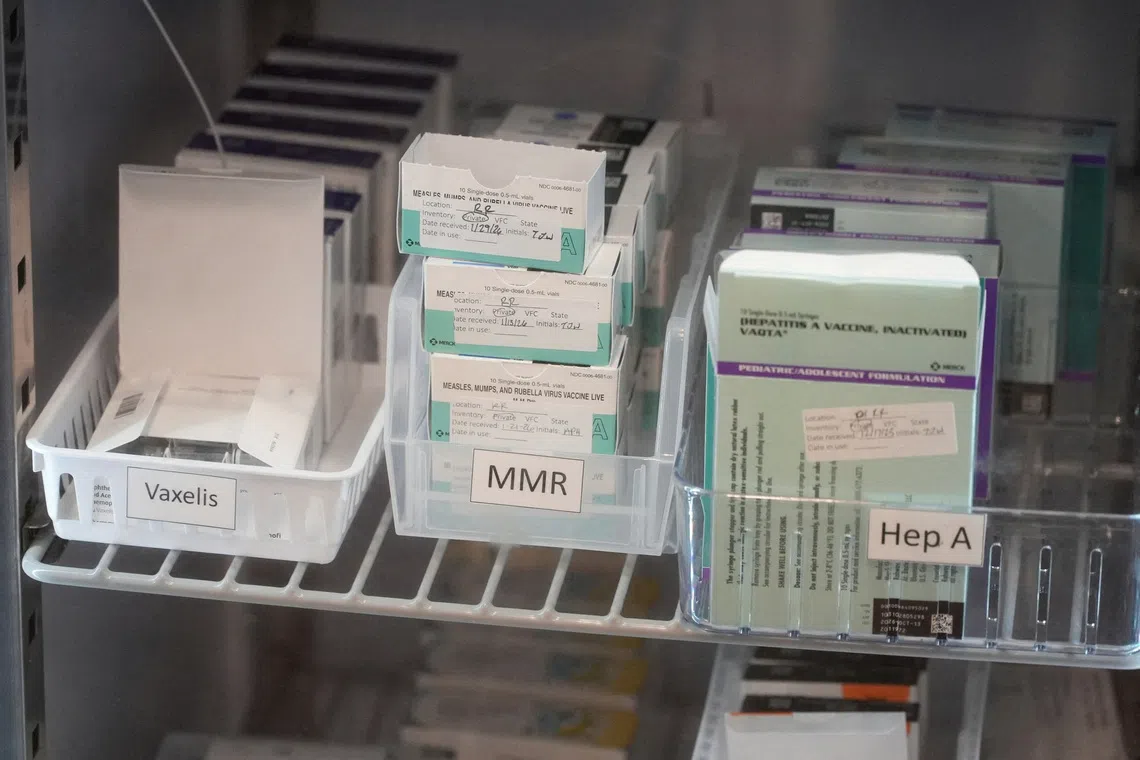
Bill Gates told Reuters in an interview that vaccine hesitancy in wealthy countries has made eradicating measles globally impossible. He attributes this trend partly to influence from figures like Robert F. Kennedy Jr., who have promoted skepticism towards vaccines for decades. The Microsoft co-founder emphasized the rise in measles cases in developed nations due to declining vaccination rates, contrasting it with stable immunization levels in lower-income regions where the disease remains more deadly due to poor nutrition and healthcare systems.
Written by the local model on 2026-09-15,
using this article's own text rather than the other coverage of the
same event (that is the story summary below).
Story summary
Bill Gates told Reuters that eradicating measles globally is no longer feasible due to increasing vaccine hesitancy in wealthy countries. The Microsoft co-founder and philanthropist previously aimed to eliminate the disease with his foundation but now deems it unattainable because of growing skepticism promoted by figures like Robert F. Kennedy Jr in the United States under President Donald Trump's administration. Gates noted that while around 2 million children died annually before the measles vaccine was introduced in the 1960s, currently about 100,000 children die each year from the disease, largely due to lack of vaccination. He considers this a tragic development for global public health efforts.
Written for “Measles Vaccine Hesitancy” on 2026-09-17,
grounded in this article and the 0 other(s) covering the same event.
Why this leaning score
The article's own words the score was based on. Each is quoted
verbatim and was checked against the article text before being
stored, so you can find it in the original.
Leaning score -0.35 for article 10229 (high confidence, 1 verified quote) · logged 2026-09-15
Wiping out measles impossible due to vaccine hesitancy in rich countries
asserted
Wiping → wipe → countries
, says Bill Gates
AI
asserted
Gates → say → ?
LONDON - Vaccine hesitancy in rich countries means ending measles as a global public health threat is not currently possible
asserted
ending → mean → threat
, Bill Gates told Reuters in an interview.
asserted
Gates → tell → interview
The Microsoft co-founder turned billionaire philanthropist said wiping out the killer childhood disease had previously been a potential goal for his eponymous foundation, which focuses on global health and the world’s poorest people.
asserted
which → turn → health
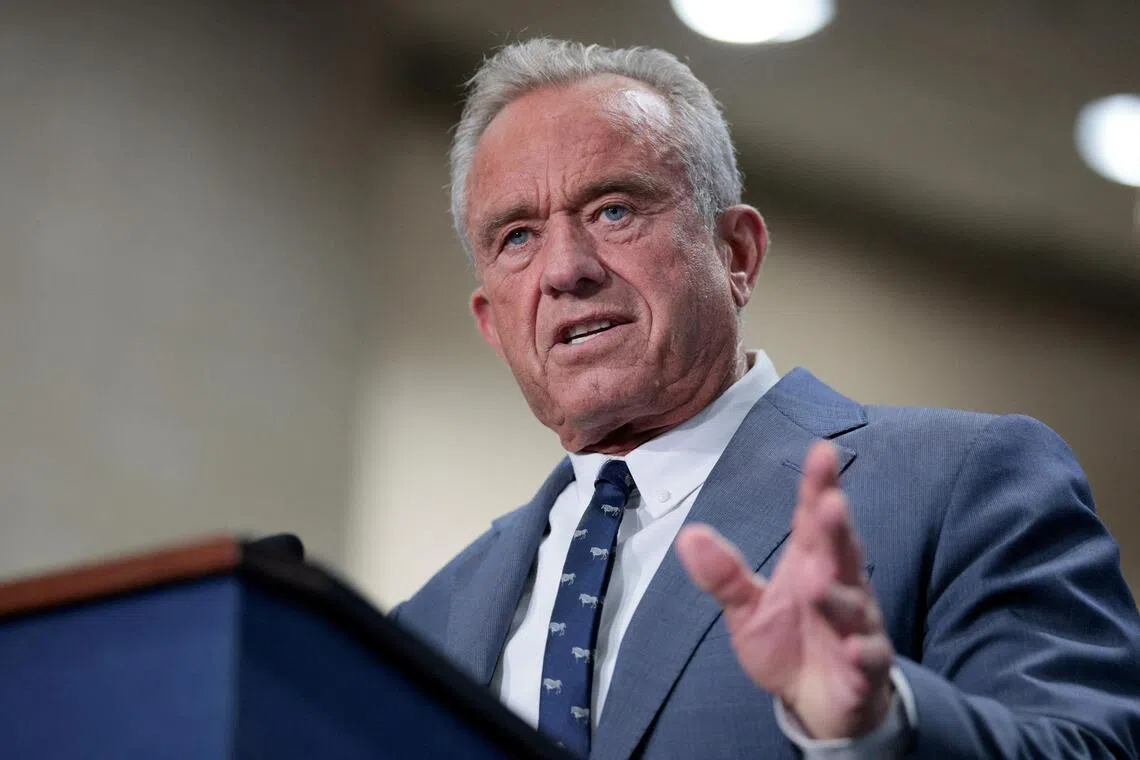
But it was now off the table due to increased vaccine hesitancy in wealthier nations, part of a wave of scepticism championed for decades by the now health secretary in the United States under President Donald Trump, Robert F. Kennedy Jr.
“At one point, the foundation wanted to eradicate measles, but the vaccine hesitancy in rich countries has meant that’s not on our list of goals,” Gates said.
asserted
Gates → increase → goals
“I think that’s kind of tragic.”
asserted
that → think → ?
Measles, among the world’s most contagious diseases, causes a high fever, a cough and a tell-tale rash.
asserted
Measles → cause → fever
The virus killed around 2 million children every year before the introduction of a vaccine in the 1960s.
asserted
virus → kill → 1960s
Nowadays, around 100,000 children die annually, largely in countries where conflict or logistics make immunisation difficult.
asserted
immunisation → die → countries
The WHO says vaccination rates need to be above 95 per cent to prevent outbreaks.
But recent years have also seen a surge in cases in countries where the disease was almost forgotten, including in the United States and Europe, as vaccination rates have fallen.
asserted
rates → say → States
Gates said that vaccine hesitancy had at least not spread to lower-income countries, where measles can be much deadlier than in richer countries due to malnutrition and healthcare gaps.
asserted
measles → say → malnutrition
“There’s always that concern that if you have doubters in the US, that becomes a global thing,” he said.
asserted
he → ’ → US
“But we haven’t seen an increase in vaccine hesitancy in the countries the foundation works in.”
asserted
foundation → see → countries
Aid cuts
Gates was speaking ahead of the foundation’s annual Goalkeepers event, which looks at progress towards the United Nations global development goals set for 2030, including on improving health.
asserted
which → speak → health
In 2025’s report, Gates warned of the impact of aid cuts led by Trump’s administration, and followed by other wealthy countries like Britain and Germany, on the health of the world’s poorest.
asserted
Gates → warn → world
For 2026, he said the cuts had likely caused many deaths, but the restoration of some money had prevented the worst-case scenario.
asserted
restoration → say → scenario
Efforts from impacted countries and other health groups also held off disaster, as Reuters has reported.
“The most dire predictions, which went above 10 million deaths, we don’t see that taking place,” Gates said, adding that he continued to urge governments to restore aid or at least not cut it further.
asserted
he → impact → it
“It’s still a very tragic situation.”
asserted
It → ’ → ?
 The Aporia