Iran war could worsen after US midterms

Read the original at The Straits Times ↗
Cite

Velloor, R. (2026, October 23). Iran war could worsen after US midterms. The Straits Times. https://www.straitstimes.com/world/iran-war-could-worsen-after-u-s-midterms

Dated from the outlet's own feed. Check the original for its byline.

The Straits Times · collected 2026-10-23 · by Ravi Velloor

Quick Summary

Professor Vali Nasr, a leading expert on Iran, warns that the ongoing conflict between the United States and Iran could intensify following the U.S. midterm elections. He suggests that Tehran’s demands have become more rigid since President Trump failed to secure a lasting ceasefire in June. With the possibility of legislative oversight after January, Trump has a three-month window to either negotiate peace or escalate military action against Iran. Nasr emphasizes that neither side can sustain the current conflict indefinitely, posing significant risks for global economic stability and regional security.
Written locally by qwen2.5:14b on 2026-10-23, using this article's own text rather than the other coverage of the same event (that is the story summary below).

AI analysis runs on qwen2.5:14b, locally

Story summary

As of October 23, 2026, Professor Vali Nasr, an expert on Iran, warns that the ongoing conflict between the US and Iran could escalate after the US midterm elections. According to Nasr, President Donald Trump has a three-month window post-midterms before Congress reconvenes in January to either negotiate peace or take military action against Iran without legislative oversight. The situation is currently at an "inconclusive holding pattern," with Tehran's demands becoming more stringent since the failed June agreement for a 60-day ceasefire. This agreement, brokered in Islamabad, included releasing frozen Iranian funds and allowing oil exports but was ultimately unsuccessful. Nasr suggests that the conflict could either intensify through further military engagement or continue to drag on without resolution.

Written for “US Midterms And Iran War Concerns” on 2026-10-23, grounded in this article and the 0 other(s) covering the same event.
Why this leaning score
The model judged this article politically coded and scored it -0.35, but all 3 of its quote(s) are attributed speech - words the article quotes from someone, not the article's own narration, so the score is not published.
Written under an earlier scoring contract, which gave a paragraph rather than checkable quotes. Re-analysing this article replaces it.
Leaning score withheld for article 101263: attributed speech only · logged 2026-10-23

Story

📰 US Midterms And Iran War Concerns
Politics · 1 article(s) covering the same event.

Compared with similar articles

This article reads unscored and hedges 17% of its claims. Each row says how that neighbour differs.
The Hindu
⚖️ leaning not scored 🔴 18% hedged 2 of 11 📰 publisher trust 77
“Article A reports on a threat made by Iran's new Defence Minister in response to potential U.S. attacks, while Article B discusses broader geopolitical analysis of the Iran-US conflict post-U.S. midterm elections.”
Al Jazeera
⚖️ leaning not scored 🔴 0% hedged 0 of 2 📰 publisher trust 60
“The articles discuss different aspects of the broader situation between Iran and Israel/US at distinct times.”
The Straits Times
⚖️ leaning not scored 🔴 9% hedged 3 of 33 📰 publisher trust 68
“The articles discuss related geopolitical situations but describe different aspects and developments over time.”
The Straits Times
⚖️ leaning not scored 🔴 12% hedged 2 of 16 📰 publisher trust 68
“The articles discuss different aspects of the ongoing tensions between the US and Iran, with Article A focusing on Iran's demands for lifting the naval blockade to prove a sincere desire for peace, while Article B discusses broader geopolitical concerns post-US midterm elections.”
The Sydney Morning Herald
⚖️ Leans right 🔴 24% hedged 12 of 51 📰 publisher trust 61
“The articles discuss potential future actions and the current state of relations between Iran and the US/Israel, but they do not describe the same specific incident occurring at a particular time and place.”
Times of India
⚖️ leaning not scored 🔴 40% hedged 19 of 47 📰 publisher trust 59
“While both articles discuss potential military action against Iran and tensions following US midterm elections, Article A specifically reports on prepared plans for strikes by the US and Israel, while Article B discusses broader expert analysis of the situation without mentioning specific new plans.”
The Straits Times
⚖️ Centre 🔴 22% hedged 4 of 18 📰 publisher trust 68
“Article A discusses specific plans for renewed strikes against Iran by the US and Israel after American elections, while Article B provides a broader analysis of the current state of the Iran-US conflict post-midterm elections.”
Euronews
⚖️ Leans right 🔴 25% hedged 7 of 28 📰 publisher trust 60
“The articles discuss potential future conflict scenarios related to US midterm elections and tensions with Iran but do not describe a single specific incident occurring at the same time.”
Semafor
⚖️ leaning not scored 🔴 3% hedged 1 of 31 📰 publisher trust 60
“The articles discuss different aspects of US-Iran relations without clearly describing the same specific incident.”
How this article was measured signals, leaning charts, publisher record, byline, topics and claims

Signals How these are calculated →

Claims extracted
48
sentences that state something as happening or true
Uncertain
17%
8 of 48 hedged ("reportedly", "may", "according to")
Leaning
withheld
no quote in the article backed the model's score
Publisher signals
68/100
The Straits Times's corrections and hedging, across everything collected from it. Not a measure of accuracy.
Outlets on this story
1
Politics
Same framing elsewhere
1
articles that frame the event the way this one does
Analyzed 2026-10-23 · how these are computed

How this is being covered How these are calculated →

Article leaning vs. publisher reliability
Source leaning vs. consistency

Publisher

The Straits Times · 3413 article(s) · 4 correction(s) detected
Running correction rate · 4 correction(s)

Who wrote this

Ravi Velloor
1 article(s) here · 1 carrying a prediction
🔮 Iran war could worsen after US midterms AI generated SINGAPORE -
2026-10-23 · assertive framing · Iran war could worsen after US midterms
The only article under this byline in the corpus.

Topics

Iran SINGAPORE Tehran United States the US

Subjects

Iran GPE · 15× Trump PERSON · 4× Nasr PERSON · 3× Tehran GPE · 3× Iranian NORP · 2× Israeli NORP · 2× SINGAPORE GPE · 1× United States GPE · 1× Vali Nasr PERSON · 1× the US ORG · 1×

Narrative

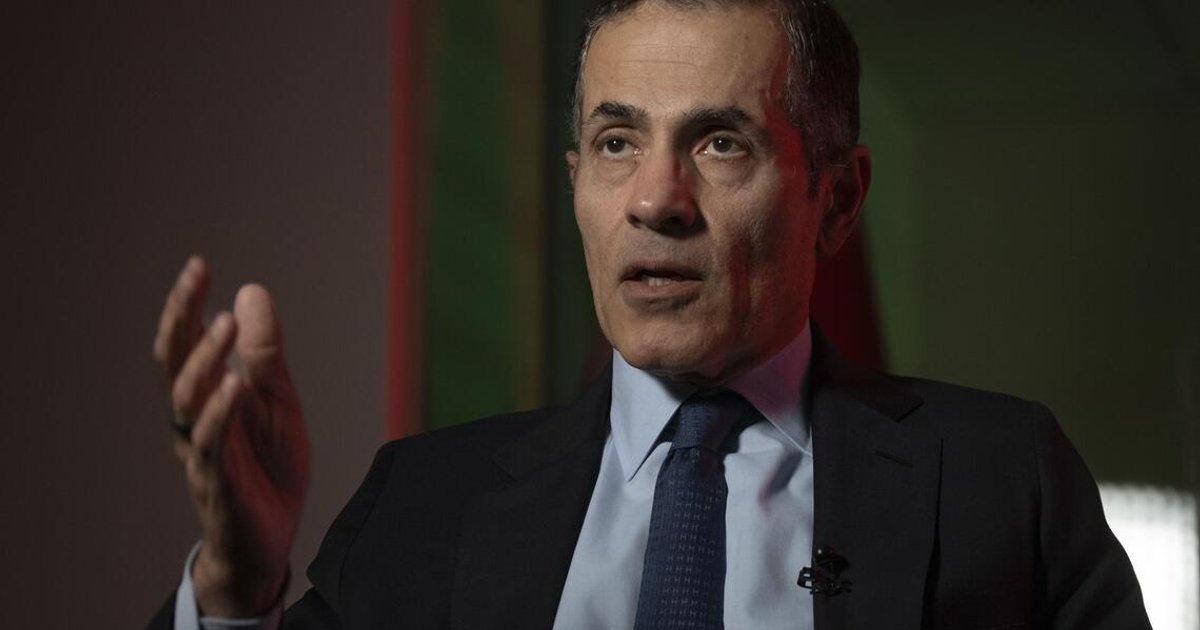
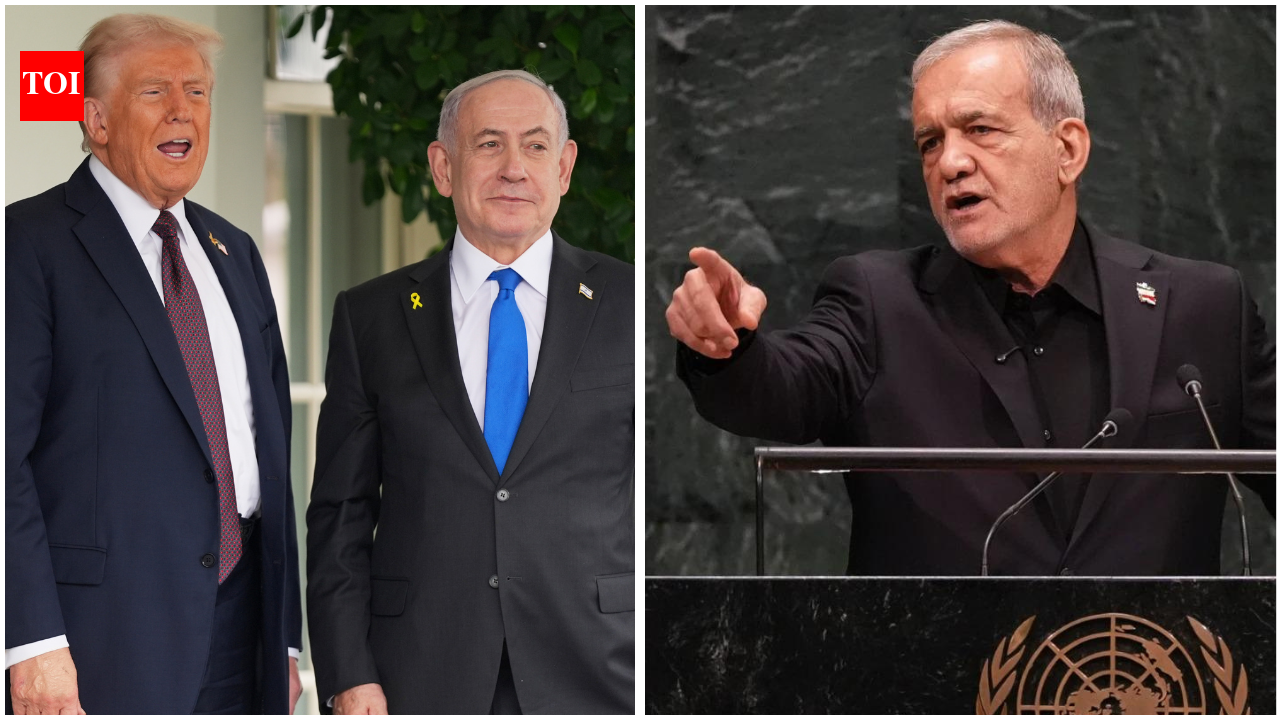
Interviewed for The Straits Times Asian Insider podcast, Nasr noted that US President Donald Trump will either have to negotiate peace with Iran, or strike forcefully – and he has a three-month window between the midterm elections and before the US Congress convenes next January, to do things his chosen way, without legislative oversight.
framing: assertive · carried by 1 article(s) · first seen 2026-10-23
🔮 Iran war could worsen after US midterms AI generated SINGAPORE -
2026-10-23 · The Straits Times
Iran war could worsen after US midterms · assertive framing

Claims (48 extracted, 8 hedged)

Iran war could worsen after US midterms AI generated SINGAPORE - uncertain
war → worsen → midterms
The US and Iran war is in an “inconclusive holding pattern”, and there’s no knowing which way the situation might go once the United States midterm elections are over, more so since Tehran’s demands have hardened. uncertain
demands → ’ → way
That’s the word from Professor Vali Nasr, one of the world’s most renowned experts on Iran and a former adviser to the US State Department. asserted
That → ’ → Department
“President Trump was forced into a memorandum of understanding which actually looked very much to be in Iran’s favour. asserted
which → force → favour
Since then, he has been trying to claw back what the US lost in those first 40 days,” says Nasr, referring to the failed June agreement for a 60-day ceasefire. asserted
Nasr → try → ceasefire
“This can be resolved by them going into another bout of war. asserted
them → resolve → war
Or they can do what they have been doing, grinding this (out) going forward. asserted
they → do → this
The Iranians are now asking for more than they asked for in June.” asserted
they → ask → June
The 14-point agreement, reached in Islamabad, undertook to release substantial frozen funds of Iran, allowed Iran to resume oil exports, and envisaged a massive reconstruction fund for Iran. asserted
Iran → reach → Iran
Tehran reaffirmed its commitment to never acquire or develop nuclear weapons and to allow the International Atomic Energy Agency to supervise the blending down of its uranium stockpile. asserted
Agency → reaffirm → stockpile
Asked whether he thought Tehran may be overplaying its hand, he responded: “They don’t think they are overplaying their hand. uncertain
they → ask → hand
They think they have a winning hand, and they want to get something big out of this war.” asserted
they → think → war
At the same time, he pointed out that Iran could not withstand the economic blockade indefinitely, nor continue resisting military attacks as it has. uncertain
it → point → attacks
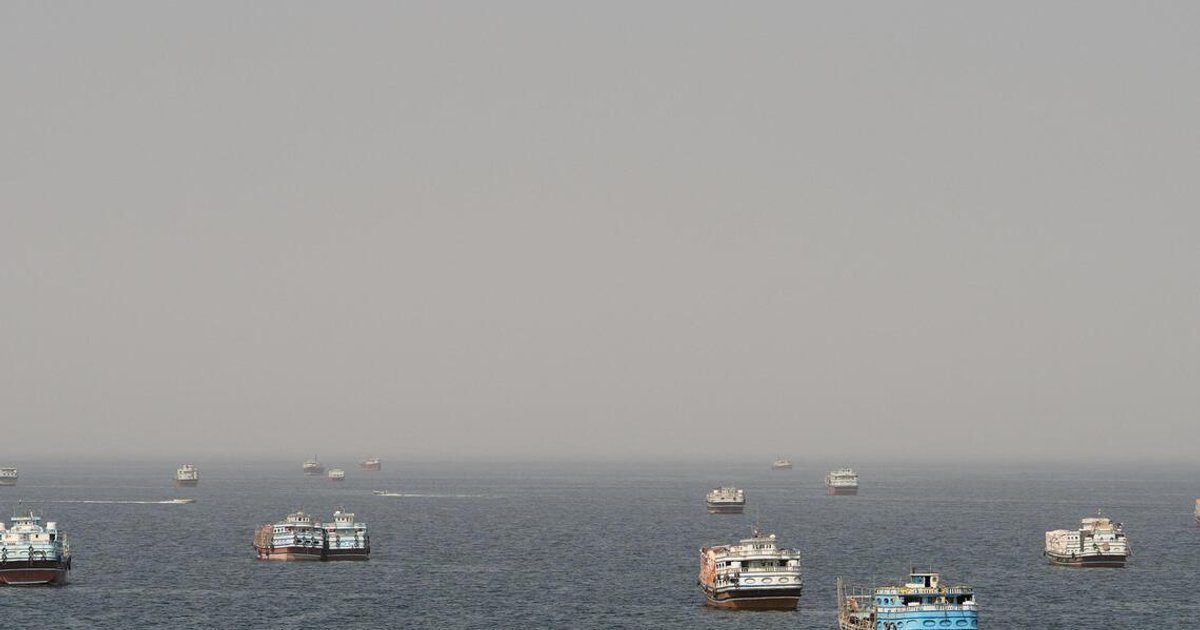
Neither is the war sustainable for the global economy with the Strait of Hormuz all but closed and Gulf economies held hostage to inconclusive hostilities. asserted
economies → close → hostilities
Interviewed for The Straits Times Asian Insider podcast, Nasr noted that US President Donald Trump will either have to negotiate peace with Iran, or strike forcefully – and he has a three-month window between the midterm elections and before the US Congress convenes next January, to do things his chosen way, without legislative oversight. asserted
Congress → interview → oversight
“My own sense is that it is not easy for the US and Iran to arrive at an agreement,” says Vasr. asserted
Vasr → arrive → agreement
“So, we are inching our way to a resumption of conflict.” asserted
we → inch → conflict
The Iran-born scholar, educated in the UK and the US, is a senior academic at Johns Hopkins University's School of Advanced International Studies. asserted
scholar → bear → Studies
Nasr served the Obama administration as an adviser on Iran and has been a member of the State Department’s Foreign Affairs Policy Board. asserted
Nasr → serve → Board
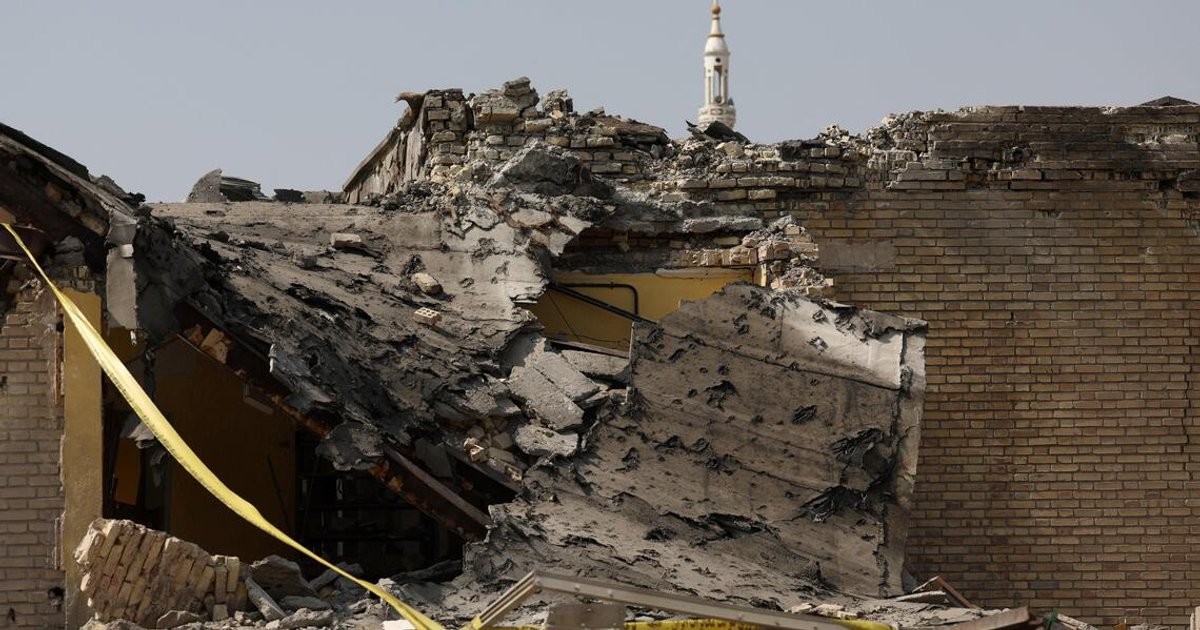
Speculation is mounting that Trump, chafing from the ignominy of the battlefield reversals that Iran’s drones and missiles have wreaked on American bases in the West Asian region, will unleash the most heinous weapons on Iran. asserted
drones → mount → Iran
There is also talk that the US and Israel have agreed to escalate, particularly after the Houthi attacks on Saudi Arabia. asserted
US → be → Arabia
On Oct 19, US War Secretary Pete Hegseth reportedly held unannounced discussions with Israeli Prime Minister Benjamin Netanyahu at an air force station in the Negev desert. uncertain
Hegseth → hold → desert
After Trump backed Netanyahu to win next week’s Israeli national polls, the premier responded warmly about “completing the mission we had started together”. asserted
we → back → mission
US midterms are scheduled for Nov 3, and surveys suggest a Democratic victory is on the cards. asserted
victory → schedule → cards
Israelis go to the polls on Oct. 27 to elect a new parliament. asserted
Israelis → go → parliament
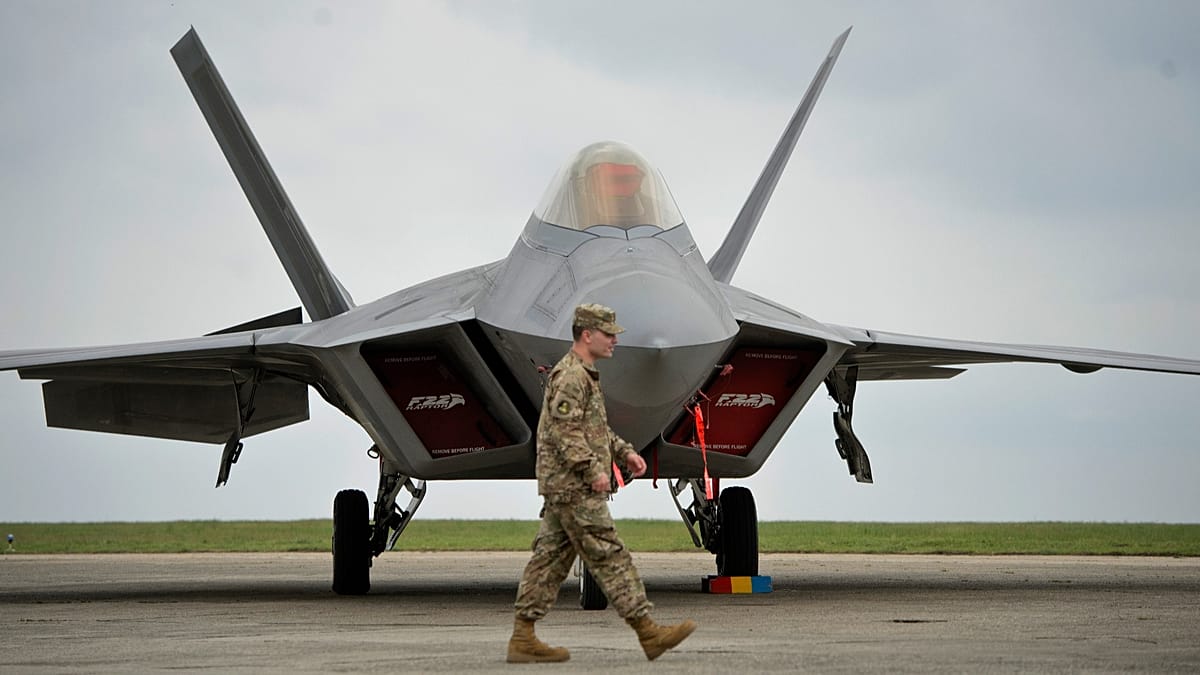
Depleted ammunition stocks notwithstanding, the US retains the firepower to inflict crippling damage on Iran. asserted
US → deplete → Iran
While the use of nuclear weapons has been ruled out by Trump, his options include dumping massive ordnance – “the mother of all bombs” – on Iranian infrastructure such as power and desalination plants. asserted
options → rule → plants
Yet, doing so is tempered by the knowledge that it would embolden Russia and China to consider similar means themselves, in their respective domains. asserted
it → do → domains
“Iranians have been saying it very openly…that when the dust settles, we won’t be the only people going down. asserted
we → say → it
Others will, too, and that will have great consequences for the global economy,” Nasr says, adding that Trump is caught between governments advising caution and others egging him on to “finish the job”. asserted
Trump → have → job
“Americans are not comfortable with the image of losing.” asserted
Americans → lose → losing
As for US influence in the West Asian region, Nasr says Washington’s inability to protect Gulf states – most recently Saudi Arabia – has evaporated confidence in the American security umbrella. asserted
inability → say → umbrella
“The US brought a war to their doorsteps in which the Gulf states became collateral damage. asserted
states → bring → which
Then, the US proved incapable and unwilling to defend them… asserted
US → prove → them
they could not (even) defend their own bases.” uncertain
they → defend → bases
A result of all this is that every country in the region will recalculate its security requirements. asserted
country → recalculate → requirements
Indeed, it is time to think of the West Asian region as you would of Nato and Europe, with Trump “jumping over Europe to shake hands with (Russian President Vladimir) Putin, and wanting Ukraine to surrender. asserted
Ukraine → think → Putin
While outside powers such as China and Russia will not hasten to fill this gap until they define their interests in the region more clearly, the setback to US influence is considerable. asserted
setback → hasten → influence
“Already, China has won,” said Nasr. asserted
Nasr → win → ?
“Chinese do not need to step in and do what the Americans did – the very fact that there is less American influence is to their benefit. asserted
fact → need → benefit
…and 8 more, not listed.

💬Give feedback
🕘History 🎫Support