That is 0 articles you have read today.
The Aporia is free and carries no advertising, so readers are the only
thing paying for it. If you are getting this much out of it, a small
donation is what keeps it independent.
Daily limit reached
You have read 0 articles today.
That is more than the 15 a day The Aporia gives away,
and well past what it can carry on nothing. Your allowance resets at
midnight.
There is no advertising here and nothing about you is sold, so readers
are the only thing paying for it. If the site is worth this much of
your day, it is worth a few dollars.
Everything else stays open: the
maps, the
directory and
search do
not count against this, and neither does re-opening something you have
already read today.
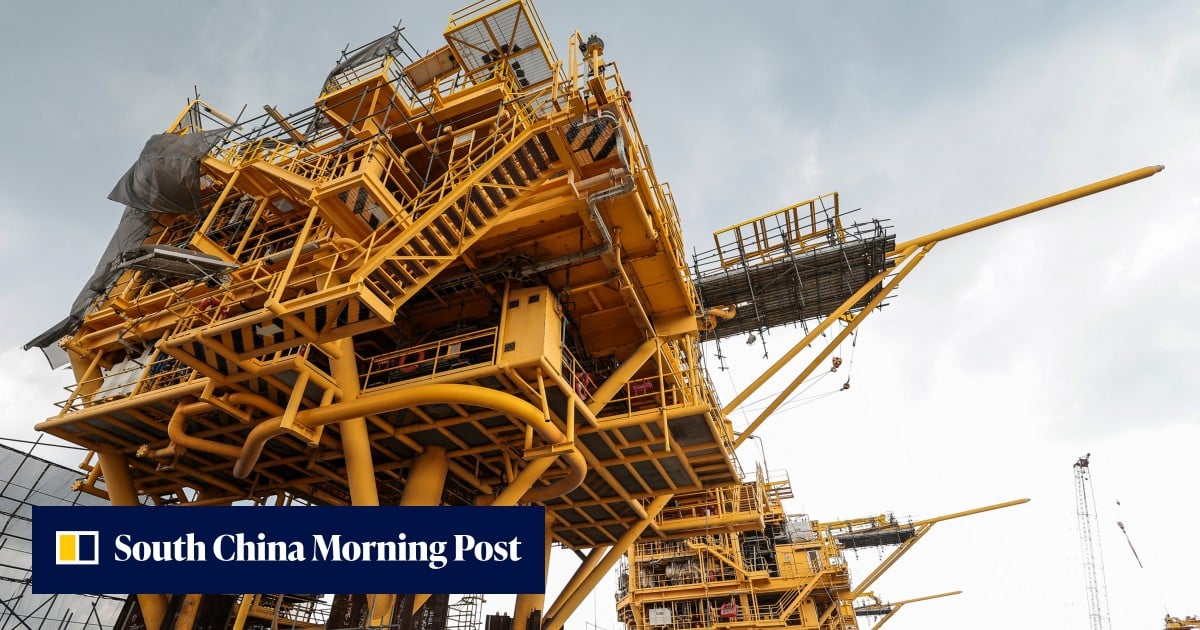
Cambodia and Thailand have brought their dispute over oil- and gas-rich seabed territory worth an estimated US$300 billion to the Permanent Court of Arbitration in Singapore. The conciliation commission under the United Nations Convention on the Law of the Sea is handling this case, which involves 27,000 square kilometers of waters in the Gulf of Thailand. This marks only the second time in history that the UNCLOS conciliation process has been invoked, following a similar dispute between East Timor and Australia that lasted nearly two years.
Written by the local model on 2026-09-15,
using this article's own text rather than the other coverage of the
same event (that is the story summary below).
Story summary
Cambodia and Thailand are using a rarely invoked UN legal process through the Permanent Court of Arbitration’s office in Singapore to settle their dispute over control of 27,000 square kilometers of oil- and gas-rich waters in the Gulf of Thailand. This area is estimated to contain hydrocarbon reserves worth an estimated US$300 billion. The United Nations Convention on the Law of the Sea’s conciliation commission is mediating this conflict, which is only the second time in Unclos’ history that this process has been used; the first case was between East Timor and Australia in 2016, taking nearly two years to resolve.
Written for “Cambodia Thailand Seabed Dispute” on 2026-09-17,
grounded in this article and the 0 other(s) covering the same event.
Why this leaning score
This article does not take a side on a contested political
question, so it has no leaning score. That is an
answer rather than a gap: a match report or a rescue can be warmly
or critically written without being left or right, and scoring it
anyway is how approval of a subject gets recorded as a political
position.
No political leaning scored for article 10088 · logged 2026-09-15
Cambodia, Thailand take US$300 billion seabed dispute to UN
asserted
Cambodia → take → UN
A rarely invoked UN legal process is trying to untangle the two countries’ row over 27,000 sq km of oil- and gas-rich waters
The venue was the Permanent Court of Arbitration’s Singapore office, where the United Nations Convention on the Law of the Sea’s conciliation commission is being asked to settle who controls a stretch of the Gulf of Thailand with hydrocarbon reserves worth an estimated US$300 billion.
asserted
who → invoke → reserves
It is only the second time in Unclos’ history that the conciliation process has been used.
asserted
process → use → history
The first, initiated by East Timor against Australia in 2016, took nearly two years to resolve.
asserted
first → initiate → years
 The Aporia