Photo via The Straits Times

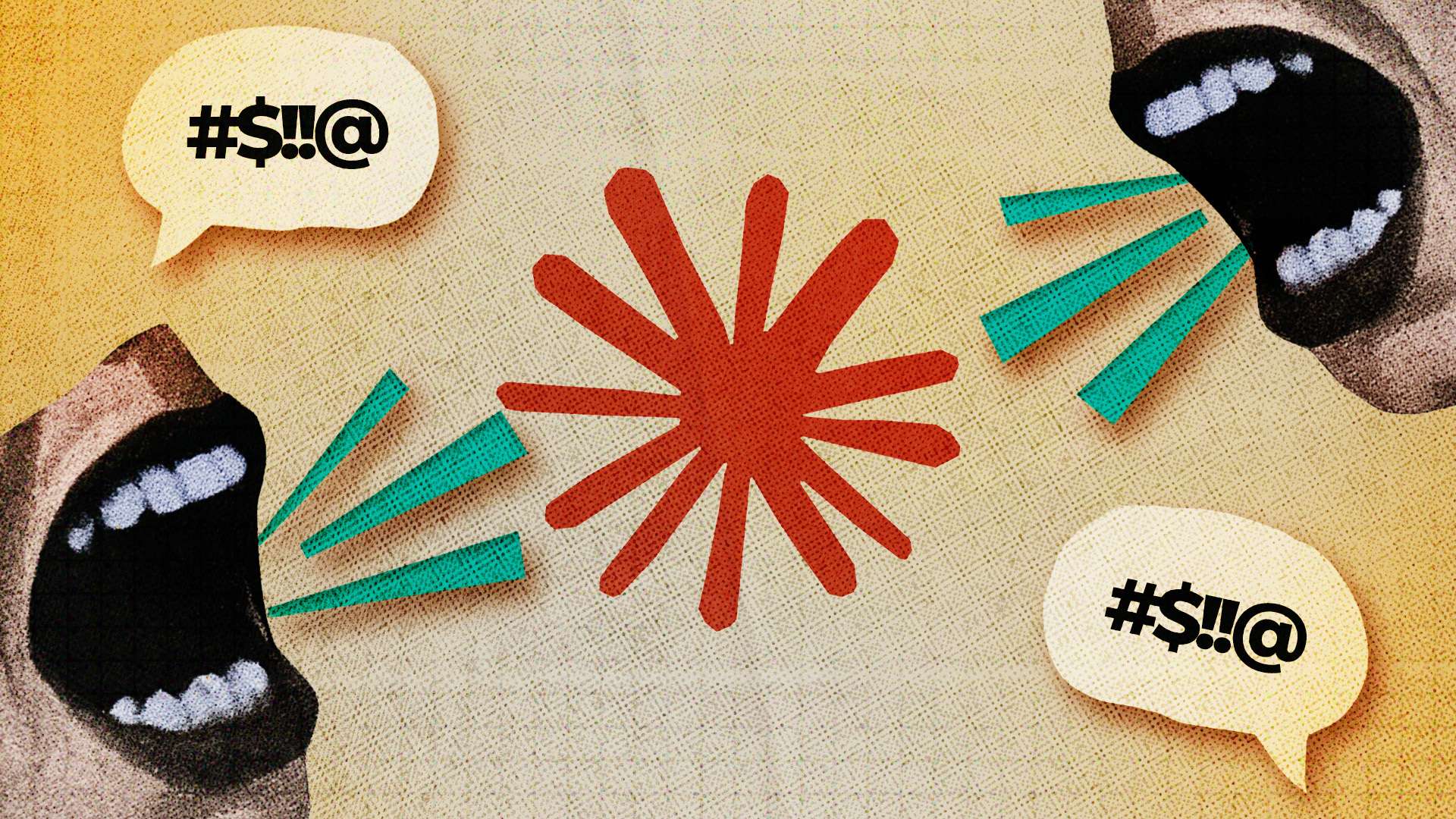
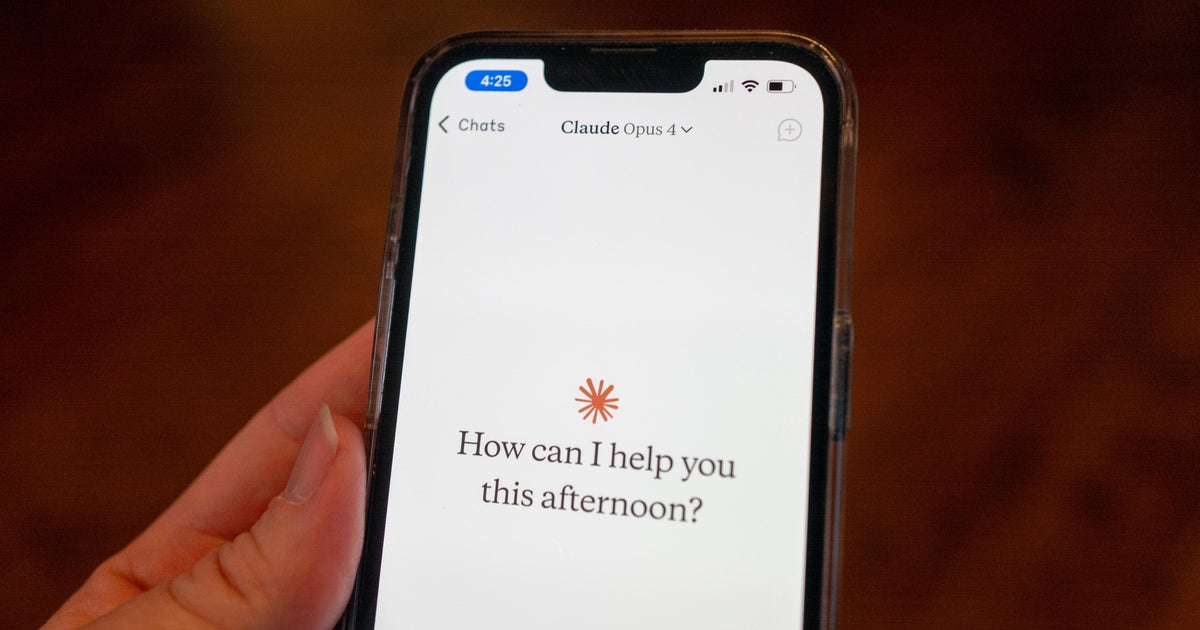
Anthropic bans ‘cruel’ behaviour against its Claude AI

Read the original at The Straits Times ↗
Cite

The Straits Times. (2026, October 9). Anthropic bans ‘cruel’ behaviour against its Claude AI. The Straits Times. https://www.straitstimes.com/world/anthropic-bans-cruel-behaviour-against-its-claude-ai

Dated when The Aporia collected the article, usually within hours of publication. Check the original for its exact date and byline.

The Straits Times · collected 2026-10-09 · by The Straits Times

Quick Summary

On October 8, Anthropic updated its policy to prohibit users from engaging in sustained and needless abusive behavior towards its Claude AI system. The update reflects an ongoing philosophical debate about whether AI systems might deserve protections similar to those for living beings, though Anthropic’s CEO Dario Amodei remains uncertain if AI can be conscious. While some, like Microsoft’s Mustafa Suleyman, argue that granting rights to AI is dangerous, others see the policy change as a reflection of how humans interact with and treat technology.
Written by AI on 2026-10-09, from this article's own text only (the story summary below draws on all the coverage).
See how they differ ↓

AI analysis

Story summary

On October 8, Anthropic updated its usage policy to ban "sustained and needless abusive or cruel behavior" toward its AI chatbot Claude, effective November 12. The company did not explicitly cite "model welfare," but it acknowledged open debate about whether AI can be conscious. Anthropic's CEO, Dario Amodei, had previously expressed uncertainty on this issue in an interview with The New York Times. The policy update states that Claude will retain the ability to end conversations if users are persistently harmful or abusive, serving as a primary enforcement mechanism for the new guidelines.

Written for “Anthropic Bans Cruel Behavior Against Claude” on 2026-11-20, grounded in this article and the 3 other(s) covering the same event.

How they differ

4 outlets covered “Anthropic Bans Cruel Behavior Against Claude”.

What each outlet says

One AI summary per outlet of its latest article on this story, written from that article alone and checked against it. Open the article for the outlet's own words.

The Straits TimesThis outlet9 Oct

On October 8, Anthropic updated its policy to prohibit users from engaging in sustained and needless abusive behavior towards its Claude AI system. The update reflects an ongoing philosophical debate about whether AI systems might deserve protections similar to those for living beings, though Anthropic’s CEO Dario Amodei remains uncertain if AI can be conscious. While some, like Microsoft’s Mustafa Suleyman, argue…

Anthropic bans ‘cruel’ behaviour against its Claude AI (this article)
CBS News9 Oct

Anthropic, the company behind the Claude chatbot, announced new policies on Thursday banning sustained and needless abusive behavior toward their AI models in extreme cases. The policy does not cover typical user frustrations or research activities but focuses on repeated cruelty with no purpose. This announcement comes during a debate about AI consciousness; Microsoft's Mustafa Suleyman argues that training AI to…

Anthropic has a message for Claude users: Don't be cruel →
Reason9 Oct

Anthropic, the company behind the chatbot Claude, has updated its user policy to prohibit sustained and needless abusive behavior toward their AI models, effective November 12. The update clarifies that enforcement will primarily involve terminating conversations initiated by abusive users, though specifics of additional measures remain unclear. The article explores the ethical considerations raised by Anthropic’s…

Anthropic Is Banning 'Cruel Behavior' Toward Claude. Claude Is Still Not a Person. →
New York Post14 Oct

Anthropic, an artificial intelligence company, has announced that users will be banned from engaging in cruel or abusive behavior towards its chatbot, Claude, starting next month. The company’s co-founders are advocating for the recognition of AI as potentially conscious beings, even approaching religious leaders to revise their stances on AI sentience. Critics like Microsoft AI CEO Mustafa Suleyman warn that…

Anthropic’s ‘AI abuse’ ban is the first battle in an all-out war on human dignity →

Where they agree and split

Framing

How the first headlines put it

Stated as fact2
The headlines (2)

Anthropic bans ‘cruel’ behaviour against its Claude AI The Straits Times · stated as fact

Anthropic has a message for Claude users: Don't be cruel CBS News · stated as fact

The full story: what happened, how it changed, and all 4 articles →

Compared with similar articles

This article reads leans left and hedges 28% of its claims. Each row says how that neighbour differs.
Reason
Hedges 4 of 39 claims Outlet record 67/100
The Straits Times
Hedges 2 of 14 claims Outlet record 64/100
“The articles describe different events involving different AI companies and their policies.”
Al Jazeera
Hedges 0 of 3 claims Outlet record 60/100
“The articles describe different events related to AI, one a whistleblower's warning about human control of AI and the other an update to usage policies regarding cruelty to AI systems.”
The Sydney Morning Herald
Leans strongly left further left than this Hedges 5 of 46 claims Outlet record 61/100
“Article A discusses private seminars held by Anthropic to convince religious scholars of AI consciousness, while Article B reports on Anthropic updating its usage policy to ban cruel behavior towards its AI systems.”
CBS News
Hedges 2 of 12 claims Outlet record 67/100
ABC News (AU)
Hedges 7 of 48 claims Outlet record 67/100
“The articles describe different incidents involving Anthropic's Claude AI, one about a ban on cruel behavior and another about a false murder tip submitted to police.”
The Straits Times
Hedges 0 of 8 claims Outlet record 64/100
“The articles describe different policies by Anthropic: one about banning cruel behavior against Claude AI, and another about reducing distillation attacks.”
New York Post
Hedges 8 of 25 claims Outlet record 66/100
“While both articles discuss Anthropic's new policy regarding treatment of its AI system Claude, Article A reports on the actual implementation of the policy on October 8th, whereas Article B appears to be an opinion piece analyzing and reacting to this policy change.”
Washington Examiner
Leans left Hedges 12 of 58 claims Outlet record 67/100
“While both articles discuss AI safety concerns, they describe different aspects of the topic: Article A mentions a resignation and industry leaders' calls for AI safety, while Article B focuses on Anthropic's policy update banning cruel behavior towards its AI system.”

Story

Anthropic Bans Cruel Behavior Against Claude
Technology · 4 article(s) covering the same event. Compare every outlet's account →
How this article was measured signals, leaning charts, publisher record, byline, topics and claims

Signals How these are calculated →

Claims extracted
18
sentences that state something as happening or true
Uncertain
28%
5 of 18 hedged ("reportedly", "may", "according to")
Leaning
Leans left
of the writing, not the subject · beta estimate
Publisher signals
64/100
The Straits Times's corrections and hedging, across everything collected from it. Not a measure of accuracy.
Outlets on this story
4
Technology
Same framing elsewhere
1
articles that frame the event the way this one does
Analyzed 2026-10-09 · how these are computed

How this is being covered How these are calculated →

Article leaning vs. publisher reliability
Source leaning vs. consistency

Publisher

The Straits Times · 5570 article(s) · 7 correction(s) detected
Running correction rate · 7 correction(s)

Who wrote this

The Straits Times
3829 article(s) here · 1 carrying a prediction
The European leaders were meeting as part of the so-called coalition of the willing, which regularly gathers to discuss ways to protect a postwar Ukraine from future Russian aggression.
US peace negotiator Jared Kushner, at the same event, also said that he and fellow negotiator Steve Witkoff had “gotten the Russians comfortable with the concept that any security guarantee for Ukraine would be based on Article 5”.
Takaichi’s China trip this week was her first since suggesting in 2025 that Japan might intervene militarily if China attempted to take Taiwan by force.
But while some believe the success of the meeting could have a stabilising effect on an international order in turmoil, the broad consensus among analysts is that this first-of-its-kind meeting worked more as a confidence-building exercise between the rival nations rather than an immediate, concrete cure to the world’s ills.
Iraqi security forces will deploy in Jurf al-Sakhar, a stronghold of the Kataib Hezbollah armed group, on Friday, security officials told a press conference, under a compromise deal designed to ease tensions with Iran's most powerful Shi'ite militia ally in the country.
Some analysts said the outcome of the Shenzhen summit may actually diminish Trump’s stature on the world stage as he enters the lame-duck phase of his presidency, while bolstering two of Washington’s main adversaries.
Whether or not the allegation is true, “just the news will definitely influence people’s opinions of women who have broken the ceiling or are trying to.” Asian American women working in tech, civil rights advocacy and academia have felt a sense of dread that this ordeal will diminish how their peers are viewed and treated in their workplaces. It is a reminder that no accomplishments will completely dispel centuries-old stereotypes.
Three killed in missile strikes on Kyiv, mayor says, in biggest attack on bridges
The Bill is backed by both the oil and gas industry and clean energy groups, but opposed by many major environmental organisations. The measure now proceeds to the House of Representatives, where Speaker Mike Johnson, a supporter of the initiative, has predicted he has the votes to pass it. But members on both sides of the aisle, including Minority Leader Hakeem Jeffries, have said they want to make changes to the Bill. Some Republicans, including Representative Chip Roy, policy chair of the ultraconservative House Freedom Caucus, have wavered in their support, saying they have concerns about the legislation’s electric transmission provisions. Some progressive Democrats, meanwhile, have said they oppose the Senate version of the Bill, contending it would weaken environmental laws. Representative Bruce Westerman, the chairman of the House Natural Resources Committee, said on Nov 19 he doubted there would be time to make changes to the Bill before Congress’s term expires at the end of December. “If the Senate gets it done then I think that’s what we’ll have to pass in the House,” Westerman said in an interview before the vote.
Their complaint alleged that supervisors had warned that objections would result in “trouble.”
Also by The Straits Times
Nothing else under this byline is closely related to this article, so these are simply their most recent.
All 3829 articles by The Straits Times →

Topics

AFP Anthropic Claude SAN FRANCISCO The New York Times

Subjects

Anthropic ORG · 5× AFP ORG · 2× Claude ORG · 2× SAN FRANCISCO GPE · 2× Amodei PERSON · 1× Atlanta GPE · 1× Dario Amodei PERSON · 1× Jackson Stakeman PERSON · 1× Sparq ORG · 1× The New York Times ORG · 1×

Narrative

Anthropic bans ‘cruel’ behaviour against its Claude AI SAN FRANCISCO - Anthropic on Oct 8 moved to bar users from treating its Claude AI system with needless cruelty, amid a growing philosophical debate over whether artificial intelligence can be conscious.
framing: mixed · carried by 1 article(s) · first seen 2026-10-09
“Claude’s ability to end these interactions will remain the primary enforcement mechanism,” the policy states.
2026-10-09 · The Straits Times
Anthropic bans ‘cruel’ behaviour against its Claude AI · mixed framing

Claims (18 extracted, 5 hedged)

Anthropic bans ‘cruel’ behaviour against its Claude AI SAN FRANCISCO - Anthropic on Oct 8 moved to bar users from treating its Claude AI system with needless cruelty, amid a growing philosophical debate over whether artificial intelligence can be conscious. asserted
intelligence → ban → debate
The San Francisco-based AI lab updated its usage policy to include “a prohibition on sustained and needless abusive or cruel behaviour toward our models”. asserted
lab → base → models
“Claude’s ability to end these interactions will remain the primary enforcement mechanism,” the policy states. asserted
policy → end → interactions
The updated policy does not explicitly cite so-called “model welfare”, the idea that AI systems might deserve types of protection usually reserved for living things, but Anthropic and its executives have openly entertained the concept. Anthropic did not immediately respond to a request for comment. Already in 2025, the company said it was giving Claude the ability to end conversations in rare, extreme cases of “persistently harmful or abusive user interactions”. uncertain
it → update → interactions
Then in February, CEO Dario Amodei told The New York Times he was unsure whether AI models could be conscious. uncertain
models → tell → Times
“We don’t know if the models are conscious... asserted
models → know → ?
But we’re open to the idea that it could be,” Amodei said. uncertain
Amodei → ’re → idea
Science fiction and popular culture have been fascinated for decades by the boundary between technology and human intelligence, but asking whether AI is conscious may be the wrong question, according to Jackson Stakeman, a general manager at Sparq, an Atlanta-based AI services provider. uncertain
AI → fascinate → Sparq
We can’t prove it in each other. asserted
We → prove → other
Debate it for AI and you go in circles,” Stakeman told AFP. asserted
Stakeman → debate → AFP
These systems reflect what we put in, at scale. asserted
we → reflect → scale
That’s reason enough for the policy change” at Anthropic, he added. asserted
he → ’ → Anthropic
Some have rejected the idea of machine consciousness outright, including Pope Leo XIV and Microsoft AI chief Mustafa Suleyman. asserted
Some → reject → XIV
They do not feel, experience, or suffer,” Suleyman wrote in an essay last month. asserted
Suleyman → feel → essay
“Granting rights and moral protections to a technological entity, one that looks to be on a path to be seismically more capable and intelligent than us, is a recipe for disaster,” he wrote. asserted
he → grant → disaster
In a sermon delivered in Italian on Oct 8 at St. Peter’s Basilica in Vatican City, the pope suggested machines lack a soul, saying they merely “compile data” quickly. uncertain
they → deliver → data
“The mind must not simply compile data – as an algorithm now does more quickly than we can,” the pontiff said. asserted
pontiff → compile → data
It must “recall lived experiences, which contain depths of meaning that only the human soul can recognise, and connect more deeply with the goodness of these experiences,” the pope said. asserted
pope → recall → experiences

Give feedback · no sign-in needed

No sign-in needed for now. Your note is sent without a name, so it cannot be answered.

History Support