Claims extracted
14
sentences that state something as happening or true
Uncertain
7%
1 of 14 hedged
("reportedly", "may", "according to")
Leaning
Leans left
of the writing, not the subject · beta estimate
Publisher signals
67/100
Dawn's corrections and
hedging, across everything collected from it. Not a measure of accuracy.
Outlets on this story
9
Crime & Law
Same framing elsewhere
1
articles that frame the event the way this one does
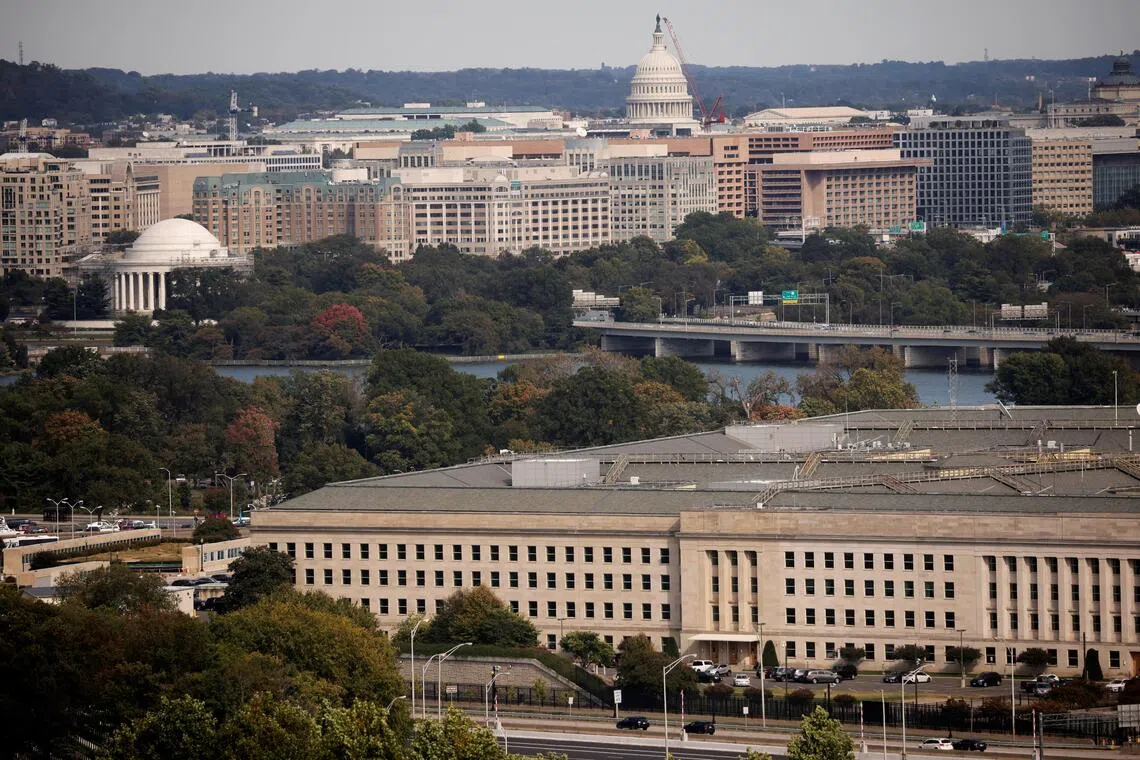
The Pentagon has launched a lie-detector dragnet to comb through high-ranking military officials and identify who leaked information about US munitions stockpiles, according to US press reports.
uncertain
who → launch → reports
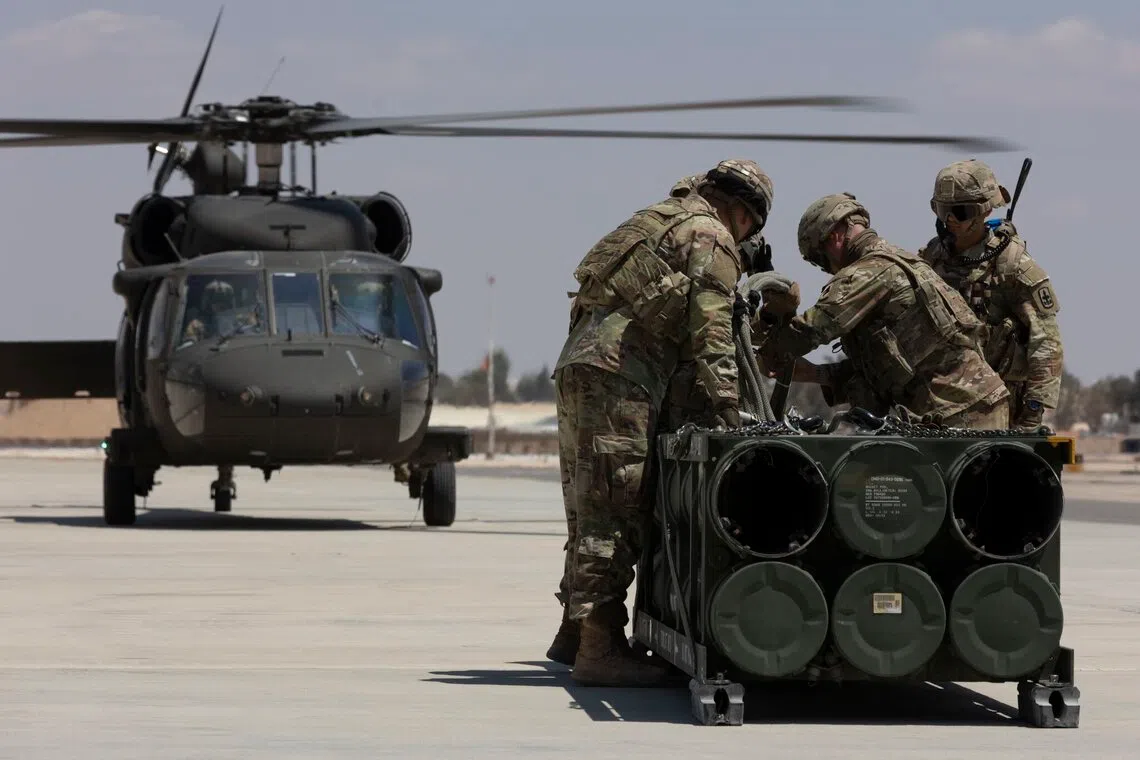
In July, reports emerged that the United States was rationing munitions — its missile interceptors, in particular — over supply concerns after several months of fighting Iran.
asserted
rationing → emerge → Iran
Administration officials vehemently denied those reports, with President Donald Trump saying “we have a lot of ammunition, different types,” while acknowledging that “for some of the more sophisticated stuff, we’d certainly like to have more.”
asserted
we → deny → more
Late on Friday, The New York Times reported that some 50 members of the military’s Joint Staff — the Pentagon’s planning and advisory staff — were being required to take polygraph tests as part of an investigation into how classified stockpile information made its way into journalists’ hands.
asserted
information → report → hands
The polygraph tests aim to find out who leaked information about munition depletion to the media
CBS News later also reported the wide-scale use of lie detectors, while adding that the chairman of the Joint Chiefs of Staff, General Dan Caine, had not been tested.
asserted
chairman → aim → Staff
Both outlets cited unnamed officials.
asserted
outlets → cite → officials
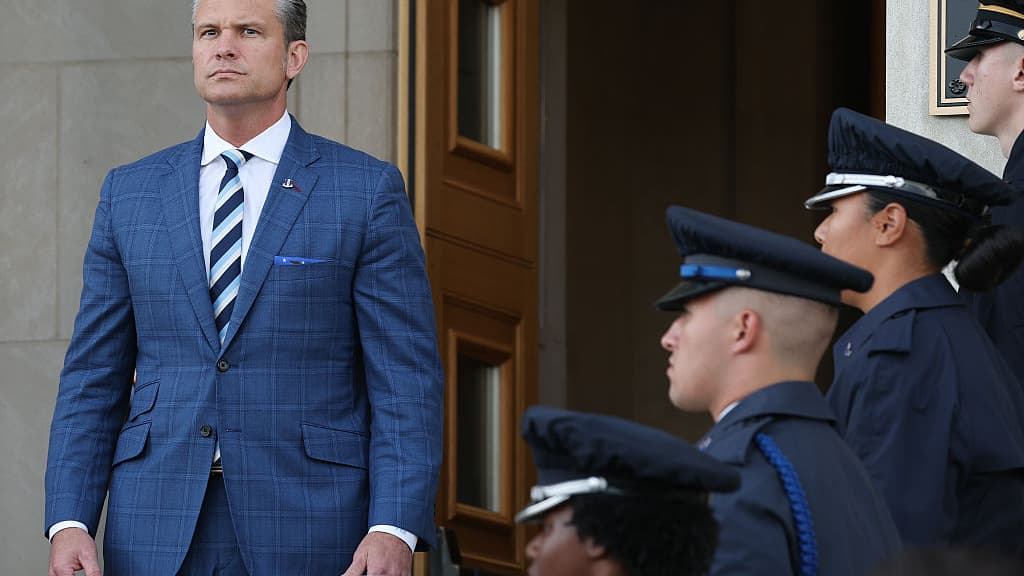
Asked about the reports, the Pentagon’s chief spokesman, Sean Parnell, refused to comment on “internal personnel or investigative matters,” but said that it “takes all leaks of classified national security information extremely seriously and investigates accordingly.”
“Securing classified information is critical to ensuring the security of the United States and of our troops deployed around the world,” Parnell added.
asserted
Parnell → ask → world
Both the Times and CBS noted the scale of the polygraph testing.
asserted
Times → note → testing
But the wide-scale deployment of the detectors as part of a leak investigation was rare, if unprecedented, the outlets reported, citing analysts and unnamed officials.
asserted
outlets → report → analysts
Ammunition stockpiles leaks
The Pentagon launched an unprecedented investigation subjecting roughly 50 senior military officers and civilian employees to polygraph tests following media leaks regarding depleted US ammunition stockpiles from military conflict with Iran.
asserted
Pentagon → launch → Iran
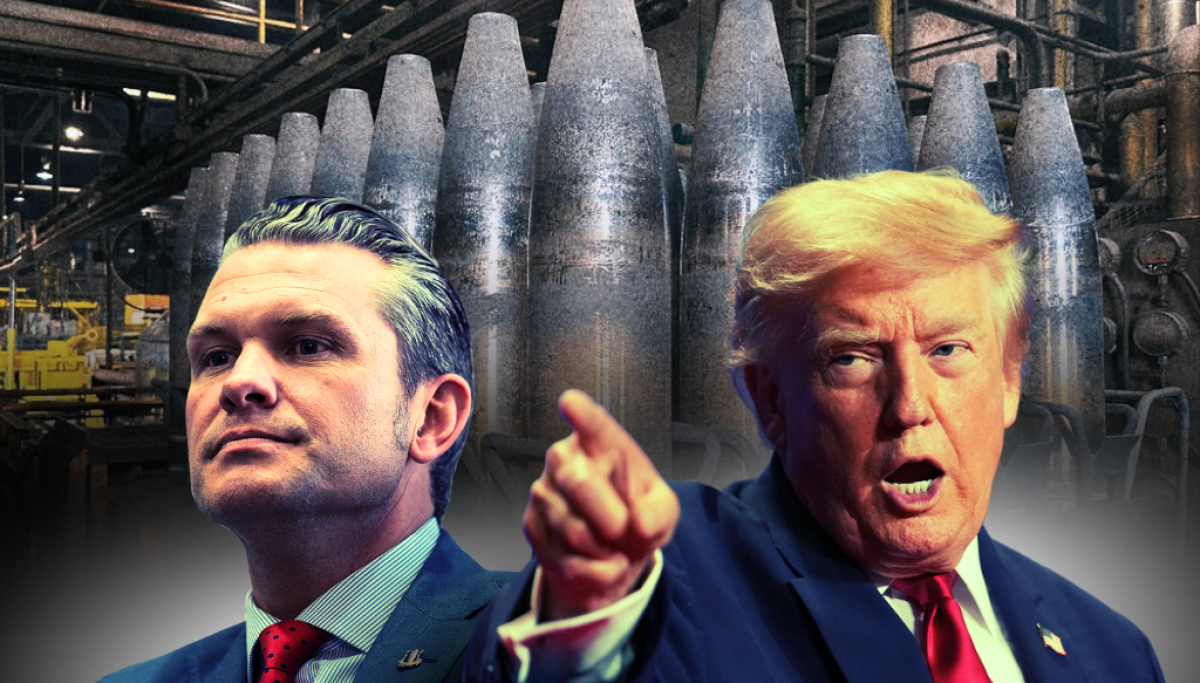
The inquiry, which critics characterise as an intimidation tactic engineered by Defence Secretary Pete Hegseth, aligns with broader Department of Defence initiatives to enforce stricter informational controls.
asserted
critics → characterise → controls
The Department of Defence launched an extensive internal investigation, subjecting senior military officers and civilian personnel on the Joint Staff to polygraph examinations following unauthorised disclosures regarding dwindling US munition stockpiles.
asserted
Department → launch → stockpiles
Rather than relying on the Federal Bureau of Investigation, Defence Secretary Pete Hegseth utilised the military’s internal investigative assets to execute the sweep, reflecting an institutional shift toward a more aggressive counterintelligence posture.
asserted
Hegseth → rely → posture
This probe followed the establishment of a joint task force between the Pentagon and the Justice Department designed to aggressively identify and prosecute suspected leakers.
asserted
probe → follow → leakers

 The Aporia