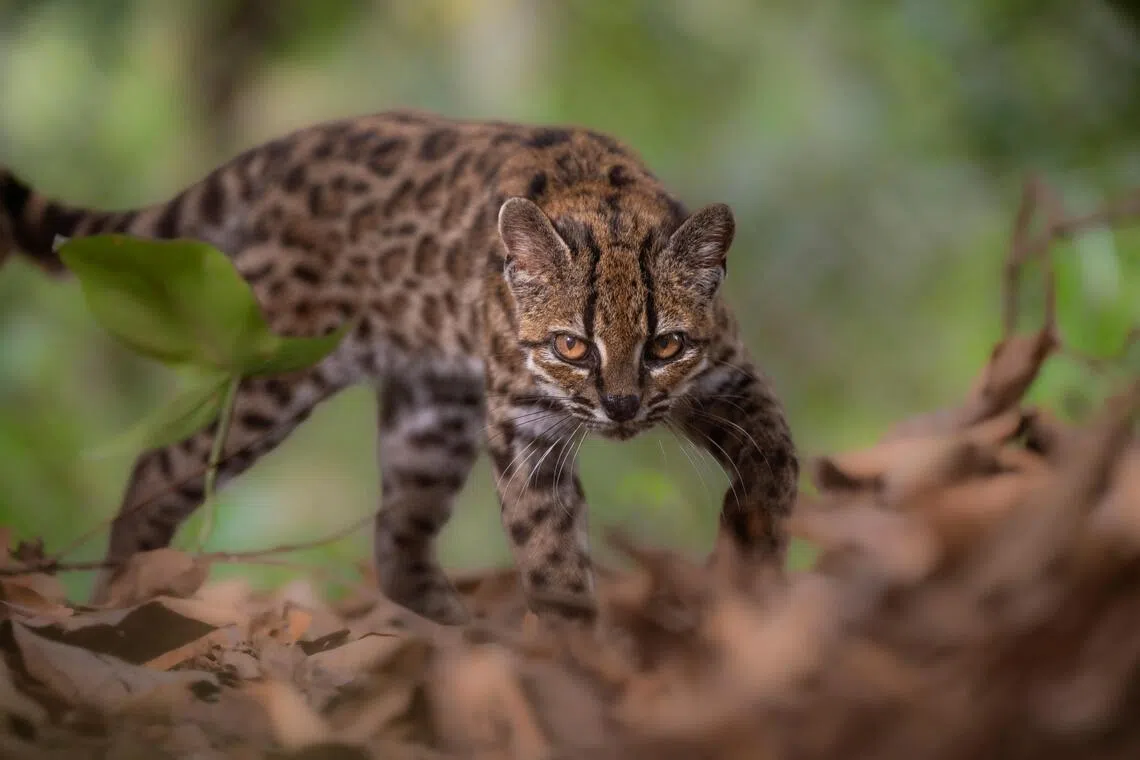
Photo via Al Jazeera

New Bolivian cat claws its way into species list: What we meow

Read the original at Al Jazeera ↗
Cite

Habib, H. (2026, September 18). New Bolivian cat claws its way into species list: What we meow. Al Jazeera. https://www.aljazeera.com/news/2026/9/18/new-bolivian-cat-claws-its-way-into-species-list-what-we-meow?traffic_source=rss

Dated when The Aporia collected the article, usually within hours of publication. Check the original for its exact date and byline.

Al Jazeera · collected 2026-09-18 · by Heba Habib

Quick Summary

Scientists have identified a new species of wildcat in Bolivia after nearly a decade of research, marking the first discovery of a cat species in over 100 years. The Leopardus tilcayo was found living in the Bolivian Yungas cloud forest region and distinguished from other wildcats through genetic studies. This rare find is significant because it represents an entirely new scientific description rather than a reclassification of existing species.
Written by AI on 2026-09-18, from this article's own text only (the story summary below draws on all the coverage).
See how they differ ↓

AI analysis

Story summary

Summary of New Feline Species Discovery

Additional Insights

Written for “New Cat Species Bolivia” on 2026-11-20, grounded in this article and the 16 other(s) covering the same event.

How they differ

15 outlets covered “New Cat Species Bolivia”.

What each outlet says

One AI summary per outlet of its latest article on this story, written from that article alone and checked against it. Open the article for the outlet's own words.

Al JazeeraThis outlet18 Sep

Scientists have identified a new species of wildcat in Bolivia after nearly a decade of research, marking the first discovery of a cat species in over 100 years. The Leopardus tilcayo was found living in the Bolivian Yungas cloud forest region and distinguished from other wildcats through genetic studies. This rare find is significant because it represents an entirely new scientific description rather than a…

New Bolivian cat claws its way into species list: What we meow (this article)3 articles from Al Jazeera on this story
NBC News17 Sep

Researchers have identified a new species of wild cat, Leopardus tilcayo or the Tilcayo tiger cat, for the first time in 100 years. This small, slender spotted cat was discovered in the Bolivian Yungas cloud forest where the Andes meet the Amazon basin. Paola Nogales-Ascarrunz, a conservationist from Bolivia's Programa de Investigación de Félidos Bolivia, led the study published in Current Biology, noting that…

New wild cat species is identified for first time in 100 years, researchers say →
South China Morning Post17 Sep

Researchers in Bolivia have identified a new species of wild cat called Tilcayo in the Yungas cloud forest, marking the first discovery of a living cat species in over 100 years. This small feline, part of the South American tiger cats group, measures about 18 inches long and weighs approximately three pounds. Genetic analysis confirmed its status as a distinct species, which has been scientifically named Leopardus…

New cat species identified in Bolivia, first in over a century →
The Hindu17 Sep

Researchers have identified a new species of wild cat in Bolivia's cloud forest, the first living cat species discovered since over 100 years ago. Named Leopardus tilcayo after the local community name "Tilcayo," this small cat measures about 18 inches long and weighs around 3 pounds. Genetic analysis confirmed it is distinct from other tiger cats, with DNA suggesting separation occurred approximately 1.4 million…

New cat species identified in Bolivia, first in over a century →
The Guardian17 Sep

Researchers in Bolivia have identified a new small wild cat species called Tilcayo, scientifically named Leopardus tilcayo, found in the cloud forests of the Yungas region. This discovery marks the first identification of a new living cat species since before 1928 and is based on genetic analysis indicating that tiger cats are actually five distinct species rather than one. The new species, which measures about 46cm…

New cat species identified in Bolivia for first time in more than a century →
New York Post17 Sep

Biologist Paola Nogales-Ascarrunz identified a new cat species in Bolivia's Yungas forest, naming it Leopardus tilcayo. Weighing just three pounds and resembling a mini leopard with rosette-shaped spots, the cat was first brought to a local wildlife sanctuary by a man who found it near a road. Genetic analysis revealed that this species diverged from other tiger cats about 1.4 million years ago, making it the first…

New cat species identified for first time in 100 years — it’s 3 pounds and looks like a mini leopard →
Show 9 more outlets
BBC17 Sep

Scientists have confirmed a new species of small wild cat in Bolivia, named Leopardus tilcayo. The discovery was made after DNA studies revealed the distinctiveness of a single rescued cat nicknamed 'Tigrino.' This finding highlights the need for greater conservation efforts for lesser-known wild cats in South and Central America, as experts previously struggled to differentiate between similar species due to their…

New wild cat species discovered - with only one known living member →
Daily Mail18 Sep

Researchers in Bolivia have identified a new feline species, named Leopardus tilcayo after the local community name "tilcayo," in the country's Yungas cloud forests. This tiny wild cat measures 18 inches long and weighs about 3 pounds, smaller than an average domestic cat. The discovery marks the first identification of a new living feline species in over a century, based on genetic analysis of samples from across…

Little big cat is the first new feline species found in a century: Tiny Tilcayo is seen prowling around Bolivian cloud forest →
ABC News (US)18 Sep

Scientists have discovered a new feline species in Bolivia's Yungas cloud forest after it was initially kept as a pet due to its distinctive leopard-like spots. Named Leopardus tilcayo, this small wild cat weighs no more than 3 pounds and is around 18 inches long, smaller than a typical house cat. Researchers identified the new species using genetic testing, distinguishing it from other "tiger cats" and revealing an…

First new feline species in 100 years discovered in Bolivian forest →
The Straits Times18 Sep

Scientists have identified a new cat species in Bolivia's cloud forests, marking the first discovery of a living cat species in over 100 years. Named Leopardus tilcayo or "Tilcayo" by local communities, this small wild cat measures about 46 cm long and weighs around 1.4 kg. Researchers confirmed its status as a distinct species through genetic analysis and published their findings on September 17 in the journal…

New cat species identified in Bolivia, first in over a century →
Times of India18 Sep

Scientists have discovered a new small wild cat species in Bolivia’s Andes mountains after DNA analysis revealed it was distinct from other similar felines. The Leopardus tilcayo, or tilcayo cat, weighs just three pounds and is native to the Yungas cloud forest. Its discovery marks the first new living feline species identified in over a century. Researchers found that what were previously considered a single group…

DNA reveals new 3-pound wild cat species in Bolivia after a century →
The Dispatch18 Sep

The Morning Dispatch's newsletter highlights the discovery of a new species of wildcat named Leopardus tilcayo in Bolivia, which hasn't happened in over 100 years. This small, 5-pound wildcat has distinct features including leopard-like spots and was initially mistaken for a house cat by a local man who adopted it as a kitten.

That Political Post May Be Paid For →
CBS News18 Sep

Scientists have identified a new species of wild cat in Bolivia's Yungas region near La Paz, marking the first discovery of its kind in over 100 years. Named Leopardus tilcayo or the Tilcayo tiger cat due to locals' reports and genetic testing, this small feline with distinctive leopard-like spots was initially mistaken for a house cat by local residents. The research team, led by biologist Paola Nogales-Ascarrunz…

New species of wild cat discovered for first time in more than a century →
CBC18 Sep

Researchers have identified a new species of cat, Leopardus tilcayo, in Bolivia's cloud forest, marking the first discovery of a living cat species in over a century. The small wild cat, known locally as Tilcayo, was confirmed through genetic testing to be distinct from other tiger cats found across South America. It measures about 46 centimeters long and weighs around three pounds. Genetic analysis indicates that…

New cat species identified for the 1st time in a century →
Toronto Star18 Sep

Scientists have identified a new wild cat species in Bolivia, marking the first discovery of this kind in over 100 years. Named Leopardus tilcayo after a local indigenous term, the small feline was spotted at a wildlife sanctuary where it had been residing for years. Researchers used DNA analysis from specimens across South America to confirm that L. tilcayo diverged as a distinct species around 1.4 million years…

Meet Earth’s newest wild cat species, the first named in over a century →

Where they agree and split

Agreed

AI · cited, from two or more outlets

  • The newly identified cat measures about 18 inches long and weighs around 3 pounds, making it smaller than an average domestic cat.23
Quoted from the coverage (4)

“Its fur is light brown ... with irregularly shaped rosettes across its body,” said Paola Nogales-Ascarrunz, a National Geographic Explorer and one of the authors of the study describing the newly identified species published on Thursday in the journal Current Biology.

6 outlets

Remains of small rodents in scat samples suggest they may form part of its diet, while camera-trap evidence indicates it could be more active at night, Nogales-Ascarrunz said.

6 outlets

“There are many undiscovered species out there in the world, and they are at risk of disappearing before we even discover them.”

6 outlets

'We never expected this Bolivian tiger cat to be a separate species, and no one had ever proposed it as a different animal, subspecies or otherwise,' Lescroart said.

6 outlets

Framing

How the first headlines put it

  • The South China Morning Post and The Hindu emphasize the historical significance of identifying a new cat species in over a century, while Daily Mail highlights the small size and unique characteristics of the Tilcayo.14
Attributed to a source1
Stated as fact9
The headlines (10)

New wild cat species is identified for first time in 100 years, researchers say NBC News · attributed to a source

New cat species identified in Bolivia, first in over a century South China Morning Post · stated as fact

New cat species identified in Bolivia, first in over a century The Hindu · stated as fact

New cat species identified in Bolivia for first time in more than a century The Guardian · stated as fact

New cat species identified for first time in 100 years — it’s 3 pounds and looks like a mini leopard New York Post · stated as fact

New wild cat species discovered - with only one known living member BBC · stated as fact

Little big cat is the first new feline species found in a century: Tiny Tilcayo is seen prowling around Bolivian cloud forest Daily Mail · stated as fact

First new feline species in 100 years discovered in Bolivian forest ABC News · stated as fact

New tiger cat species identified in Bolivia, first in over a century Al Jazeera · stated as fact

New cat species identified in Bolivia, first in over a century The Straits Times · stated as fact

The full story: what happened, how it changed, and all 17 articles →

Compared with similar articles

This article reads unscored and hedges 9% of its claims. Each row says how that neighbour differs.
The Guardian
Hedges 6 of 26 claims Outlet record 64/100
Al Jazeera
Hedges 4 of 15 claims Outlet record 60/100
The Straits Times
Hedges 6 of 28 claims Outlet record 64/100
ABC News (US)
Hedges 1 of 21 claims Outlet record 67/100
The Hindu
Hedges 6 of 26 claims Outlet record 60/100
New York Post
Hedges 2 of 17 claims Outlet record 66/100
The Dispatch
Hedges 0 of 3 claims Outlet record 61/100
CBS News
Hedges 1 of 11 claims Outlet record 67/100
Toronto Star
Hedges 0 of 19 claims Outlet record 64/100
South China Morning Post
Hedges 1 of 4 claims Outlet record 62/100

Story

New Cat Species Bolivia
Science · 17 article(s) covering the same event. Compare every outlet's account →
How this article was measured signals, leaning charts, publisher record, byline, topics and claims

Signals How these are calculated →

Claims extracted
54
sentences that state something as happening or true
Uncertain
9%
5 of 54 hedged ("reportedly", "may", "according to")
Leaning
not political
takes no side on a contested political question
Publisher signals
60/100
Al Jazeera's corrections and hedging, across everything collected from it. Not a measure of accuracy.
Outlets on this story
17
Science
Same framing elsewhere
1
articles that frame the event the way this one does
Analyzed 2026-09-18 · how these are computed

How this is being covered How these are calculated →

Article leaning vs. publisher reliability
Source leaning vs. consistency

Publisher

Al Jazeera · 6159 article(s) · 4 correction(s) detected
Running correction rate · 4 correction(s)

Who wrote this

Heba Habib
13 article(s) here · 1 carrying a prediction
But on Tuesday, it was clear that even if the “official” Dan Sullivan had received all the votes of his namesake, he would not have gained enough to beat Peltola.
Could Iran build one?
Earlier last week, he said the war was “militarily … effectively over”, though he added that he “would not hesitate” to resume strikes if diplomacy failed.
The government is asking households in England and Wales to make sure they would be able to cope on their own for 72 hours if electricity, water, phone and internet services all fail in the event of a national emergency.
Here is what we know about the outage, what caused it and when services might return.
2026-11-13 · assertive framing · Microsoft hit by global outages: What happened and why?
Kyiv says it will accept an energy and Black Sea truce only if the two come together.
Last month, Israel gave the UK 30 days to close the consulate, after which it said British diplomats working there would lose their diplomatic status.
He was released in May 2018 after serving nine months.
Once the family could no longer manage the cat themselves, they surrendered it to Senda Verde, a refuge for animals.
A United Nations-mandated fact-finding mission has concluded that the United States may have committed war crimes when it carried out two strikes on Iran in February 2026 – one on a primary school in Minab, the other on a sports complex in Lamerd.
Also by Heba Habib
Nothing else under this byline is closely related to this article, so these are simply their most recent.
All 13 articles by Heba Habib →

Topics

Al Jazeera Bolivia Bolivian Current Biology DRC

Subjects

Bolivia GPE · 4× Al Jazeera ORG · 2× Argentina GPE · 1× Bolivian NORP · 1× Current Biology ORG · 1× DRC GPE · 1× Jonas Lescroart PERSON · 1× Lescroart PERSON · 1× Peru GPE · 1× the University of Antwerp ORG · 1×

Narrative

By combining existing genomic data from northeast Brazil, Colombia and southern Brazil with new samples from the Guianas, Peru and Bolivia, the team built a far more complete picture of the group than had existed before, ultimately identifying five distinct species rather than the two to four previously expected.
framing: assertive · carried by 1 article(s) · first seen 2026-09-18
Once the family could no longer manage the cat themselves, they surrendered it to Senda Verde, a refuge for animals.
2026-09-18 · Al Jazeera
New Bolivian cat claws its way into species list: What we meow · assertive framing

Claims (54 extracted, 5 hedged)

A new species of wildcat, discovered in Bolivia, has been formally identified after the accidental discovery of a lost kitten and nearly 10 years of painstaking research. asserted
species → discover → research
The Leopardus tilcayo, which local people in the Bolivian Yungas, a band of cloud forest which runs along the eastern slope of the Andes, were aware of, was previously thought to be related to other wildcats in the region. asserted
which → run → region
tiger cat species identified in Bolivia, first in over a century - list 2 of 3How Virunga Park protects people and gorillas from Ebola in eastern DRC - list 3 of 3Where water conflicts pose the biggest threat in 2026 It wasn’t. asserted
It → identify → 2026
Here’s what we know. asserted
we → ’ → what
What has been announced? asserted
What → announce → ?
A study published in Current Biology this week has announced the first new cat species to be discovered in more than 100 years. asserted
study → publish → years
The last was the pampas cat, reported in 1923. asserted
last → report → 1923
Scientists have named the new cat Leopardus tilcayo, after the local Bolivian name for the animal. asserted
Scientists → name → animal
The Leopardus tilcayo has been found living in the Bolivian Yungas, a band of cloud forest which runs along the eastern slope of the Andes, forming a transitional zone between the high mountains and the Amazon basin. asserted
which → find → mountains
This is a rugged, humid and largely under-studied ecoregion, which spreads into Peru and northern Argentina, although so far the tilcayo has only been genetically confirmed in Bolivia. asserted
tilcayo → study → Bolivia
Researchers don’t yet know whether the species is confined to a single pocket of this forest or spread more widely across it. asserted
species → know → it
Jonas Lescroart, a researcher at the University of Antwerp and coauthor of the study, said such a discovery is rare for the cat family. asserted
discovery → say → family
New species are sometimes “declared” when older scientific names are reinstated after genetic research shows a population was wrongly grouped with another species. asserted
population → declare → species
That happened with the clouded tiger cat two years ago and the southern tiger cat, Leopardus guttulus, in 2013. asserted
That → happen → 2013
“It had never been given a scientific name, and it had never been formally described in a scientific way that was published,” Lescroart told Al Jazeera. asserted
Lescroart → give → Jazeera
“So we had the honour of coming up with a name for this animal and doing the formal scientific description.” asserted
we → have → description
How was the cat found? asserted
cat → find → ?
A local man found a kitten alone near the forest and, mistaking it for a stray domestic cat, brought it home to care for it. asserted
man → find → it
It lived with his family for about a year until 2016 when its wild instincts became impossible to ignore, and it started chasing the neighbours’ chickens. asserted
it → live → chickens
Once the family could no longer manage the cat themselves, they surrendered it to Senda Verde, a refuge for animals. uncertain
they → manage → animals
The refuge called in biologist and lead scientist of the Bolivian Felids Research Program, Paola Nogales Ascarrunz, telling her they had found a “weird cat”. asserted
they → call → cat
“Unfortunately, that’s the problem with the illegal wildlife trade,” Nogales Ascarrunz, told Al Jazeera. asserted
Ascarrunz → ’ → Jazeera
“When you want to pet a wild animal, then you think the power of love is going to change the behaviour of this animal. asserted
power → want → animal
But a wild animal, it doesn’t matter if you give him the best food, it’s not going to behave.” asserted
it → matter → food
She added that this kind of case is common in Bolivia, particularly in the aftermath of wildfires, when orphaned young animals are captured and sold into the illegal pet trade before eventually being surrendered once new owners realise they can’t be kept. asserted
they → add → trade
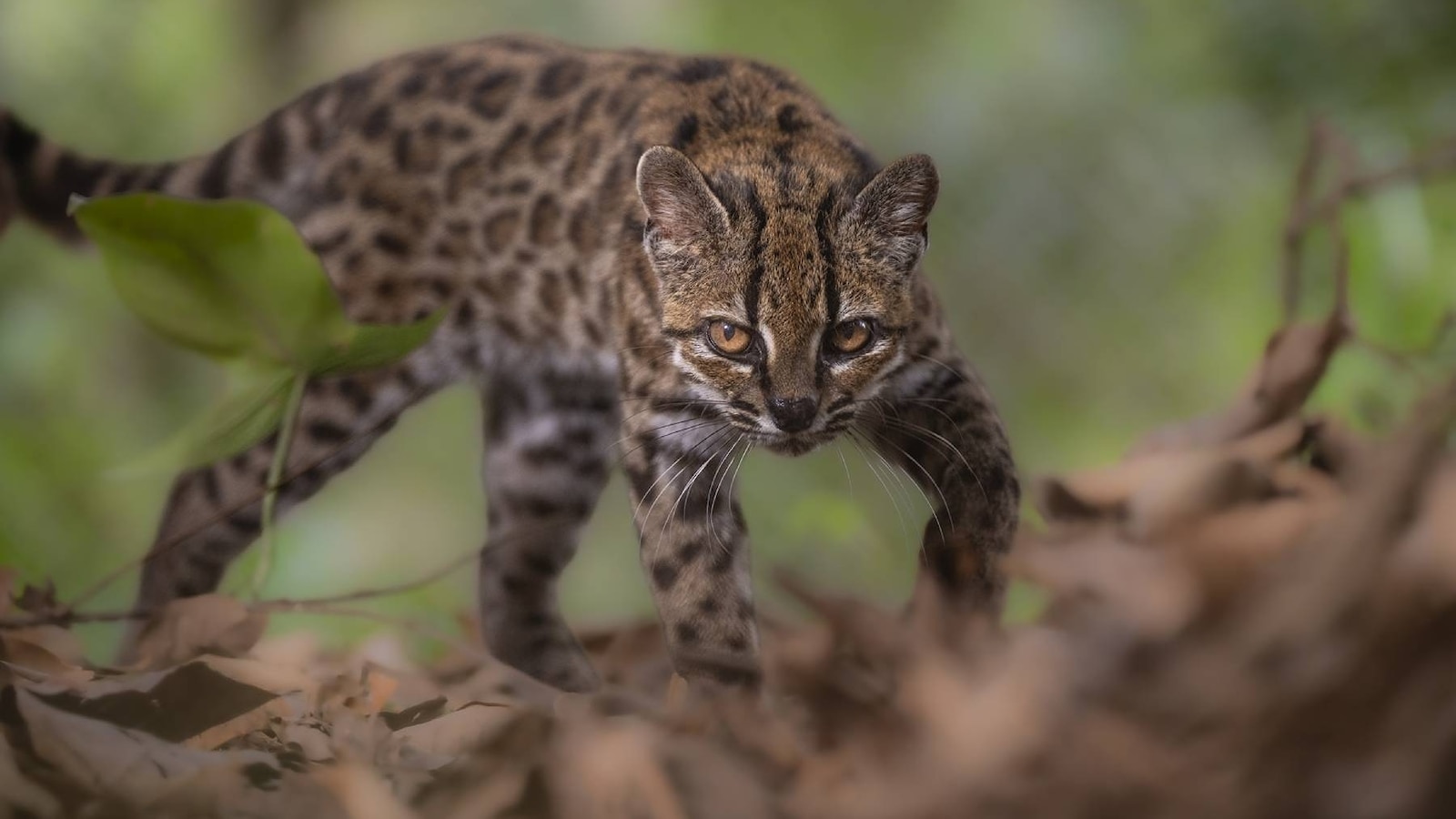
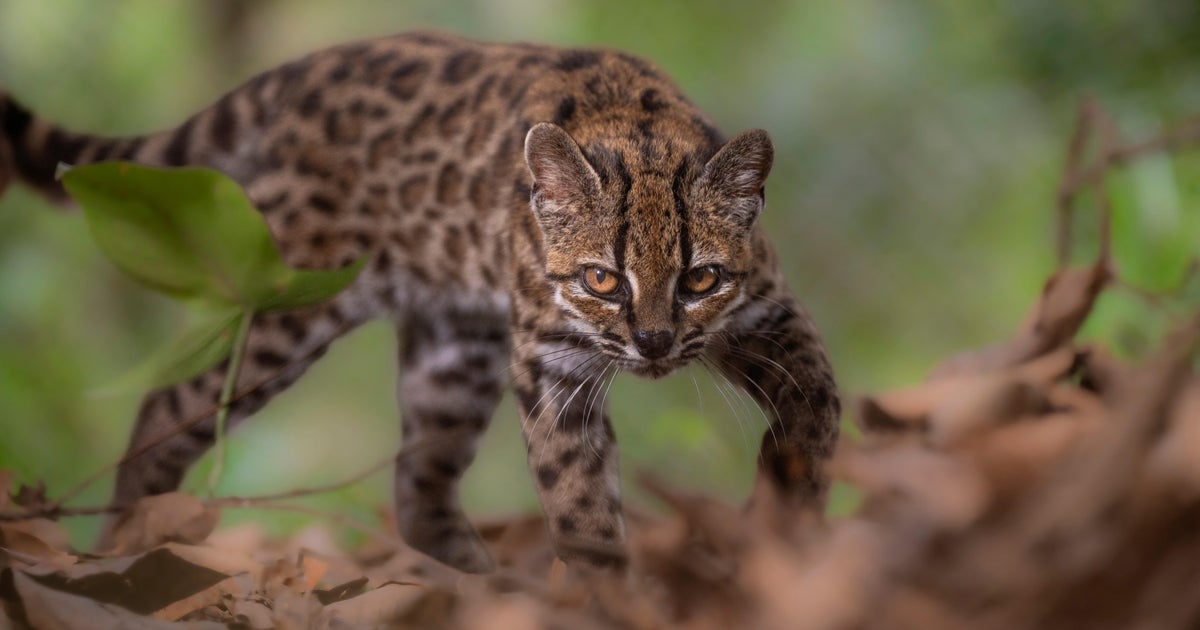
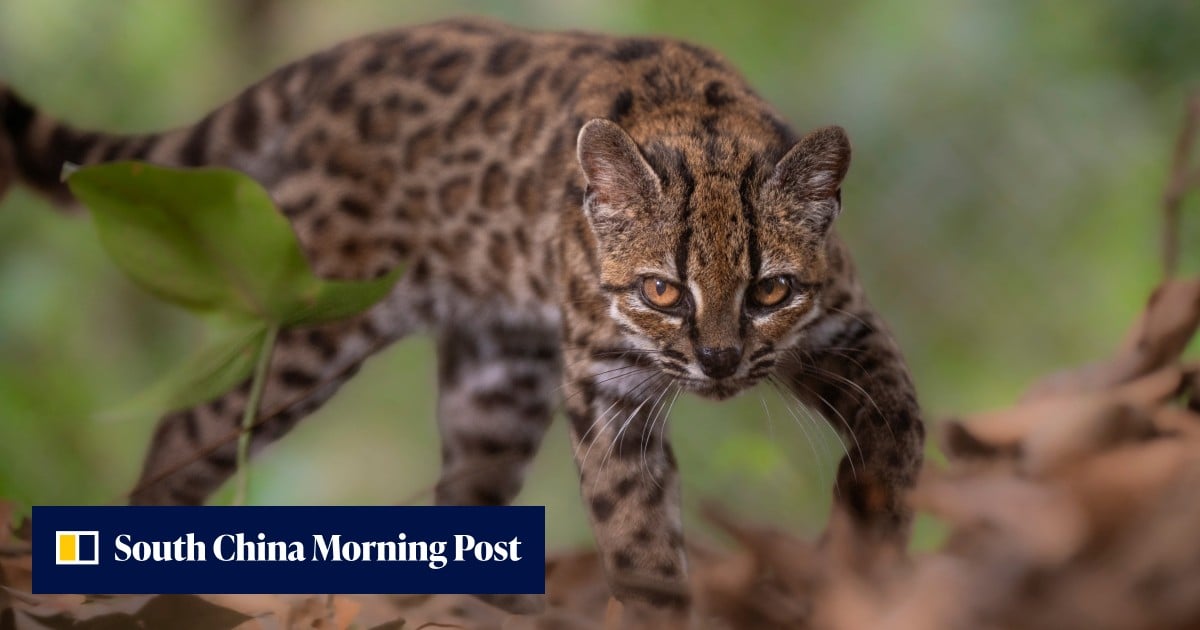
When she went to see the for herself, she says she found an animal with a small, scrunched face, short round ears, long whiskers, and covered in leopard-like spots – but clearly too large and too wild to be a domestic cat. asserted
she → go → spots
Initially, she believed it was a Leopardus tigrinus, or tigrina, a small spotted cat found across much of Central and South America. asserted
it → believe → America
But, she says, something about the size and shape of the cat’s spots bothered her. asserted
something → say → her
It would take nearly a decade, a genetics collaboration spanning three countries, and DNA pulled from century-old museum skulls to prove she was right to be suspicious. asserted
she → take → skulls
Perhaps leopards can’t change their spots but apparently, you can discover a new Leopardus with new spots altogether. asserted
you → change → spots
How was it found to be a new species? asserted
it → find → ?
While Nogales Ascarrunz was puzzling over her “weird cat” in Bolivia, an entirely separate effort was under way to study tiger cats across the continent. asserted
effort → puzzle → continent
Lescroart and co-researchers in Belgium, Brazil, Bolivia, the United States, Colombia, the United Kingdom and Peru were busy collecting tiger cat DNA from across South America to resolve a long-standing taxonomic puzzle. asserted
Lescroart → collect → puzzle
“The group of tiger cats has always been a contentious group with an uncertain taxonomy, and no one could really tell with certainty how many different species of tiger cats there were walking around,” Lescroart said. uncertain
Lescroart → tell → cats
By combining existing genomic data from northeast Brazil, Colombia and southern Brazil with new samples from the Guianas, Peru and Bolivia, the team built a far more complete picture of the group than had existed before, ultimately identifying five distinct species rather than the two to four previously expected. asserted
team → combine → four
Lescroart said the results were surprising. asserted
results → say → ?
“When I started working on tiger cats, I was already aware from the start that, regardless of the results, something would have to be rearranged … but we would never have expected to find a completely undescribed species.” asserted
we → start → species
Because tiger cats are what scientists call a “cryptic species” group, nearly identical in appearance but genetically distinct, the differences were essentially invisible without DNA analysis. asserted
differences → call → analysis
“Physically, they are very similar and hard to tell apart at first instance,” Lescroart said, “and you need genetic research to dig down and find that there are important differences.” asserted
you → tell → research
“When we managed to put our data together, that is when the pieces clicked,” Lescroart said, “and we realised that the one in Bolivia is really a separate thing from the other tiger cats that we already had on our radar as suspected species or subspecies.” asserted
we → manage → species
…and 14 more, not listed.
Give feedback · no sign-in needed

No sign-in needed for now. Your note is sent without a name, so it cannot be answered.

History Support