Photo via Times of India

DNA reveals new 3-pound wild cat species in Bolivia after a century

Read the original at Times of India ↗
Cite

TOI Science Desk. (2026, September 18). DNA reveals new 3-pound wild cat species in Bolivia after a century. Times of India. https://timesofindia.indiatimes.com/science/wildlife/scientists-analysed-dna-from-38-wild-cats-and-discovered-one-was-a-species-nobody-had-recognised-the-3-pound-bolivian-cat-is-the-first-new-living-feline-described-in-over-a-century/articleshow/134331048.cms

Dated when The Aporia collected the article, usually within hours of publication. Check the original for its exact date and byline.

Times of India · collected 2026-09-18 · by TOI Science Desk

Quick Summary

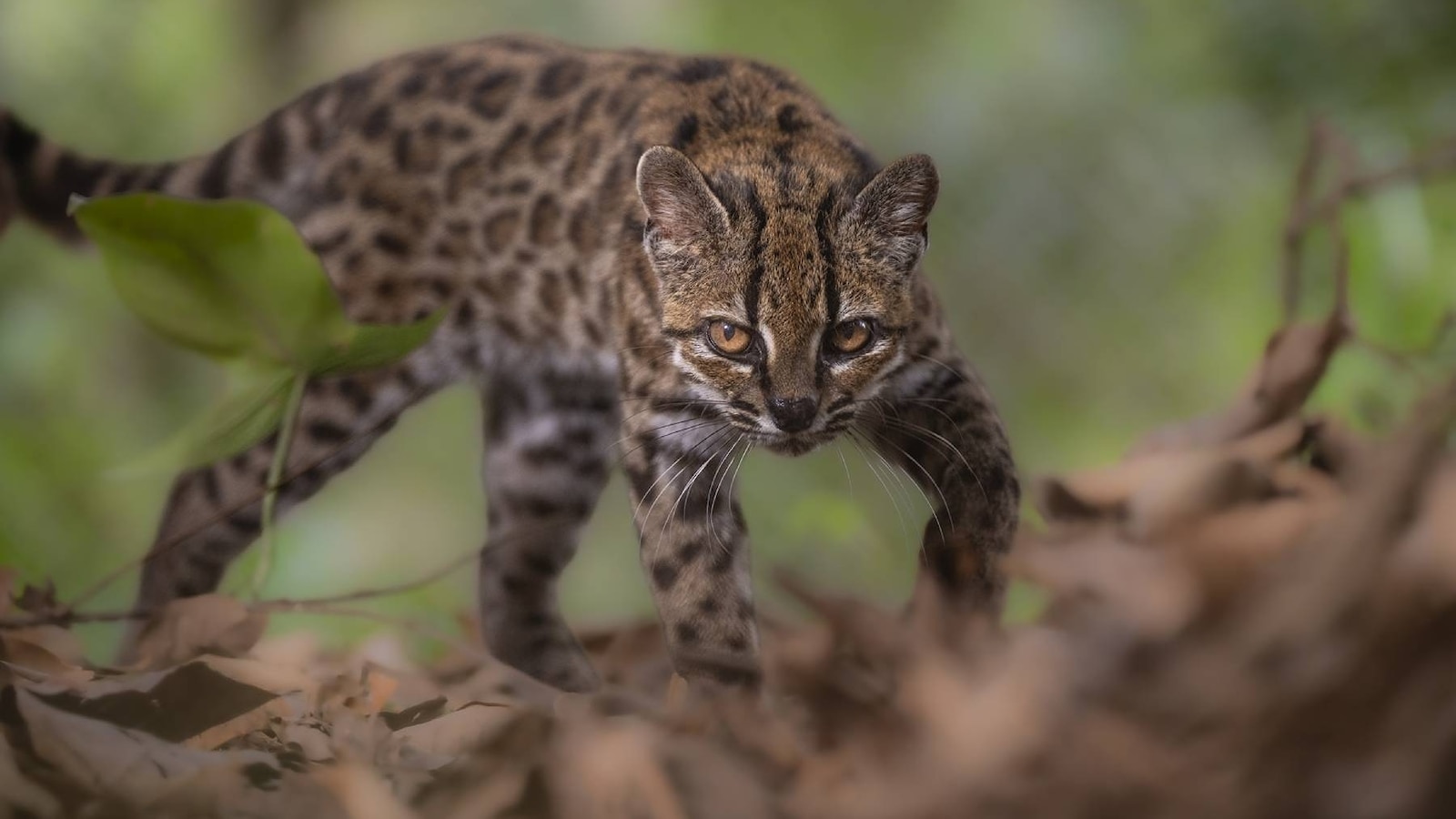
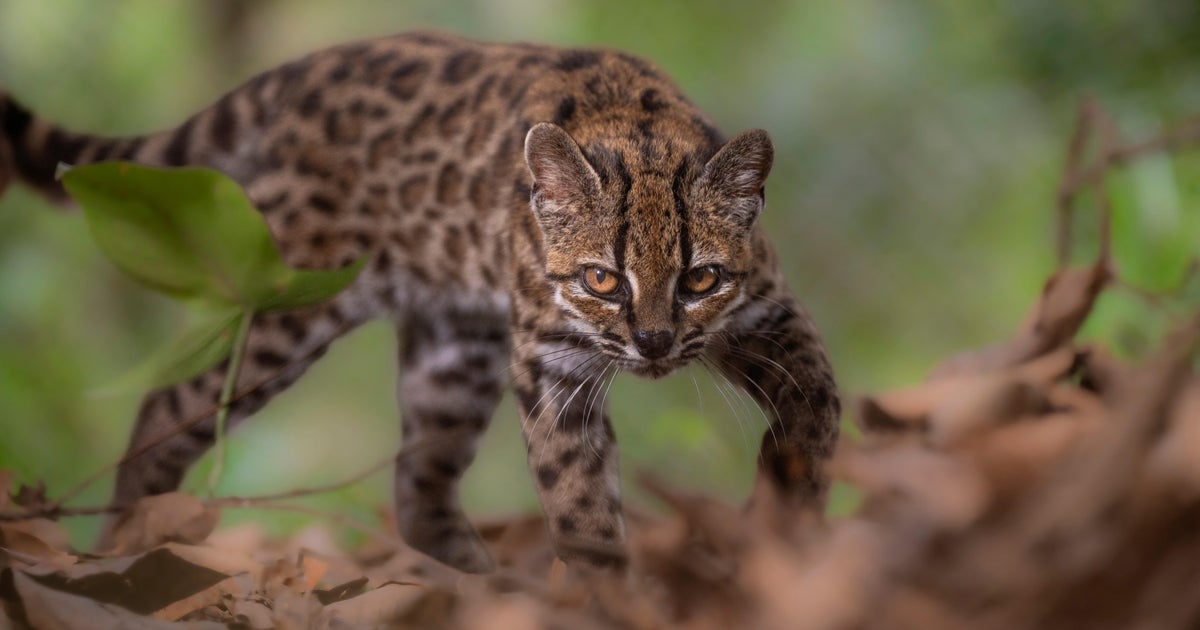
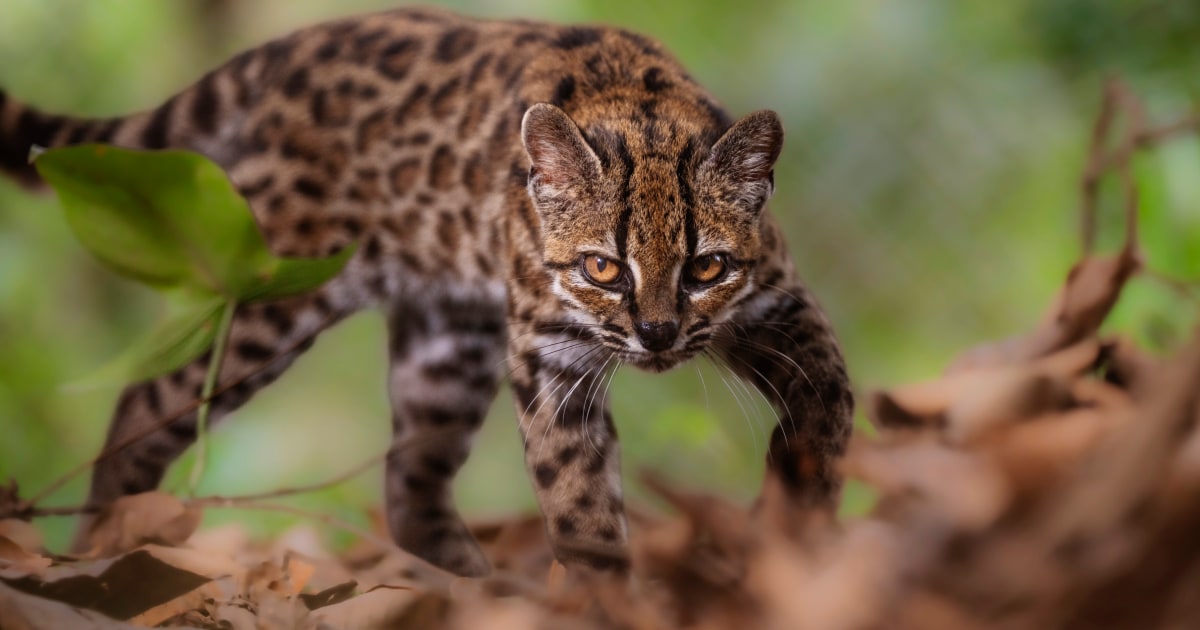
Scientists have discovered a new small wild cat species in Bolivia’s Andes mountains after DNA analysis revealed it was distinct from other similar felines. The Leopardus tilcayo, or tilcayo cat, weighs just three pounds and is native to the Yungas cloud forest. Its discovery marks the first new living feline species identified in over a century. Researchers found that what were previously considered a single group of tiger cats actually comprises several distinct species through genetic comparisons with 38 wild cats. The tilcayo cat, distinguished by larger spots and a longer tail, remains elusive due to its rarity and difficulty in identification through camera traps.
Written by AI on 2026-09-20, from this article's own text only (the story summary below draws on all the coverage).
See how they differ ↓

AI analysis

Story summary

Summary of New Feline Species Discovery

Additional Insights

Written for “New Cat Species Bolivia” on 2026-11-21, grounded in this article and the 16 other(s) covering the same event.

How they differ

15 outlets covered “New Cat Species Bolivia”.

What each outlet says

One AI summary per outlet of its latest article on this story, written from that article alone and checked against it. Open the article for the outlet's own words.

Times of IndiaThis outlet18 Sep

Scientists have discovered a new small wild cat species in Bolivia’s Andes mountains after DNA analysis revealed it was distinct from other similar felines. The Leopardus tilcayo, or tilcayo cat, weighs just three pounds and is native to the Yungas cloud forest. Its discovery marks the first new living feline species identified in over a century. Researchers found that what were previously considered a single group…

DNA reveals new 3-pound wild cat species in Bolivia after a century (this article)
Al Jazeera18 Sep

Scientists have identified a new species of living cat in Bolivia’s Yungas forest, the first discovery of its kind in over a century. This small cat weighs about 3 pounds and is approximately 18 inches long, making it similar in size to a housecat but belonging specifically to the tiger cat group. Locally, it is known as Tilcayo.

New cat species found, first in more than 100 years →3 articles from Al Jazeera on this story
NBC News17 Sep

Researchers have identified a new species of wild cat, Leopardus tilcayo or the Tilcayo tiger cat, for the first time in 100 years. This small, slender spotted cat was discovered in the Bolivian Yungas cloud forest where the Andes meet the Amazon basin. Paola Nogales-Ascarrunz, a conservationist from Bolivia's Programa de Investigación de Félidos Bolivia, led the study published in Current Biology, noting that…

New wild cat species is identified for first time in 100 years, researchers say →
South China Morning Post17 Sep

Researchers in Bolivia have identified a new species of wild cat called Tilcayo in the Yungas cloud forest, marking the first discovery of a living cat species in over 100 years. This small feline, part of the South American tiger cats group, measures about 18 inches long and weighs approximately three pounds. Genetic analysis confirmed its status as a distinct species, which has been scientifically named Leopardus…

New cat species identified in Bolivia, first in over a century →
The Hindu17 Sep

Researchers have identified a new species of wild cat in Bolivia's cloud forest, the first living cat species discovered since over 100 years ago. Named Leopardus tilcayo after the local community name "Tilcayo," this small cat measures about 18 inches long and weighs around 3 pounds. Genetic analysis confirmed it is distinct from other tiger cats, with DNA suggesting separation occurred approximately 1.4 million…

New cat species identified in Bolivia, first in over a century →
The Guardian17 Sep

Researchers in Bolivia have identified a new small wild cat species called Tilcayo, scientifically named Leopardus tilcayo, found in the cloud forests of the Yungas region. This discovery marks the first identification of a new living cat species since before 1928 and is based on genetic analysis indicating that tiger cats are actually five distinct species rather than one. The new species, which measures about 46cm…

New cat species identified in Bolivia for first time in more than a century →
Show 9 more outlets
New York Post17 Sep

Biologist Paola Nogales-Ascarrunz identified a new cat species in Bolivia's Yungas forest, naming it Leopardus tilcayo. Weighing just three pounds and resembling a mini leopard with rosette-shaped spots, the cat was first brought to a local wildlife sanctuary by a man who found it near a road. Genetic analysis revealed that this species diverged from other tiger cats about 1.4 million years ago, making it the first…

New cat species identified for first time in 100 years — it’s 3 pounds and looks like a mini leopard →
BBC17 Sep

Scientists have confirmed a new species of small wild cat in Bolivia, named Leopardus tilcayo. The discovery was made after DNA studies revealed the distinctiveness of a single rescued cat nicknamed 'Tigrino.' This finding highlights the need for greater conservation efforts for lesser-known wild cats in South and Central America, as experts previously struggled to differentiate between similar species due to their…

New wild cat species discovered - with only one known living member →
Daily Mail18 Sep

Researchers in Bolivia have identified a new feline species, named Leopardus tilcayo after the local community name "tilcayo," in the country's Yungas cloud forests. This tiny wild cat measures 18 inches long and weighs about 3 pounds, smaller than an average domestic cat. The discovery marks the first identification of a new living feline species in over a century, based on genetic analysis of samples from across…

Little big cat is the first new feline species found in a century: Tiny Tilcayo is seen prowling around Bolivian cloud forest →
ABC News (US)18 Sep

Scientists have discovered a new feline species in Bolivia's Yungas cloud forest after it was initially kept as a pet due to its distinctive leopard-like spots. Named Leopardus tilcayo, this small wild cat weighs no more than 3 pounds and is around 18 inches long, smaller than a typical house cat. Researchers identified the new species using genetic testing, distinguishing it from other "tiger cats" and revealing an…

First new feline species in 100 years discovered in Bolivian forest →
The Straits Times18 Sep

Scientists have identified a new cat species in Bolivia's cloud forests, marking the first discovery of a living cat species in over 100 years. Named Leopardus tilcayo or "Tilcayo" by local communities, this small wild cat measures about 46 cm long and weighs around 1.4 kg. Researchers confirmed its status as a distinct species through genetic analysis and published their findings on September 17 in the journal…

New cat species identified in Bolivia, first in over a century →
The Dispatch18 Sep

The Morning Dispatch's newsletter highlights the discovery of a new species of wildcat named Leopardus tilcayo in Bolivia, which hasn't happened in over 100 years. This small, 5-pound wildcat has distinct features including leopard-like spots and was initially mistaken for a house cat by a local man who adopted it as a kitten.

That Political Post May Be Paid For →
CBS News18 Sep

Scientists have identified a new species of wild cat in Bolivia's Yungas region near La Paz, marking the first discovery of its kind in over 100 years. Named Leopardus tilcayo or the Tilcayo tiger cat due to locals' reports and genetic testing, this small feline with distinctive leopard-like spots was initially mistaken for a house cat by local residents. The research team, led by biologist Paola Nogales-Ascarrunz…

New species of wild cat discovered for first time in more than a century →
CBC18 Sep

Researchers have identified a new species of cat, Leopardus tilcayo, in Bolivia's cloud forest, marking the first discovery of a living cat species in over a century. The small wild cat, known locally as Tilcayo, was confirmed through genetic testing to be distinct from other tiger cats found across South America. It measures about 46 centimeters long and weighs around three pounds. Genetic analysis indicates that…

New cat species identified for the 1st time in a century →
Toronto Star18 Sep

Scientists have identified a new wild cat species in Bolivia, marking the first discovery of this kind in over 100 years. Named Leopardus tilcayo after a local indigenous term, the small feline was spotted at a wildlife sanctuary where it had been residing for years. Researchers used DNA analysis from specimens across South America to confirm that L. tilcayo diverged as a distinct species around 1.4 million years…

Meet Earth’s newest wild cat species, the first named in over a century →

Where they agree and split

Agreed

AI · cited, from two or more outlets

  • The newly identified cat measures about 18 inches long and weighs around 3 pounds, making it smaller than an average domestic cat.23
Quoted from the coverage (4)

“Its fur is light brown ... with irregularly shaped rosettes across its body,” said Paola Nogales-Ascarrunz, a National Geographic Explorer and one of the authors of the study describing the newly identified species published on Thursday in the journal Current Biology.

6 outlets

Remains of small rodents in scat samples suggest they may form part of its diet, while camera-trap evidence indicates it could be more active at night, Nogales-Ascarrunz said.

6 outlets

“There are many undiscovered species out there in the world, and they are at risk of disappearing before we even discover them.”

6 outlets

'We never expected this Bolivian tiger cat to be a separate species, and no one had ever proposed it as a different animal, subspecies or otherwise,' Lescroart said.

6 outlets

Framing

How the first headlines put it

  • The South China Morning Post and The Hindu emphasize the historical significance of identifying a new cat species in over a century, while Daily Mail highlights the small size and unique characteristics of the Tilcayo.14
Attributed to a source1
Stated as fact9
The headlines (10)

New wild cat species is identified for first time in 100 years, researchers say NBC News · attributed to a source

New cat species identified in Bolivia, first in over a century South China Morning Post · stated as fact

New cat species identified in Bolivia, first in over a century The Hindu · stated as fact

New cat species identified in Bolivia for first time in more than a century The Guardian · stated as fact

New cat species identified for first time in 100 years — it’s 3 pounds and looks like a mini leopard New York Post · stated as fact

New wild cat species discovered - with only one known living member BBC · stated as fact

Little big cat is the first new feline species found in a century: Tiny Tilcayo is seen prowling around Bolivian cloud forest Daily Mail · stated as fact

First new feline species in 100 years discovered in Bolivian forest ABC News · stated as fact

New tiger cat species identified in Bolivia, first in over a century Al Jazeera · stated as fact

New cat species identified in Bolivia, first in over a century The Straits Times · stated as fact

The full story: what happened, how it changed, and all 17 articles →

Compared with similar articles

This article reads unscored and hedges 12% of its claims. Each row says how that neighbour differs.
ABC News (US)
Hedges 1 of 21 claims Outlet record 65/100
CBS News
Hedges 1 of 11 claims Outlet record 66/100
Toronto Star
Hedges 0 of 19 claims Outlet record 65/100
BBC News
Hedges 3 of 24 claims Outlet record 65/100
CBC News
Hedges 7 of 28 claims Outlet record 72/100
The Guardian
Hedges 6 of 26 claims Outlet record 64/100
The Hindu
Hedges 6 of 26 claims Outlet record 60/100
Al Jazeera
Hedges 4 of 15 claims Outlet record 60/100
NBC News
Hedges 5 of 40 claims Outlet record 74/100

Story

New Cat Species Bolivia
Science · 17 article(s) covering the same event. Compare every outlet's account →
How this article was measured signals, leaning charts, publisher record, byline, topics and claims

Signals How these are calculated →

Claims extracted
24
sentences that state something as happening or true
Uncertain
12%
3 of 24 hedged ("reportedly", "may", "according to")
Leaning
not political
takes no side on a contested political question
Publisher signals
59/100
Times of India's corrections and hedging, across everything collected from it. Not a measure of accuracy.
Outlets on this story
17
Science
Same framing elsewhere
1
articles that frame the event the way this one does
Analyzed 2026-09-20 · how these are computed

How this is being covered How these are calculated →

Article leaning vs. publisher reliability
Source leaning vs. consistency

Publisher

Times of India · 5501 article(s) · 6 correction(s) detected
Running correction rate · 6 correction(s)

Who wrote this

TOI Science Desk
330 article(s) here · 1 carrying a prediction
The study, conducted by the Beaver Trust and the University of Exeter, confirmed 349 territories and identified 56 more that may be occupied, bringing the total to as many as 405.
Although its external lettered dials could still turn, nobody had managed to find the correct combination since its discovery.
It states that, while they may be small, they are still extremely venomous, and that its experienced reptile team is handling them under the highest safety and care protocols.
Elephants are known for their strong family bonds and complex social relationships, but declining populations may be putting these connections at risk.
Individually, such objects might seem small; together, they provide strong evidence that the outpost was active during the Sui period.
Who knew one animal could change an entire landscape?
The snakes were temporarily brought to the San Francisco Zoo, where they could give birth in a controlled environment.
Scientists have drawn a treasure map of where fossils of ancient sea life may still be waiting to be found.
The newly excavated channels, along with additional connections to Darby Creek, are expected to improve tidal circulation overall.
We have often wondered what animals might be trying to tell us, whether it is a dog barking at the postman or birds calling out to one another from the trees.
Wire or desk byline, not an individual reporter.
Also by TOI Science Desk
Nothing else under this byline is closely related to this article, so these are simply their most recent.
All 330 articles by TOI Science Desk →

Topics

Ascarrunz Bolivia Discover Wildlife National Geographic Explorer

Subjects

Discover Wildlife ORG · 2× Ascarrunz ORG · 1× Bolivia GPE · 1× National Geographic Explorer ORG · 1× Paola Nogales Ascarrunz PERSON · 1× istock ORG · 1×

Narrative

Scientists analysed DNA from 38 wild cats, including museum specimens and living animals, and found that what had long been treated as a single group of tiger cats actually represented several distinct species with separate evolutionary histories.
framing: assertive · carried by 1 article(s) · first seen 2026-09-20
That lack of research could explain why such a distinctive animal escaped scientific recognition for so long.
2026-09-20 · Times of India
DNA reveals new 3-pound wild cat species in Bolivia after a century · assertive framing

Claims (24 extracted, 3 hedged)

A tiny wild cat living quietly in the Bolivian Andes has turned out to be something scientists have been searching for without quite knowing it. asserted
scientists → live → it
Weighing barely three pounds, the animal spent years being mistaken for other small spotted cats. asserted
animal → weigh → cats
Only after researchers compared its DNA with samples from dozens of wild felines did they realise they were looking at something entirely different. asserted
they → compare → something
The discovery of Leopardus tilcayo, now known as the tilcayo cat, marks the description of the first new living feline species in more than a century, states a Discover Wildlife report. asserted
report → know → century
According to the report, the story began in 2017, when a male wild cat was brought to the Senda Verde Wildlife Sanctuary after a local family that had been caring for him turned him over to the sanctuary. uncertain
that → accord → sanctuary
Paola Nogales Ascarrunz, a wild cat conservationist and National Geographic Explorer, encountered the animal while volunteering there. asserted
Ascarrunz → encounter → animal
Its unusual appearance raised questions about exactly what kind of cat had arrived at the sanctuary. asserted
kind → raise → sanctuary
The answer eventually emerged through genetic research. asserted
answer → emerge → research
Scientists analysed DNA from 38 wild cats, including museum specimens and living animals, and found that what had long been treated as a single group of tiger cats actually represented several distinct species with separate evolutionary histories. asserted
treated → analyse → histories
The research formally recognised four other species within the group and identified Leopardus tilcayo as a previously undescribed one. asserted
research → recognise → one
The online report by Discover Wildlife states the tilcayo cat is native to Bolivia's Yungas cloud forest, a mountainous region within the Andes-Amazon basin. asserted
cat → state → basin
The area remains among the least-studied parts of the Neotropical realm, despite its remarkable concentration of species found nowhere else. asserted
area → remain → species
That lack of research could explain why such a distinctive animal escaped scientific recognition for so long. uncertain
animal → explain → recognition
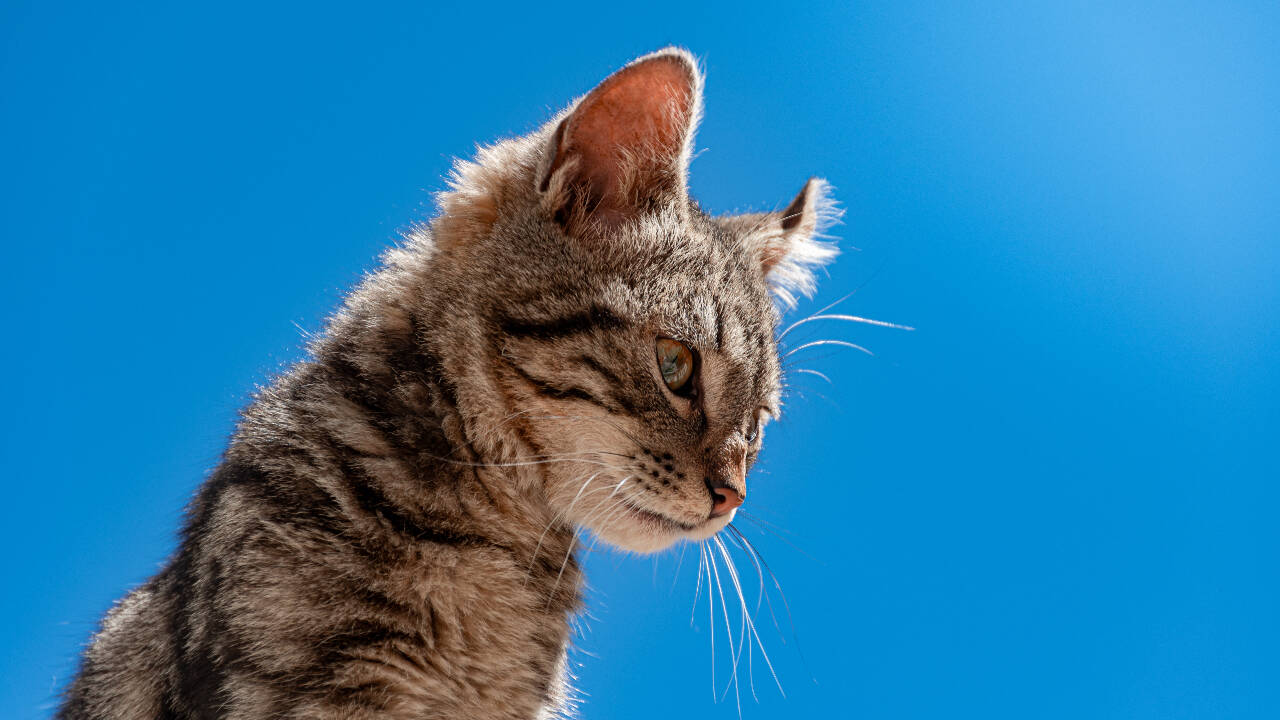
The report adds that the cat measures roughly 18 inches from head to body and weighs around 3 pounds, making it smaller than the average domestic cat. asserted
it → add → cat
Its appearance helps distinguish it from the oncilla, also known as the northern tiger cat. asserted
appearance → help → cat
The tilcayo has larger spots, a longer and more slender tail and comparatively muted fur. asserted
tilcayo → have → spots
The search is only beginning asserted
search → begin → ?
The biggest mystery is how many tilcayo cats are actually living in the wild. asserted
cats → live → wild
Researchers currently cannot determine the species' full range, partly because small tiger cats are notoriously difficult to identify through camera-trap surveys. asserted
cats → determine → surveys
They can easily be confused with oncillas or margays. asserted
They → confuse → oncillas
The sanctuary's male, now ten years old, is the only known individual of the species in protective captivity. asserted
male → know → captivity
To find out whether others are hiding in the Yungas, Ascarrunz is installing camera traps throughout the forest. asserted
Ascarrunz → find → forest
Images of additional animals could reveal the cat's distribution, behaviour and population size, while genetic samples could help confirm whether they belong to the same species, adds the online report. uncertain
report → reveal → species
For now, the tilcayo cat remains one of the rarest wild cats known to science, and a reminder that even in an age of genetic sequencing and remote cameras, there are still species waiting to be found. asserted
cat → remain → sequencing
Give feedback · no sign-in needed

No sign-in needed for now. Your note is sent without a name, so it cannot be answered.

History Support