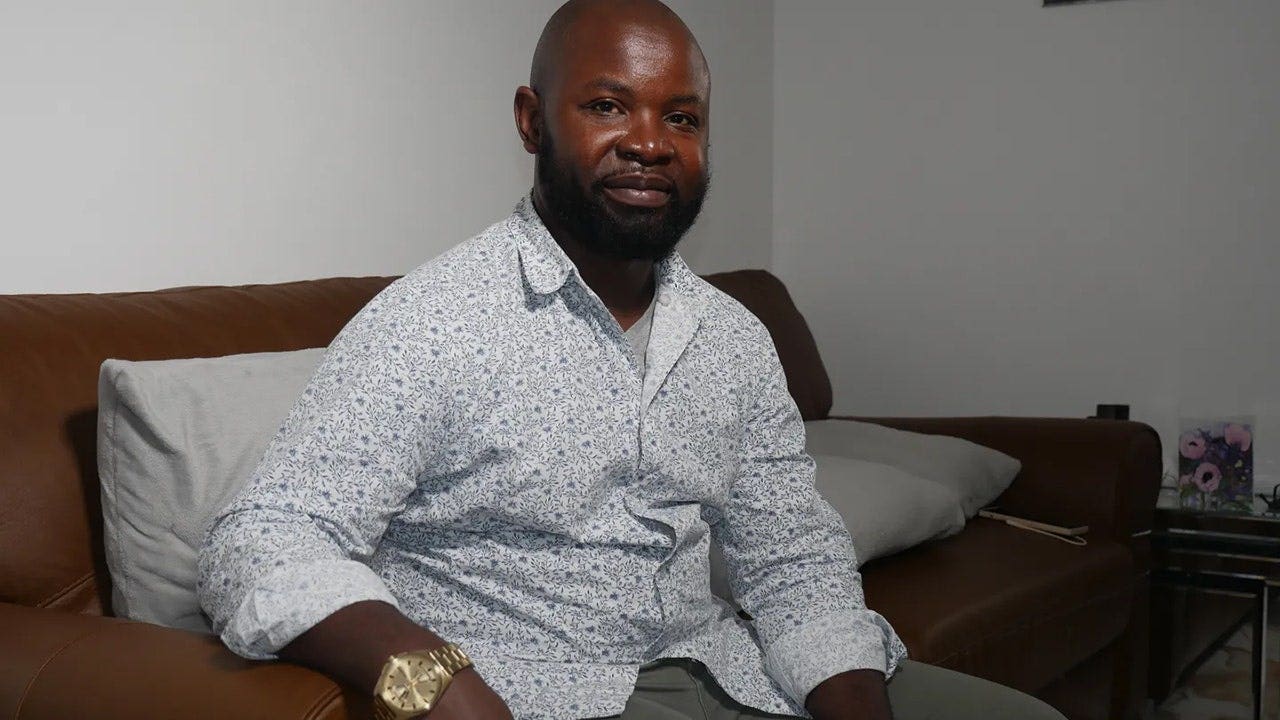
A British Christian social worker has won a discrimination case after a mental health charity withdrew a conditional job offer over his past comments on homosexuality, with the Court of Appeal ruling that he was treated unlawfully because of his religious beliefs.
asserted
he → win → beliefs
Felix Ngole had been offered a role as a hospital discharge mental health support worker in Wakefield, West Yorkshire, by Leeds-based charity Touchstone Leeds in May 2022.
uncertain
Ngole → offer → May
The offer was withdrawn the following month after the organisation discovered reports about his previous legal battle over comments he had made on social media.
asserted
he → withdraw → media
The Court of Appeal delivered its judgment on November 27, 2026, in
Felix Ngole v Touchstone Leeds, allowing Ngole’s appeal and dismissing the charity’s cross-appeal by a majority of two to one.
asserted
Ngole → deliver → one
The court also refused Touchstone’s request for permission to appeal to the Supreme Court.
asserted
court → refuse → Court
The dispute centred on whether the charity could withdraw the offer and subject Ngole to a further interview because of his publicly expressed religious beliefs, even though there was no evidence that he had mistreated or discriminated against a service user.
uncertain
he → centre → user
Job offer withdrawn after online search
Ngole’s comments dated back to 2015, when he was studying for a social work master’s degree at the University of Sheffield.
asserted
he → withdraw → Sheffield
During an online debate, he expressed opposition to same-sex marriage and wrote that “homosexuality is a sin.”
asserted
homosexuality → express → marriage
The university removed him from the course, saying his comments raised concerns about his suitability to become a social worker.
asserted
comments → remove → suitability
Ngole challenged the decision and won at the Court of Appeal in 2019.
asserted
Ngole → challenge → 2019
The court held that the university had wrongly treated the expression of his religious views as evidence that he would discriminate against others.
asserted
he → hold → others
He was subsequently able to complete his training and qualify as a social worker.
asserted
He → complete → worker
In 2022, Ngole applied for the role with Touchstone Leeds.
asserted
Ngole → apply → Leeds
After his interview, he was offered the position subject to satisfactory references.
asserted
he → offer → references
The charity later discovered media reports about his earlier case and withdrew the offer, telling him that his views on homosexuality and same-sex marriage went against its own stance.
asserted
views → discover → stance
Touchstone then offered to reconsider its decision if Ngole could assure it that his beliefs would not affect his work.
uncertain
beliefs → offer → work
He attended a second interview, but the charity ultimately declined to reinstate the offer.
asserted
charity → attend → offer
It said his comments could be upsetting or offensive to service users and could pose a significant risk to them.
uncertain
comments → say → them
Court divided over charity’s concerns
The case went through several stages before reaching the Court of Appeal.
asserted
case → divide → Appeal
In 2024, an employment tribunal found that Touchstone had directly discriminated against Ngole when it initially withdrew the conditional job offer.
asserted
it → find → offer
However, it rejected his further claims relating to the second interview and the charity’s final decision not to employ him.
uncertain
it → reject → him
In February 2026, the Employment Appeal Tribunal found that the earlier tribunal had made legal errors in its analysis of some of those claims and sent the disputed issues back for reconsideration.
uncertain
tribunal → find → reconsideration
Ngole appealed, arguing that the facts already established discrimination and that he should not have to undergo another tribunal hearing.
asserted
he → appeal → hearing
Touchstone also challenged the decision.
asserted
Touchstone → challenge → decision
The Court of Appeal’s majority, comprising Lady Justice Elisabeth Laing and Lord Justice Miles, agreed with Ngole.
asserted
majority → comprise → Ngole
Laing said his public expression of religious beliefs had occurred long before he applied for the job and could not become objectionable simply because of the nature of the role.
uncertain
he → say → role
Miles said the evidence indicated that Touchstone had been significantly influenced by media reports about Ngole’s views.
asserted
Touchstone → say → views
Although the beliefs might offend some people, he said they had been expressed in an objectively unobjectionable manner.
uncertain
they → offend → manner
Lord Justice Bean dissented.
asserted
Bean → dissent → ?
He said he would have dismissed Ngole’s appeal, arguing that Touchstone’s decision was based on concerns about potentially serious consequences for mentally unwell service users rather than reputational damage.
asserted
decision → say → damage
He considered the charity’s refusal to reinstate the offer to have been properly taken in the context of the role
Ngole calls ruling an important victory
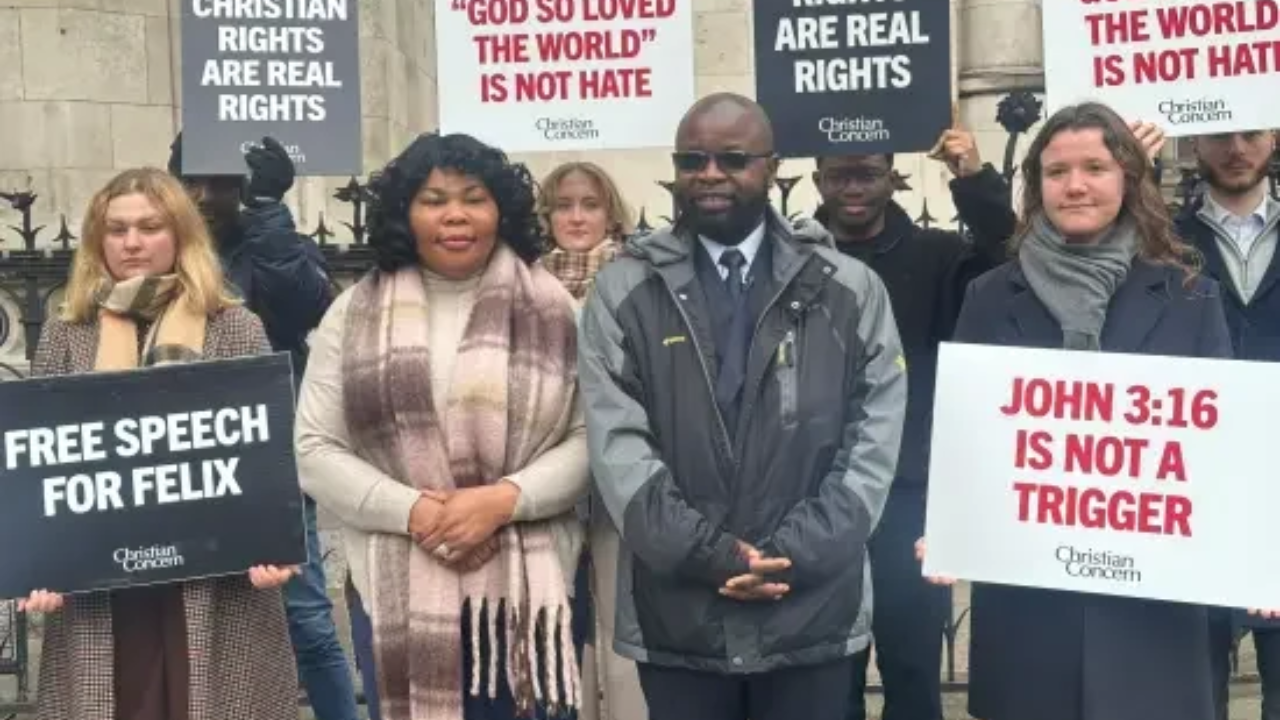
Following the judgment, Ngole said the decision was an important victory for his family and Christians across the country.
asserted
decision → consider → country
He maintained that he had never discriminated against anyone and that there was no evidence he would fail to treat service users with dignity, compassion and respect.
asserted
he → maintain → dignity
He also said that disagreement with his beliefs should not be equated with discrimination or treated as proof that he posed a danger to others.
asserted
he → say → others
Touchstone’s legal team had argued that the charity did not offer him the role after the second interview because it lacked confidence that he would actively promote LGBTQI+-specific services and tailor support to LGBTQI+ users.
asserted
he → argue → users
It also raised concerns about his response to awareness training and the possibility of complaints from service users.
asserted
It → raise → users
The ruling is likely to be closely watched by employers and organisations working with vulnerable people, as it addresses the balance between religious expression and workplace responsibilities.
asserted
it → watch → expression
It does not mean employers cannot assess candidates’ ability to perform a role, but the case makes clear that a person’s lawful expression of protected religious beliefs cannot, by itself, be treated as evidence that they will discriminate against others.
asserted
they → mean → others
Ngole told the Press Association that any question of compensation would be a conversation for another day.
asserted
question → tell → day
 The Aporia