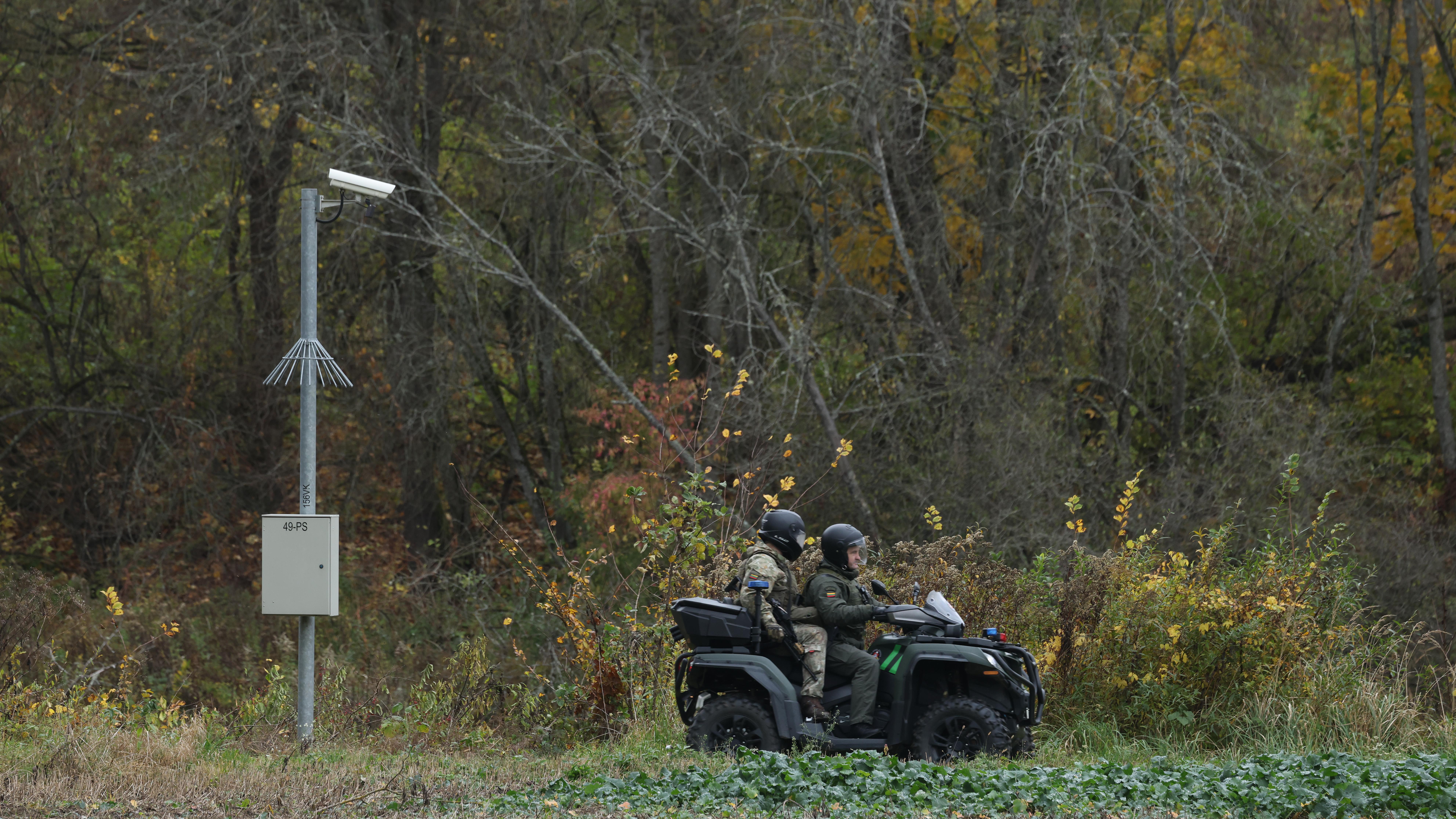
Photo via TIME

Why the Russian Exclave of Kaliningrad Is at the Center of a NATO Row

Read the original at TIME ↗
Cite

Sutherland, C. (2026, November 27). Why the Russian Exclave of Kaliningrad Is at the Center of a NATO Row. TIME. https://time.com/article/2026/11/27/russian-exclave-kaliningrad-threat-nato-tensions-ukraine-war/

Dated from the outlet's own feed. Check the original for its byline.

TIME · collected 2026-11-27 · by Callum Sutherland

Quick Summary

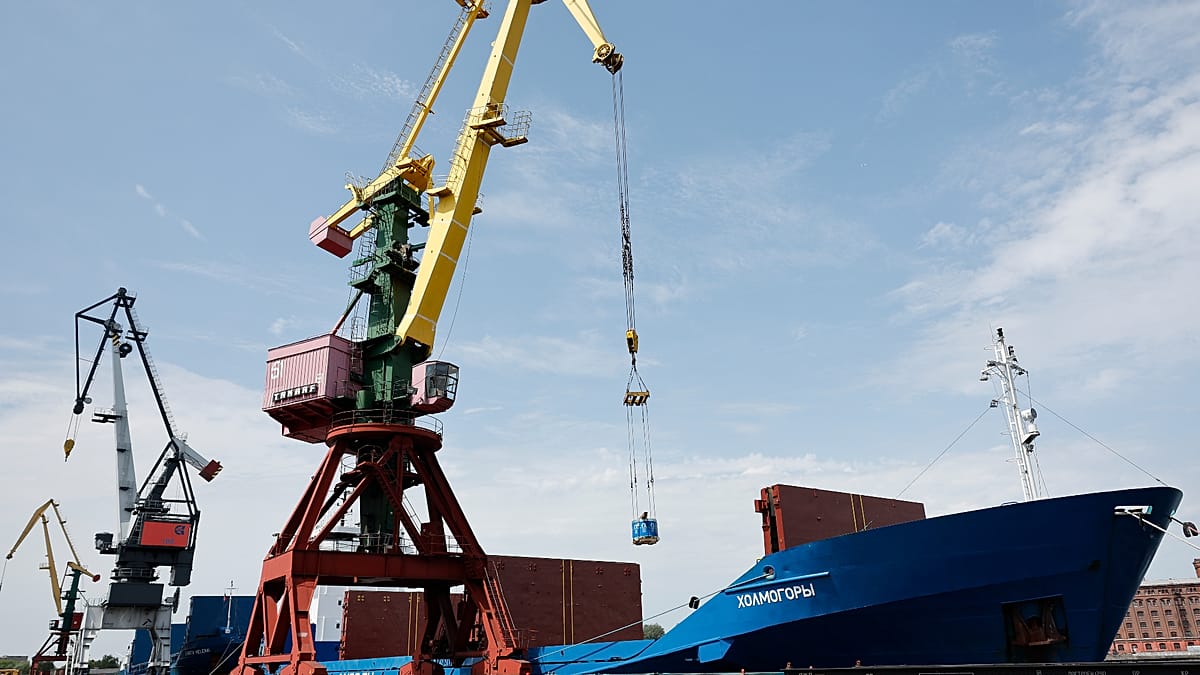
Russia is investing around 47 billion rubles ($572 million) to build two railway ferries between the Kaliningrad exclave and the Russian mainland, aiming to ensure the uninterrupted supply of essential goods and raw materials. This move comes amid tensions with NATO and concerns over potential transport blockades following Lithuania's implementation of E.U. sanctions against Russia after the invasion of Ukraine. The construction of the ferries is expected to address Russia's reliance on the ice-free port of Kaliningrad, which has seen a significant increase in maritime transport since 2022.
Written by AI on 2026-11-27, from this article's own text only (the story summary below draws on all the coverage).
See how they differ ↓

AI analysis

Story summary

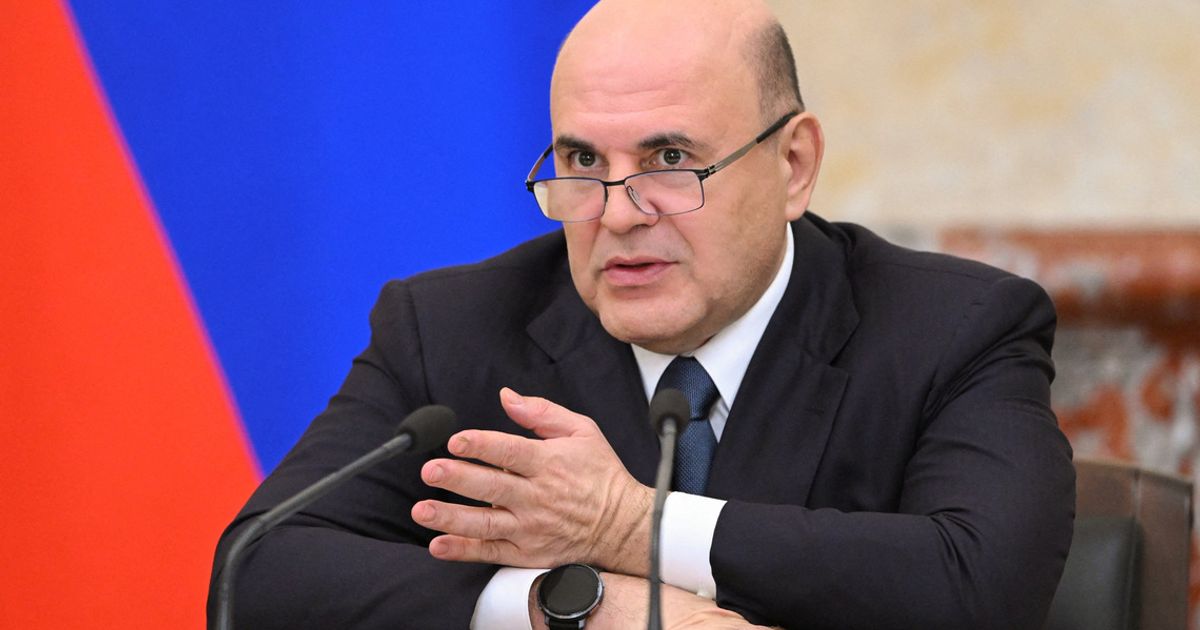
Russia will spend 47 billion roubles ($576 million) to build two giant rail ferries to ensure uninterrupted supplies to its Baltic exclave of Kaliningrad, located between Poland and Lithuania. This move comes in response to rising tensions and the ban on goods transit through Lithuania in 2022, in compliance with EU sanctions against Russia. Prime Minister Mikhail Mishustin announced the project, stating it aims to counter disruptions to logistics chains and potential transport blockades. The ferries, expected to be operational by 2030, will run between Baltiysk in Kaliningrad and Ust-Luga in Russia’s Leningrad region. Most of the funding for the project will come from Russia's National Wealth Fund, with the ferries being built in occupied Crimea. This development underscores Russia’s strategic importance of Kaliningrad as a logistical hub and military outpost, amidst concerns over NATO's potential to isolate the exclave.

Written for “Russian Plan to Secure Kaliningrad Supplies” on 2026-11-29, grounded in this article and the 3 other(s) covering the same event.

How they differ

4 outlets covered “Russian Plan to Secure Kaliningrad Supplies”.

What each outlet says

One AI summary per outlet of its latest article on this story, written from that article alone and checked against it. Open the article for the outlet's own words.

TimeThis outlet27 Nov

Russia is investing around 47 billion rubles ($572 million) to build two railway ferries between the Kaliningrad exclave and the Russian mainland, aiming to ensure the uninterrupted supply of essential goods and raw materials. This move comes amid tensions with NATO and concerns over potential transport blockades following Lithuania's implementation of E.U. sanctions against Russia after the invasion of Ukraine. The…

Why the Russian Exclave of Kaliningrad Is at the Center of a NATO Row (this article)
The Straits Times23 Nov

Russia plans to spend 47 billion roubles ($576 million) to build two large rail ferries to ensure supply stability to its Baltic exclave, Kaliningrad. The project aims to mitigate the effects of Lithuania's ban on certain goods transiting through its territory in compliance with EU sanctions against Russia. Prime Minister Mikhail Mishustin announced the initiative, which is part of Russia's response to increasing…

Russia to spend $576 million on building ferries to secure supplies to Kaliningrad exclave →
The Independent23 Nov

Russia plans to spend approximately £440 million to build two giant rail ferries to maintain supply routes to its Kaliningrad exclave, a militarized region bordered by NATO countries Poland and Lithuania. The project aims to secure logistics chains following Lithuania's ban on certain goods due to EU sanctions and recent attacks on shipping in the Baltic Sea. The ferries, set to operate by 2030 between Ust-Luga and…

Inside Russia’s £440 million plan to secure supplies to Kaliningrad exclave amid rising tensions with Nato →
Euronews24 Nov

Russia plans to build two rail ferries by 2030 to strengthen supply lines to its Kaliningrad exclave, citing disruptions caused by Lithuania and Poland's restrictions on transit following the 2022 invasion of Ukraine. The project, costing around 50 billion roubles, will be built in Crimea and will run between Baltiysk and Ust-Luga. Prime Minister Mikhail Mishustin claims unnamed countries are attempting to impose a…

Russia to build Kaliningrad exclave rail ferries, citing transport 'blockade' →

Where they agree and split

Framing

How the first headlines put it

An achievement2
The headlines (2)

Russia to spend $576 million on building ferries to secure supplies to Kaliningrad exclave The Straits Times · an achievement

Inside Russia’s £440 million plan to secure supplies to Kaliningrad exclave amid rising tensions with Nato The Independent · an achievement

The full story: what happened, how it changed, and all 4 articles →

Compared with similar articles

This article reads leans right and hedges 12% of its claims. Each row says how that neighbour differs.
Euronews
Leans right Hedges 1 of 19 claims Outlet record 60/100
The Straits Times
Hedges 0 of 11 claims Outlet record 65/100
“The articles discuss different aspects of geopolitical tensions between Russia and Ukraine; Article A focuses on the Kremlin's accusation of Ukraine's intent to widen the conflict, while Article B discusses maritime security incidents and Russia's allocation of funds for Kaliningrad's infrastructure.”
The Straits Times
Hedges 0 of 10 claims Outlet record 65/100
The Independent
Leans right Hedges 6 of 41 claims Outlet record 59/100
“The articles discuss different events involving Russia and NATO countries, with Article A focusing on Russia's threat to Estonia and Article B on the allocation of funds for railway ferries in Kaliningrad.”
The Independent
Leans right Hedges 4 of 18 claims Outlet record 59/100
“While both articles discuss the strategic importance of Kaliningrad, they focus on different aspects and timeframes.”

Story

Russian Plan to Secure Kaliningrad Supplies
Politics · 4 article(s) covering the same event. Compare every outlet's account →
How this article was measured signals, leaning charts, publisher record, byline, topics and claims

Signals How these are calculated →

Claims extracted
52
sentences that state something as happening or true
Uncertain
12%
6 of 52 hedged ("reportedly", "may", "according to")
Leaning
Leans right
of the writing, not the subject · beta estimate
Publisher signals
59/100
TIME's corrections and hedging, across everything collected from it. Not a measure of accuracy.
Outlets on this story
4
Politics
Same framing elsewhere
1
articles that frame the event the way this one does
Analyzed 2026-11-27 · how these are computed

How this is being covered How these are calculated →

Article leaning vs. publisher reliability
Source leaning vs. consistency

Publisher

TIME · 1149 article(s) · 3 correction(s) detected
Running correction rate · 3 correction(s)

Who wrote this

Callum Sutherland
24 article(s) here · 1 carrying a prediction
The planned railway ferries come amid concerns from Russia that NATO could use its Baltic presence to isolate Kaliningrad, presenting Moscow with a potential military challenge as the exclave is considered to be a vital asset.
He added that Beijing “reserves the right to take necessary measures and will resolutely safeguard its legitimate rights and interests.” The Trump Administration targeted 14 trading partners Wednesday in a slew of new tariffs that are set to come into effect early next year.
A quick glance on social media will tell you that it’s a hotly-debated topic, and one that people have firm opinions on.
The American Farm Bureau Federation (AFBF) estimates that the cost of Thanksgiving dinner this year will be up more than 6% compared to last year, with steep turkey prices and higher fuel costs driving up the bill.
The post was shared just hours before Tusk headed to a meeting in Berlin of the “Coalition of the Willing,” an initiative intended to bolster support for Ukraine more than four years after its invasion by Russia.
He also claimed that he would expect “significant potential benefits” from meeting the other leaders.
The state uses a ranked-choice voting system, which can make the process of certifying votes more complicated and would have resulted in a second round of vote tabulating if the leading candidate had received less than 50% of the first-round votes cast.
“I know what people will say about me: ‘He’s mad.
Millions of voters across the country are heading to the polls Tuesday to cast their ballots in the crucial midterms, which will define the final two years of President Donald Trump’s presidency.
Closing out a two-day E.U.-Canada summit in Montreal, Carney told reporters: “Today, the European Union and Canada are launching the ‘Alliance for the Future,’ a new partnership of nations that will leverage our strategic capabilities and a variable geometry of like-minded nations to address common issues.”
Also by Callum Sutherland
Nothing else under this byline is closely related to this article, so these are simply their most recent.
All 24 articles by Callum Sutherland →

Topics

Kaliningrad NATO Russia Russian Ukraine

Subjects

Russia GPE · 11× Kaliningrad GPE · 10× NATO ORG · 8× Russian NORP · 7× Lithuania GPE · 4× Ukraine GPE · 3× Baltic NORP · 2× Mishustin PERSON · 2× Moscow GPE · 2× Poland GPE · 1×

Narrative

“Russia has always seen Kaliningrad as a launching point for potential aggression against Europe, and as they have moved to a further threatening posture against NATO member states, Kaliningrad is of course important to support that,” says Mason Clark, director of the Defense of Europe Project at the Institute for the Study of War.
framing: assertive · carried by 1 article(s) · first seen 2026-11-27
The planned railway ferries come amid concerns from Russia that NATO could use its Baltic presence to isolate Kaliningrad, presenting Moscow with a potential military challenge as the exclave is considered to be a vital asset.

Claims (52 extracted, 6 hedged)

The Russian exclave of Kaliningrad on the Baltic Sea has the potential to become a flashpoint with NATO as recent maritime security incidents between Russia and Ukraine bring renewed attention to the territory nestled between two NATO members. asserted
incidents → have → members
Moscow on Monday announced the allocation of approximately 47 billion rubles (around $572 million) toward the construction of two railway ferries between the Russian mainland and Kaliningrad, which sits between Poland and Lithuania. asserted
which → announce → Poland
Prime Minister Mikhail Mishustin said the aim is “to ensure the region has an uninterrupted supply of essential goods and raw materials. asserted
region → say → goods
Russia relies heavily upon the ice-free port of Kaliningrad, especially since 2022, when Lithuania restricted the transit of certain Russian goods in line with E.U. sanctions put in place following Russia’s full-scale invasion of Ukraine. asserted
Lithuania → rely → Ukraine
In 2025, around 52% of goods in and out of the territory were transported via sea, compared to just 8% via the same route in 2021, according to stats shared by officials belonging to Rosmorport, a Russian state-owned port operator. uncertain
% → transport → Rosmorport
The planned railway ferries come amid concerns from Russia that NATO could use its Baltic presence to isolate Kaliningrad, presenting Moscow with a potential military challenge as the exclave is considered to be a vital asset. uncertain
exclave → plan → challenge
According to quotes carried by Russian state media, Mishustin said the investment was needed due to “the illegal actions of certain countries, disruptions to supply chains, and attempts at transport blockades [that] hinder the operations of businesses located there.” uncertain
that → accord → businesses
He did not specify which countries or specific actions he was referring to. asserted
he → specify → countries
TIME has reached out to Mishustin’s office for further comment. asserted
TIME → reach → comment
The news came shortly after Sparta II, a Russian cargo vessel that was bound for Kaliningrad, was struck in the Gulf of Finland on Nov. 21. asserted
that → come → Nov.
Ukrainian President Volodymyr Zelensky later said in an interview recorded Monday that Kyiv was responsible for the assault, arguing that Sparta II had been carrying military supplies and was therefore a credible target. asserted
II → say → supplies
Kremlin spokesperson Dmitry Peskov criticized the attack as an example of a “dangerous trend of expanding terrorist activity in the Baltic region.” asserted
Peskov → criticize → region
Russia is aiming for the ferries to go into operation in 2030, traveling between the ports of Ust-Luga in Russia's Leningrad region and Baltiysk in Kaliningrad. asserted
ferries → aim → Kaliningrad
The investment plan “shows that Russia thinks [Kaliningrad] is potentially a long-term vulnerability,” says Natia Seskuria, head of the Russia, Eurasia, and Black Sea security programme at the Royal United Services Institute think tank. asserted
Seskuria → show → tank
“Given the current security environment, and as [Russia] does not expect that this will necessarily ease, they're preparing for a long-term scenario. asserted
they → expect → scenario
On the same day the Russian vessel was struck in the Baltic Sea, Kaliningrad’s governor Alexei Besprozvannykh said that a drone alert had been activated near the Lithuanian border. asserted
alert → strike → border
He claimed it was triggered by a “suspicious object coming from the direction of Lithuania.” asserted
it → claim → Lithuania
Kęstutis Budrys, Lithuania’s Foreign Minister, staunchly rejected claims his country was involved in the incident. uncertain
country → reject → incident
“The Republic of Lithuania has never authorized the use of its airspace for attacks against targets in the Russian Federation, including in the present case,” he said. asserted
he → authorize → case
“NATO already perceives Kaliningrad as a potential flashpoint,” says Seskuria, arguing that these recent incidents will likely have raised pre-existing concerns. asserted
incidents → perceive → concerns
In late September, Russia sent a document to NATO warning it would be open to resorting to the use of nuclear weaponry if NATO attempted to isolate Kaliningrad. asserted
NATO → send → Kaliningrad
NATO Secretary General Mark Rutte told reporters on Sept. 30 that NATO had been “clear” in its response to Russia. asserted
NATO → tell → Russia
“Basically what we said is, ‘Hey, listen, we are [a] defensive alliance, and stop the nuclear threat. asserted
we → say → threat
This is absolutely not called for and not helpful. asserted
This → call → ?
And particularly stop the war in Ukraine, which is [an] unprovoked war of aggression against Ukraine,’” he said. asserted
he → stop → Ukraine
Russia’s Foreign Ministry spokesperson Maria Zakharova later dismissed NATO’s concerns, asserting that “ordinary Europeans are being scared with apocalyptic scenarios” in reference to the talk of nuclear threats. asserted
Europeans → dismiss → threats
The Baltic region has become particularly important within the context of NATO-Russia relations, with Finland and Sweden, both of which border the body of water, becoming members of the alliance in 2023 and 2024 respectively. asserted
both → become → 2023
With Kaliningrad proving to be a long-standing point of tension for NATO and its allies, here’s what to know about the strategically-important Russian exclave. asserted
Kaliningrad → prove → exclave
Kaliningrad refers to both the exclave as a whole, an area that stretches around 5,830 square miles, and the territory’s largest city. asserted
that → refer → miles
As of June 2025, the region’s total population stands at just over 1 million, around half of which live in the city of Kaliningrad. asserted
half → stand → Kaliningrad
Following World War II, part of East Prussia was ceded to the Soviet Union, with the rest given to Poland in alignment with the Potsdam Agreement signed by Allies in August 1945. asserted
rest → follow → August
The city of Koenigsberg was subsequently renamed Kaliningrad in honor of Mikhail Kalinin, who had served as the head of state for the Soviet Union. asserted
who → rename → Union
The city of Kaliningrad is around 400 miles away from Russia’s main landmass, bordered by Lithuania to the north and east and Poland to the south. asserted
city → border → south
“While it gives Moscow a forward presence, a base from which it can directly threaten Baltic states and Eastern Europe in general, its geography also makes it vulnerable,” says Seskuria. asserted
Seskuria → give → states
“Russia has always stressed on heavily fortifying it and militarizing this exclave.” asserted
Russia → stress → exclave
Due to its positioning deeper within Europe and its access to the Baltic Sea, Kaliningrad has become a key stronghold for Russia. asserted
Kaliningrad → become → Russia
“Russia has always seen Kaliningrad as a launching point for potential aggression against Europe, and as they have moved to a further threatening posture against NATO member states, Kaliningrad is of course important to support that,” says Mason Clark, director of the Defense of Europe Project at the Institute for the Study of War. asserted
Clark → see → War
Moscow has therefore bolstered the territory with military capabilities, particularly in recent years. asserted
Moscow → bolster → years
“Russia has S-300 and S-400 air defense systems based there, as well as, most importantly, Iskander-M systems, which are nuclear capable,” says Seskuria. asserted
Seskuria → have → systems
“Very crucially, it is a warm water port, which is important for Russia because its naval vessels can transit in and out of the port at all times of year,” says Clark. asserted
Clark → transit → year
…and 12 more, not listed.
Give feedback · no sign-in needed

No sign-in needed for now. Your note is sent without a name, so it cannot be answered.

History Support