Photo via The Independent

Inside Russia’s £440 million plan to secure supplies to Kaliningrad exclave amid rising tensions with Nato

Read the original at The Independent ↗
Cite

Gilliver, L. (2026, November 23). Inside Russia’s £440 million plan to secure supplies to Kaliningrad exclave amid rising tensions with Nato. The Independent. https://www.independent.co.uk/news/world/europe/russia-ferry-kaliningrad-exclave-nato-b3089954.html

Dated from the outlet's own feed. Check the original for its byline.

The Independent · collected 2026-11-23 · by Liam Gilliver

Quick Summary

Russia plans to spend approximately £440 million to build two giant rail ferries to maintain supply routes to its Kaliningrad exclave, a militarized region bordered by NATO countries Poland and Lithuania. The project aims to secure logistics chains following Lithuania's ban on certain goods due to EU sanctions and recent attacks on shipping in the Baltic Sea. The ferries, set to operate by 2030 between Ust-Luga and Baltiysk, highlight Russia's concern over potential supply disruptions and security threats in the area.
Written by AI on 2026-11-23, from this article's own text only (the story summary below draws on all the coverage).
See how they differ ↓

AI analysis

Story summary

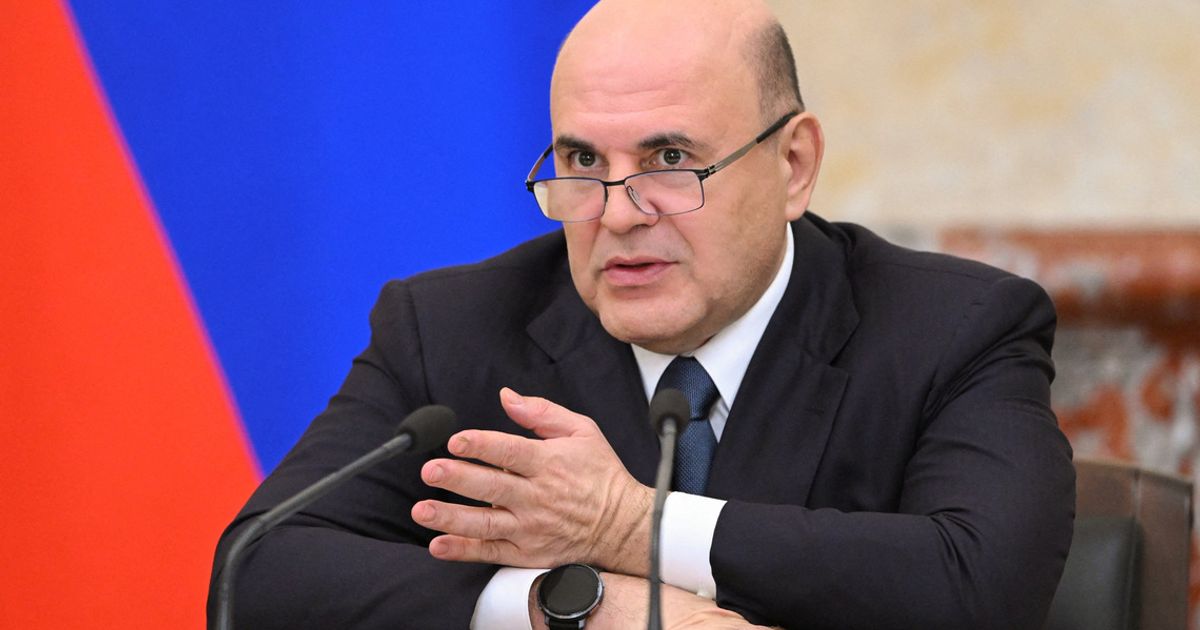
Russia will spend 47 billion roubles ($576 million) to build two giant rail ferries to ensure uninterrupted supplies to its Baltic exclave of Kaliningrad, located between Poland and Lithuania. This move comes in response to rising tensions and the ban on goods transit through Lithuania in 2022, in compliance with EU sanctions against Russia. Prime Minister Mikhail Mishustin announced the project, stating it aims to counter disruptions to logistics chains and potential transport blockades. The ferries, expected to be operational by 2030, will run between Baltiysk in Kaliningrad and Ust-Luga in Russia’s Leningrad region. Most of the funding for the project will come from Russia's National Wealth Fund, with the ferries being built in occupied Crimea. This development underscores Russia’s strategic importance of Kaliningrad as a logistical hub and military outpost, amidst concerns over NATO's potential to isolate the exclave.

Written for “Russian Plan to Secure Kaliningrad Supplies” on 2026-11-29, grounded in this article and the 3 other(s) covering the same event.

How they differ

4 outlets covered “Russian Plan to Secure Kaliningrad Supplies”.

What each outlet says

One AI summary per outlet of its latest article on this story, written from that article alone and checked against it. Open the article for the outlet's own words.

The IndependentThis outlet23 Nov

Russia plans to spend approximately £440 million to build two giant rail ferries to maintain supply routes to its Kaliningrad exclave, a militarized region bordered by NATO countries Poland and Lithuania. The project aims to secure logistics chains following Lithuania's ban on certain goods due to EU sanctions and recent attacks on shipping in the Baltic Sea. The ferries, set to operate by 2030 between Ust-Luga and…

Inside Russia’s £440 million plan to secure supplies to Kaliningrad exclave amid rising tensions with Nato (this article)
The Straits Times23 Nov

Russia plans to spend 47 billion roubles ($576 million) to build two large rail ferries to ensure supply stability to its Baltic exclave, Kaliningrad. The project aims to mitigate the effects of Lithuania's ban on certain goods transiting through its territory in compliance with EU sanctions against Russia. Prime Minister Mikhail Mishustin announced the initiative, which is part of Russia's response to increasing…

Russia to spend $576 million on building ferries to secure supplies to Kaliningrad exclave →
Euronews24 Nov

Russia plans to build two rail ferries by 2030 to strengthen supply lines to its Kaliningrad exclave, citing disruptions caused by Lithuania and Poland's restrictions on transit following the 2022 invasion of Ukraine. The project, costing around 50 billion roubles, will be built in Crimea and will run between Baltiysk and Ust-Luga. Prime Minister Mikhail Mishustin claims unnamed countries are attempting to impose a…

Russia to build Kaliningrad exclave rail ferries, citing transport 'blockade' →
Time27 Nov

Russia is investing around 47 billion rubles ($572 million) to build two railway ferries between the Kaliningrad exclave and the Russian mainland, aiming to ensure the uninterrupted supply of essential goods and raw materials. This move comes amid tensions with NATO and concerns over potential transport blockades following Lithuania's implementation of E.U. sanctions against Russia after the invasion of Ukraine. The…

Why the Russian Exclave of Kaliningrad Is at the Center of a NATO Row →

Where they agree and split

Framing

How the first headlines put it

An achievement2
The headlines (2)

Russia to spend $576 million on building ferries to secure supplies to Kaliningrad exclave The Straits Times · an achievement

Inside Russia’s £440 million plan to secure supplies to Kaliningrad exclave amid rising tensions with Nato The Independent · an achievement

The full story: what happened, how it changed, and all 4 articles →

Compared with similar articles

This article reads unscored and hedges 8% of its claims. Each row says how that neighbour differs.
The Straits Times
Hedges 0 of 10 claims Outlet record 65/100
TIME
Leans right Hedges 6 of 52 claims Outlet record 59/100
Euronews
Leans right Hedges 1 of 19 claims Outlet record 60/100

Story

Russian Plan to Secure Kaliningrad Supplies
Politics · 4 article(s) covering the same event. Compare every outlet's account →
How this article was measured signals, leaning charts, publisher record, byline, topics and claims

Signals How these are calculated →

Claims extracted
12
sentences that state something as happening or true
Uncertain
8%
1 of 12 hedged ("reportedly", "may", "according to")
Leaning
withheld
no quote in the article backed the model's score
Publisher signals
59/100
The Independent's corrections and hedging, across everything collected from it. Not a measure of accuracy.
Outlets on this story
4
Politics
Same framing elsewhere
1
articles that frame the event the way this one does
Analyzed 2026-11-23 · how these are computed

How this is being covered How these are calculated →

Article leaning vs. publisher reliability
Source leaning vs. consistency

Publisher

The Independent · 5249 article(s) · 11 correction(s) detected
Running correction rate · 11 correction(s)

Who wrote this

Liam Gilliver
52 article(s) here · 1 carrying a prediction
Russia’s full-scale invasion against Ukraine may reach a “tipping point” next year that sees Moscow defeated, claims Latvian President Edgars Rinkevics.
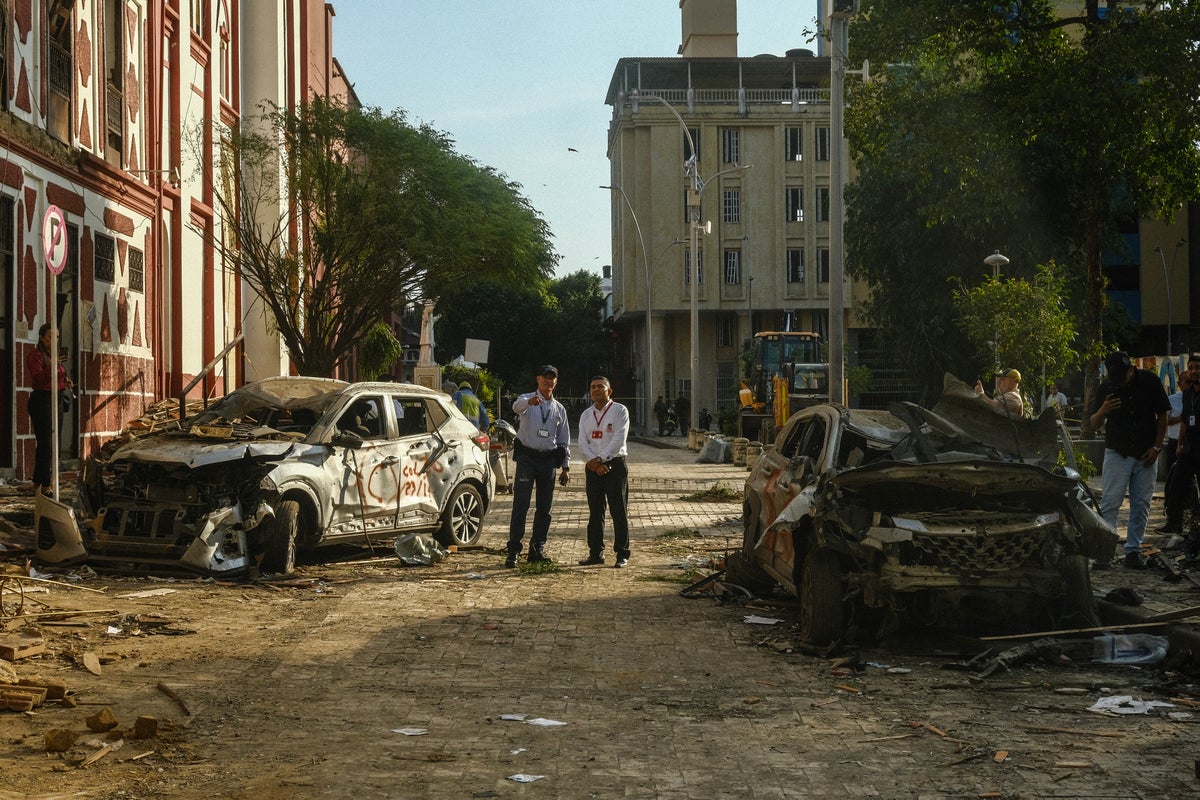
In a post on X (formerly Twitter), the conservative leader said that the “narco-terrorists” behind the attack in Villavicencio will “pay for every drop of blood they have shed, and for every building they have destroyed.”
According to local news, a court will now decide whether Mr Chibis will remain in custody at a hearing on Wednesday.
Russia’s full-scale invasion against Ukraine may reach a “tipping point” next year that sees Moscow defeated, claims Latvian President Edgars Rinkevics.
The alleged incursion comes after officials said that three Russian Kh-101 missiles landed in Poland on Friday, deepening concerns that the war could spill over into Nato territory.
Following the allegation, Estonia’s foreign ministry published a statement reading: “Estonia has never allowed, and will never allow, its territory to be used for military operations by another country.”
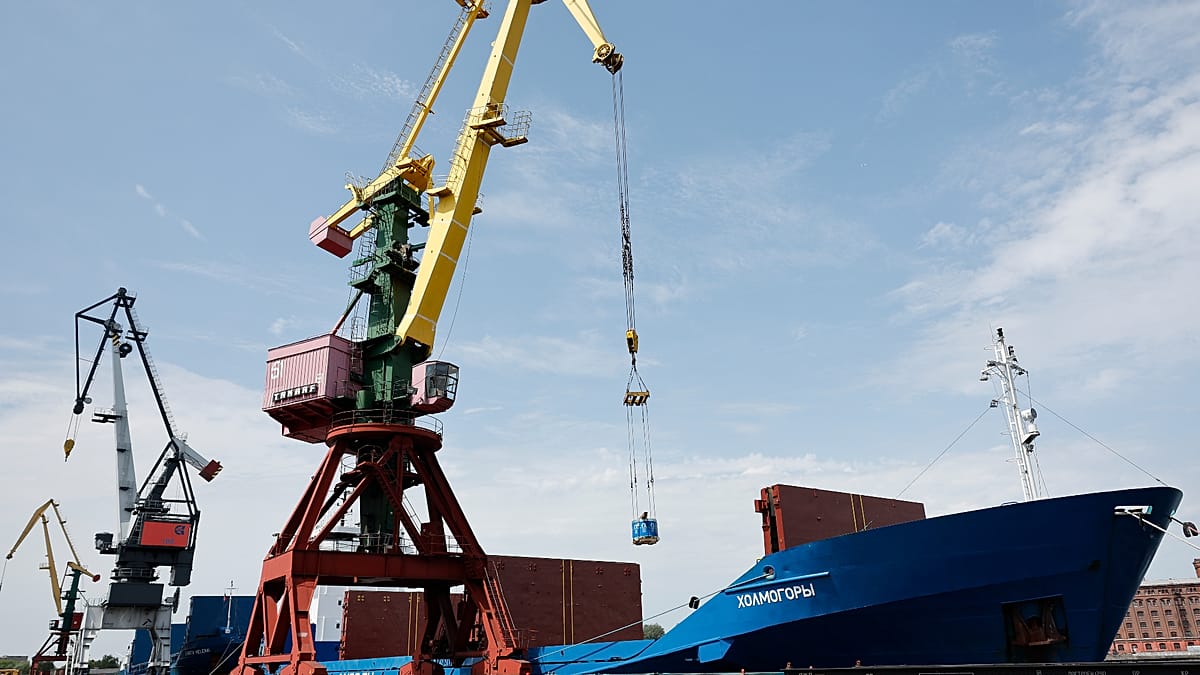
The two ferries are expected to go into operation in 2030 and operate between the port of Ust-Luga in Russia's Leningrad region and Baltiysk in Kaliningrad.
A high militarised Russian territory wedged between Poland and Lithuania could become a potential flashpoint with NATO, security analysts have warned.
The government also condemned the attack as a violation of the country's sovereignty and a threat to maritime safety and warned that it would take legal and diplomatic measures against anyone found responsible.
Ursula von der Leyen, the bloc’s president, said Ukraine would only need to repay the loan after Russia had paid reparations for damage caused by the war.
Also by Liam Gilliver
Nothing else under this byline is closely related to this article, so these are simply their most recent.
All 52 articles by Liam Gilliver →

Topics

Kaliningrad Lithuania Nato Russia Russian

Subjects

Kaliningrad GPE · 9× Russia GPE · 7× Nato ORG · 4× Lithuania GPE · 3× Russian NORP · 2× Ukraine GPE · 2× Baltic NORP · 1× Mihail Mishustin PERSON · 1× Moscow GPE · 1× Poland GPE · 1×

Narrative

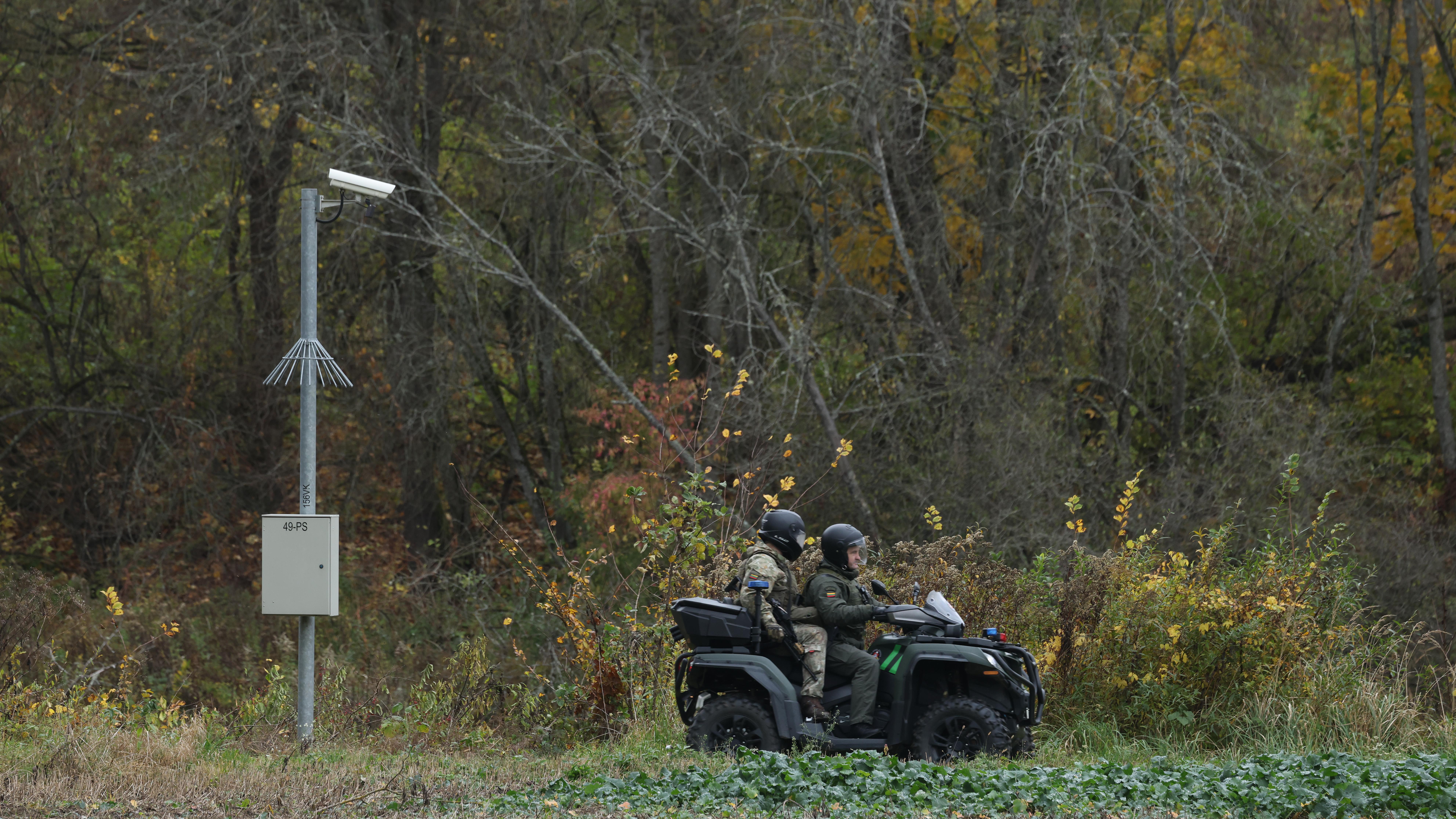
The highly militarised region is sandwiched between Poland and Lithuania and has been the centre of rising tensions between Russia and Nato in recent months. Kaliningrad provides Russia with a platform for air defence, missile and naval forces that can project power deep into northern and central Europe while also restricting Nato forces' ability to reach the Baltic member states overland.
framing: assertive · carried by 1 article(s) · first seen 2026-11-23
The two ferries are expected to go into operation in 2030 and operate between the port of Ust-Luga in Russia's Leningrad region and Baltiysk in Kaliningrad.

Claims (12 extracted, 1 hedged)

Russia has unveiled plans to spend 47 billion roubles (approximately £440 million) to build two giant rail ferries to ensure uninterrupted supplies to its tiny exclave of Kaliningrad. asserted
Russia → unveil → Kaliningrad
The highly militarised region is sandwiched between Poland and Lithuania and has been the centre of rising tensions between Russia and Nato in recent months. Kaliningrad provides Russia with a platform for air defence, missile and naval forces that can project power deep into northern and central Europe while also restricting Nato forces' ability to reach the Baltic member states overland. asserted
that → sandwich → states
But at the same time, it is boxed in between two Nato states, meaning it is difficult for Moscow to resupply or defend in the event of a war. asserted
Moscow → box → war
Kaliningrad has become increasingly reliant on the sea route since 2022, after Lithuania banned transit of many goods, including construction materials through its territory in compliance with the EU sanctions against Russia. asserted
Lithuania → become → Russia
"Kaliningrad region has a special geography, and due to the unlawful actions of certain countries, disruptions to logistics chains and attempts at a transport blockade are complicating the operations of enterprises located there," Prime Minister Mihail Mishustin said on Monday. asserted
Mishustin → have → Monday
The two ferries are expected to go into operation in 2030 and operate between the port of Ust-Luga in Russia's Leningrad region and Baltiysk in Kaliningrad. asserted
ferries → expect → Kaliningrad
Most of the money will come from Russia's rainy-day fund, according to Mishustin. uncertain
Most → come → Mishustin
The announcement comes after Sparta II, a Russian cargo ship with links to the military that transported cargo to Kaliningrad, was hit by drones and caught fire in the Baltic Sea on Saturday, in what Finland's military said was likely an attack by Ukraine, highlighting growing security risks in the region. asserted
military → come → region
Kaliningrad Governor Alexei Besprozvannykh said on 21 November that a drone alert went off in a district bordering Lithuania after an appearance of a "suspicious object." asserted
alert → say → object
In a document sent to Nato back in September, Russia warned the alliance it would be ready to resort to nuclear weapons if the Western alliance attempted to cut off Kaliningrad. asserted
alliance → send → Kaliningrad
Maritime shipping now accounts for over half of supplies to Kaliningrad, compared with just eight per cent in 2021, before the war in Ukraine started. asserted
war → account → Ukraine
About 30 ships, including four rail ferries, now transport goods between the exclave and Russian ports on the Baltic Sea. asserted
ships → include → Sea
Give feedback · no sign-in needed

No sign-in needed for now. Your note is sent without a name, so it cannot be answered.

History Support