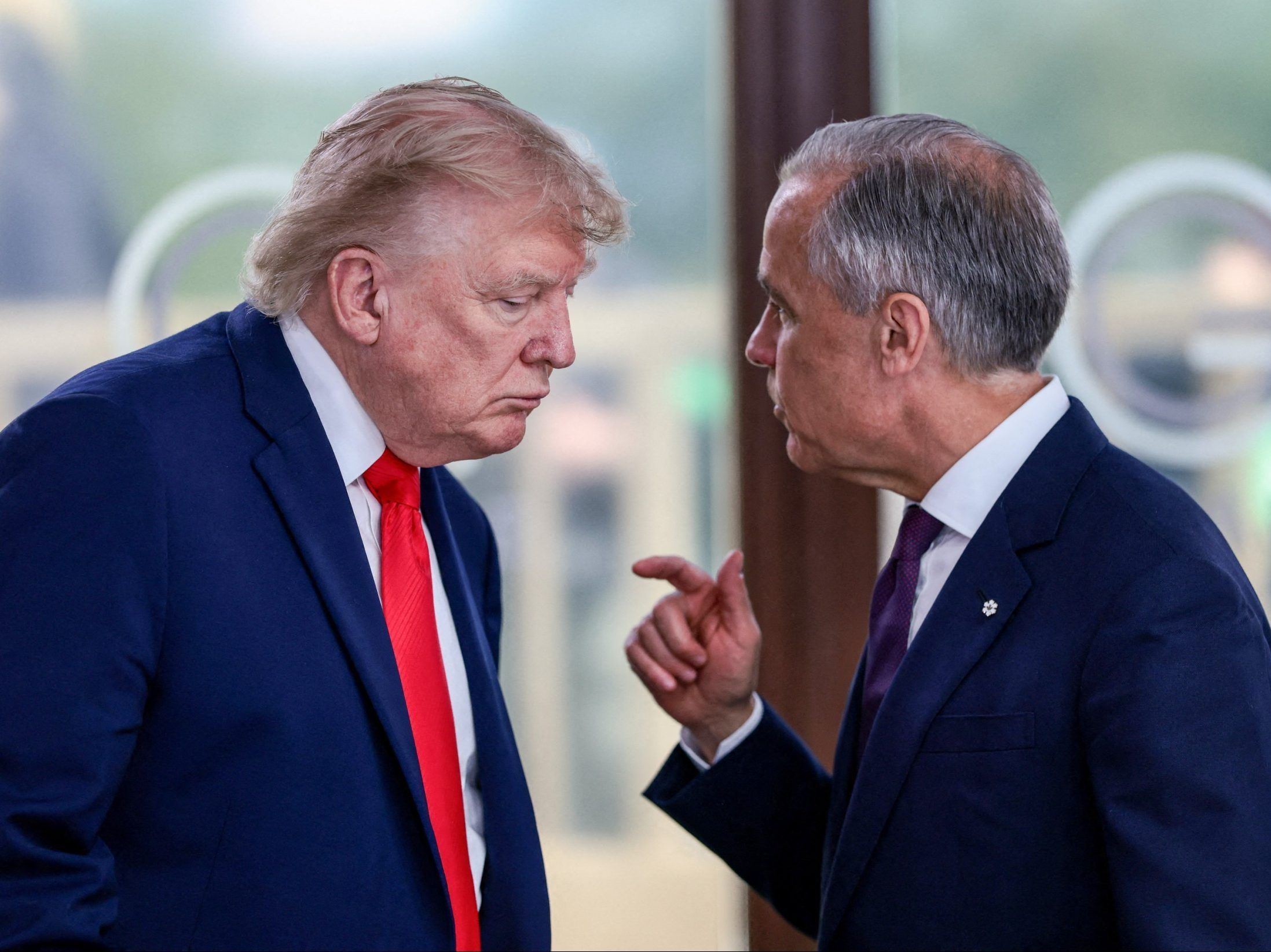
Washington is looking to strike a trade deal that “accommodates” Canada in North American steel, aluminum and automobile sectors, U.S. Trade Representative Jamieson Greer said Wednesday.
asserted
Greer → look → sectors
Trade talks between the two nations picked up this month, with Greer saying negotiations are resting on a few key sectoral sticking points.
“It really comes down to some sticking points, which we’ve talked about before.
asserted
we → pick → which
These are things like autos, steel, aluminum, et cetera,” he said in an interview with American news network CNBC.
asserted
he → say → CNBC
These three sectors, along with lumber, are subject to steep 25 per cent tariffs imposed under Section 232 of the U.S. Trade Expansion Act.
asserted
sectors → impose → Act
In August, shortly after trade talks broke down between Ottawa and Washington, U.S. President Donald Trump said the U.S. would double these tariffs to 50 per cent starting Jan. 1, 2027.
asserted
U.S. → break → Jan.
The Bank of Canada warned in April that sectoral tariffs are already “adversely affecting the Canadian economy.”
asserted
tariffs → warn → economy
The U.S. had seen a “resurgence” in steel, aluminum and auto manufacturing and Trump wanted to maintain America’s advantage, Greer said in his interview on Wednesday.
asserted
Greer → see → Wednesday
“We’re seeing a lot of resurgence in autos and steel.
asserted
We → see → autos
So the president wants to be careful about any potential modifications on that front, including with Canada,” he said.
asserted
he → want → Canada
Trump, however, was open to a deal that “accommodates” Canada, Greer said.
asserted
Greer → accommodate → Canada
“We want to make sure that North American trade in these products is beneficial for the United States, obviously.
asserted
trade → want → States
There will have to be something that accommodates Canada as well, if there’s a change that’s made,” he added.
asserted
he → have → Canada
Trade talks collapsed between Canada and the United States in August after Ottawa walked away from the negotiating table in response to last-minute terms that Prime Minister Mark Carney said the U.S. demanded, including restrictions on Canada entering into new trade deals with other countries.
asserted
Canada → collapse → countries
In another interview last week, Greer said Canada and the U.S. were “fairly close” to finalising a trade deal.
asserted
Canada → say → deal
“We’ve made a lot of progress.
asserted
We → make → progress
I think we’re fairly close on finding a landing zone,” Greer told Fox News in an interview Sunday.
asserted
Greer → think → interview
The new Quebec college of physicians president wants to reform the code of ethics
- Canada-U.S. defence spat heightens as Pentagon prepared to ‘up the ante’
asserted
Pentagon → want → ante
- Nova Scotia launches Support Our Troops licence plate benefiting military charity
- Nova Scotia pulls amusement ride’s licence after 5 children hurt at Christmas event
Both sides have renewed their efforts this month after Trump’s Republican Party received a drubbing in the U.S. midterms elections, which saw several Democratic candidates blame Trump’s trade war on Canada for the high cost of living.
“We’re trying to manage North American trade in auto steel and aluminum.
asserted
We → launch → steel
We’re still having constructive conversations with our Canadian counterparts,” Greer said.
asserted
Greer → have → counterparts
“The leaders discussed the work underway to reach a mutually beneficial trade agreement that would create good jobs, boost affordability, and fully respect Canada’s languages, culture, and sovereignty.
asserted
that → discuss → languages
They agreed to continue the work and to stay in close contact,” Carney’s office said in a statement.
asserted
office → agree → statement
Canada’s chief trade negotiator, Janice Charette, told a federal advisory committee that “multiple trade issues” remain outstanding with the United States and are preventing a deal, several sources who were briefed by the federal government have told Global News.
asserted
who → tell → News
The biggest issue still outstanding is the 25 per cent U.S. tariff on Canadian automobiles, according to sources in the meeting.
uncertain
issue → accord → meeting
Negotiations around auto tariffs were a core reason trade talks between the Carney government and Trump administration fell apart in August.
asserted
talks → fall → August

 The Aporia