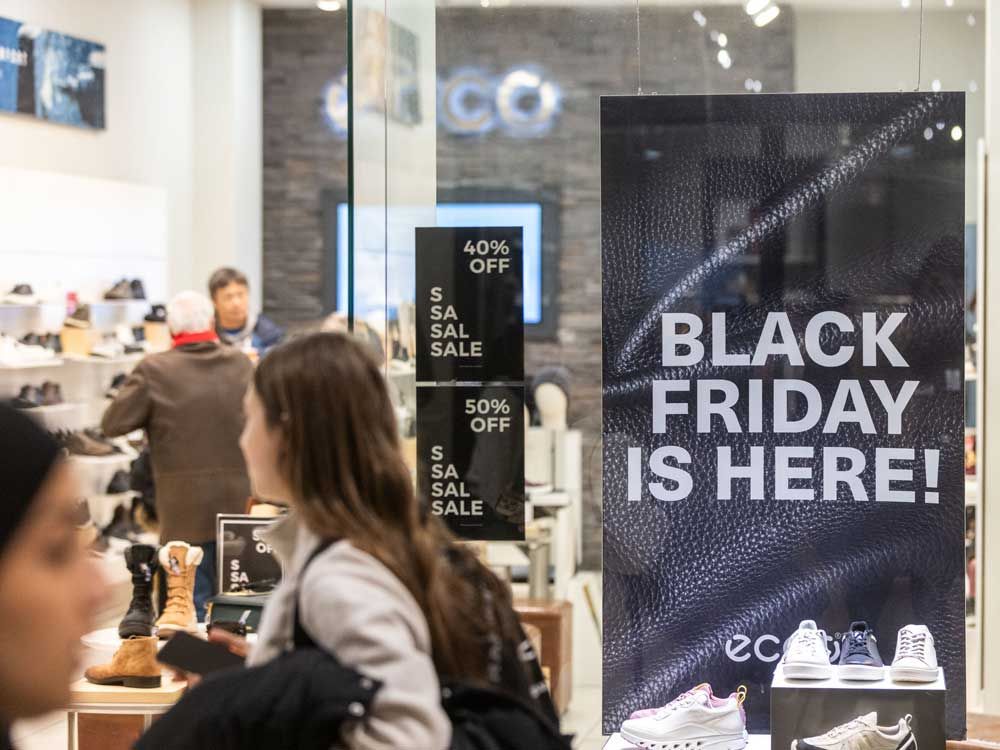
Millions of Australians will be hunting for a bargain in the coming days as the Black Friday and Cyber Monday sales period reaches full swing.
asserted
period → hunt → swing
But sneaky marketing tactics could lead shoppers to think they are getting bigger savings than they are.
uncertain
they → lead → savings
"Consumers should be aware that a 'sale' sign doesn't always mean it's a good deal," ACCC deputy chair Catriona Lowe said.
asserted
Lowe → mean → ?
This year, Black Friday falls on November 27.
asserted
Friday → fall → November
We'll also get Cyber Monday on November 30.
asserted
We → get → November
How can I make sure I'm getting the best price?
asserted
I → make → price
The best way to avoid getting duped by misleading sale ads is to focus on the end price of a product, rather than the discount, the ACCC says.
asserted
ACCC → avoid → product
That means you should check for any exclusions or conditions and compare prices between retailers and over time where possible.
But if you start your shopping with a plan, you're more likely to ensure you're getting the best deal.
asserted
you → mean → deal
Financial comparison site Canstar recommends you:
asserted
Canstar → recommend → you
- Start with a list of what you actually need and a firm budget
- Compare prices with other known retailers
- Sleep on anything over $100
Red flags to watch for from new sites
Throughout the year you might buy from trusted brands, but the bargain hunt might lead you to websites you haven't used before.
uncertain
you → start → websites
Asha Rao, a cybersecurity professor at RMIT, says to be wary if:
- The offer is a much lower price than other stores
- You have never heard of that shop before
- The website is appearing as a sponsored result when doing a search
Four essential steps
Let's say you've been holding out on buying an appliance until the Black Friday sales hit.
asserted
sales → say → appliance
You might be tempted to go with the first cheap offer you see, but Professor Rao says you should run through this checklist before checking out.
uncertain
you → tempt → checklist
It's important to shop around.
asserted
It → shop → ?
"Make a note of their price – take a screenshot so you know exactly what the specifications of the product are," Professor Rao says.
asserted
Rao → make → product
"Check other stores, and see if you can find the same item, noting the specifications, as prices can vary when the specifications are not exactly the same.
asserted
specifications → check → specifications
"
Don't just go by looks, because sometimes two products can look the same but be slightly different.
asserted
products → go → looks
"Often stores bring in products only for these sales, making it much harder to do comparisons," Professor Rao says.
"
asserted
Rao → bring → comparisons
The product on sale may not have all the features you are looking for.
uncertain
you → have → features
"
Look out for slight variations in the specific product name or the model number — an older iteration of the item might have a lower model number than the newer one you're looking for.
uncertain
you → look → one
Professor Rao says the next step is to check for independent reviews of that product.
asserted
step → say → product
"Google often has such reviews – check if the responses are mostly positive, and [ask] 'what do the negative reviews complain about?'" she says.
asserted
she → have → what
"[On forums] take note of not only the query from the poster, but the answers and what they say about the product.
asserted
they → take → product
"These will probably not give you a full picture per se, but should help you make a decision."
asserted
you → give → decision
Professor Rao suggests paying with a credit card with a smaller limit, just in case.
uncertain
Rao → suggest → case
You could also use a debit card for an account you only transfer just enough money into.
uncertain
you → use → money
What misleading marketing tactics can I look out for?
asserted
I → look → tactics
The ACCC says it is cracking down on misleading practices and will be keeping a close eye on retailers during the sales period.
asserted
it → say → period
While the ACCC says these practices aren't illegal, their basis needs to be genuine.
asserted
basis → say → ?
For example, retailers can't claim a sale will end at midnight and then extend it when the deadline ends.
uncertain
deadline → claim → it
If you're an avid online shopper, chances are that at least once, a website home page has greeted you with a clock ticking down the seconds until a sale ends.
asserted
sale → greet → seconds
Canstar says the "age-old trick" is designed to rush you to make your purchase without stopping to compare prices.
asserted
trick → say → prices
This tactic exploits the same psychology as a countdown timer.
asserted
tactic → exploit → timer
A retailer might tell you there are only two items left in your size, or that dozens of other shoppers are currently viewing the same item.
uncertain
dozens → tell → item
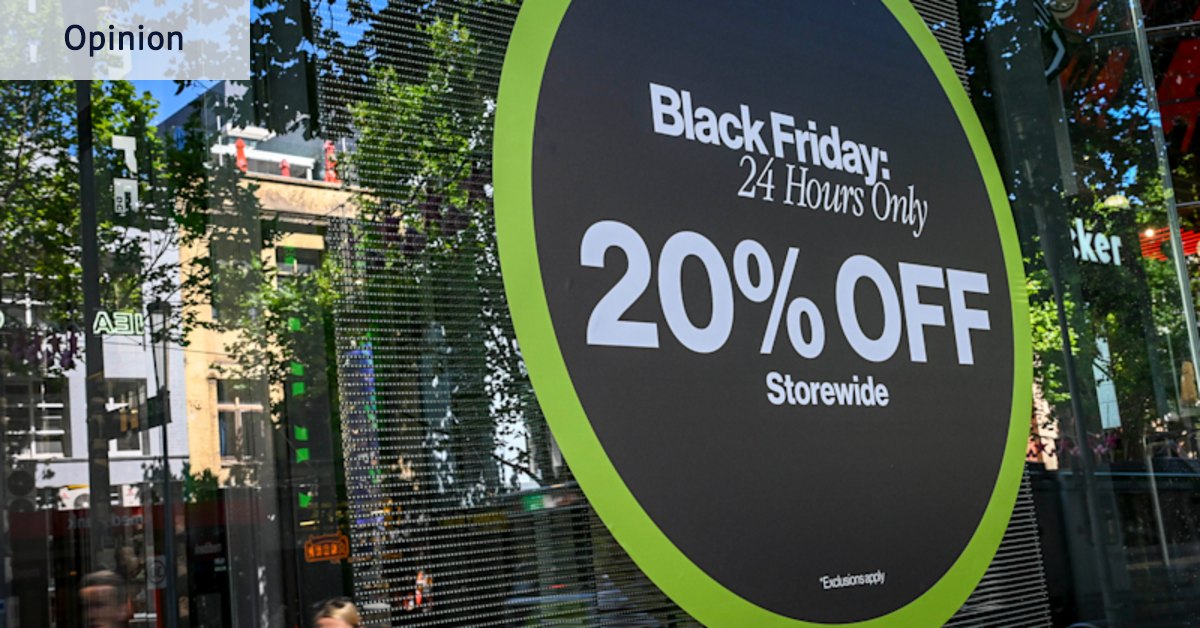
Stores often advertise 'site-wide' or 'storewide' discounts during sales periods.
asserted
Stores → advertise → periods
But watch out for instances where a large portion of stock is actually excluded from the sale.
asserted
portion → watch → sale
The same goes for the "fine print".
asserted
same → go → print
On store home pages, you're likely to find plenty of banners with phrasing along the lines of "up to 50 per cent off".
asserted
you → find → lines
It sounds like a great deal, but Canstar says in reality, it's often that only a handful of items are discounted that heavily.
asserted
handful → sound → items
The ACCC says it's not OK for retailers to try and tuck away that wording in order to make their discounts seem broader.
asserted
discounts → say → order
Some stores might compare their sale price to what's called a reference price to lure shoppers into thinking they're getting a bargain.
The ACCC warns some dodgy dealers might use reference prices to mislead shoppers when those items were never, or not recently, sold at that price.
uncertain
items → compare → price
…and 4 more, not listed.
 The Aporia