Photo via BBC News

Code cracked for shipwreck padlock solving 400-year-old mystery

Read the original at BBC News ↗
Cite

Williams, M. (2026, November 3). Code cracked for shipwreck padlock solving 400-year-old mystery. BBC News. https://www.bbc.co.uk/news/articles/c69qz9jzq4jro?at_medium=RSS&at_campaign=rss

Dated from the outlet's own feed. Check the original for its byline.

BBC News · collected 2026-11-04 · by Meleri Williams

Quick Summary

Experts used modern CT scanning technology to unlock a 400-year-old brass padlock discovered by metal detectorist Peter Hughes in Wales in 1999. The padlock is believed to be from the shipwreck of the Ann Francis, which sank off the Welsh coast in December 1583 while returning from Spain. The code "ANCE" was deciphered after years of attempts by Hughes and museum experts. Dr David Williams of Cardiff University described cracking the code as solving a complex puzzle.
Written by AI on 2026-11-06, from this article's own text only (the story summary below draws on all the coverage).
See how they differ ↓

AI analysis

Story summary

Experts have cracked a four-letter code to open an ancient brass padlock from a shipwreck off the Welsh coast using modern scanning technology, solving a 400-year-old mystery. The lock was found by metal detectorist Peter Hughes in 1999 near Margam Beach in Port Talbot and is believed to have protected valuable items like Spanish silver coins or secured chests containing documents or textiles that did not survive. Researchers from Cardiff University and Amgueddfa Cymru (Museum Wales) used CT scanning to identify the combination as ANCE without damaging the lock, which was part of a treasure hoard from the shipwrecked Ann Francis, caught in a storm off the Welsh coast on December 28, 1583. The discovery provides context for understanding the cargo and artifacts from this historic wreck.

Written for “Code Cracked in Shipwreck Padlock” on 2026-11-22, grounded in this article and the 1 other(s) covering the same event.

How they differ

2 outlets covered “Code Cracked in Shipwreck Padlock”.

What each outlet says

One AI summary per outlet of its latest article on this story, written from that article alone and checked against it. Open the article for the outlet's own words.

BBCThis outlet4 Nov

Experts used modern CT scanning technology to unlock a 400-year-old brass padlock discovered by metal detectorist Peter Hughes in Wales in 1999. The padlock is believed to be from the shipwreck of the Ann Francis, which sank off the Welsh coast in December 1583 while returning from Spain. The code "ANCE" was deciphered after years of attempts by Hughes and museum experts. Dr David Williams of Cardiff University…

Code cracked for shipwreck padlock solving 400-year-old mystery (this article)
Times of India6 Nov

Researchers used CT scanning technology to solve a four-century-old brass combination lock from a shipwreck off the Welsh coast that occurred in 1583. The lock, found on Margam Beach near Port Talbot and recovered by metal detectorist Peter Hughes over two decades, was opened using the code ANCE without damaging it. Cardiff University and Amgueddfa Cymru (Museum Wales) collaborated to reveal the internal mechanism…

CT scans cracked the code of a brass lock from a 1583 shipwreck off Wales, 443 years later, intact →

Compared with similar articles

This article reads unscored and hedges 9% of its claims. Each row says how that neighbour differs.
Times of India
Hedges 6 of 35 claims Outlet record 58/100

Story

Code Cracked in Shipwreck Padlock
Technology · 2 article(s) covering the same event. See how they differ ↑
How this article was measured signals, leaning charts, publisher record, byline, topics and claims

Signals How these are calculated →

Claims extracted
34
sentences that state something as happening or true
Uncertain
9%
3 of 34 hedged ("reportedly", "may", "according to")
Leaning
not political
takes no side on a contested political question
Publisher signals
65/100
BBC News's corrections and hedging, across everything collected from it. Not a measure of accuracy.
Outlets on this story
2
Technology
Same framing elsewhere
1
articles that frame the event the way this one does
Analyzed 2026-11-06 · how these are computed

How this is being covered How these are calculated →

Article leaning vs. publisher reliability
Source leaning vs. consistency

Publisher

BBC News · 6445 article(s) · 9 correction(s) detected
Running correction rate · 9 correction(s)

Who wrote this

Meleri Williams
3 article(s) here · 1 carrying a prediction
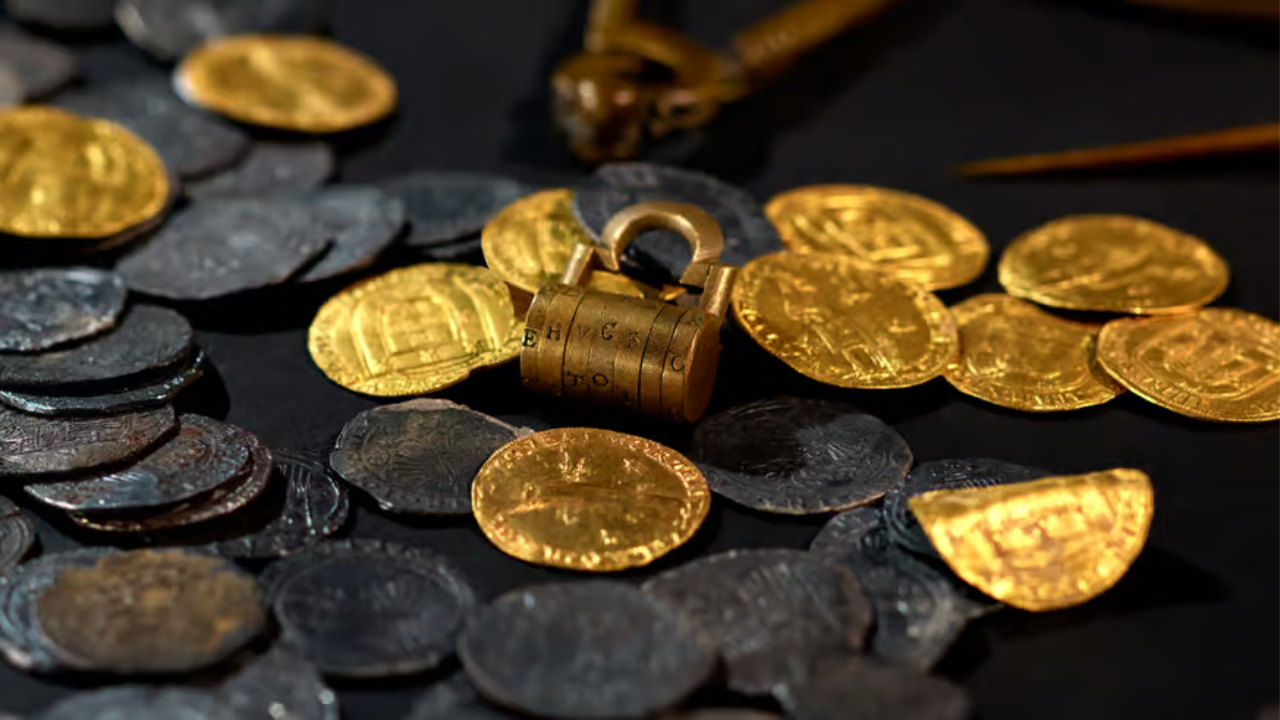
Found near a collection of Spanish silver coins and close to two coin weights, it is thought the lock may have protected these objects or secured a chest containing valuable items that did not survive, like documents or textiles.
He also said that brandishing an axe in public would have been "extremely frightening for those around" but that he "didn't intend to harm anyone".
Sentencing McKenna, Thomas said: "You had been in a relationship with a woman of whose vulnerabilities you would have been fully aware. "
Also by Meleri Williams
Nothing else under this byline is closely related to this article, so these are simply their most recent.

Topics

Amgueddfa Cymru Margam Port Talbot Spain Welsh

Subjects

Amgueddfa Cymru ORG · 3× Peter Hughes PERSON · 2× Ann Francis PERSON · 1× Cardiff University ORG · 1× Maesteg GPE · 1× Margam GPE · 1× Port Talbot GPE · 1× Spain GPE · 1× Spanish NORP · 1× Welsh NORP · 1×

Narrative

"This is a wonderful example of one that still functions as it would have done hundreds of years ago," she said. "Because it was found so close to the wreck of the Ann Francis and with all the material that's part of that collection, it provides a really good context, it allows us to really tightly date it.
framing: assertive · carried by 1 article(s) · first seen 2026-11-06
Found near a collection of Spanish silver coins and close to two coin weights, it is thought the lock may have protected these objects or secured a chest containing valuable items that did not survive, like documents or textiles.
2026-11-06 · BBC News
Code cracked for shipwreck padlock solving 400-year-old mystery · assertive framing

Claims (34 extracted, 3 hedged)

- Published Experts have cracked a four-letter code to open an ancient padlock from a shipwreck off the Welsh coast using modern scanning technology. asserted
Experts → publish → technology
The 400-year-old brass lock was discovered by metal detectorist Peter Hughes in the sand near Margam in Port Talbot, in 1999. asserted
lock → discover → 1999
It forms part of a wider treasure hoard from the Ann Francis ship that was caught in a storm on 28 December 1583 on the way back from Spain. asserted
that → form → Spain
Its cargo was hidden beneath the sand for centuries. asserted
cargo → hide → centuries
Museum experts have used CT scanning to examine the lock's internal mechanism, identify the correct letter combination and solve the mystery. asserted
experts → use → mystery
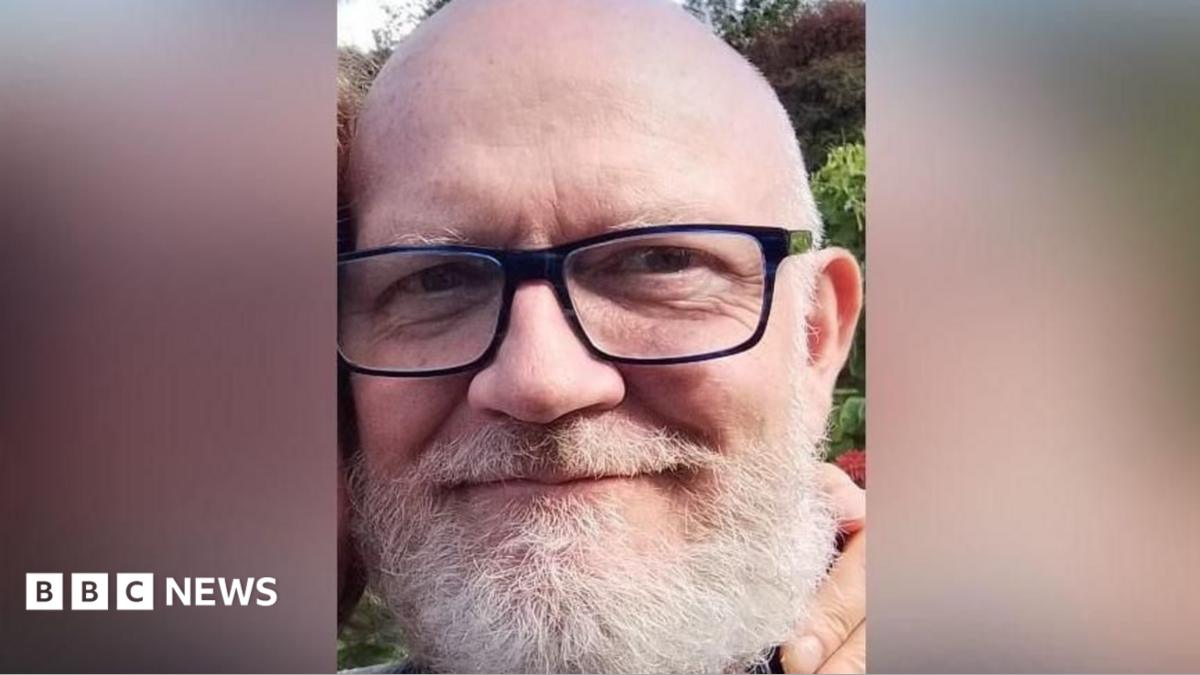
Peter Hughes, from Maesteg, said the padlock was one of hundreds of artefacts he found after decades of searching on Morfa beach. asserted
he → say → beach
Found near a collection of Spanish silver coins and close to two coin weights, it is thought the lock may have protected these objects or secured a chest containing valuable items that did not survive, like documents or textiles. uncertain
that → find → documents
I was walking along the beach with my metal detector on a day off, and I came across a coin," the 69-year-old said. asserted
old → walk → coin
"That was the start of a journey that lasted 21 years." asserted
that → last → journey
He said he was "delighted" that the expert team at Amgueddfa Cymru and Cardiff University cracked the padlock code after he spent years trying to solve the mystery himself. asserted
he → say → mystery
"I tried to unlock it for about 20 years, I tried moving the dials, finding the right combinations, and I failed," he said. asserted
he → try → combinations
"But with the aid of modern technology we've been able to crack what's like the Da Vinci code, really. " asserted
what → crack → code
For me, it's like opening the Ark of the Covenant, and I'm delighted, truly thrilled." asserted
I → open → Covenant
'Cracking the code was like a puzzle' asserted
Cracking → crack → puzzle
Dr David Williams, a research associate based at Cardiff University's School of Engineering, said he was "sceptical" when he was asked to use a scanning device to try and solve the mystery. " asserted
he → base → mystery
It's challenging, the device we have is not designed to this particular purpose," he said. asserted
he → have → purpose
"This is micro CT scanning, something you'd get at the hospital, but for smaller items." asserted
you → get → items
Williams said he was "always open to a challenge" and trying to "figure out a puzzle". asserted
he → say → puzzle
"We did a first scan to see if we could see anything and we were quite surprised that we could see letters," he said. "The second scan went terribly, but with the third scan, we tried a different approach, and figured out the code. " uncertain
we → do → code
I was blown away that we actually cracked it." asserted
we → blow → it
Hughes passed on the hoard of artefacts to Amgueddfa Cymru in 2017, and the collection, with the lock in the centre, was put on display at Swansea Waterfront Museum in July 2026. asserted
collection → pass → July
Senior curator Alastair Willis said the discovery of the code, which spells out ANCE, was "incredible". asserted
which → say → ANCE
"It's really complex because there are so many combinations," he said. asserted
he → be → ?
"There are four different rings, and because there are six different letters on each of the rings, there are 1,296 different combinations, and you have to make sure they're aligned with the loop at the top." asserted
they → be → top
His colleague at Amgueddfa Cymru, senior curator Siân Iles, said the lock was in "excellent condition" and paints a picture of the period. asserted
lock → say → period
"This is a wonderful example of one that still functions as it would have done hundreds of years ago," she said. "Because it was found so close to the wreck of the Ann Francis and with all the material that's part of that collection, it provides a really good context, it allows us to really tightly date it. asserted
us → function → it
I've seen others, and they're usually corroded and in different parts, but it was in wonderful condition. asserted
it → see → condition
"It's a small object so it probably would have been a lock for a chest or a small box, we don't know the content, and that's part of the story, there are some things we'll never know, but it's something that would have meant something to the person who knew that code. asserted
who → know → code
" What should you do if you discover treasure? Treasure has a variety of definitions, external, as per the Treasure Act of 1996. In Wales, if you find treasure it must be reported to a Finds Liaison Officer, external within 14 days of first finding it or within 14 days of realising an item might be treasure, even if you have had it for longer. Only items officially defined as treasure need to be reported and there is a fine or up to three months in prison for not reporting. uncertain
items → do → prison
After a find is reported, you will be contacted by either a Finds Liaison Officer or museum curator to talk about how and where you made the find. asserted
you → report → find
The Finds Liaison Officer or museum curator will then write a report on the find and the coroner will hold an inquest. asserted
coroner → write → inquest
The Finds Liaison Officer will help you get the coins assessed by experts to determine if they meet the legal definition of "treasure" under the Treasure Act 1996, external. asserted
they → help → Act
If a museum wants the treasure, the Treasure Valuation Committee will ask an expert to value the find. asserted
Committee → want → find
They will recommend to the Secretary of State for the Department for Culture, Media and Sport, external how much the treasure is worth and how much should go to anyone eligible for a share of a reward. asserted
much → recommend → reward
Give feedback · no sign-in needed

No sign-in needed for now. Your note is sent without a name, so it cannot be answered.

History Support