
Suggested from 3 outlets: the fullest account of the event, no political position was found in its wording and its publisher is declared as reporting rather than commentary.
What happened
The outlets' own sentences, most widely reported first. Hover or tap one to see who reported it.
What each outlet says
One AI summary per outlet of its latest article on this story, written from that article alone and checked against it. Open the article for the outlet's own words.
The Federal Reserve's Personal Consumption Expenditures Prices Index showed a 3.8% increase in prices from October last year, with a 0.7% increase from September to October. This index, which includes prices on vehicles and durable goods, is the Fed’s preferred measure for inflation. The reported increase aligns with expectations that the Federal Reserve will raise interest rates again in December to combat…
Fed's Personal Consumption Expenditures Prices Index indicates price up 3.8% compared to last year →3 articles from Just the News on this storyThe Federal Reserve’s preferred inflation measure, the personal consumption expenditures index, increased to 3.8% year-over-year for the period ending in October, according to the Bureau of Economic Analysis. This marks five years and eight months since inflation has exceeded the central bank’s 2% target, contributing to declining consumer confidence.
Inflation rose to 3.8% in October in Fed’s preferred gauge, adding to affordability woes →The Federal Reserve's preferred inflation measure, the Personal Consumption Expenditures (PCE) price index, rose to 3.8% in October from 3.6% in September, according to a recent government report. This increase comes as the Fed considers a potential rate hike at its December meeting, which would be its second rate hike in four months. The report highlights the ongoing challenge for the Fed in managing inflation…
Fed's preferred gauge of inflation climbs ahead of possible rate hike →In October 2026, American consumer spending increased by 0.3% compared to September, but after accounting for inflation, it decreased slightly. The personal consumption expenditures (PCE) price index showed an annual inflation rate of 3.8%, up from 3.7% in September. The Federal Reserve's preferred inflation gauge, which excludes food and energy, rose to 3.3%. Americans spent more on services like housing…
Americans Opened Wallets Wider — But Their Money Didn’t Stretch As Far In October →Analysis
Framing
How the first headlines put it
The headlines (5)
Inflation rose to 3.8% in October in Fed’s preferred gauge, adding to affordability woes
Fed's Personal Consumption Expenditures Prices Index indicates price up 3.8% compared to last year
Inflation remains high despite retreating gas prices, highlighting challenges for the Fed
Fed's preferred gauge of inflation climbs ahead of possible rate hike
Americans Opened Wallets Wider — But Their Money Didn’t Stretch As Far In October
How it changed
- 25 Nov
The federal government's monthly report on personal consumption expenditures released Wednesday shows prices increased 3.8% in October, compared to the same month last year.
Coverage 7 articles
 25 Nov Americans Opened Wallets Wider — But Their Money Didn’t Stretch As Far In OctoberIn October 2026, American consumer spending increased by 0.3% compared to September, but after accounting for inflation, it decreased slightly. The personal consumption expenditures (PCE) price index showed an annual inflation rate of 3.8%, up from 3.7% in September. The Federal Reserve's preferred inflation gauge, which excludes food and energy, rose to 3.3%. Americans spent more on services like housing…Daily Caller
 25 Nov Fed's preferred gauge of inflation climbs ahead of possible rate hikeThe Federal Reserve's preferred inflation measure, the Personal Consumption Expenditures (PCE) price index, rose to 3.8% in October from 3.6% in September, according to a recent government report. This increase comes as the Fed considers a potential rate hike at its December meeting, which would be its second rate hike in four months. The report highlights the ongoing challenge for the Fed in managing inflation…ABC News (US)
 25 Nov Fed's Personal Consumption Expenditures Prices Index indicates price up 3.8% compared to last yearThe Federal Reserve's Personal Consumption Expenditures Prices Index showed a 3.8% increase in prices from October last year, with a 0.7% increase from September to October. This index, which includes prices on vehicles and durable goods, is the Fed’s preferred measure for inflation. The reported increase aligns with expectations that the Federal Reserve will raise interest rates again in December to combat…Just the News
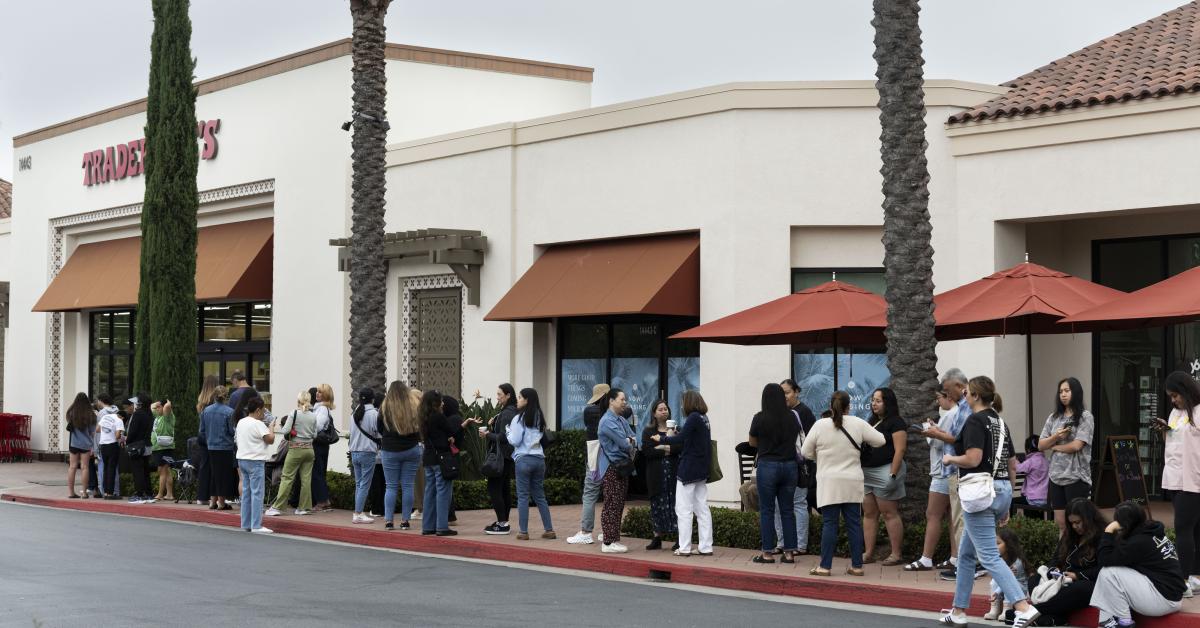 25 Nov Fed's Personal Consumption Expenditures Prices Index indicates price up 3.8% compared to last yearThe U.S. Bureau of Economic Analysis reported that the Personal Consumption Expenditures Price Index, which tracks prices on items like vehicles and durable goods, increased by 3.8% in October compared to the same period last year. This increase was 0.7% from September to October, aligning with the Dow Jones consensus estimate. Given that the Federal Reserve aims for 2% inflation, the report suggests the Fed may…Just the News
- 25 Nov Inflation remains high despite retreating gas prices, highlighting challenges for the Fed
Toronto Star - 25 Nov Fed's Personal Consumption Expenditures Prices Index indicates price up 3.8% compared to last yearThe Personal Consumption Expenditures Price Index, a key inflation measure preferred by the Federal Reserve, showed a 3.8% increase in prices from October last year to October this year, according to the U.S. Bureau of Economic Analysis. This 0.7% rise from September to October aligns with economic forecasts and suggests that the Federal Reserve is likely to raise interest rates again in December to address the…Just the News
 25 Nov Inflation rose to 3.8% in October in Fed’s preferred gauge, adding to affordability woesThe Federal Reserve’s preferred inflation measure, the personal consumption expenditures index, increased to 3.8% year-over-year for the period ending in October, according to the Bureau of Economic Analysis. This marks five years and eight months since inflation has exceeded the central bank’s 2% target, contributing to declining consumer confidence.Washington Examiner
Keep exploring
 Similar coverage · 9–11 NovUS Inflation Remains Elevated in October
 Similar coverage · 14–15 OctUS Inflation Rises Before Midterms
 Similar coverage · 17–18 NovUK Inflation Rises to 3.6%
 Similar coverage · 13 NovWholesale Inflation Jumps 6.5%
 Similar coverage · 25 NovInflation Surges To 4.9 Per cent
 Similar coverage · 21 OctUK Inflation Surges Due To Fuel Prices
 Similar coverage · 19 OctSeptember Inflation Figures Release
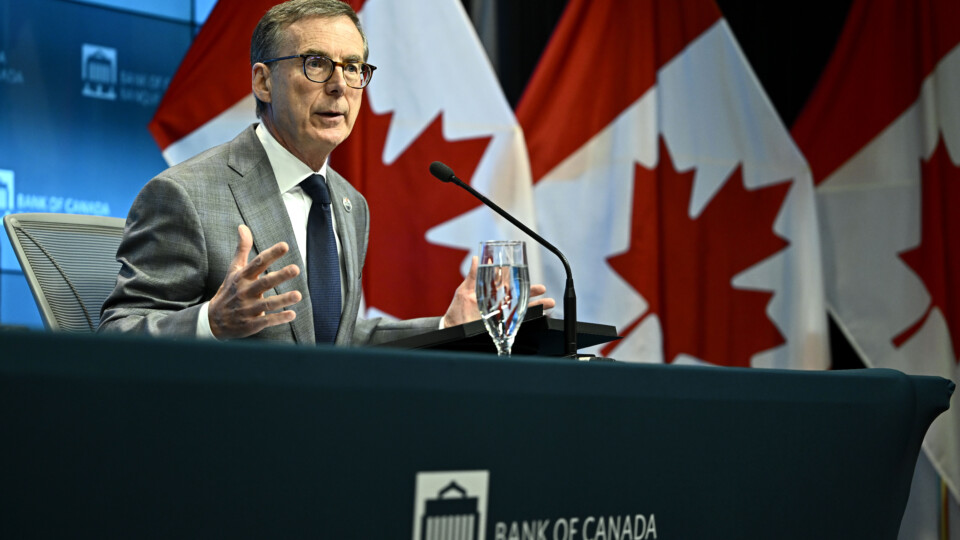 Similar coverage · 16–17 NovCanada's October Inflation Rate Held Stable
 Recent · 25 NovICE Arrests Lottery Winner
Built 2026-11-26 from 7 articles. Every sentence on this page is quoted from the linked article; nothing was written by a model except the Summary and the items marked AI, which cite their sources, and the questions and labels under "Disputed". Photos are from the outlets that covered the story, never from articles our check marks sensitive.