
Suggested from 4 outlets (0 usually left of the middle, 3 middle, 1 right of it): the fullest account of the event and its publisher is declared as reporting rather than commentary. Its wording was flagged as taking a position: it is suggested for how much of the event it covers, not for neutrality.
What happened
The outlets' own sentences, most widely reported first. Hover or tap one to see who reported it.
Denmark was one of the first of a wave of EU states to introduce a tough approach to immigration and integration in recent years.
The European Union’s top court ruled last year that the law could amount to ethnic discrimination.
What each outlet says
One AI summary per outlet of its latest article on this story, written from that article alone and checked against it. Open the article for the outlet's own words.
Denmark’s Supreme Court has upheld the eviction of residents from the Mjolnerparken housing estate under the country’s controversial ‘ghetto law’. This law permits the relocation of ‘non-Western’ residents from areas with high concentrations of minority populations, with the government arguing that such measures are necessary to promote integration.
Danish court backs ‘ghetto law’ used to evict ‘non-Western’ residents →2 articles from Al Jazeera on this storyDenmark's Supreme Court ruled that evicting 'non-Western' families from social housing does not constitute racial discrimination, upholding a 2018 law aimed at combating segregation. Seven families in Helsingør, north of Copenhagen, had their leases terminated in 2022 under this law, which requires social housing estates with more than half 'non-Western' residents to transition to market-rate rentals by 2030. The…
It is NOT racist to evict 'non-Western' families from social housing, Denmark's supreme court in huge victory for MPs looking to rid the country of ghettos →Denmark’s Supreme Court ruled on November 23 that a housing association did not discriminate when it ended leases in a minority-heavy neighborhood to prevent it from being classified as a "hard ghetto," supporting the government’s strict immigration policies. The court’s decision upholds a 2022 lower-court ruling and affirms that Denmark’s "ghetto law" is not discriminatory, despite the EU’s top court ruling last…
Denmark's top court backs 'ghetto law' evictions in boost to country's hard line on immigration →Denmark's Supreme Court upheld a law allowing authorities to limit the number of "non-Western" immigrants and their descendants in public housing developments to prevent the formation of "ghettos." The court ruled in favor of the 2022 eviction of seven families from a housing complex in Helsingør, stating that the law does not constitute ethnic discrimination. Under the 2018 legislation, areas with at least 1,000…
Top Denmark court upholds "non-Western" evictions law →Analysis
Framing
How the first headlines put it
The headlines (3)
It is NOT racist to evict 'non-Western' families from social housing, Denmark's supreme court in huge victory for MPs looking to rid the country of ghettos
Denmark's top court backs 'ghetto law' evictions in boost to country's hard line on immigration
Danish top court’s ‘ghetto law’ ruling supports hardline immigration policy
How it changed
- 23 Nov
Denmark’s top court has ruled that the eviction of “non-Western” tenants from a social housing estate under the country’s “ghetto law” was not discriminatory.
Coverage 5 articles
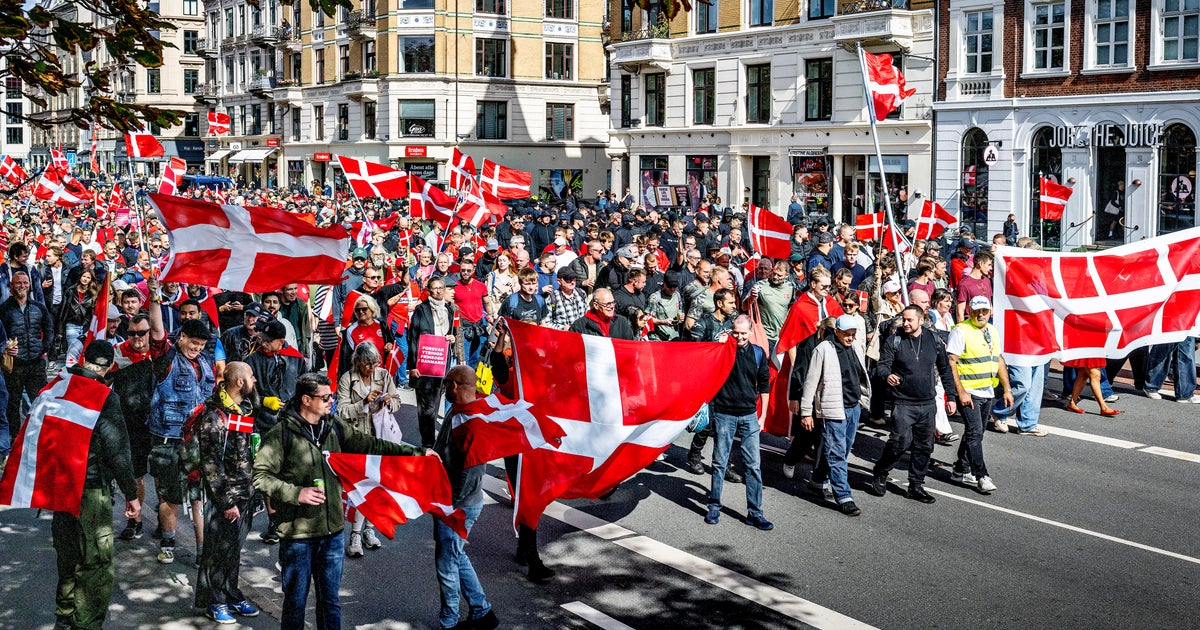 24 Nov Top Denmark court upholds "non-Western" evictions lawDenmark's Supreme Court upheld a law allowing authorities to limit the number of "non-Western" immigrants and their descendants in public housing developments to prevent the formation of "ghettos." The court ruled in favor of the 2022 eviction of seven families from a housing complex in Helsingør, stating that the law does not constitute ethnic discrimination. Under the 2018 legislation, areas with at least 1,000…CBS News
 24 Nov Danish court backs ‘ghetto law’ used to evict ‘non-Western’ residentsDenmark’s Supreme Court has upheld the eviction of residents from the Mjolnerparken housing estate under the country’s controversial ‘ghetto law’. This law permits the relocation of ‘non-Western’ residents from areas with high concentrations of minority populations, with the government arguing that such measures are necessary to promote integration.Al Jazeera
 23 Nov Danish top court’s ‘ghetto law’ ruling supports hardline immigration policyDenmark’s Supreme Court has upheld the eviction of “non-Western” tenants from social housing under the country’s “ghetto law,” ruling it is not discriminatory based on ethnic origin. The case involved seven families in Helsingør whose leases were terminated by landlord Boliggarden in 2022, a decision that lower courts had already upheld. The court’s ruling supports the government’s tough stance on immigration and…Al Jazeera
23 Nov Denmark's top court backs 'ghetto law' evictions in boost to country's hard line on immigrationDenmark’s Supreme Court ruled on November 23 that a housing association did not discriminate when it ended leases in a minority-heavy neighborhood to prevent it from being classified as a "hard ghetto," supporting the government’s strict immigration policies. The court’s decision upholds a 2022 lower-court ruling and affirms that Denmark’s "ghetto law" is not discriminatory, despite the EU’s top court ruling last…The Straits Times
 23 Nov It is NOT racist to evict 'non-Western' families from social housing, Denmark's supreme court in huge victory for MPs looking to rid the country of ghettosDenmark's Supreme Court ruled that evicting 'non-Western' families from social housing does not constitute racial discrimination, upholding a 2018 law aimed at combating segregation. Seven families in Helsingør, north of Copenhagen, had their leases terminated in 2022 under this law, which requires social housing estates with more than half 'non-Western' residents to transition to market-rate rentals by 2030. The…Daily Mail
Keep exploring
 Similar coverage · 4 NovDanish Students Join Education Protests
 Recent · 29 NovMike Love, Beach Boys Co-founder, Dies At 85
 Recent · 26–29 NovArsenal Vs Man City Premier League Match
 Recent · 25–29 NovSouth Africa Baobab Trees Replanted After Smuggling Attempt
 Recent · 21–29 NovNetanyahu Offers Rotational Premiership To Eisenkot
 Recent · 24–29 NovWoman Evicted After AI Rent Promise
 Recent · 28–29 NovMyanmar Military Airstrikes Kill Dozens
 Recent · 27–29 NovTaiwan Votes on Nuclear Power
 Recent · 28–29 NovMagnitude 5 Earthquake Rattles Los Angeles
 Recent · 27–29 NovLandslide Strikes Mornington Peninsula
Built 2026-11-25 from 5 articles. Every sentence on this page is quoted from the linked article; nothing was written by a model except the Summary and the items marked AI, which cite their sources, and the questions and labels under "Disputed". Photos are from the outlets that covered the story, never from articles our check marks sensitive.