
Suggested from 9 outlets (2 usually left of the middle, 5 middle, 2 right of it): one of the fuller accounts, no political position was found in its wording and its publisher is declared as reporting rather than commentary.
What happened
The outlets' own sentences, most widely reported first. Hover or tap one to see who reported it.
The adjective derived from the Latin “humanus” and in use since the 1450s is defined by Cambridge as “having the qualities, faults and feelings that people have, as opposed to gods, animals or machines.”
“Fears about what humans may lose when we outsource our thinking has made us reconsider the extent to which we rely on AI.”
There had also been an increased use of compound words such as human-made and human-driven, to distinguish the works, qualities and skills of people from AI.
One of the words to watch for next year is FOBO, meaning "fear of becoming obsolete", because jobs can be performed by AI.
What each outlet says
One AI summary per outlet of its latest article on this story, written from that article alone and checked against it. Open the article for the outlet's own words.
Cambridge Dictionary has named "human" as its Word of the Year, reflecting concerns about the impact of artificial intelligence on human life and the growing distinction people draw between human work and AI. The dictionary’s editor highlighted both the potential benefits and risks of AI, emphasizing the importance of careful integration to improve human lives. Other notable word contenders were "agent,"…
Cambridge Dictionary announces Word of the Year - and it’s link to AI →Cambridge Dictionary named “human” as its Word of the Year for 2026, reflecting concerns about the impact of artificial intelligence on society. According to Francesca Woodward from Cambridge University Press, the choice highlights global discussions about human qualities and the changing understanding of what it means to be human in the age of AI. The selection was influenced by increased dictionary searches and…
‘Human’ is Cambridge Dictionary’s word of the year →Cambridge Dictionary selected "human" as its word of the year for 2026, reflecting growing concerns about artificial intelligence. The choice highlights societal debates on the distinction between humans and machines in an era dominated by AI advancements.
Cambridge Dictionary chooses 'human' as word of the year in response to AI fears →Cambridge Dictionary has named "human" as its Word of the Year, highlighting concerns about the influence of artificial intelligence and its impact on employment. Cambridge University Press board member Francesca Woodward notes that the word reflects people’s contemplation of what it means to be human in an era of rapid technological advancement. The dictionary also observed an increase in the use of "human" in…
Cambridge Dictionary names 'human' word of the year in rebuttal to AI →The Cambridge Dictionary selected "human" as its word of the year for 2026, responding to increasing concerns about artificial intelligence. This choice reflects how AI has prompted a renewed focus on human attributes and creations. The dictionary highlighted the word's use in phrases like "human-written" and "human-generated," emphasizing the value placed on uniquely human contributions in an AI-dominated world.
Would AI have come up with a better word of the year than the Cambridge Dictionary? →Cambridge Dictionary has named 'human' as its Word of the Year for 2026, highlighting the renewed significance of the term as AI increasingly blurs the lines between people and machines. This choice reflects growing concerns and debates about uniquely human qualities in the age of advanced AI, with notable figures like Bill Gates and Geoffrey Hinton advocating for preserving human-centric roles and values.
Cambridge Dictionary names 'human' the Word of the Year 2026 - as AI 'blurs the boundaries between people and machines' →Show 4 more outlets
Cambridge Dictionary named "human" its word of the year for 2026, reflecting the growing importance of distinguishing natural human intelligence from artificial intelligence. The dictionary emphasized the word’s use to highlight human qualities, faults, and feelings in contrast to machines, amid debates about AI consciousness and its impact on human reliance and identity. Colin McIntosh, a dictionary editor, noted…
‘Human’ wins Cambridge dictionary’s word of the year →Cambridge Dictionary named 'human' its Word of the Year for 2026, reflecting the growing importance of human qualities in a world dominated by artificial intelligence. The selection highlights how the rise of AI has led to a renewed appreciation of human creativity, emotion, and connection. Cambridge Dictionary’s chief editor, Colin McIntosh, noted that this year saw a significant re-evaluation of what it means to…
'Human': Cambridge’s 'word of the year' is a counterbalance to AI →Cambridge Dictionary selected “human” as its word of the year for 2026, reflecting growing concerns about artificial intelligence. According to lexicographer Colin McIntosh, the choice highlights how discussions about AI are prompting people to reconsider what it means to be human. The dictionary defines “human” as having qualities, faults, and feelings distinct from machines, emphasizing a cultural shift in…
Cambridge Dictionary chooses ‘human’ as word of the year in response to AI fears →Cambridge Dictionary named "Human" as its Word of the Year, defining it as having qualities, faults, and feelings that distinguish people from gods, animals, or machines. Chief editor Colin McIntosh explained that the rise of AI necessitates emphasizing human qualities. Examples include actors challenging AI's impact on creativity and tech leaders discussing the importance of AI improving human lives. The word's…
'Human' is Cambridge Dictionary Word of the Year →Analysis
Framing
How the first headlines put it
The headlines (10)
Cambridge Dictionary announces Word of the Year - and it’s link to AI
‘Human’ is Cambridge Dictionary’s word of the year
Cambridge Dictionary chooses 'human' as word of the year in response to AI fears
Cambridge Dictionary names 'human' word of the year in rebuttal to AI
Would AI have come up with a better word of the year than the Cambridge Dictionary?
Cambridge Dictionary names 'human' the Word of the Year 2026 - as AI 'blurs the boundaries between people and machines'
‘Human’ wins Cambridge dictionary’s word of the year
'Human': Cambridge’s 'word of the year' is a counterbalance to AI
Cambridge Dictionary chooses ‘human’ as word of the year in response to AI fears
'Human' is Cambridge Dictionary Word of the Year
How it changed
- 18 Nov
The Cambridge Dictionary has chosen "human" as its word of the year, reflecting concerns about artificial intelligence.
Coverage 10 articles
 18 Nov 'Human' is Cambridge Dictionary Word of the YearCambridge Dictionary named "Human" as its Word of the Year, defining it as having qualities, faults, and feelings that distinguish people from gods, animals, or machines. Chief editor Colin McIntosh explained that the rise of AI necessitates emphasizing human qualities. Examples include actors challenging AI's impact on creativity and tech leaders discussing the importance of AI improving human lives. The word's…BBC
 18 Nov Cambridge Dictionary chooses ‘human’ as word of the year in response to AI fearsCambridge Dictionary selected “human” as its word of the year for 2026, reflecting growing concerns about artificial intelligence. According to lexicographer Colin McIntosh, the choice highlights how discussions about AI are prompting people to reconsider what it means to be human. The dictionary defines “human” as having qualities, faults, and feelings distinct from machines, emphasizing a cultural shift in…New York Post
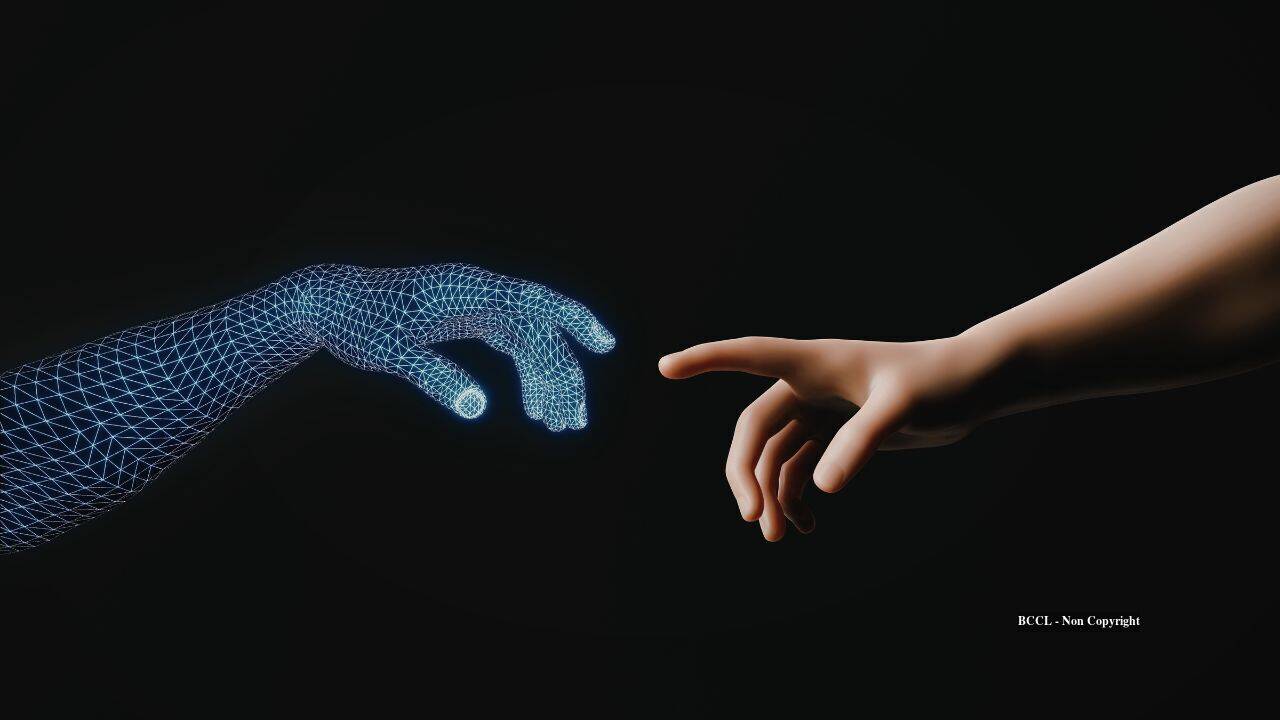 18 Nov 'Human': Cambridge’s 'word of the year' is a counterbalance to AICambridge Dictionary named 'human' its Word of the Year for 2026, reflecting the growing importance of human qualities in a world dominated by artificial intelligence. The selection highlights how the rise of AI has led to a renewed appreciation of human creativity, emotion, and connection. Cambridge Dictionary’s chief editor, Colin McIntosh, noted that this year saw a significant re-evaluation of what it means to…Times of India
 18 Nov ‘Human’ wins Cambridge dictionary’s word of the yearCambridge Dictionary named "human" its word of the year for 2026, reflecting the growing importance of distinguishing natural human intelligence from artificial intelligence. The dictionary emphasized the word’s use to highlight human qualities, faults, and feelings in contrast to machines, amid debates about AI consciousness and its impact on human reliance and identity. Colin McIntosh, a dictionary editor, noted…The Guardian
 18 Nov Cambridge Dictionary names 'human' the Word of the Year 2026 - as AI 'blurs the boundaries between people and machines'Cambridge Dictionary has named 'human' as its Word of the Year for 2026, highlighting the renewed significance of the term as AI increasingly blurs the lines between people and machines. This choice reflects growing concerns and debates about uniquely human qualities in the age of advanced AI, with notable figures like Bill Gates and Geoffrey Hinton advocating for preserving human-centric roles and values.Daily Mail
- 18 Nov Would AI have come up with a better word of the year than the Cambridge Dictionary?The Cambridge Dictionary selected "human" as its word of the year for 2026, responding to increasing concerns about artificial intelligence. This choice reflects how AI has prompted a renewed focus on human attributes and creations. The dictionary highlighted the word's use in phrases like "human-written" and "human-generated," emphasizing the value placed on uniquely human contributions in an AI-dominated world.CBC
18 Nov Cambridge Dictionary names 'human' word of the year in rebuttal to AICambridge Dictionary has named "human" as its Word of the Year, highlighting concerns about the influence of artificial intelligence and its impact on employment. Cambridge University Press board member Francesca Woodward notes that the word reflects people’s contemplation of what it means to be human in an era of rapid technological advancement. The dictionary also observed an increase in the use of "human" in…ABC News (AU)
 18 Nov Cambridge Dictionary chooses 'human' as word of the year in response to AI fearsCambridge Dictionary selected "human" as its word of the year for 2026, reflecting growing concerns about artificial intelligence. The choice highlights societal debates on the distinction between humans and machines in an era dominated by AI advancements.Toronto Star
18 Nov ‘Human’ is Cambridge Dictionary’s word of the yearCambridge Dictionary named “human” as its Word of the Year for 2026, reflecting concerns about the impact of artificial intelligence on society. According to Francesca Woodward from Cambridge University Press, the choice highlights global discussions about human qualities and the changing understanding of what it means to be human in the age of AI. The selection was influenced by increased dictionary searches and…The Straits Times
 18 Nov Cambridge Dictionary announces Word of the Year - and it’s link to AICambridge Dictionary has named "human" as its Word of the Year, reflecting concerns about the impact of artificial intelligence on human life and the growing distinction people draw between human work and AI. The dictionary’s editor highlighted both the potential benefits and risks of AI, emphasizing the importance of careful integration to improve human lives. Other notable word contenders were "agent,"…Evening Standard
Keep exploring
 Similar coverage · 25 OctUN Official Warns AI Could Deepen Inequality
 Similar coverage · 10 NovAI Impact on Leadership
 Similar coverage · 5–6 OctAI Safety Concerns Testimony NYC
 Similar coverage · 27 Sep–1 OctArtificial Intelligence Risks
 Similar coverage · 29–30 SepAI Existential Risks
 Similar coverage · 27–28 SepAI Safety Alarm Raised
 Similar coverage · 16–17 NovUS-China AI Race Causing Global Alarm
 Similar coverage · 25–27 SepBill Gates Warns AI Risks
 Similar coverage · 2 OctPope On AI And Art
 Recent · 13–20 NovAnthropic's Record-Breaking IPO
Built 2026-11-18 from 10 articles. Every sentence on this page is quoted from the linked article; nothing was written by a model except the Summary and the items marked AI, which cite their sources, and the questions and labels under "Disputed". Photos are from the outlets that covered the story, never from articles our check marks sensitive.