
FDA Warns GLP-1 Drugs Eye Risk
8 outlets
Each outlet's article on this story, most articles first
8 reporters
- Julia MustoThe Independent
- Berkeley Lovelace Jr.NBC News
- McKenzie BeardNew York Post
- Sandra TemkoCBS News
- Kevin KilloughJust the News
- Rachel GoodmanGlobal News
- Maya YangThe Guardian
- Madeline HalpertBBC
By day
Articles per day
Cite
FDA Warns GLP-1 Drugs Eye Risk. (2026, November 11). The Aporia. https://the-aporia.com/event/139081
“FDA Warns GLP-1 Drugs Eye Risk.” The Aporia, 11 Nov. 2026, https://the-aporia.com/event/139081.
“FDA Warns GLP-1 Drugs Eye Risk.” The Aporia, November 11, 2026. https://the-aporia.com/event/139081.
Dated the day this page was built. The link always leads to this event, even after the stories are regrouped.
The makers of blockbuster weight loss drugs such as Ozempic and Zepbound will be required to include warnings about a rare eye condition that can cause permanent vision loss.
What happened
The outlets' own sentences, most widely reported first. Hover or tap one to see who reported it.
Taking GLP-1 drugs carries an increased risk of a condition known as “non-arteritic anterior ischemic optic neuropathy,” or NAION, the U.S. Food and Drug Administration said Monday.
The “painless” eye condition, known as non-arteritic anterior ischemic optic neuropathy (NAION), can cause significant vision loss as a result of decreased blood flow to the optic nerve; the FDA said the underlying cause is unknown.
The FDA will require the risk to be printed on the labelling of all GLP-1 drugs which are used to treat obesity, diabetes and a range of medical conditions, and can be injected or taken in pill form, including medications such as Zepbound and Mounjaro.
The FDA said it began looking into a possible link after a 2024 study published in JAMA Ophthalmology that found diabetes patients prescribed semaglutide were four times as likely to develop NAION as those not prescribed the drug.
What each outlet says
One AI summary per outlet of its latest article on this story, written from that article alone and checked against it. Open the article for the outlet's own words.
The FDA has announced that GLP-1 drugs will include warnings about a rare side effect that could result in vision loss. Dr. Rachel Pessah-Pollack is interviewed by CBS News to provide more details on this development.
GLP-1 drugs to carry warning about rare vision-loss side effect, FDA says →3 articles from CBS News on this storyThe U.S. Food and Drug Administration has required manufacturers of weight-loss drugs like Ozempic and Wegovy to include warnings about a rare eye condition called NAION that can lead to permanent vision loss. The FDA’s decision, made after reviewing reports from over 134,000 patients, found an increased risk of six cases per 100,000 people annually for those taking GLP-1 drugs compared to about four cases among…
Weight loss drugs linked to new rare side effect as new warning labels required →2 articles from The Independent on this storyThe Food and Drug Administration has mandated that manufacturers of GLP-1 drugs, such as Novo Nordisk’s Ozempic and Wegovy and Eli Lilly’s Mounjaro and Zepbound, include warnings about a rare eye condition called nonarteritic anterior ischemic optic neuropathy (NAION) which can cause sudden blindness. This decision follows research indicating an increased risk of NAION in patients using GLP-1 medications…
FDA orders new warning on GLP-1s over rare eye condition linked to sudden blindness →The FDA has mandated that manufacturers update warning labels on GLP-1 drugs like Ozempic and Wegovy to include a potential risk of nonarteritic anterior ischemic optic neuropathy (NAION), an eye condition that can lead to permanent vision loss or blindness. This decision follows a study showing diabetes patients taking semaglutide are four times more likely to develop NAION compared to those not using the drug…
GLP-1 drugs must have new warning label over incurable blindness condition, says FDA →The Food and Drug Administration will require weight loss drugs like Ozempic and Wegovy to include warnings about a rare side effect that can lead to permanent vision loss due to non-arteritic anterior ischemic optic neuropathy. This condition, which has been reported with all GLP-1 drugs used for obesity and diabetes management, can result in significant vision impairment. The FDA initiated this review following a…
Weight loss drugs, such as Ozempic, to carry FDA warning about rare vision-loss side effects →The FDA announced on Monday that it will require drug labels for GLP-1 medications, including Ozempic and Wegovy, to include a warning about the rare but serious risk of non-arteritic anterior ischemic optic neuropathy (NAION), which can lead to permanent vision loss. Based on an analysis of over 125 clinical trials, the condition occurs in approximately six out of every 100,000 patients using GLP-1 drugs for at…
FDA to require vision loss warning on GLP-1 drug labels →Show 2 more outlets
The US FDA has issued a warning about GLP-1 weight loss medications, including Novo Nordisk’s Ozempic and Wegovy, Eli Lilly’s Mounjaro and Zepbound, and Sanofi’s Soliqua, due to the risk of nonarteritic anterior ischemic optic neuropathy (NAION), which can cause sudden blindness. The FDA reviewed 126 clinical trials involving over 134,200 patients and found a higher incidence rate of NAION in GLP-1 users compared to…
FDA warns of rare eye condition causing blindness from GLP-1 weight loss medications →The FDA has instructed manufacturers of GLP-1 drugs like Ozempic, Wegovy, Mounjaro, and Zepbound to include warnings about a rare eye condition called nonarteritic anterior ischemic optic neuropathy (NAION), which can cause sudden blindness. NAION occurs when blood vessels supplying the optic nerve are blocked, leading to vision loss that may be permanent. The FDA’s decision is based on its review of reports and…
Makers of GLP-1 drugs ordered to add warnings about rare eye condition that can lead to blindness →Analysis
Agreed
Reported by outlets on both sides of the middle
No sentence was reported across the range.
Disputed
Picked by our model, which is sometimes wrong
No disagreement the check could confirm. That does not prove there is none.
Framing
How the first headlines put it
How it changed
- 9 Nov
The FDA said “there is a potential increased risk of rare NAION” in people taking GLP-1 drugs.
- 10 Nov
FDA scientists began looking into the problem after the publication of a 2024 medical paper tying the condition to certain patients taking semaglutide, the active drug in Novo Nordisk's Ozempic and Wegovy.
Coverage 11 articles
Suggested from 8 outlets: the fullest account of the event, no political position was found in its wording and its publisher is declared as reporting rather than commentary.
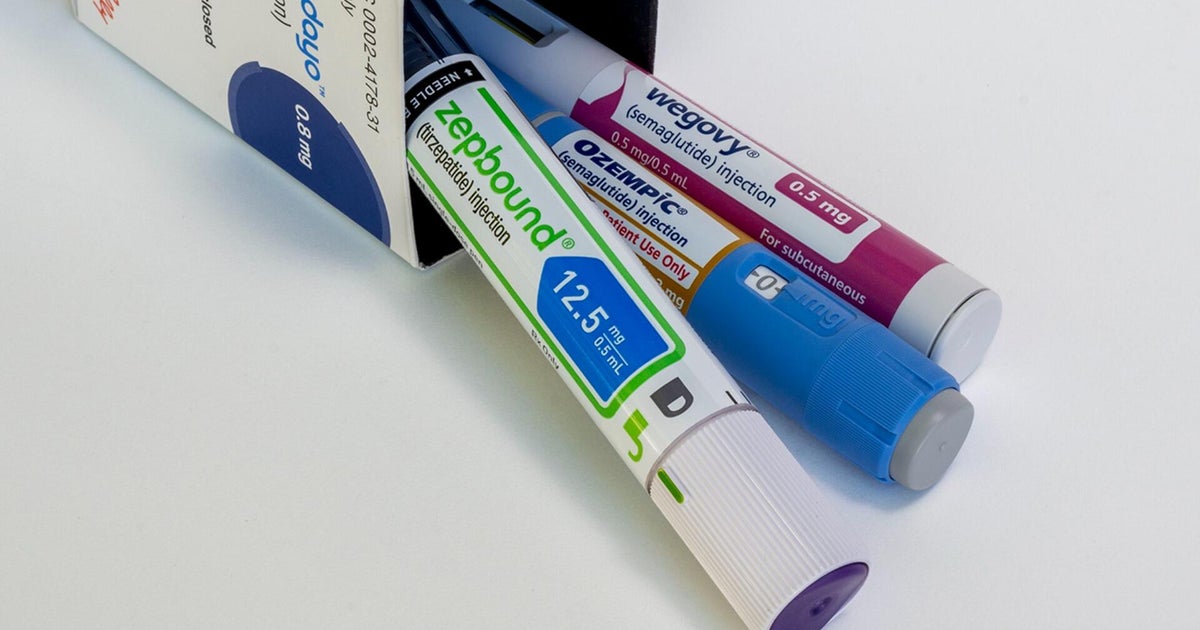 11 Nov GLP-1 drugs to carry warning about rare vision-loss side effect, FDA saysThe FDA has announced that GLP-1 drugs will include warnings about a rare side effect that could result in vision loss. Dr. Rachel Pessah-Pollack is interviewed by CBS News to provide more details on this development.CBS News
 10 Nov Makers of GLP-1 drugs ordered to add warnings about rare eye condition that can lead to blindnessThe FDA has instructed manufacturers of GLP-1 drugs like Ozempic, Wegovy, Mounjaro, and Zepbound to include warnings about a rare eye condition called nonarteritic anterior ischemic optic neuropathy (NAION), which can cause sudden blindness. NAION occurs when blood vessels supplying the optic nerve are blocked, leading to vision loss that may be permanent. The FDA’s decision is based on its review of reports and…BBC
 10 Nov FDA warns of rare eye condition causing blindness from GLP-1 weight loss medicationsThe US FDA has issued a warning about GLP-1 weight loss medications, including Novo Nordisk’s Ozempic and Wegovy, Eli Lilly’s Mounjaro and Zepbound, and Sanofi’s Soliqua, due to the risk of nonarteritic anterior ischemic optic neuropathy (NAION), which can cause sudden blindness. The FDA reviewed 126 clinical trials involving over 134,200 patients and found a higher incidence rate of NAION in GLP-1 users compared to…The Guardian
 10 Nov FDA to require vision loss warning on GLP-1 drug labelsThe FDA announced on Monday that it will require drug labels for GLP-1 medications, including Ozempic and Wegovy, to include a warning about the rare but serious risk of non-arteritic anterior ischemic optic neuropathy (NAION), which can lead to permanent vision loss. Based on an analysis of over 125 clinical trials, the condition occurs in approximately six out of every 100,000 patients using GLP-1 drugs for at…Global News
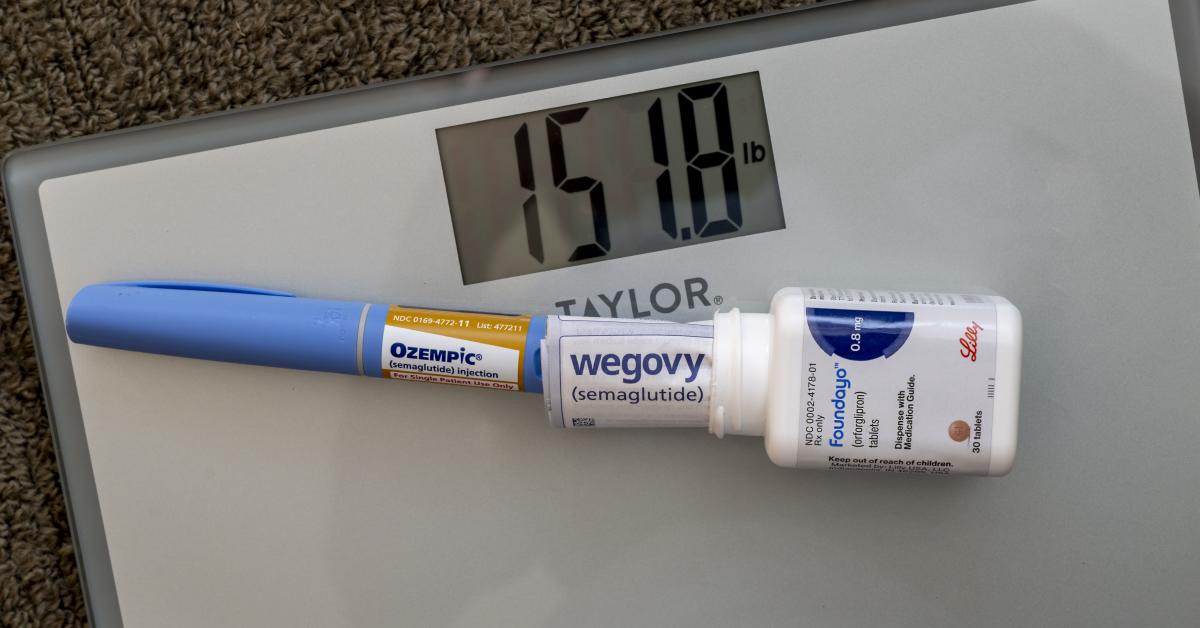 10 Nov Weight loss drugs, such as Ozempic, to carry FDA warning about rare vision-loss side effectsThe Food and Drug Administration will require weight loss drugs like Ozempic and Wegovy to include warnings about a rare side effect that can lead to permanent vision loss due to non-arteritic anterior ischemic optic neuropathy. This condition, which has been reported with all GLP-1 drugs used for obesity and diabetes management, can result in significant vision impairment. The FDA initiated this review following a…Just the News
10 Nov Weight loss drugs linked to new rare side effect as new warning labels requiredThe U.S. Food and Drug Administration has required manufacturers of weight-loss drugs like Ozempic and Wegovy to include warnings about a rare eye condition called NAION that can lead to permanent vision loss. The FDA’s decision, made after reviewing reports from over 134,000 patients, found an increased risk of six cases per 100,000 people annually for those taking GLP-1 drugs compared to about four cases among…The Independent
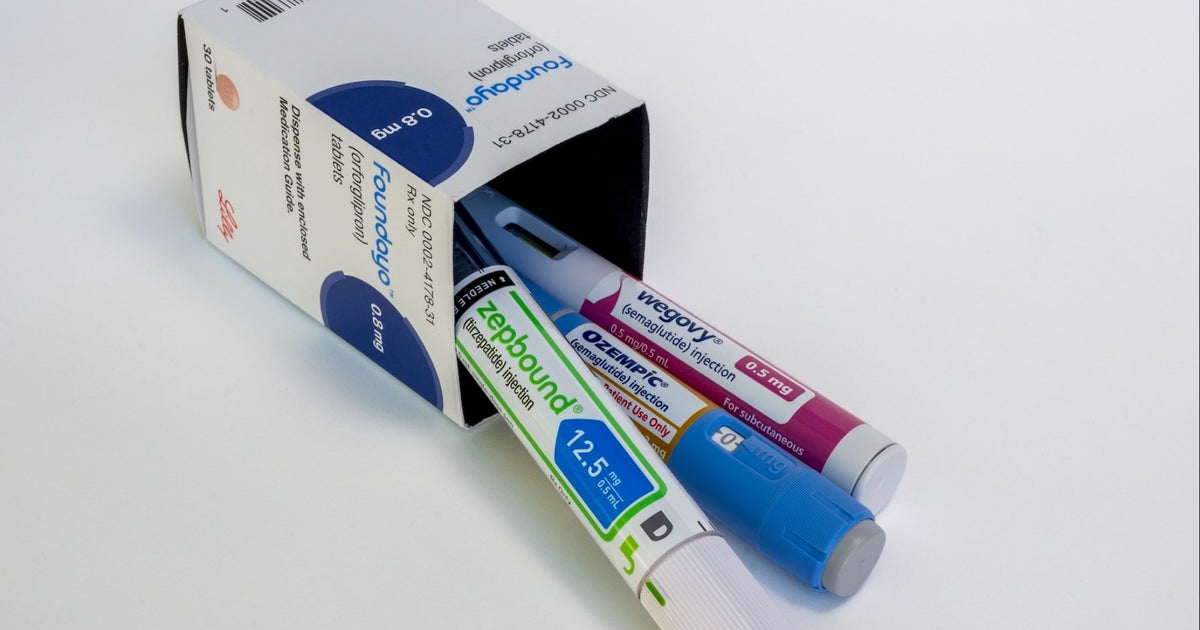 10 Nov GLP-1s must now include warning for potential increased risk of vision loss, FDA announcesIt appears there might be a mismatch between the title and the article text provided. The title discusses the FDA announcing that GLP-1 drugs must now carry warnings about an increased risk of vision loss. However, the text given is unrelated and mentions Hegseth being accused of high crimes and misdemeanors. Without the relevant content discussing GLP-1 drugs or FDA regulations, I cannot summarize the specific…CBS News
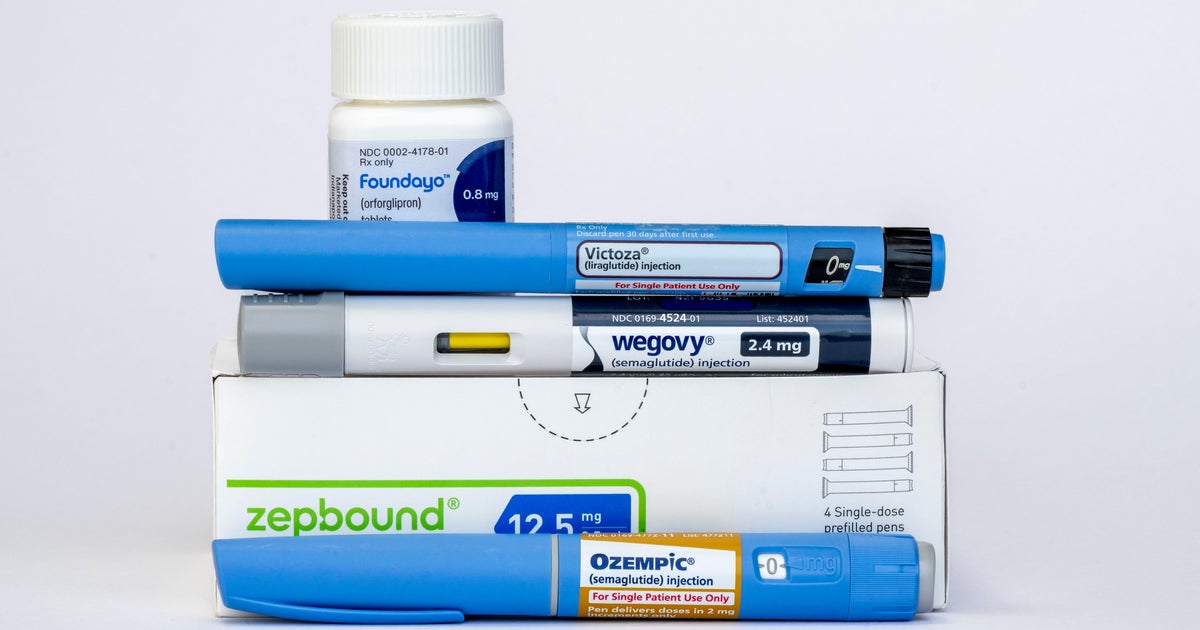 10 Nov FDA warns of rare vision-loss side effect from GLP-1 drugsThe U.S. Food and Drug Administration (FDA) has issued a new warning about a rare but serious side effect associated with GLP-1 drugs, including popular brands like Ozempic and Wegovy. This warning alerts users to the risk of non-arteritic anterior ischemic optic neuropathy (NAION), which can lead to permanent vision loss. The FDA’s decision follows an analysis of clinical trials involving more than 125 studies…CBS News
 9 Nov GLP-1 drugs must have new warning label over incurable blindness condition, says FDAThe FDA has mandated that manufacturers update warning labels on GLP-1 drugs like Ozempic and Wegovy to include a potential risk of nonarteritic anterior ischemic optic neuropathy (NAION), an eye condition that can lead to permanent vision loss or blindness. This decision follows a study showing diabetes patients taking semaglutide are four times more likely to develop NAION compared to those not using the drug…New York Post
 9 Nov FDA orders new warning on GLP-1s over rare eye condition linked to sudden blindnessThe Food and Drug Administration has mandated that manufacturers of GLP-1 drugs, such as Novo Nordisk’s Ozempic and Wegovy and Eli Lilly’s Mounjaro and Zepbound, include warnings about a rare eye condition called nonarteritic anterior ischemic optic neuropathy (NAION) which can cause sudden blindness. This decision follows research indicating an increased risk of NAION in patients using GLP-1 medications…NBC News
Show all 11 articles
Keep exploring
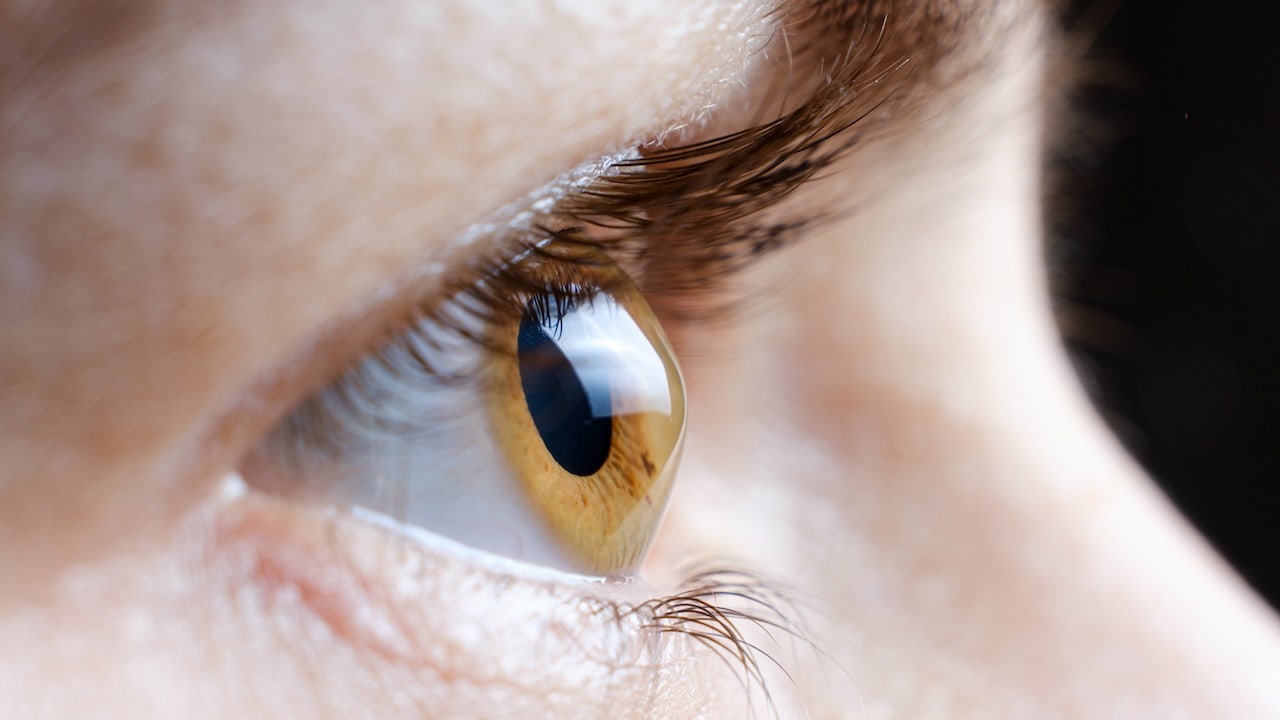 Similar coverageGLP-1 Drug Lawsuits Vision Loss
 Similar coverageOzempic Linked To Blindness Claims
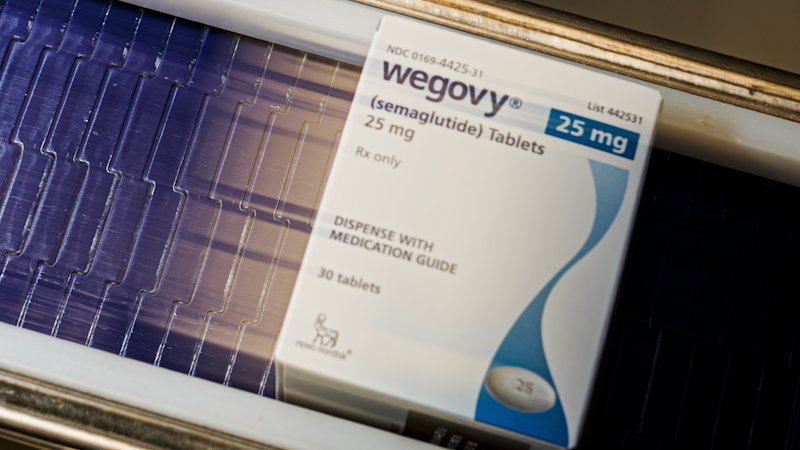 Similar coverageTGA Clears GLP-1 Weight Loss Pills
 Similar coverageFDA Inspectors Find Issues In Chinese Plants
 RecentSenior US Soldier Arrested In UK On Spying Charges
 RecentNvidia Investigates CEO Affair
 RecentThomas Markle Cut Off Ankle Monitor
 RecentQantas Job Cuts and Outsourcing
 RecentKirk Cousins Traded Back to Vikings
 RecentUS Charges Iranian Operatives Terror Plots
Built 2026-11-11 from 10 articles. Every sentence on this page is quoted from the linked article; nothing was written by a model except the Summary and the items marked AI, which cite their sources, and the questions and labels under "Disputed". Photos are from the outlets that covered the story, never from articles our check marks sensitive.