New York Post
· collected 2026-09-15 · by John Hardie, Mark Montgomery
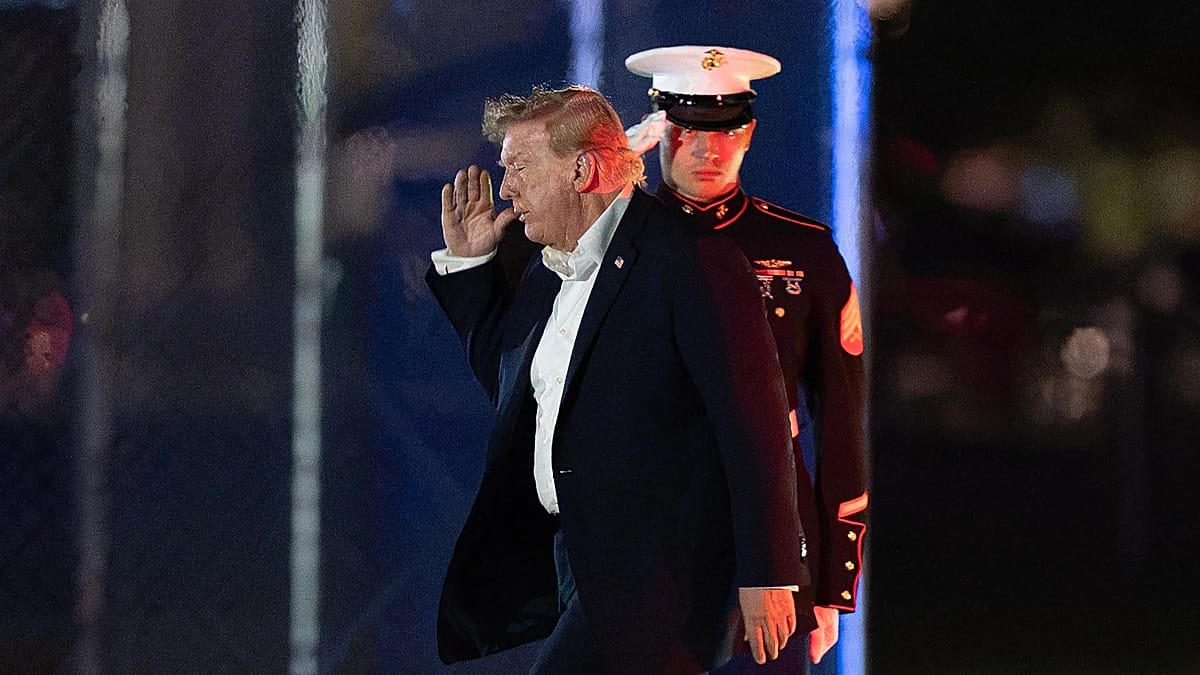
Russia and Ukraine have “agreed” not to strike each other’s energy infrastructure, President Donald Trump asserted Monday — perhaps aiming to accelerate a deal that reportedly remains under negotiation and which Moscow has previously resisted.
uncertain
Moscow → agree → which
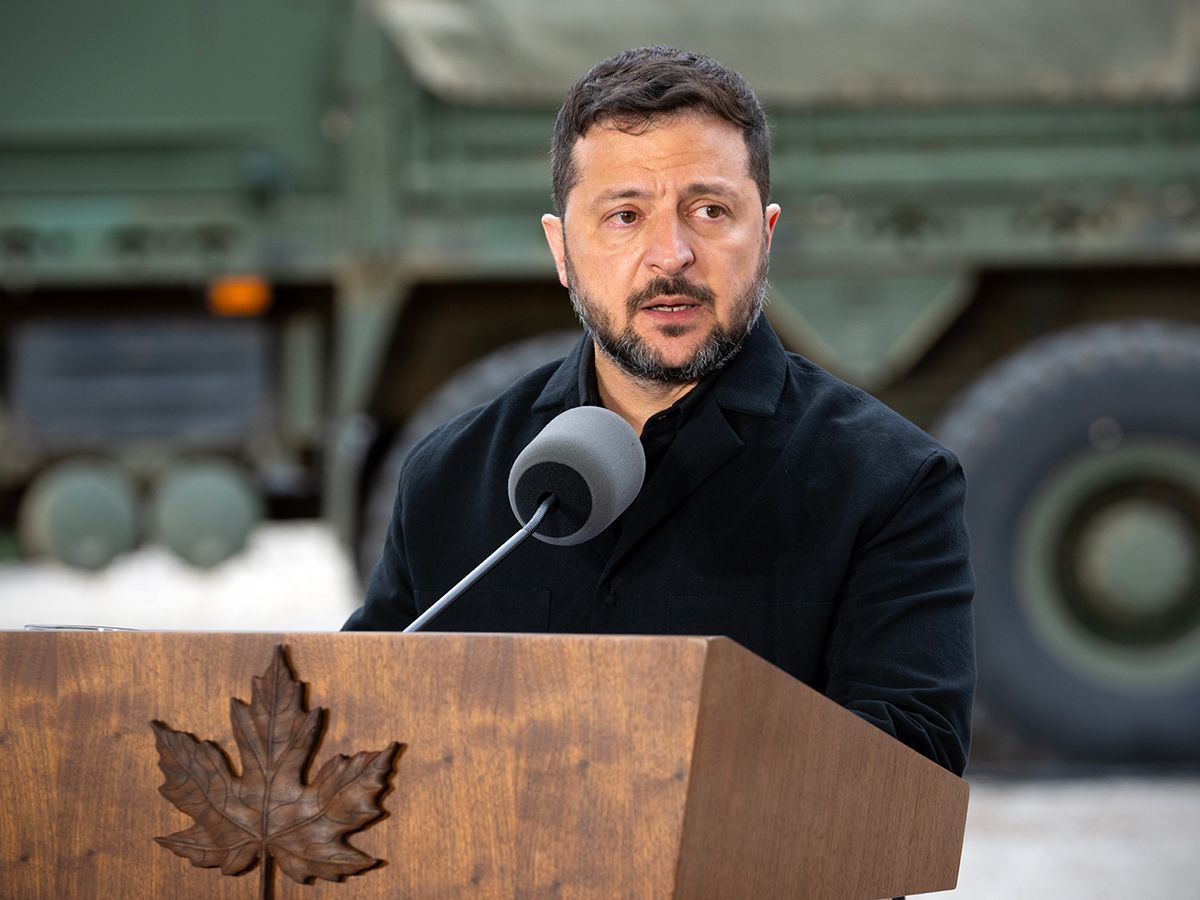
While Kyiv quickly expressed readiness for an energy truce, the Kremlin has remained conspicuously silent.
asserted
Kremlin → express → truce
It’s not hard to guess why.
asserted
It → ’ → ?
Vladimir Putin knows that Ukraine, short on air defenses, is staring down the barrel of its hardest winter yet — and he wants to exploit that vulnerability.
asserted
he → know → vulnerability
Ukraine, unable to intercept enough Russian “arrows,” should be permitted to use the Starlink satellite internet service to take out the “archers” inside Russia.
asserted
Ukraine → intercept → Russia
Despite Trump’s efforts to revive peace talks by dispatching envoys to Moscow and Kyiv earlier this month, Putin appears determined to continue fighting.
asserted
Putin → revive → Moscow
Ukrainian forces are stymieing Russia’s advances and pursuing reforms under a new, forward-thinking general, Mykhailo Drapatyi.
asserted
forces → stymie → general
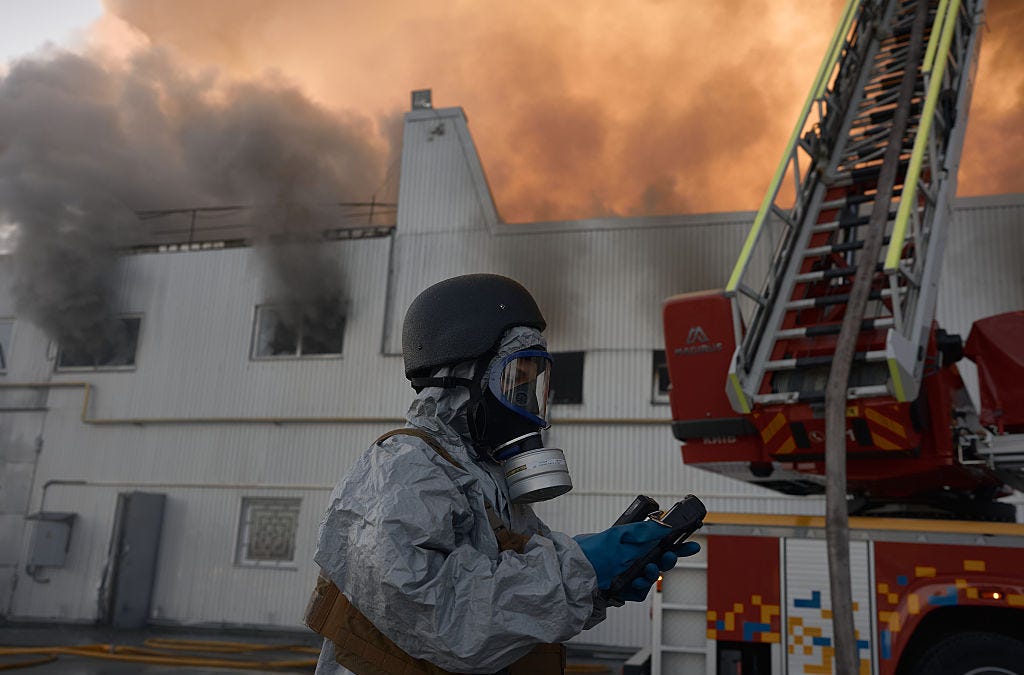
In the air, however, Russia is conducting relentless drone and missile strikes, aimed mainly at undermining defense-industrial production and throttling Ukrainian exports.
asserted
Russia → conduct → exports
As the weather cools, Russia will likely return to focusing on attacking Ukraine’s energy infrastructure.
asserted
Russia → cool → infrastructure
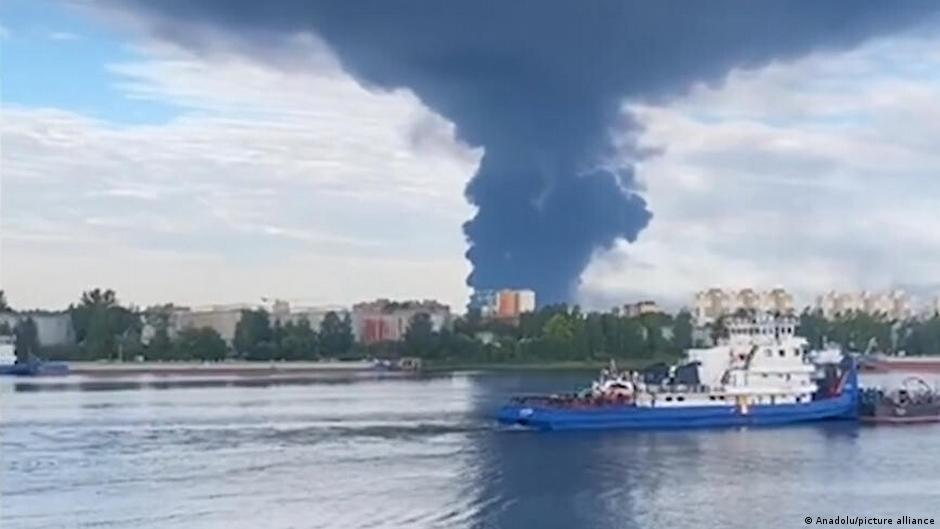
To be sure, Ukraine is punching back harder than ever, successfully striking oil refineries and other targets deep inside Russia.
Yet Putin evidently calculates that Russia can inflict “much more painful and much more destructive” blows than Ukraine can, as he boasted last month.
asserted
he → punch → blows
One problem for Ukraine is Russia’s ramped-up production of jet-powered attack drones and low-cost cruise missiles.
asserted
problem → ramp → drones
These munitions fly too fast for Ukraine’s existing interceptor drones, so they’re stretching its stocks of the expensive air defense missiles needed to counter them.
asserted
they → fly → them
Kyiv is desperately low on critical PAC-3 interceptors for the Patriot air defense system, and Western countries have few to spare.
asserted
countries → have → few
Efforts to expand PAC-3 production and develop lower-cost alternatives are underway, but they’ll take years, not months, to produce results.
asserted
they → expand → results
Russia, meanwhile, has surged missile production since the war began.
asserted
war → surge → production
It’s currently making over 100 Iskander and RM-48U ballistic missiles per month — and is reportedly asking for additional ballistic missiles from North Korea on top of the roughly 190 Pyongyang has already provided.
uncertain
Pyongyang → make → 190
To protect its power plants and population centers, Ukraine needs to destroy Russia’s ballistic-missile launchers, which can quickly reposition after firing.
asserted
which → protect → launchers
It’s seen little success in this effort so far, but Elon Musk’s company SpaceX could help change that.
uncertain
company → see → that
The Ukrainian military has relied on SpaceX’s Starlink system since early in the war to help deploy unmanned systems inside Ukraine’s borders and on the Black Sea.
asserted
military → rely → Sea
With its resilience to jamming, low latency and compact, inexpensive antenna terminals, Starlink has given Ukraine an asymmetric advantage for drone reconnaissance and strikes beyond the radio-signal horizon caused by the Earth’s curvature.
asserted
Starlink → give → curvature
This year, Ukraine has successfully used Starlink-controlled mid-range drones to destroy dynamic targets like logistics trucks on occupied Ukrainian soil.
asserted
Ukraine → use → soil
Kyiv now wants to do the same against the ballistic-missile launchers and related assets threatening its people.
asserted
Kyiv → want → people
SpaceX, however, restricts access to Starlink on Russian territory, where launchers are typically placed — despite Ukraine’s direct appeals.
asserted
launchers → restrict → appeals
Musk reportedly sees these potential Starlink-facilitated strikes as escalation, and is urging Ukraine instead to pursue a peace deal.
uncertain
Musk → see → deal
A negotiated settlement will remain elusive so long as Putin insists on non-starter demands that outstrip his military leverage.
asserted
that → negotiate → leverage
The autocrat still believes he’ll eventually impose his will on Ukraine, in part by freezing civilians in their homes.
asserted
he → believe → homes
He’s wrong about that, as Washington has tried — unsuccessfully — to convey.
asserted
Washington → ’ → that
Getting Putin to moderate his terms requires convincing him he has no path to victory.
asserted
he → get → victory
In the meantime, degrading Russia’s ballistic-missile capabilities could give Moscow more reason to accept a mutual moratorium on striking energy infrastructure.
uncertain
degrading → degrade → infrastructure
In fact, the United States is already supplying Ukraine with intelligence that supports deep strikes on fixed targets like oil refineries in order to undermine Russia’s war effort and incentivize negotiations.
asserted
that → supply → negotiations
While these strikes might be an “escalation,” as Trump has rightly observed, they’re “an escalation that could help lead to an end” to the bloodshed.
uncertain
that → observe → bloodshed
With Starlink, Ukraine isn’t even asking for help striking Russian energy infrastructure — just in hitting military equipment that threatens civilians.
It seems clear, though, that Trump’s personal intervention is necessary.
asserted
intervention → ask → civilians
With a phone call to his friend Elon, the president can save lives — and further the cause of peace.
asserted
president → save → peace
 The Aporia