World news | The Guardian
· collected 2026-08-18 · by Rachel Savage and agencies
The World Health Organization (WHO) director general said the current Ebola outbreak in the Democratic Republic of Congo is on track to surpass the deadliest one in history, which killed at least 11,000 people over a decade ago. The current outbreak has claimed more than 2,100 lives out of over 4,500 cases, with six of DRC's 26 provinces now affected. The outbreak began months earlier than initially declared, and health authorities report that between 60-70% of new cases are not being monitored as contacts. WHO officials have expressed concern about the rapid spread of the virus, but also some optimism about the potential for a turnaround in three months with effective response measures.
Written by the local model on 2026-08-18,
using this article's own text rather than the other coverage of the
same event (that is the story summary below).
Story summary
In the Democratic Republic of the Congo (DRC), an Ebola outbreak has surpassed 5,000 cases and 2,378 deaths, making it the deadliest in the country's history. The outbreak is caused by the Bundibugyo species of Ebola, which has no approved vaccines or treatments. It has spread rapidly, with a speed three times faster than any previous outbreak, including the 2014-16 West Africa outbreak that killed over 11,000 people. The World Health Organization (WHO) estimates that it will likely surpass this outbreak's numbers. The DRC's public health institute has logged 5,021 cases, making it the second-worst outbreak globally in terms of number of infections and deaths. The ongoing outbreak is complicated by factors such as weak health infrastructure, community resistance, instability, and protests by response workers. In response to the outbreak, Congo's M23 rebels have introduced new movement restrictions to try to contain the spread of the disease.
Written for “Ebola Outbreak in DRC” on 2026-08-31,
grounded in this article and the 6 other(s) covering the same event.
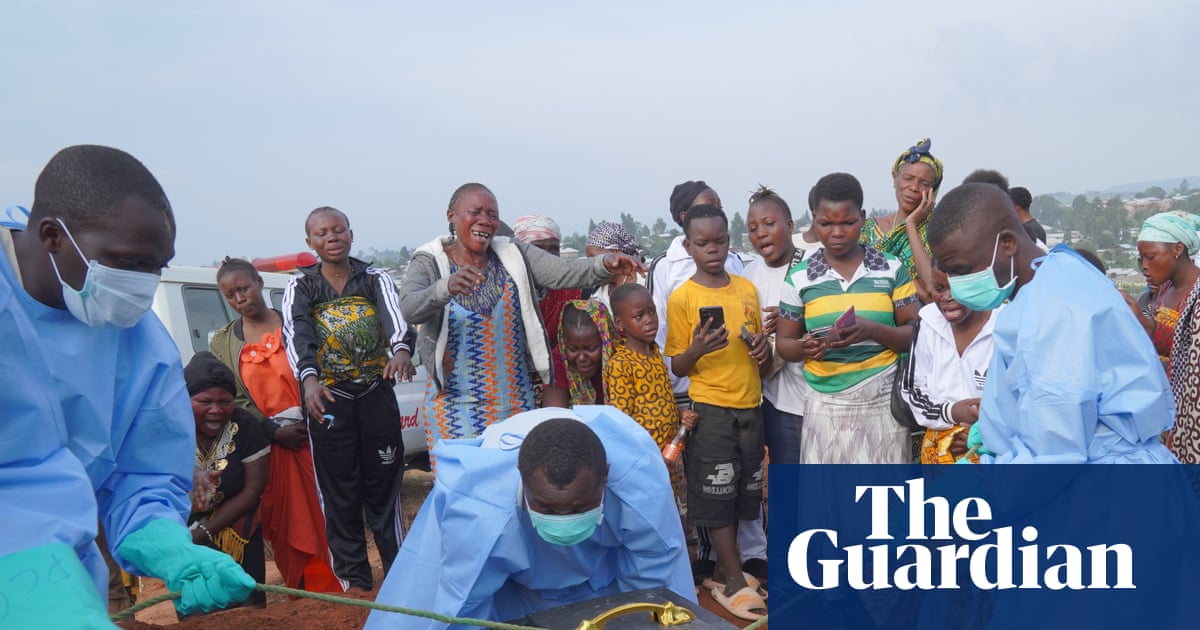
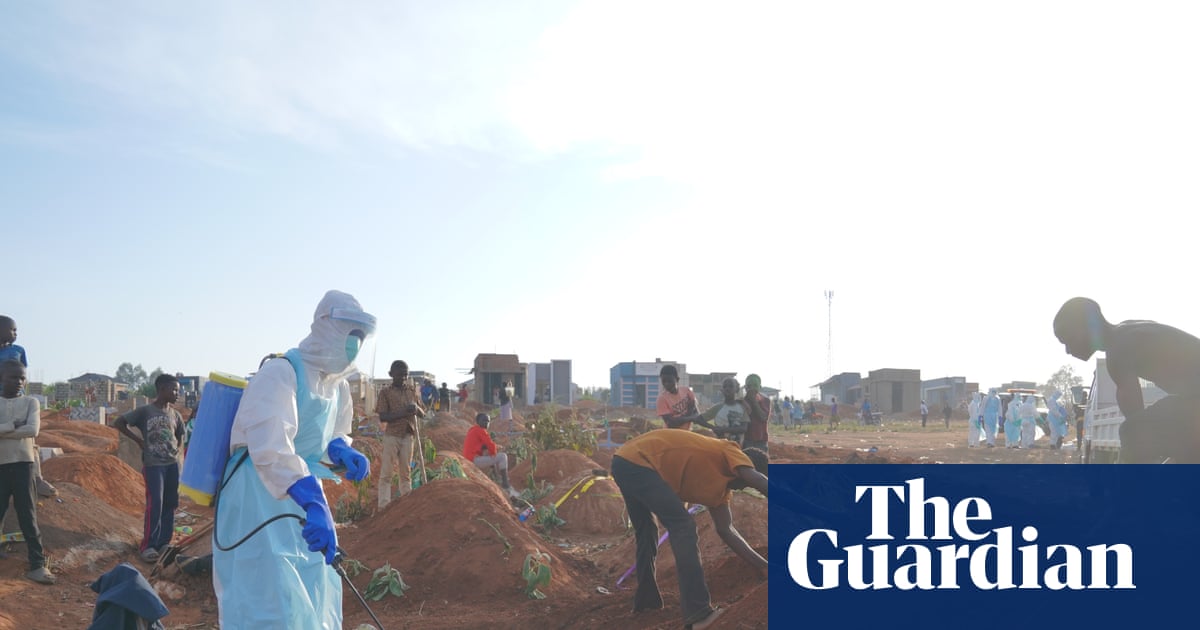
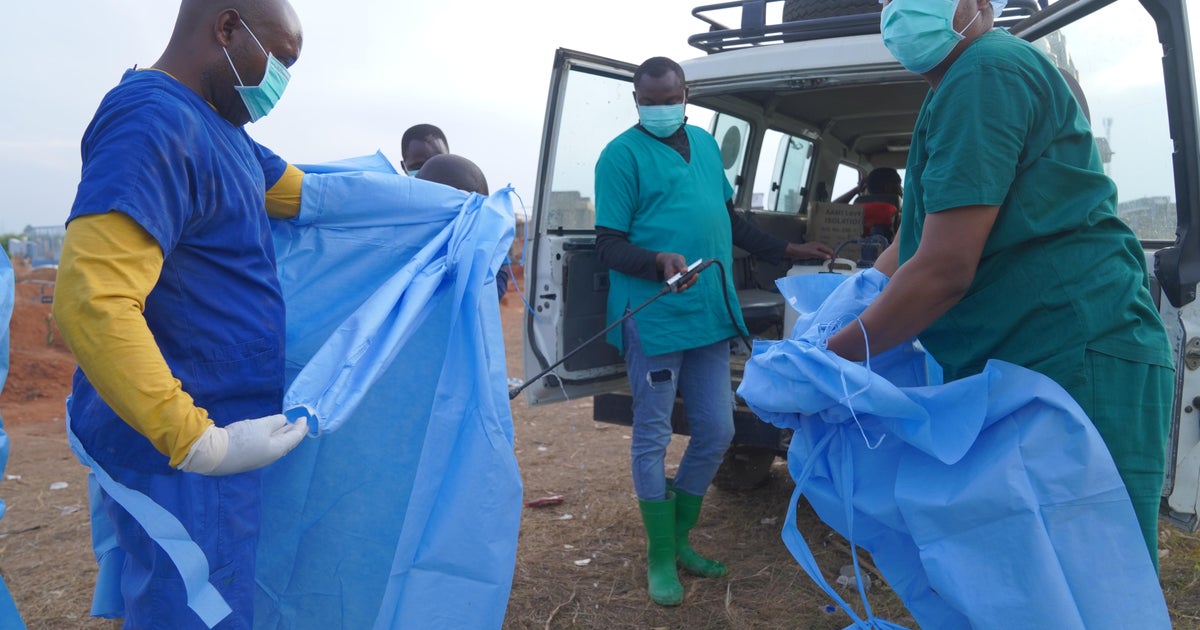
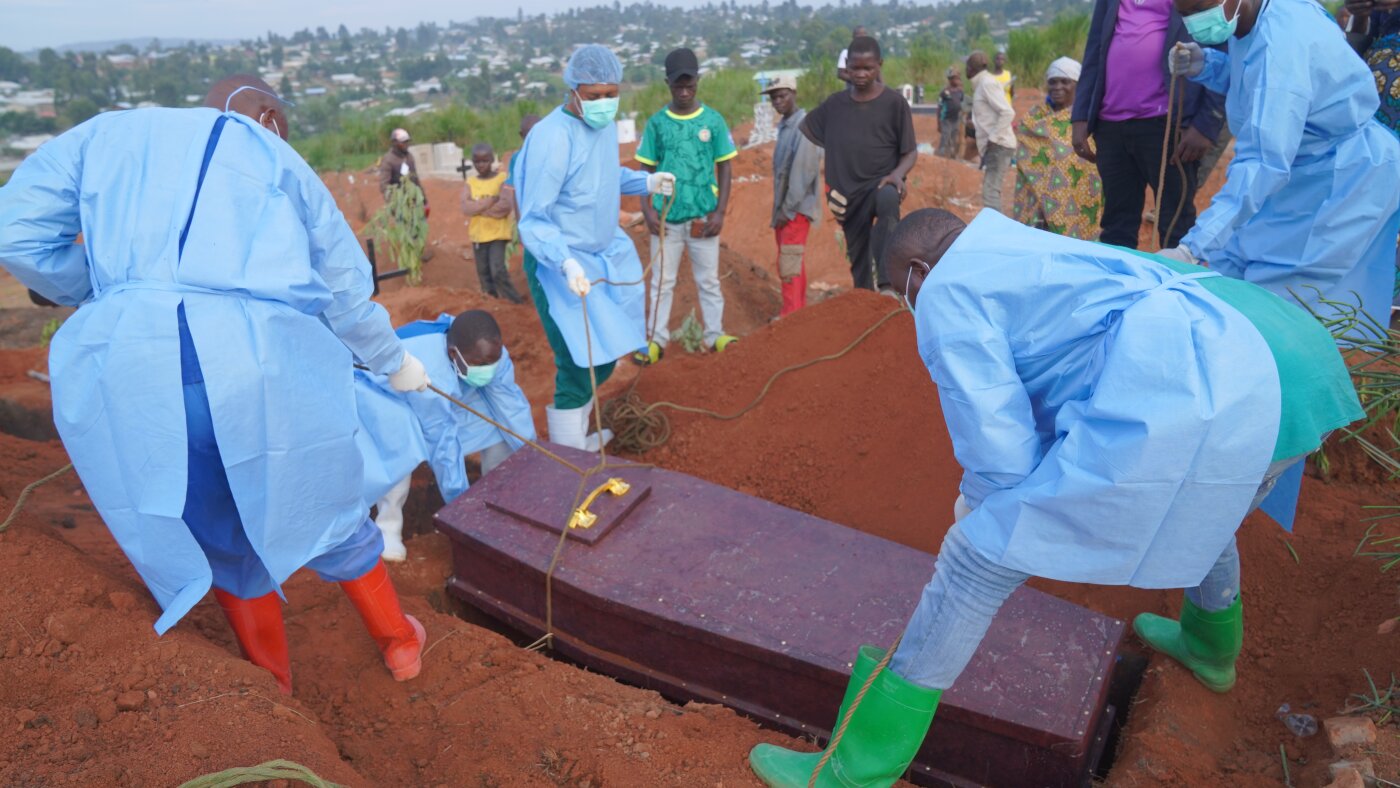
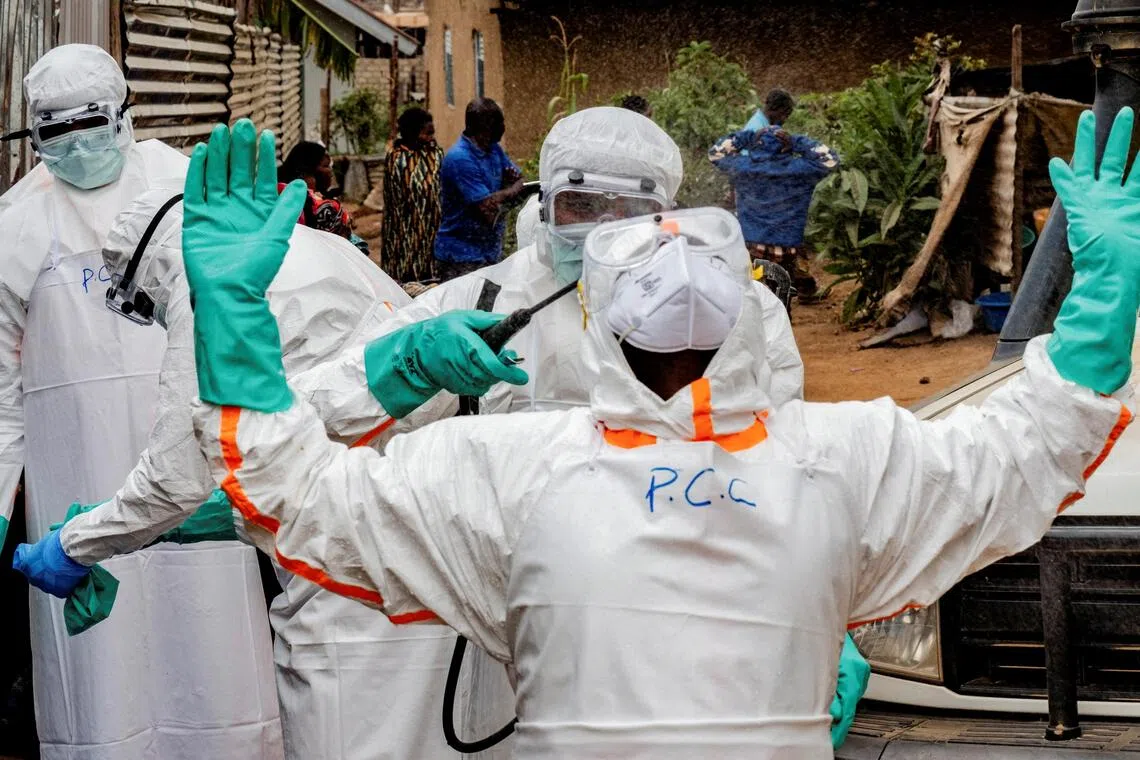
The Ebola outbreak in the Democratic Republic of the Congo has spread to a sixth province, officials have said, a day after the head of the World Health Organization said the outbreak was on track to surpass the deadliest in history, which killed at least 11,000 people more than a decade ago.
asserted
which → spread → people
The current outbreak has killed more than 2,100 people out of more than 4,500 cases, according to the latest government figures released on Tuesday.
uncertain
outbreak → kill → Tuesday
At the same point in the 2014-16 outbreak in west Africa, the previous most deadly outbreak, 755 cases had been recorded, according to WHO data.
uncertain
cases → record → data
Jean Kaseya, the director general of Africa CDC, said on Thursday that a death had been recorded in the previously unaffected Bas-Uele province.
asserted
death → say → province
The man had travelled from Isiro, in Haut-Uele province, to Buta, the capital of Bas-Uele, where he died, Kaseya said.
asserted
Kaseya → travel → Uele
There are no approved vaccines or treatments for the rare Bundibugyo strain of the virus that is responsible for the current outbreak.
asserted
that → be → outbreak
The death toll has been reached almost three times faster than in the 2014-16 outbreak.
asserted
toll → reach → outbreak
On Wednesday, Tedros Adhanom Ghebreyesus, the WHO director general, said the current outbreak would surpass that one based on its current pace.
asserted
outbreak → say → pace
Six of DRC’s 26 provinces have now been affected, mainly those along the country’s north-eastern border.
asserted
Six → affect → border
More than 3,400 of the cases have been recorded in Ituri province, where the outbreak was first reported.
asserted
outbreak → record → province
Uganda has reported 20 cases, all in the capital, Kampala.
asserted
Uganda → report → capital
The last case there was reported on 21 June and no community transmission has been recorded.
asserted
transmission → report → June
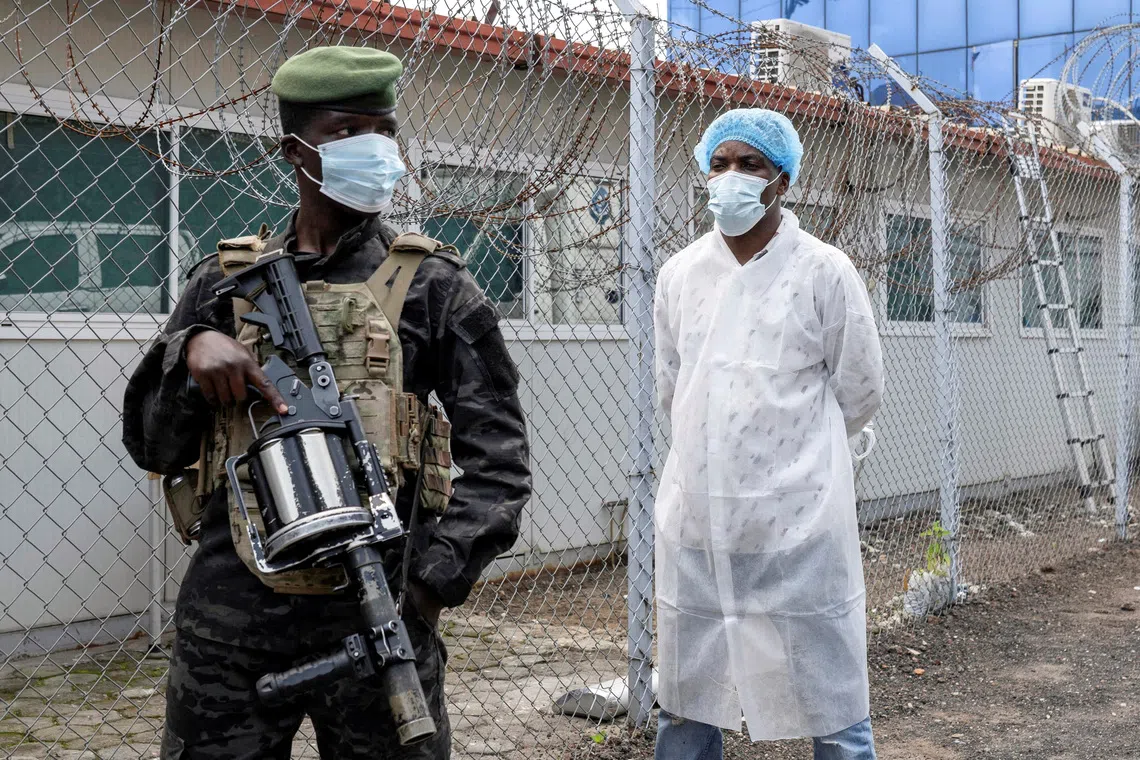
The DRC outbreak is unfolding amid strikes by some unpaid health workers, global development aid cuts, threats by rebel groups, anger from long-traumatised communities, and misinformation claiming that Ebola is not real.
asserted
Ebola → unfold → communities
Health workers at the Nizi treatment centre in Ituri province went on strike on Thursday, leading to the temporary closure of the centre, saying they had not been paid for three months.
asserted
they → go → months
The true scope of the outbreak remains unknown.
asserted
scope → remain → outbreak
It was declared on 15 May but the WHO says sequencing now shows it began months earlier in February.
uncertain
it → declare → February
Health authorities have said between 60% and 70% of new cases are recorded outside contacts being monitored, and that the disease is spreading at an alarming rate.
asserted
disease → say → rate
Dr Mohamed Yakub Janabi, the WHO regional director for Africa, said this week: “We are chasing the virus; the virus is ahead of us.”
Nonetheless, his colleague Abdirahman Mahamud, the head of the WHO’s emergency response division, sounded a note of optimism on Wednesday, saying that if the pandemic response was implemented “at the same time across the five transmission zones, we are expecting a turnaround in three months”.
asserted
we → say → months
Even with that, Mahamud said the peak of the outbreak would not be reached for six months under a “moderate” scenario and that the outbreak could last nine to 12 months.
uncertain
outbreak → say → months
Ebola is rare but highly contagious and can be contracted from body fluids such as vomit, blood or semen, including from dead bodies, and from contaminated surfaces and materials such as bedding and clothing.
asserted
Ebola → contract → bedding
The disease it causes is severe and often fatal.
asserted
it → cause → ?
Clinical trials of two possible treatments for the Bundibugyo strain of Ebola causing this outbreak began last month in Ituri.
asserted
trials → cause → Ituri
Tedros said on Wednesday two vaccines developed specifically for this strain were now being tested on people for the first time.
asserted
vaccines → say → time
This strain of Bundibugyo is genetically different from previous outbreaks in 2007 and 2012, making it likely that this outbreak began when the virus jumped from an infected animal to a human, researchers said in a paper published this week in the journal Nature Medicine.
asserted
researchers → make → journal
They had sequenced genomes from samples from 22 people with Ebola.
asserted
They → sequence → Ebola
Last week, Kaseya said officials were worried the virus could be mutating and that the Africa CDC was planning further studies with the WHO to investigate.
uncertain
CDC → say → WHO
Associated Press and Agence France-Presse contributed to this story.
asserted
Press → contribute → story