Examine, a free newsletter covering science, is sent every Tuesday.
asserted
Examine → cover → science
You’re reading an excerpt – sign up to get the whole newsletter in your inbox.
asserted
You → read → inbox
Amid the heroin crisis in the 1990s, Professor Ju Lee Oei was part of a team that established a world-first outpatient clinic in Sydney prescribing methadone to newborns exposed to opioids in the womb.
asserted
that → establish → womb
“In the past, if a baby was withdrawing and no one recognised it, they’d likely be sent home and die,” Oei, now a senior neonatologist at The Royal Hospital for Women in Sydney and the Mater Research Institute in Brisbane, says.
“These children often came from poorer parts of the community and were invisible.”
asserted
children → withdraw → community
Methadone is a synthetic opioid that can substitute illegal drugs and serve as a treatment for people dependent on heroin or fentanyl.
asserted
that → substitute → heroin
It’s a life-saving intervention for many, including pregnant women and babies, that blocks cravings but doesn’t trigger the “high” of other drugs.
asserted
that → ’ → drugs
Treatment of opioid-exposed newborns has improved since the ’90s.
asserted
Treatment → expose → 90s
But there are still urgent gaps in knowledge, including ways to address long-lasting effects of opioid exposure in infants, which can lead to difficulties with attention, anxiety, learning and impulse control.
asserted
which → be → attention
Now, a group of researchers including Oei, scientists working in animal models, and people with real-life experience of drug use have come together to find new ways to improve the lives of babies exposed to methadone and other opioids.
asserted
group → include → methadone
Results from a new study have raised early hopes of a promising new treatment.
asserted
Results → raise → treatment
Giving birth on methadone
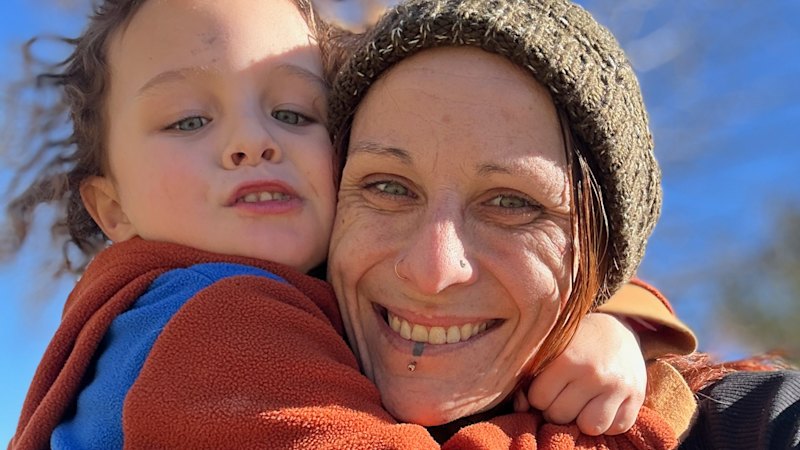
Jess Doumany began a methadone program after becoming dependent on heroin.
asserted
Doumany → give → heroin
About six months into the program, she fell pregnant.
asserted
she → fall → program
“I’d lost my mum about six months prior, and my husband had [died by] suicide about 18 months prior to that.
asserted
husband → lose → that
It was a really tumultuous time, but methadone really gave me my life and stability back.
asserted
methadone → give → stability
And obviously gave my body stability back for the fact I got pregnant,” says Doumany, who was living in the Northern Rivers at the time.
asserted
who → give → time
“But it quickly became apparent there were no resources or information specifically available for women in this position, in regional areas especially.”
asserted
it → become → areas
Many of Doumany’s caregivers and midwives admitted they didn’t know much about opioid exposure.
asserted
they → admit → exposure
“It was only some of the older nurses who were around Lismore and Nimbin in the ’70s and ’80s, who had experience with heroin and knew a bit more.”
asserted
who → have → more
After Doumany’s son, Billy, was born, he required morphine-assisted withdrawal due to the methadone exposure.
asserted
he → bear → exposure
But Doumany says there was little consultation with her about the evaluation of his symptoms, and a lack of information and clear protocols regarding treatment.
asserted
Doumany → say → treatment
“Two days before discharge, I had two males from child safety walk into my room while I was breastfeeding.
asserted
I → have → room
“According to them, the fact that Billy had withdrawals of any nature, even though it was from the methadone, constitutes a notification.
uncertain
it → accord → notification
“And I was like, well, if that’s the protocol, then I would appreciate if someone had told me that, you know?”
asserted
you → ’ → that
The experience inspired Doumany to pursue a PhD at UNSW focused on improving support for mothers and babies impacted by perinatal opioid exposure, in part by bringing in the stories of people with real-life experience.
asserted
experience → inspire → experience
Part of what’s missing, she says, is a focus on babies’ health once they leave hospital, as well as follow-ups and wrap-around supports for mothers and their children.
asserted
they → miss → mothers
That’s one of the reasons she’s excited about new research that could one day help mitigate potential downstream effects of prenatal opioid exposure.
uncertain
that → ’ → exposure
Gut supplement tested in rats
Babies exposed to opioids in the womb go “off a cliff edge” at birth, says Associate Professor Kelly Clemens from UNSW’s School of Psychology.
asserted
Clemens → test → Psychology
“If you imagine going cold turkey with someone with a heroin dependence, you’re kind of doing the same thing with that infant … they can have seizures in the worst cases.
asserted
they → imagine → cases
Generally, they end up in the neonatal intensive care unit,” Clemens says.
asserted
Clemens → end → unit
Once weaned off opioids, developmental and behavioural issues may arise years down the track.
uncertain
issues → wean → track
“What we now know is that their long-term health, especially mental health and cognition, is really impacted.”
asserted
health → know → What
The new study, led by Clemens and published in Translational Psychiatry, investigates sodium butyrate as a possible treatment for these effects.
asserted
study → lead → effects
It’s produced naturally in the gut upon the breakdown of fibre, helping to nourish a healthy microbiome, and it’s also one of the chemicals produced in the gut that travels to the brain.
asserted
that → produce → brain
“It really does span that gut-brain axis in the same way that opioids are involved in both gut and brain functions,” Clemens says.
asserted
Clemens → span → functions
The researchers tested sodium butyrate on pregnant rats.
asserted
researchers → test → rats
Some were also given methadone.
asserted
Some → give → methadone
The methadone-exposed pups proved more fearful and anxious than their counterparts and had some damage to brain tissue.
asserted
pups → expose → tissue
Those treated with sodium butyrate had less damage, better learning behaviours and were more curious.
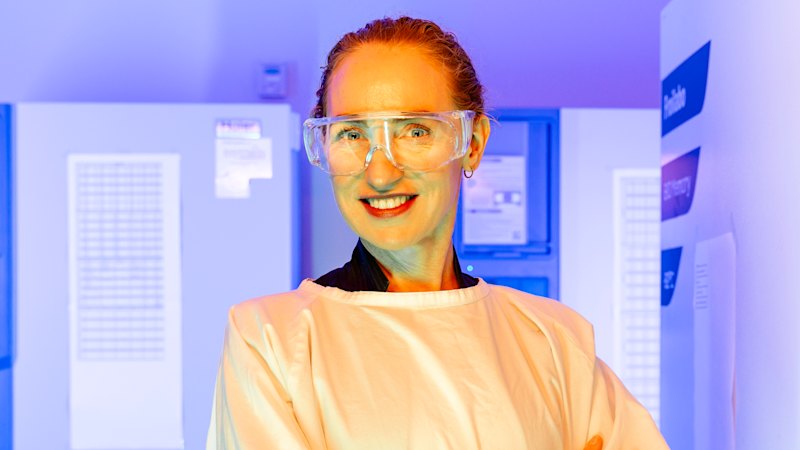
“We were honestly surprised by how broad the improvements were,” Dr Isobel Williams, who led the experiments, says.
asserted
who → treat → experiments
“It wasn’t just one area; we saw benefits across memory, attention, and even brain structure.”
asserted
we → see → memory
The study in rats is preliminary and there is much more research needed before human trials.
asserted
study → be → trials
…and 11 more, not listed.
 The Aporia