The Aporia

Cecil, N., & Reevey, L. (2026, October 22). Chancellor set to back Sadiq Khan's plan for international trains to stop at second London station. Evening Standard. https://www.standard.co.uk/news/london/chancellor-budget-sadiq-khan-stratford-station-eurostar-international-trains-stop-b1301856.html
Cecil, Nicholas, and Luke Reevey. “Chancellor set to back Sadiq Khan's plan for international trains to stop at second London station.” Evening Standard, 22 Oct. 2026, https://www.standard.co.uk/news/london/chancellor-budget-sadiq-khan-stratford-station-eurostar-international-trains-stop-b1301856.html.
Cecil, Nicholas, and Luke Reevey. “Chancellor set to back Sadiq Khan's plan for international trains to stop at second London station.” Evening Standard, October 22, 2026. https://www.standard.co.uk/news/london/chancellor-budget-sadiq-khan-stratford-station-eurostar-international-trains-stop-b1301856.html.
Dated from the outlet's own feed. Check the original for its byline.
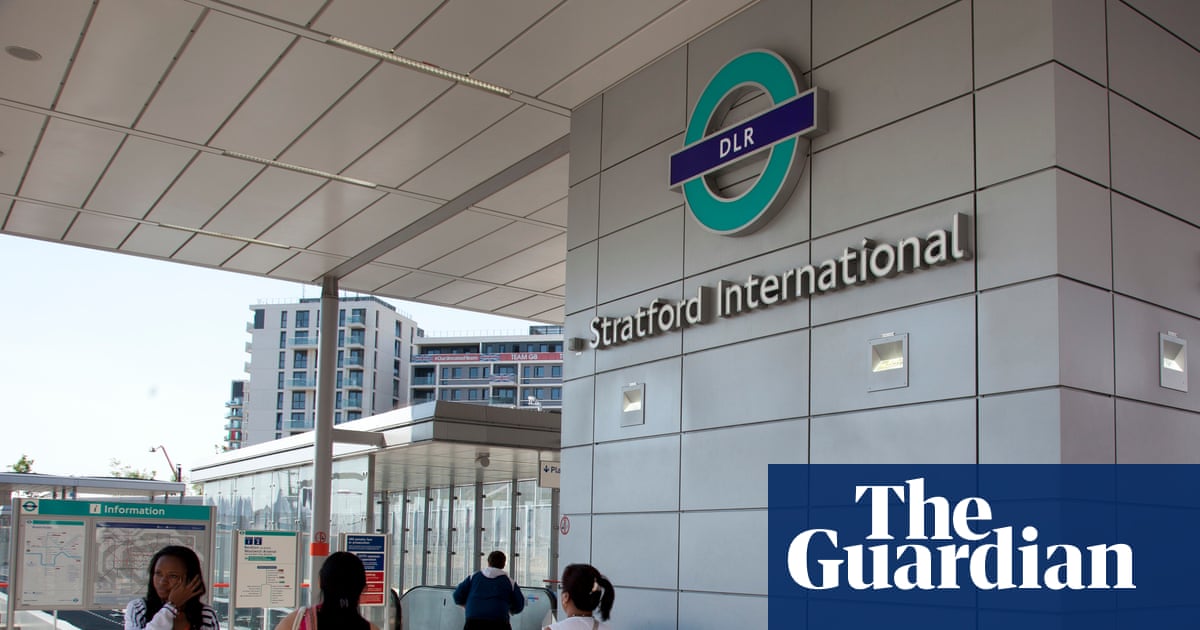
Sadiq Khan, Mayor of London, is working with the government to upgrade Stratford International Station in east London, allowing it to start running international rail services within four years. The development aims to connect one of the UK’s fastest-growing economic centers directly to Europe, opening up opportunities for jobs, investment, and tourism. Currently, Stratford mainly serves domestic routes but has a capacity of only 250-300 passengers at a time compared to St Pancras International, which handles up to 3,000 passengers per hour. The project would benefit around five million people in the capital by providing easier access to international rail services than traveling to St Pancras. Operators are considering destinations in Germany and Switzerland, although Eurostar has declined to run services from Stratford thus far. Talks between City Hall and the government are reportedly very positive, with a Business Rate Retention Zone (BRRZ) potentially benefiting London by retaining more business rates locally rather than funding other regions. The project could deliver an economic boost of up to £2 billion for east London.