The Aporia
Richards, J. (2026, October 22). This Netflix series is repellant. It’s also one of the most thought-provoking shows I’ve seen. The Sydney Morning Herald. https://www.smh.com.au/culture/tv-and-radio/new-stanford-prison-experiment-review-netflix-original-study-20261022-p6173u.html?ref=rss&utm_medium=rss&utm_source=rss_feed
Richards, Jared. “This Netflix series is repellant. It’s also one of the most thought-provoking shows I’ve seen.” The Sydney Morning Herald, 22 Oct. 2026, https://www.smh.com.au/culture/tv-and-radio/new-stanford-prison-experiment-review-netflix-original-study-20261022-p6173u.html?ref=rss&utm_medium=rss&utm_source=rss_feed.
Richards, Jared. “This Netflix series is repellant. It’s also one of the most thought-provoking shows I’ve seen.” The Sydney Morning Herald, October 22, 2026. https://www.smh.com.au/culture/tv-and-radio/new-stanford-prison-experiment-review-netflix-original-study-20261022-p6173u.html?ref=rss&utm_medium=rss&utm_source=rss_feed.
Dated from the outlet's own feed. Check the original for its byline.
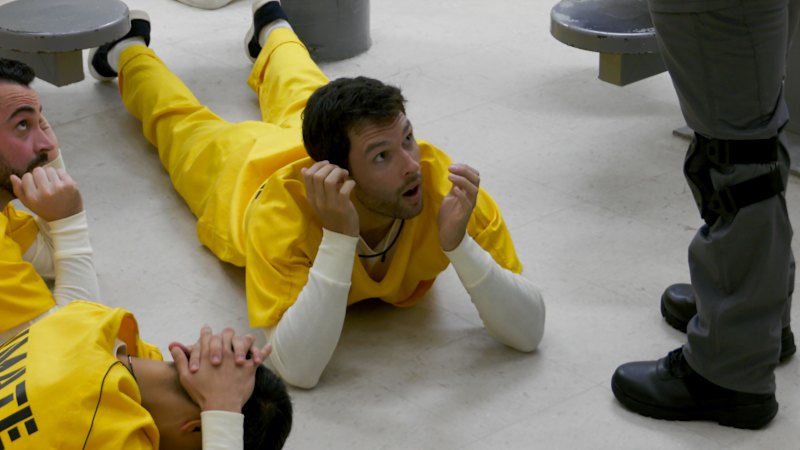
Netflix's latest series, which recreates the controversial Stanford Prison Experiment, has sparked significant backlash. The original experiment, conducted in 1971 by Stanford University professor Philip Zimbardo, involved dividing 24 college-aged men into mock inmates and guards, leading to a scenario where guards subjected prisoners to cruel punishments that caused emotional breakdowns. Despite being widely criticized for ethical failures, the experiment remains a notable topic in pop culture.
Netflix's version of the experiment, announced earlier this year, has drawn criticism from psychologists and academics who question its ethics due to reality TV’s tendency to exploit vulnerable individuals. The show features experts such as Pulitzer-winning journalist Trymaine Lee, psychologist Alison Wood Brooks, and retired correctional officer Michael Cantrell, who discuss the ethical implications but reach no definitive conclusions.
The Stanford Prison Experiment series has been described by critics as potentially setting a new low for reality TV, raising concerns about subjecting participants to potential cruelty and abuse from viewers.