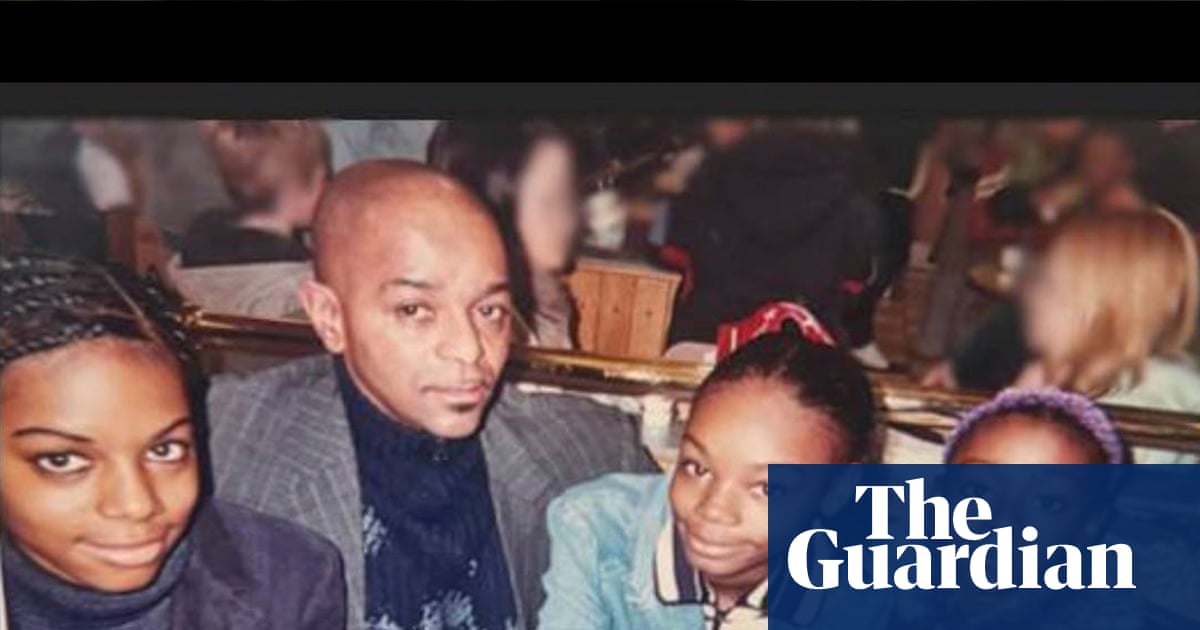
“At the time it felt like a devil’s bargain – it was horrible, but it was what [we thought] we had to do to keep people safe,” says Amy of the “devastating” and “terrifying” restrictions that led to her maternal grandparents being locked down in separate care homes during the early days of the Covid-19 pandemic.
asserted
grandparents → feel → pandemic
Eva and Eric had been married for more than 60 years when her dementia and his increased frailty meant they needed separate residential support.
asserted
they → increase → support
When the first lockdown was announced in March 2020, however, it in effect cut them off from each other and their granddaughter, to whom they had been especially close after the early death of Amy’s mother.
asserted
they → announce → mother
“I spoke to Grandad on the phone when it was possible – it often wasn’t possible due to staff not being able to take him a phone – and he was desperately lonely, isolated in his room, unable to talk to anyone because they were worried about [the spread of Covid],” says Amy, 39, who lives in Milton Keynes and works for a large software company.
asserted
who → speak → company
“I consoled myself that they were keeping him safe.
asserted
they → console → him
Instead, she says, he was depressed and very afraid until he finally caught the virus in 2022.
asserted
he → say → 2022
Amy saw him for the first time on a Covid ward, “when I had to beg and beg and beg the hospital staff to let me visit him”.
asserted
me → see → him
Eric died shortly afterwards.
asserted
Eric → die → ?
Six years after Covid struck, the latest report from the public inquiry into the pandemic, published this week, has convinced Amy that the policy of isolating residents was “cruel and pointless”, she says.
asserted
she → strike → residents
“I want to smash something.
asserted
I → want → something
I can never get that time with them back.
asserted
I → get → them
“The impression I had at the time was that [the government] were doing their best in the face of an unstoppable tidal wave, but it sounds like they put out a hand and expected it to stop the ocean.”
asserted
it → have → ocean
The inquiry concluded that the entire care sector had been an “afterthought” to government planners, and that a claim by the then health secretary, Matt Hancock, to have put a “protective ring” around residents was entirely unfounded.
uncertain
claim → conclude → residents
Instead, the decision to discharge untested patients from hospitals into care homes led to the virus spreading “like wildfire”, while blanket restrictions on outside contact led to “immense emotional harm” and “profound isolation” for vulnerable residents.
asserted
restrictions → discharge → residents
The findings are no surprise to the family members of care home residents, many of whom have told the Guardian of the immense distress their loved ones went through.
asserted
ones → tell → distress
Roger Dennison’s father, Lucius, was a sprightly 90-year-old care home resident when the first reports of the coronavirus emerged; they watched the news together in Lucius’s room and wondered how quickly it would peter out.
asserted
it → emerge → room
Weeks later, Lucius’s care home had firmly locked down, and the only way Dennison could talk to his dad was through a window that had been opened a few inches at the top.
uncertain
that → lock → top
“You’re standing on tiptoe, trying to shout in and then be heard on the other side,” he says.
asserted
he → stand → side
They tried it just once but stopped because it was too distressing for Lucius.
asserted
it → try → Lucius
After that, Dennison, who had previously visited every other day, was reliant on passing messages through staff, while Lucius was “in his room, largely on his own”.
asserted
Lucius → visit → own
The disease “became a growing apprehension for me once it became clear people were coming into the home and bringing it with them”, says his son.
asserted
son → become → them
“I think there was a sense of inevitability.”
asserted
I → think → inevitability
Lucius caught Covid in the first wave and died in hospital in April 2020.
asserted
Lucius → catch → April
To care workers, too, the situation was terrifying and immensely distressing, says Nick (not his real name), who was a senior worker at a home in West Yorkshire.
asserted
who → say → Yorkshire
“The situation from the very start was frightening because we all thought that if you got Covid, you died or were going to be seriously unwell.
asserted
you → think → Covid
I remember having to strip naked at the back door of my house because we had a resident return from hospital who had shared a ward with Covid patients.
asserted
who → remember → patients
As a care home, we tried to refuse their return based on the risk of infection but were told [by the hospital] that we couldn’t.”
asserted
we → try → hospital
From that point, he says, “all hell broke loose”.
asserted
hell → say → point
They had already run out of personal protective equipment, he says.
asserted
he → run → equipment
Watching people die at such a high rate in such a small space of time; having to say goodbye to so many people we came to know and love; putting our own health on the line every day and then quite possibly carrying that home to your family.
uncertain
we → watch → family
Mentally, we were all spent.”
asserted
we → spend → ?
Like many, Catherine Bennett, a retired teacher from Lewes in East Sussex, says she was not shocked by the inquiry’s findings: “We knew what was happening.
asserted
what → say → findings
Her father, who had been in a care home since 2018, “felt a terrible sense of abandonment” that no one was able to visit and became paralysingly afraid of catching the virus.
asserted
one → feel → virus
“For a long time he didn’t go down for meals; he stopped doing all his activities so he wouldn’t meet anybody.”
asserted
he → go → anybody
After some months, she says, the care home built a room where residents could talk to relatives through a glass panel and speakers.
uncertain
residents → say → panel
It was, she says, “very distressing for a man of his age to be separated from his loved ones in that way, to be able to see us through the glass but not be able to touch us or have any meaningful contact”.
asserted
man → say → contact
Her father died in the home in 2022.
asserted
father → die → 2022
Diana, a retired social worker from Derby, feels a similar lasting anger about the experience of her sister, Helen, whose mental health needs meant she was living in a care home in Carlisle when the pandemic struck, and who experienced a similar bewilderment at her sudden isolation.
asserted
who → feel → isolation
The first time Diana was able to sit with her was after a year of lockdown when Helen was very unwell; she died the same day.
“I just think they threw care homes under a bus while they partied in Downing Street, and I do feel rather cross about that,” says Diana.
asserted
Diana → sit → that
“I think it is a major trauma for this country and I think it should never be forgotten.”
asserted
it → think → country
 The Aporia