The Aporia

Ohio's Vivek Ramaswamy slammed for 'revolting' campaign ad featuring opponent's estranged mother. (2026, October 21). CBC News. https://www.cbc.ca/news/world/ohio-controversial-campaign-ad-ramaswamy-acton-9.7389687?cmp=rss
“Ohio's Vivek Ramaswamy slammed for 'revolting' campaign ad featuring opponent's estranged mother.” CBC News, 21 Oct. 2026, https://www.cbc.ca/news/world/ohio-controversial-campaign-ad-ramaswamy-acton-9.7389687?cmp=rss.
“Ohio's Vivek Ramaswamy slammed for 'revolting' campaign ad featuring opponent's estranged mother.” CBC News, October 21, 2026. https://www.cbc.ca/news/world/ohio-controversial-campaign-ad-ramaswamy-acton-9.7389687?cmp=rss.
Dated from the outlet's own feed. Check the original for its byline.
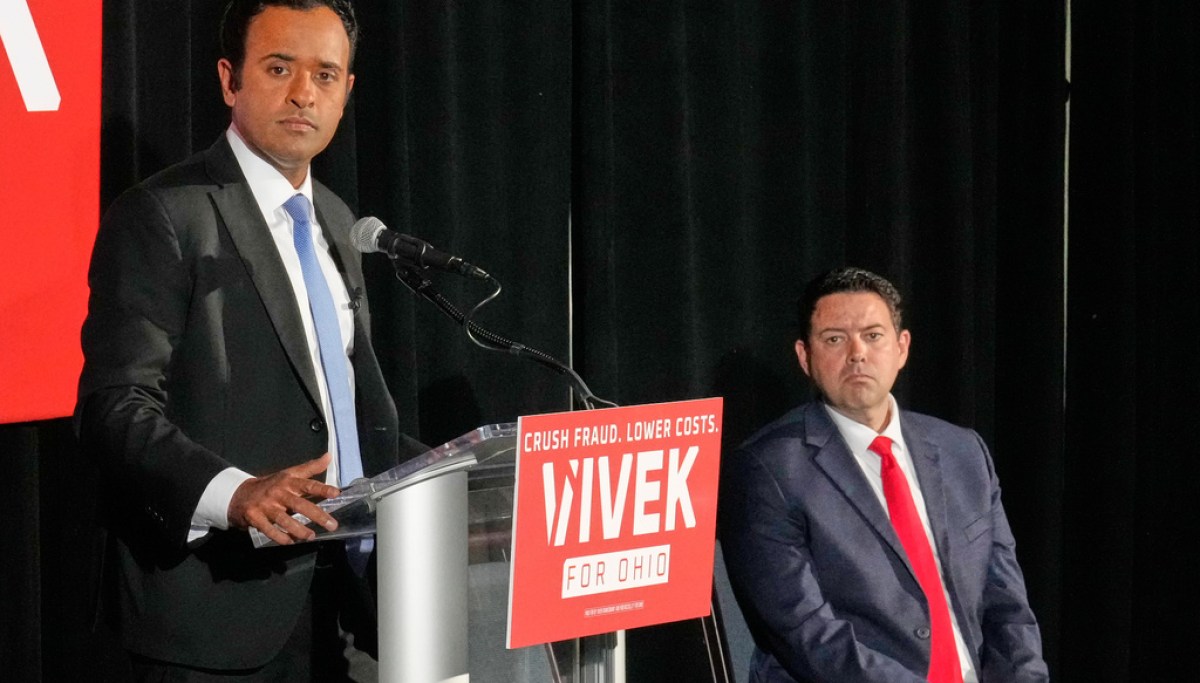
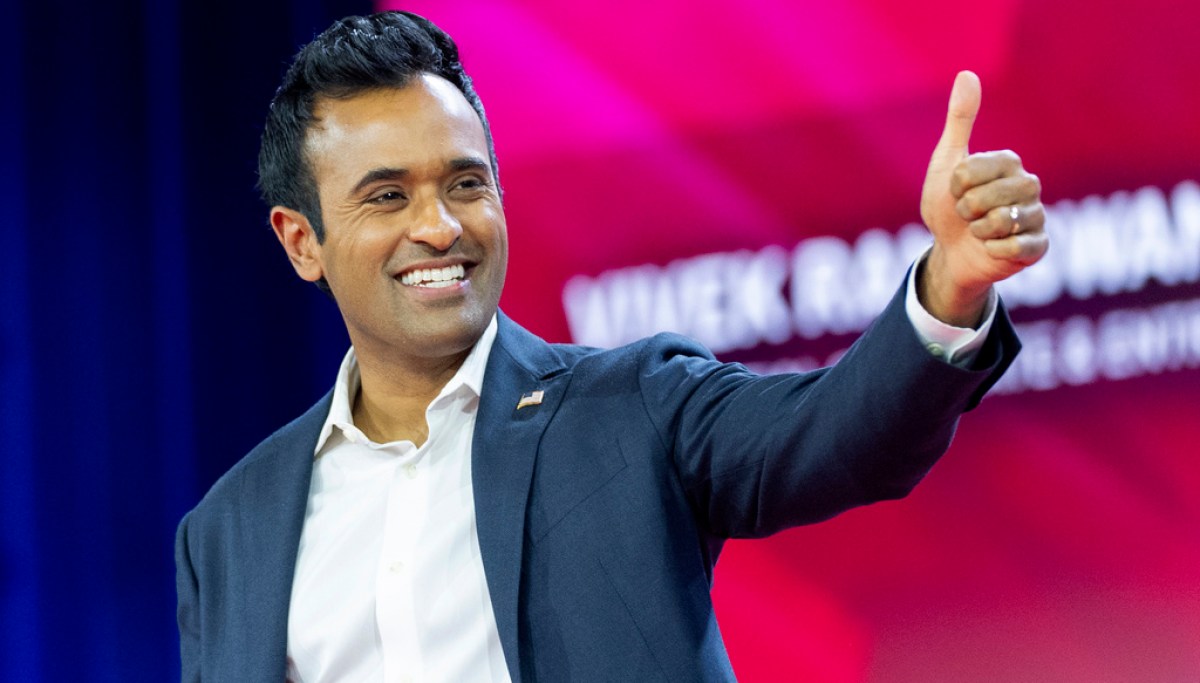
The controversy surrounding Ohio's gubernatorial race between Republican Vivek Ramaswamy and Democrat Amy Acton reached new heights when it emerged that Ramaswamy's campaign produced a controversial advertisement featuring the estranged mother of his opponent, Donna Arthur.
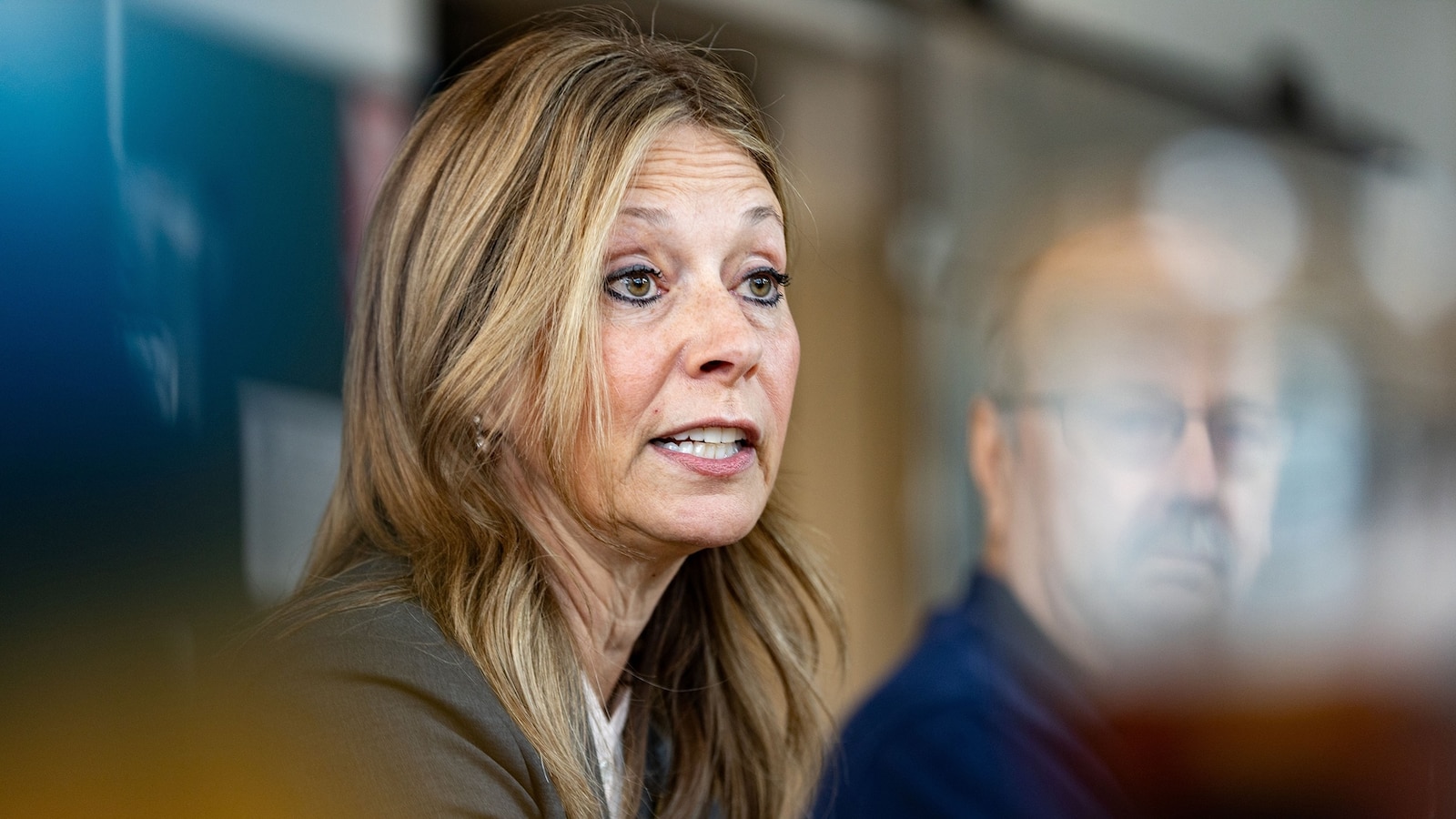
In this ad, Donna Arthur criticizes her daughter Amy Acton, calling her "a liar" and suggesting she has mental health struggles. The video was initially circulated on social media without clear disclosure about its origin or funding, leading to widespread debate and criticism once it was confirmed that the Ramaswamy campaign had created it.
The content of the ad is particularly sensitive due to Acton's traumatic childhood experiences. She was removed from her mother's custody at age 12 after allegations of severe abuse and sexual assault by her stepfather. The decision to bring this personal history into the political discourse has been widely condemned as inappropriate and manipulative, with bipartisan rebuke directed towards Ramaswamy's campaign.
Despite the backlash, the Ramaswamy team confirmed that they produced the ad and pledged $4 million for its promotion in the final days before the election. This move intensifies the personal nature of an already contentious race and is seen by Democrats as a desperate attempt to sway voters amid mounting opposition.
The controversy has overshadowed other campaign issues, with questions now centering on ethical boundaries in political advertising and the appropriateness of leveraging a candidate's personal trauma for electoral gain. As more than 676,000 ballots have already been cast in Ohio, the impact of this ad could significantly influence voter sentiment as the election approaches.
Amy Acton responded by emphasizing her commitment to addressing mental health issues and has used the incident to rally support from those who see the ad as a cynical political tactic. Her brother, Phillip Stearns, issued a statement highlighting the abuse they endured under their stepfather's care, adding weight to Amy’s narrative that the advertisement was an unwarranted intrusion into her private life.
Overall, this controversy highlights the increasingly personal and sometimes controversial tactics used in high-stakes election campaigns and raises ethical questions about how candidates’ personal histories should be treated by opponents during political races.
Questions about the video will likely shadow Ramaswamy in the final two weeks of the contest, with Democrats branding it as a desperate move.