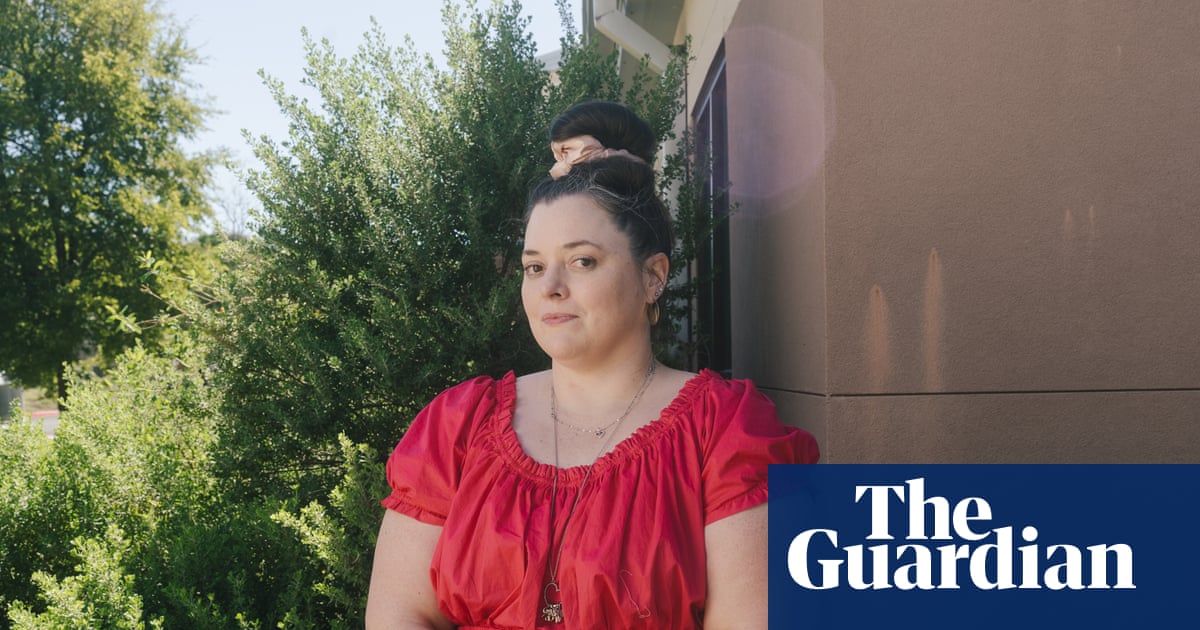
It may be a club none of its members actually want to be in, but the growing number of people in the US affected by extreme weather disasters are starting to organize into a political force.
uncertain
number → want → force
Severe wildfires, floods storms and other calamities now touch the lives of huge numbers of Americans – about half of all people in the US by one estimate – as the climate crisis supercharges extreme events.
asserted
crisis → touch → events
Some survivors are now coalescing to push for improved disaster response and even action on the politically contentious issue of global heating.
asserted
survivors → coalesce → heating
“The group has grown, sadly, quite rapidly,” said Sierra Kos, a film-maker who co-founded Extreme Weather Survivors after being caught in a pall of toxic smoke from wildfires in rural Oregon in 2020 as she attempted to take her son to receive medical care.
asserted
she → grow → care
“I am positive though that survivors of extreme weather will not just shape political outcomes and policies moving forward but also look to run for office,” said Kos.
asserted
Kos → shape → office
“This is going to be a constituency that policymakers and politicians need to listen to.”
asserted
policymakers → go → that
The shock of extreme weather help bonds people in an unusually bipartisan way, Kos said, with politically diverse delegations of survivors making several trips to press lawmakers in Washington.
asserted
delegations → bond → Washington
Survivors overwhelmingly feel that the Federal Emergency Management Agency (Fema) should be more responsive but also that disaster aid should not be politicized, Kos said.
asserted
Kos → feel → ?
Donald Trump has enacted deep cuts to Fema, stressing that states should take more responsibility for disaster relief, and has been accused of withholding resources from states that did not vote for him.
asserted
that → enact → him
“I think you’d be hard pressed to find a group of people that are more united on the core issues,” Kos said of her organization’s survivor network, which now spans around 2,500 people across the US.
asserted
which → think → US
A meeting of survivors this month in Texas, though, suggests that politicians don’t yet feel overwhelming political pressure to engage with those affected by extreme weather.
uncertain
politicians → suggest → weather
In a community hall in Kerrville, near where flash floods killed 136 people in 2025, all of the Texas gubernatorial and senate candidates were invited to speak to survivors but only one, Vikki Goodwin, Democratic candidate for lieutenant-governor, showed up.
asserted
one → kill → governor
“We are seeing more extreme weather in Texas and we need to do more for survivors,” Goodwin told the group.
asserted
Goodwin → see → group
Several of those who spoke at the event expressed surprise at how they had been thrust into the role of advocate.
asserted
they → speak → advocate
“I just didn’t care about politics.
asserted
I → care → politics
I never thought I’d be doing this,” said Kylie Nidever, a former pre-school teacher whose childhood home in Hunt, Texas, was one of the few in the neighborhood to survive inundation from the floods.
asserted
home → think → floods
“It radicalized me to see my community devastated, and there was some survivors’ guilt, too.
asserted
community → radicalize → me
So that was initially how I dealt with the trauma,” said Nidever, who has spoken to a committee of Texas lawmakers and expressed shock at the lack of Fema response to similar, less deadly, floods that hit the region again this year.
asserted
that → deal → region
“We need more authority, we need more guidance, we need more support,” she said.
asserted
she → need → support
“And seeing that not happen even after this second flood has lit a fire under me.
asserted
that → see → me
I guess I knew it would flood again, I just didn’t think it would happen so soon.”
asserted
it → guess → ?
Georgia Bishop, whose best friend Felicity Jarmon died in the 2025 floods, said she still finds it difficult to talk about the disaster, which caused “devastating” damage to her own home.
asserted
which → die → home
But the 19-year-old has got involved with Extreme Weather Survivors events and traveled to Washington in June to speak to members of Congress about the need for better flood warnings, such as sirens, for communities like hers.
asserted
old → involve → hers
The reception she got was mixed, she said, with some lawmakers appearing uninterested while some promised to do more.
asserted
some → get → more
“My only thing is that you say you’re trying, you say you’re working, and I will believe you on that, but will it be in time before something really is going to happen again?
asserted
something → say → time
” Bishop said.
asserted
Bishop → say → ?
“I just want to help make sure that this never happens again, because I never want that to happen again to anybody.”
asserted
that → want → anybody
Survivor groups routinely share tales of frustration when dealing with the labyrinthine and often fruitless process of dealing with insurance companies, Fema and a catalogue of other local, state and federal government agencies to get the resources to piece back together shattered homes and lives.
asserted
groups → share → homes
Several people at the Texas meeting spoke of how they will soon be evicted from temporary housing, with no payments from Fema or other bodies to help make their ruined homes habitable again.
asserted
homes → speak → Fema
Other survivors have been rejected multiple times for Fema assistance, under this and previous administrations.
asserted
survivors → reject → this
“Fema is terrible, they are awful, they are so inefficient and antiquated that people give up, it’s not worth your stress,” said Elisabeth Anderson, whose home in Atlanta, Georgia was hit by Hurricane Helene in 2025.
asserted
home → give → 2025
After several rejected applications, Anderson had to take out a loan to cover the $400,000 needed to repair her home from flooding that had forced her, her husband, child and two dogs to sit on the top of their car to escape the rising waters.
asserted
that → reject → waters
“It was insane, like something out of a movie,” she said of the floodwater.
asserted
she → say → floodwater
“I definitely thought we’d die at one point.”
asserted
we → think → point
Many survivors complain about the lack of preparation and response to major disasters, Kos said.
asserted
Kos → complain → disasters
“There’s this sense of ‘we are American, we should have the best possible evacuation notifications’ – and the fact that all of that funding has been cut really infuriates people,” she added.
asserted
she → ’ → people
These common woes help pull together survivors from different parts of America’s politically fractured landscape, even helping foster a greater appreciation of the role of the climate crisis in disasters among those previously skeptical of such links.
asserted
woes → help → links
Scientists have been clear that global heating likely worsened the floods in Texas and elsewhere, as well as recent heatwaves and wildfires.
asserted
heating → worsen → Texas
“I used to think global warming was just indoctrination, then I lived through a flood where I genuinely thought I was going to die,” said Mike Malcolm, a 70-year-old Republican voter from Leander, Texas, who wrote his social security number on his hands and feet in case his body had to be identified as muddy water from the 2025 floods filled his home.
asserted
water → use → home
Malcolm’s children helped him understand the link between the floods and global heating, he said.
asserted
he → help → floods
…and 16 more, not listed.
 The Aporia