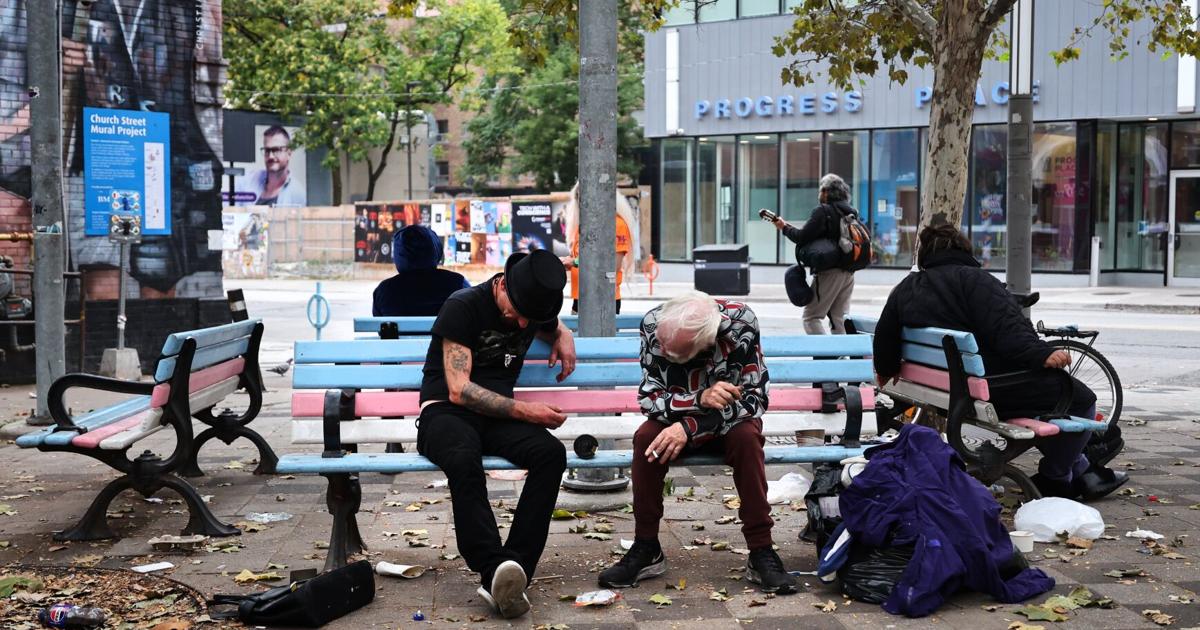
Kristina Kennedy does what she can to stretch the family budget.
asserted
she → do → budget
She receives disability support and child tax benefits, but after paying the bills and the rent for her apartment in the Woodbine Corridor, she’s left with only about $200 a week for groceries for herself and her four kids.
asserted
she → receive → herself
She walks places to avoid paying for the TTC.
asserted
She → walk → TTC
She uses apps to find out when grocery stores are selling soon-to-expire food at a discount.
asserted
stores → use → discount
But sometimes it’s not enough.
asserted
it → ’ → ?
“I try to be creative, but … at a certain point, it’s just not feasible,” she said.
asserted
she → try → point
Kennedy turns to the local food bank to fill the gaps.
asserted
Kennedy → turn → gaps
She’s hardly alone.
asserted
She → ’ → ?
One in 10 Toronto residents rely on food donations, according to the Daily Bread Food Bank, and there were 4.1 million visits to city food banks last year.
uncertain
residents → rely → banks
It’s a situation Kennedy never expected to be in, but after complications from the birth of her son in 2013 left her disabled, and the death of her husband about four years later, she was in a tough position.
asserted
she → ’ → position
“It honestly is shocking how easy it can happen to you,” she said.
asserted
she → happen → you
How quickly affordability falls apart
asserted
affordability → fall → ?
In Toronto, the line between getting by and not having enough is razor thin.
asserted
line → get → enough
That affordability crunch is top of mind for voters heading into the Oct. 26 municipal election, and while the main candidates both agree cost of living is a major issue, they have very different ideas about how to address the problem.
asserted
they → head → problem
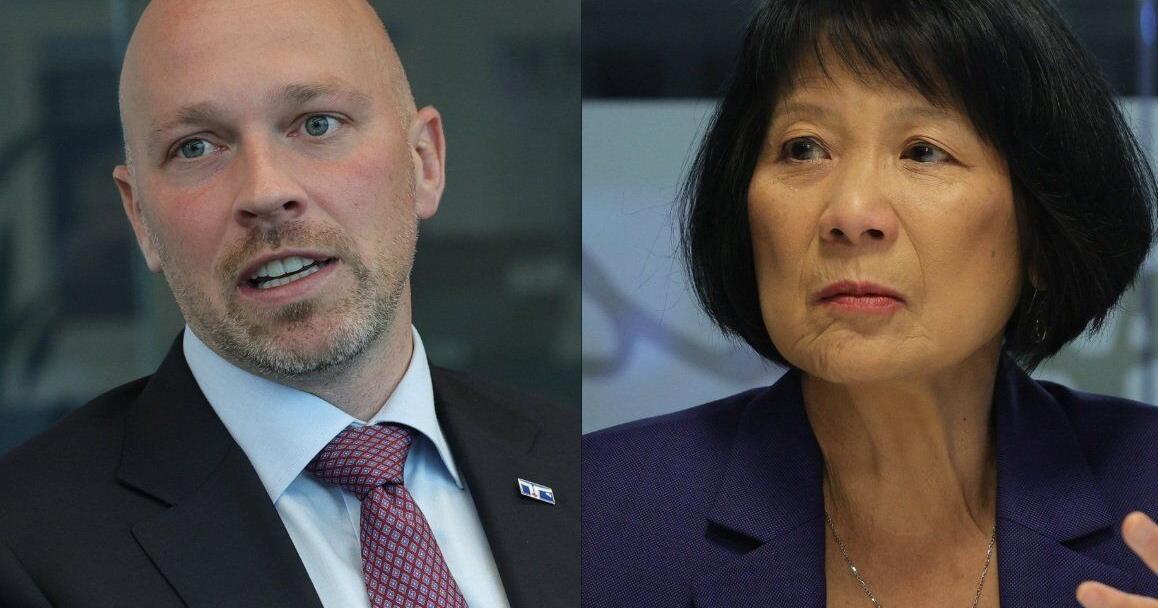
Both Brad Bradford and Olivia Chow have plans to build more affordable homes — housing costs are the main driver of Toronto’s affordability woes — but they have spent much of the campaign highlighting more immediate plans to save residents money.
asserted
they → have → money
While Bradford is pitching measures that would cut homeowners’ costs by thousands of dollars, Olivia Chow is proposing more modest policies aimed at reducing bills for lower-income families.
asserted
Chow → pitch → families
As much as any other policy area, the two candidates’ approach to pocketbook issues illustrates their different visions for the role of city government, and the choice facing voters next week.
asserted
approach → illustrate → voters
Two very different plans for Toronto’s wallet
Bradford, the outgoing councillor for Beaches—East York, says his campaign is about “real affordability measures that are going to make a big difference in people’s lives.”
asserted
that → say → lives
In September, he announced he would freeze property taxes in his first year (he has since said he would maintain the 1.5 per cent annual increase for Toronto’s city building fund, which pays for housing and transit infrastructure).
asserted
which → announce → housing
If re-elected, Chow has said she would keep property tax increases “at or around” the rate of inflation.
asserted
she → re → inflation
Bradford has also pledged to expand the municipal land transfer tax rebate to eliminate the charge on homes sold for below the city average, which last year was about $1.1 million.
asserted
which → pledge → average
He estimates the policy would save first-time homebuyers and those moving within Toronto up to $18,000 each, and would help “restore the dream of home ownership.”
asserted
policy → estimate → ownership
He is also promising to reduce water bills by about $300 a year by creating a new public water utility.
asserted
He → promise → utility
The councillor argues his policies to reduce homeowners’ bills would also benefit renters, because landlords pass on increased costs like taxes and utilities to their tenants by raising rents.
asserted
landlords → argue → rents
Chow and other critics have questioned whether Bradford can pay for his affordability promises without cutting services — the land transfer tax cut would cost the city $300 million annually — and claim his utility proposal opens the door to privatizing the water supply — an accusation he denies.
uncertain
he → question → supply
But Noah Jarvis, Ontario director of the Canadian Taxpayer Federation, predicted Bradford’s ideas would improve affordability.
asserted
ideas → predict → affordability
A recent Ipsos poll shows a majority of nonhomeowners in Toronto don’t believe they will ever afford to buy in the city.
asserted
they → show → city
“Any policy that seeks to reduce that cost for prospective homebuyers” is “a great thing,” Jarvis said.
asserted
Jarvis → seek → homebuyers
However, Don Drummond, the Stauffer-Dunning Fellow at Queen’s University and former chief economist for TD Bank, cautioned that any savings from Bradford’s expanded rebate could quickly be offset by higher home prices.
uncertain
savings → caution → prices
Removing the tax would encourage more buyers to enter the market, which would increase demand for limited housing supply.
asserted
which → remove → supply
“You actually put more pressure on house prices to go up,” he said.
asserted
he → put → prices
Instead of floating new ideas, the incumbent mayor has mostly promised to build on policies from her first term that she says have lowered costs for the city’s vulnerable.
asserted
she → float → vulnerable
Central to Chow’s platform is the city’s school nutrition program, which provides mid-morning snacks to more than 300,000 students.
asserted
which → provide → students
She wants to expand it to also provide lunch, which she says would save families $1,800 per child per year.
asserted
she → want → year
Chow would also put a weekly cap on transit fares, meaning riders would pay for 10 trips per week, after which they would ride free.
asserted
they → put → which
The initiative piggybacks on the 47-ride monthly fare cap the TTC implemented last month, and Chow says the new policy would save commuters who take three additional weekly round trips $19.80 per week.
asserted
who → piggyback → week
Both Chow and Bradford have said they wouldn’t increase fares next year.
asserted
they → say → fares
Chow has also announced she would provide more free recreational programming, and rein in grocery bills by passing a bylaw to prohibit surveillance pricing.
asserted
she → announce → pricing
However, it’s not clear whether the city has the power to ban the practice, under which retailers use personal data to raise prices for individual shoppers, and industry groups say it’s not being widely used in Canada.
asserted
it → ’ → Canada
By dollar amount, Chow’s proposals would likely save individual residents less than Bradford’s plans.
asserted
proposals → save → plans
…and 12 more, not listed.
 The Aporia