San Antonio Park Deal: City uses $10 million buy to stop 3,500 homes; plan shields Edwards Aquifer

Read the original at Times of India ↗
Cite

TOI World Desk. (2026, October 20). San Antonio Park Deal: City uses $10 million buy to stop 3,500 homes; plan shields Edwards Aquifer. Times of India. https://timesofindia.indiatimes.com/world/us/in-1858-a-texas-family-began-holding-ranchland-that-developers-later-wanted-for-3500-houses-in-2016-the-family-backed-a-plan-to-preserve-204-acres-for-a-san-antonio-park-worth-nearly-10-million/articleshow/135061695.cms

Dated from the outlet's own feed. Check the original for its byline.

Times of India · collected 2026-10-20 · by TOI World Desk analysis

Quick Summary

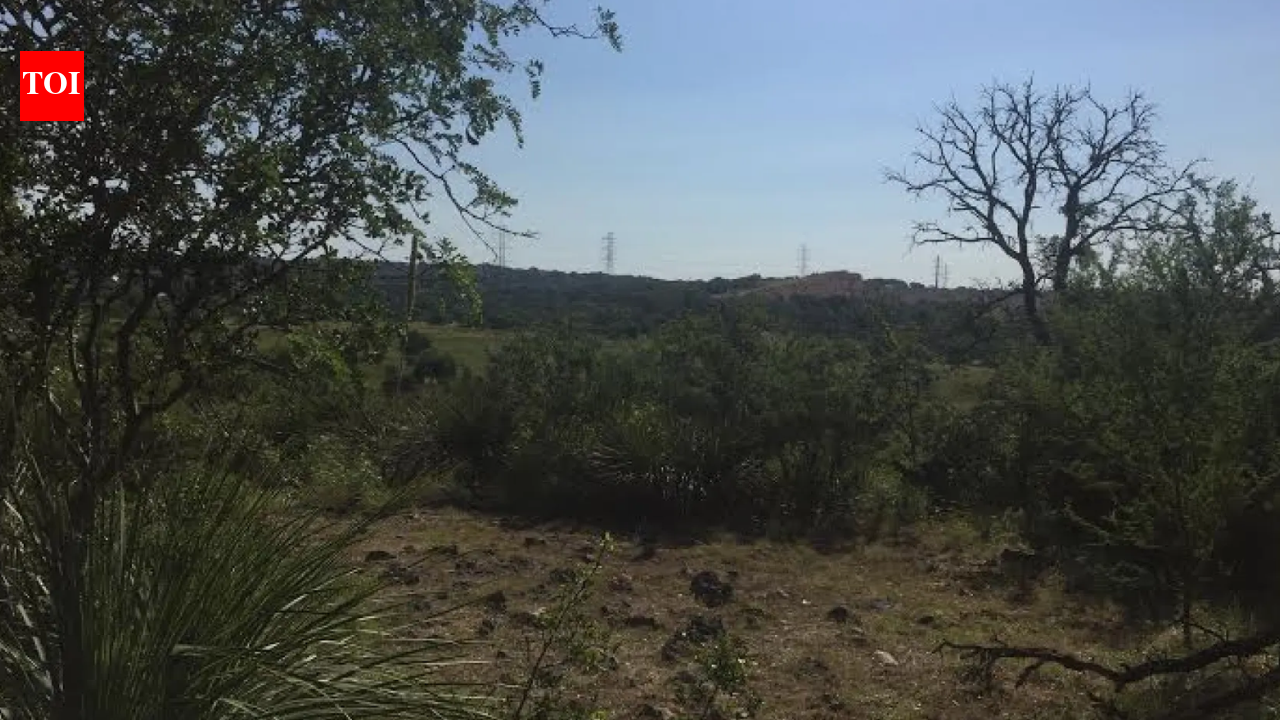
In June 2016, the city of San Antonio agreed to buy 204 acres of land from the Classen-Steubing family for approximately $10 million, preventing up to 3,500 homes and apartments from being developed. This acquisition aims to preserve open space in the Stone Oak area while protecting the Edwards Aquifer recharge zone, which supplies drinking water to San Antonio and nearby communities. The deal includes purchasing about 165 acres primarily for conservation purposes and retaining natural ground cover as part of a larger strategy to manage urban growth.
Written locally by qwen2.5:14b on 2026-10-20, using this article's own text rather than the other coverage of the same event (that is the story summary below).

AI analysis runs on qwen2.5:14b, locally

Story summary

In June 2016, the Classen-Steubing family agreed to sell 204 acres of undeveloped land in northern San Antonio to the city for conservation purposes. The deal aimed to create a future park and protect the Edwards Aquifer, a critical water source. This agreement was seen as an alternative to a proposed residential development that could have led to the construction of up to 3,500 homes and apartments. The land, part of the historic Classen-Steubing Ranch in the Stone Oak area, is one of the last large undeveloped tracts on San Antonio’s North Side. City officials viewed this acquisition as a way to preserve open space while safeguarding drinking water resources.

Written for “San Antonio Park Deal Saves Homes” on 2026-10-20, grounded in this article and the 0 other(s) covering the same event.
Why this leaning score
This article does not take a side on a contested political question, so it has no leaning score. That is an answer rather than a gap: a match report or a rescue can be warmly or critically written without being left or right, and scoring it anyway is how approval of a subject gets recorded as a political position.
No political leaning scored for article 94705 · logged 2026-10-20

Story

📰 San Antonio Park Deal Saves Homes
Environment · 1 article(s) covering the same event.

Compared with similar articles

Nothing to compare against. No article is close enough to this one for the pipeline to have linked or judged the pair.
How this article was measured signals, leaning charts, publisher record, byline, topics and claims

Signals How these are calculated →

Claims extracted
27
sentences that state something as happening or true
Uncertain
7%
2 of 27 hedged ("reportedly", "may", "according to")
Leaning
not political
takes no side on a contested political question
Publisher signals
59/100
Times of India's corrections and hedging, across everything collected from it. Not a measure of accuracy.
Outlets on this story
1
Environment
Same framing elsewhere
1
articles that frame the event the way this one does
Analyzed 2026-10-20 · how these are computed

How this is being covered How these are calculated →

Article leaning vs. publisher reliability
Source leaning vs. consistency

Publisher

Times of India · 2975 article(s) · 2 correction(s) detected
Running correction rate · 2 correction(s)

Who wrote this

TOI World Desk
1074 article(s) here · 1 carrying a prediction
🔮 The proposal, reported by Texas Public Radio and the San Antonio Express-News, offered an alternative to a residential development that could have brought as many as 3,500 homes and apartments to the site.
🔮 However, investigators could not determine whether river currents had carried the money to Tena Bar or whether Cooper had buried it there himself.
🔮 According to Christie's description of the auction lot, the combination of six peaches and five red bats suggests that the bowl may have been made for Emperor Yongzheng's birthday.
🔮 The appeals could continue, but the bank could not sell the property until both had been finally decided in its favour.
🔮 The family could not afford lawyers, so, while still at school, he taught himself planning law between bouts of exam revision.
🔮 From there, its provenance may have gradually disappeared as it moved through private collections and dealers, states the report.
🔮 When he read in August 2026 that Armstrong's childhood home had gone on the market, he became concerned about what might happen to the property.
🔮 Yellowstone National Park, the world’s first national park, is set to receive a $105 million private gift from energy infrastructure company Tallgrass, marking the largest single private contribution in the history of the US National Park Service.
🔮 Melani Heldt, 34, and her husband Adam paid $4,995 for an antique icebox manufactured in 1910, only to discover that getting the 1,000-pound appliance into their farmhouse would take seven weeks.
🔮 Aaron Spivak and Lior Ohayon founded Hush after exploring how weighted blankets could help people sleep better.
Wire or desk byline, not an individual reporter.
Also by TOI World Desk
Nothing else under this byline is closely related to this article, so these are simply their most recent.
All 1074 articles by TOI World Desk →

Topics

Classen-Steubing San Antonio San Antonio’s Texas Public Radio the San Antonio Express-News

Subjects

San Antonio GPE · 5× City Council ORG · 2× San Antonio’s GPE · 2× Classen-Steubing ORG · 1× Texas Public Radio ORG · 1× the City Council ORG · 1× the San Antonio Express-News ORG · 1×

Narrative

A century-and-a-half-old family ranch in northern San Antonio became the focus of a major conservation effort in June 2016, when the Classen-Steubing family agreed to sell 204 acres of largely undeveloped land to the city for a future park and protection of the Edwards Aquifer.
framing: assertive · carried by 1 article(s) · first seen 2026-10-20
🔮 The proposal, reported by Texas Public Radio and the San Antonio Express-News, offered an alternative to a residential development that could have brought as many as 3,500 homes and apartments to the site.

Claims (27 extracted, 2 hedged)

A century-and-a-half-old family ranch in northern San Antonio became the focus of a major conservation effort in June 2016, when the Classen-Steubing family agreed to sell 204 acres of largely undeveloped land to the city for a future park and protection of the Edwards Aquifer. asserted
family → become → Aquifer
The proposal, reported by Texas Public Radio and the San Antonio Express-News, offered an alternative to a residential development that could have brought as many as 3,500 homes and apartments to the site. uncertain
that → report → site
The planned acquisition covered part of the historic Classen-Steubing Ranch in the Stone Oak area, one of the remaining large undeveloped tracts on San Antonio’s North Side. asserted
acquisition → plan → Side
City officials viewed the deal as an opportunity to preserve open space while safeguarding an important source of drinking water. asserted
officials → view → water
A family decision shaped by conservation The ranch had been in the Classen-Steubing family since 1858. asserted
ranch → shape → 1858
As development expanded across northern San Antonio, the future of the property became a question of whether to retain its natural character or allow housing to transform the landscape. asserted
housing → expand → landscape
The family ultimately supported a plan that balanced preservation with limited recreational development. asserted
that → support → development
Rather than permitting the entire tract to be built over, the agreement would place most of the land under public ownership and protect it from conventional residential construction. asserted
agreement → permit → construction
San Antonio officials said the proposed purchase would prevent thousands of potential housing units from being built on the property. asserted
purchase → say → property
The decision also offered a way to preserve the landscape for future generations as residential growth put increasing pressure on open land in the region. asserted
growth → offer → region
Protecting the Edwards Aquifer A central reason for the acquisition was the property’s location over the Edwards Aquifer recharge zone. asserted
reason → protect → zone
Rainwater entering this area can replenish the underground water system, which supplies drinking water to San Antonio and surrounding communities. asserted
which → enter → Antonio
Conserving land above the recharge zone helps limit the effects of development, including the construction of roads, roofs and other surfaces that can reduce the amount of rainfall entering the ground. asserted
that → conserve → ground
The city’s conservation strategy therefore extended beyond creating a public park. asserted
strategy → extend → park
Officials considered the purchase an investment in water protection, with the undeveloped portion of the ranch offering an opportunity to retain natural ground cover in a rapidly urbanising area. asserted
portion → consider → area
The proposal also received support from local conservation advocates, who viewed the property as particularly valuable because of its recharge potential. asserted
who → receive → potential
A two-stage plan for a 204-acre park The city structured the proposed acquisition in two parts, separating the land intended primarily for conservation from the portion planned for active recreation. asserted
city → structure → recreation
Under the arrangement presented to the City Council, San Antonio would purchase approximately 165 acres for about $6.35 million, plus closing costs. asserted
Antonio → present → million
Funding would largely come from a voter-approved Edwards Aquifer protection programme, alongside redirected municipal funds. asserted
Funding → come → funds
The remaining 39 acres would be covered by an option to purchase for approximately $3.79 million, with the possibility of using funding from the city’s 2017 bond programme. asserted
acres → remain → programme
The overall acquisition was expected to cost close to $10 million. asserted
acquisition → expect → million
While the larger section would remain predominantly natural open space, the smaller recreational area could accommodate sports fields, walking and cycling trails, and other park facilities. uncertain
area → remain → fields
City Council approves the initial purchase asserted
Council → approve → purchase
On June 16, 2016, San Antonio’s City Council approved the initial 165-acre acquisition and the option covering the additional 39 acres. asserted
Council → approve → acres
The arrangement also included provisions for a conservation easement and related infrastructure improvements. asserted
arrangement → include → easement
The phased approach allowed the city to begin protecting the most environmentally sensitive land while leaving the remaining purchase subject to a separate funding decision. asserted
city → phase → decision
The deal illustrated how local governments can use land acquisition to address several pressures at once: preserving a historic landscape, expanding public recreational space and protecting a vital water source as cities grow. asserted
cities → illustrate → source

💬Give feedback
🕘History 🎫Support