In short:
A study funded by the Queensland government found there are close to one million privately owned devices across the state, including 587,000 e-bikes.
asserted
study → fund → bikes
The research, funded by Transport and Main Roads, is based on 3,464 responses collected from March to May via online platforms and a postcard sent to households.
uncertain
research → fund → households
A researcher who not involved in the study said the finding that almost half of e-mobility devices were not compliant was "scary".
asserted
half → involve → devices
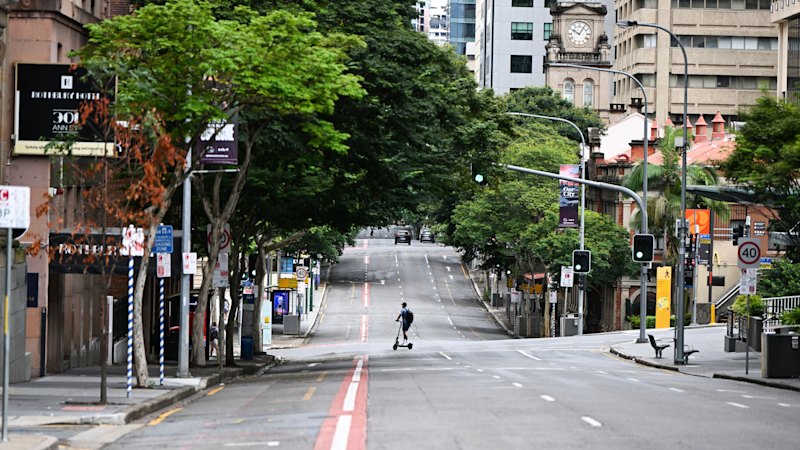
About half of privately owned e-mobility devices in Queensland are non-compliant, according to a government-funded survey that shows it is now a "mainstream" transport option.
uncertain
it → own → survey
The study also found there are close to one million privately owned devices across the state, including 587,000 e-bikes, with a third of e-bike riders aged over 60.
asserted
third → find → 60
The research, funded by Transport and Main Roads, is based on 3,464 responses collected from March to May via online platforms and a postcard sent to households.
uncertain
research → fund → households
University of Queensland's Dr Richard Buning said devices were classified as non-compliant based on participants' self-reported speed, power and throttle characteristics.
asserted
devices → say → characteristics
The most common issue reported by owners was having a maximum speed exceeding 25km/h, followed by e-bikes exceeding 250W.
Queensland University of Technology researcher Narelle Haworth, who was not involved in the study, said the number of devices reported as being non-compliant was "scary".
Non-compliance a 'big problem'
asserted
compliance → report → devices
Professor Howarth said she did not expect the number to be so high and it suggested there was a "big problem" with compliance and work for the government to do.
uncertain
government → say → compliance
"That may not necessarily mean that devices are being used in a non-compliant way," she said.
uncertain
she → mean → way
In Queensland, e-mobility devices that do not meet the standards can be sold for use on private property, and retailers must not mislead customers about where they can be used.
asserted
they → meet → customers
Under the new laws, from March next year all e-bikes must meet the European Standard EN 15194, or be verified through the government’s assurance scheme, and display a sticker indicating their compliance.
asserted
bikes → meet → compliance
Professor Howarth said further research was needed to understand whether those who had a non-compliant device knew when they bought it to inform the best response.
asserted
they → say → response
Since new laws came into effect in July, Queensland police have seized 600 e-bikes that do not meet the European Standard EN1519, with Police Minister Dan Purdie saying the "majority" had been destroyed.
asserted
majority → come → EN1519
The rate of compliance differed between devices, Dr Buning said, with 65 per cent of e-bikes found to be compliant compared to 45 per cent of other e-devices, including e-skateboards and e-unicycles.
asserted
cent → differ → skateboards
"If you look at it altogether, it seems bad, but you look at the actual specific types of devices, and who is using them, the picture changes a little bit," he said.
asserted
he → look → them
"It is hard to know how many people bought an unsafe, uncompliant device and knew that it was."
asserted
it → know → device
He said it was difficult to determine compliance for e-scooters due to an absence of strict specifications.
asserted
it → say → specifications
Dr Buning said it was important to educate riders when they buy the device on where and how it can be ridden legally.
"I'm sure there are a lot of upset folks out there and parents that have purchased these devices, these unsafe illegal ones, and they can't ride them or worry about riding them," he said.
asserted
he → say → them
The survey found a third of e-bike users are over 60 years old and the average age of an e-scooter owner is 37, which Dr Buning said countered the perception of the typical user.
asserted
Buning → find → user
More than 98 per cent of owners also reported wearing a helmet while riding.
asserted
cent → report → helmet
"The majority isn't young people using them doing bad things, the majority is actually older people wanting to stay active and stay part of their community," he said.
asserted
he → use → community
"Highly visible unsafe behaviour from people doing the wrong thing is certainly obscuring public opinion on the devices overall."
asserted
behaviour → do → devices
Dr Buning said it is the first study to estimate the number of privately owned e-mobility devices, with figures previously drawn from data on crashes, fines and injuries.
asserted
figures → say → crashes
He said it showed e-mobility had grown to become a reliable form of public transport that "is not going anywhere" and needed the focus and infrastructure to match.
asserted
that → say → focus
RACQ’s executive manager of public policy Michael Kane welcomed the first-of-its-kind study.
asserted
manager → welcome → study
“This is a part of our future and the more we understand and the more we can make improvements to the ecosystem,” he said.
asserted
he → understand → ecosystem
“The reality is any new transport technology has positives and minuses, and you really need to encourage the positive in the good outcome, and then you do need to regulate and address the negatives.”
asserted
you → have → negatives
In response to questions about the report's findings, a Transport and Main Roads spokesperson said since the research was undertaken the state government had introduced "stronger laws and enforcement to improve e-mobility safety and compliance".
asserted
government → say → safety
The spokesperson said the changes aimed to make Queensland safer, alongside extensive education for riders, parents, schools and retailers.
asserted
Queensland → say → riders
 The Aporia