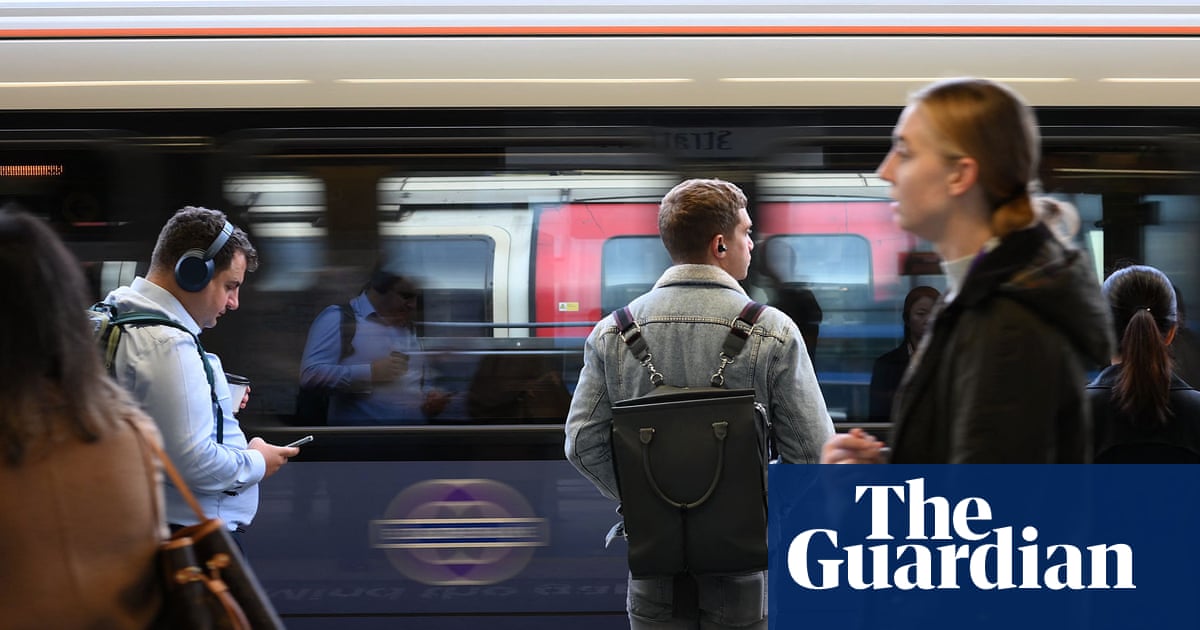
Kemi Badenoch today revealed she has personally intervened to stop people playing loud music on public transport.
asserted
people → reveal → transport
The Tory leader insisted that young people respected being rebuked by a 'firm adult' - despite No10 suggesting the public should not take matters into their own hands.
asserted
public → insist → hands
Mrs Badenoch also argued that standing up for British culture was important, disclosing that her own 10-year-old son wants to join the army.
asserted
son → argue → army
The comments, in an interview with GB News, came after Andy Burnham announced a campaign yesterday to tackle anti-social behaviour.
asserted
Burnham → come → behaviour
Those disturbing others by not using headphones face £100 fines as part of the measures, which also seek to combat littering, vaping and threatening behaviour.
However, there were questions over how the proposed crackdown will be enforced, with a Government minister admitting there would be no 'special bus police' to tackle louts.
asserted
minister → disturb → louts
Kemi Badenoch today revealed she has personally intervened to stop people playing loud music on public transport
asserted
people → reveal → transport
The Department for Transport also stressed that bus drivers will not be responsible for enforcement, while Downing Street said other passengers shouldn't intervene.
asserted
passengers → stress → enforcement
Asked if she would object to someone playing music out loud on the bus, Mrs Badenoch said: 'I have.
asserted
I → ask → bus
I've even done so in the past.
asserted
I → do → past
I think with young people in particular, when they see a firm adult, they actually do show respect.
asserted
they → think → respect
'What's happened now is that so many people are scared of intervening, and it's because they've seen things go wrong where someone intervenes and then they get into trouble.
asserted
they → happen → trouble
They get into trouble for it.
asserted
They → get → it
'Nobody likes to hear music being blasted loudly on trains, but I do worry that the Prime Minister is focusing on something that is already pretty much against the rules.
asserted
that → like → rules
What I worry about is enforcement.
asserted
worry → worry → What
'Why are people not enforcing that?
asserted
people → enforce → that
The train drivers don't want to get involved...
'Turn it down.
asserted
drivers → want → it
People think that they can get away with it.
asserted
they → think → it
We need to bring back consequences for bad behaviour.'
asserted
We → need → behaviour
Mrs Badenoch warned that negativity towards British culture could push the country towards French-style civil unrest.
uncertain
negativity → warn → unrest
'If you tell young people that their country is terrible, that it's okay to hate their country, that Britain is a racist place, and end up going on about imperialism and all sorts of – white privilege and all of that rubbish, then you see them burning down churches and the things that, spraying graffiti on war memorials, and that's why I always intervene
asserted
I → tell → memorials
,' she said.
asserted
she → say → ?
'Some people will say that, 'Oh, why are you getting involved in culture wars?'
asserted
you → say → wars
I will fight for British culture.
asserted
I → fight → culture
Giving an insight into her own family life, Mrs Badenoch said: 'My son has already said that he wants to join the army.
'
asserted
he → give → army
He's only 10 years old, so I don't think that he actually knows what it means, and he probably wouldn't be signing up soon.
asserted
he → think → what
'Maybe I should get him into cadets or something, or something like that.'
asserted
I → get → that
Mr Burnham's initiative on anti-social music was part of his drive to fix 'some of the everyday issues that make life a little more difficult' ahead of next week's Budget.
asserted
life → fix → Budget
Local authorities gained the power to set and enforce their own rules on their bus networks this year.
asserted
authorities → gain → networks
And guidance published yesterday by the Department for Transport set out how the new legislation can be used.
asserted
legislation → publish → Transport
The Government's 'share the journey, not the noise' campaign also includes reminders of the rules already in place on the rail network.
asserted
campaign → share → network
Train passengers playing music out loud can be fined up to £1,000 - or removed from the carriage at the next station - if they refuse to stop when asked by rail staff.
asserted
they → play → staff
Ministers said authorised officers, including transport safety officials and the police, would deal with incidents on buses as part of the crackdown.
asserted
officers → say → crackdown
But, asked what should happen if no authorised officers were present on a bus service, Downing Street said it would not be up to fellow passengers to combat anti-social behaviour.
asserted
it → ask → behaviour
The comments, in an interview with GB News, came after Andy Burnham announced a campaign yesterday to tackle anti-social behaviour
The PM's official spokesman told reporters: 'It is for transport safety officers, the police and other authorised officers to have the powers to act.
'
asserted
officers → come → powers
The point of these changes is to give them a quicker and more effective way of dealing with persistent anti-social behaviour.
asserted
point → give → behaviour
'Clearly, we're not asking the public to compromise their own positions.
asserted
we → ask → positions
'
The spokesman added: 'This isn't about putting an officer on every bus and the problem isn't the same everywhere.
'What we're doing is giving local authorities the powers they need so that where anti-social behaviour is a problem, they can target their resources effectively and take action.
asserted
they → add → action
'There are already areas, including Greater Manchester, Leeds and the West Midlands, with officers working across their transport networks to reassure passengers and tackle nuisance behaviour.'
asserted
officers → be → behaviour
 The Aporia