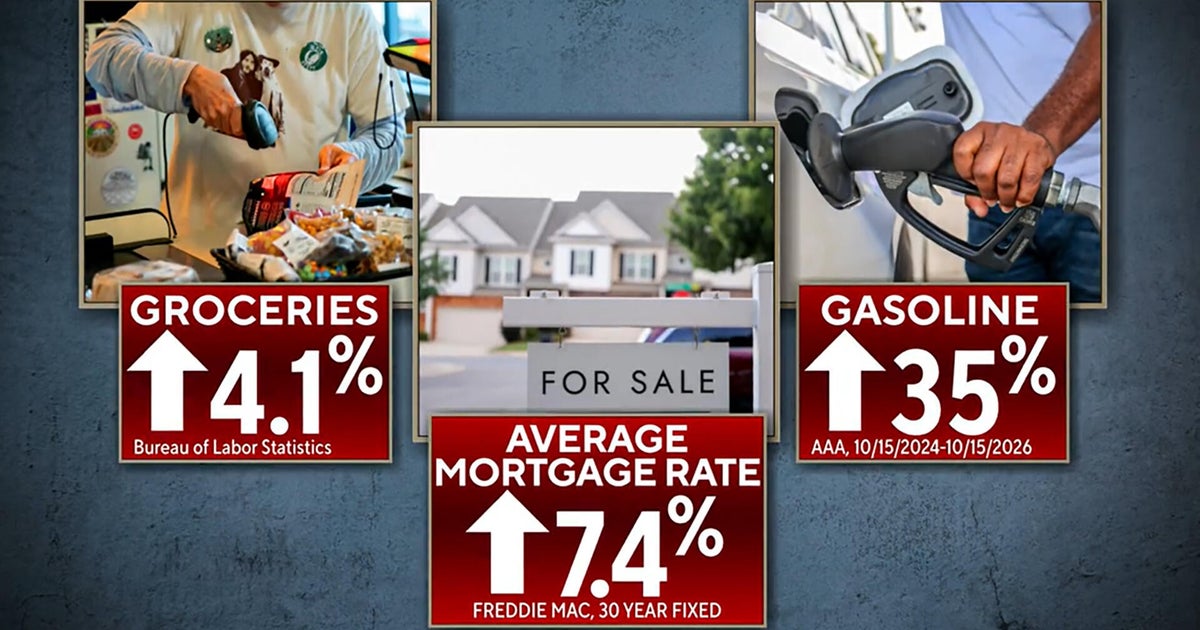
As the November midterm elections approach, many people in the US are feeling rather pessimistic about their futures.
asserted
people → approach → futures
An Economist/YouGov survey in the US completed on October 12 asked how respondents felt about about their futures compared with ten years ago.
asserted
respondents → complete → futures
Altogether, 23% said they were more optimistic, with 48% saying they were more pessimistic.
Another question in the survey, conducted from October 10-12, just over three weeks out from the November 3 election, asked: “Do you feel that things in this country these days are under control or out of control?”
asserted
things → say → control
Only 19% thought they were under control, while 70% thought the opposite.
asserted
% → think → opposite
A third asked about the direction the country is taking.
asserted
country → ask → direction
Altogether 27% thought that it is “generally heading in the right direction” while 66% thought it is “off on the wrong track”.
asserted
it → think → track
There are numerous factors which can explain the pessimism but two stand out: attitudes to the US president, Donald Trump, and the state of the economy under his administration.
asserted
two → be → administration
Respondents were asked if they agreed or disagreed with various of descriptors of the president.
asserted
they → ask → president
The chart below shows the percentages who agreed with each of them.
asserted
who → show → them
It is readily apparent that large numbers of Americans really dislike the president – corruption being the most prominent descriptor followed by perceptions that he is dangerous.
asserted
he → dislike → perceptions
Only 28% thought he is effective and 23% that he is honest.
asserted
he → think → ?
Altogether 34% of respondents thought that the economy and inflation were the most important issues facing the country.
asserted
economy → think → country
When asked about the president’s handling of inflation, 28% of respondents approved while 67% disapproved.
asserted
% → ask → respondents
It is important to note that Americans were very much focused on domestic issues when responding to questions about the most important issues facing the country.
asserted
Americans → note → country
Only 6% of them thought that foreign policy was the most important issue.
asserted
policy → think → them
Voting intentions for the midterms
Typically, the incumbent president’s party loses seats in Congress in the midterm elections.
asserted
party → lose → elections
In the 2018 midterm elections in Trump’s first term, the Republicans had a net loss of 39 seats in the House of Representatives – but they actually gained two seats in the Senate.
asserted
they → have → Senate
So, on the face of things, we would expect the Democrats to gain in the House given Trump’s current unpopularity, while the Senate race remains uncertain.
asserted
race → expect → unpopularity
But the federal structure of American politics means that while presidential popularity influences the way people vote in Congressional elections, it is not the only thing that matters.
asserted
that → mean → elections
Tip O’Neal, the Democrat speaker of the House of Representatives from 1977 to 1987 used to say: “All politics is local.”
asserted
politics → use → 1987
State politics and issues are important in these elections, allowing members of Congress to distance themselves from the president and focus on local issues.
asserted
members → allow → issues
That said, there is evidence that national political issues are growing in importance in Congressional elections over time.
asserted
issues → say → time
The second chart shows voting intentions of respondents in the House of Representative elections classified by sex, ethnicity, age and education.
asserted
chart → show → sex
The Democrats were ahead by seven percentage points overall, registering 46% in voting intentions compared with 39% for the Republicans.
asserted
Democrats → register → Republicans
Looking at different demographic groups, the Democrats were ahead or level with the Republicans in all groups except white voters.
asserted
Democrats → look → voters
Women, black and Latino voters, the young and voters with college degrees all strongly support the Democrats.
asserted
Women → support → Democrats
In general, this means that the likelihood of the Democrats winning control of the House is very high in these elections.
asserted
Democrats → mean → elections
The third chart shows voting intentions in the Senate elections.
asserted
chart → show → elections
Some 45% of respondents intend to vote Democrat, with 40% supporting the Republicans.
asserted
% → intend → Republicans
Democrat Senators and their independent allies Bernie Sanders from Vermont and Angus King from Maine, currently have 47 seats in the Senate.
asserted
Senators → have → Senate
Therefore, the party needs to win in at least four states to take control of the chamber.
asserted
party → need → chamber
If, for example, they won three seats this would give them 50% but their votes could be overridden by the vice-president, J.D. Vance.
uncertain
votes → win → vice
He is the speaker of the Senate and has a casting vote in the event of a tie.
asserted
He → have → tie
Key senate contests
NBC news has suggested likely Democrat wins in North Carolina and in Maine, both of which are currently held by the Republicans.
uncertain
both → suggest → Republicans
In addition, it classifies Alaska, Iowa, Ohio and Texas, all currently held by Republicans, as “toss-ups” as far as Democrat wins are concerned.
asserted
wins → classify → ups
We can look at the winning margins in the previous Senate elections in these states to provide a rough guide to how easy it will be for the Democrats to take them.
asserted
Democrats → look → them
In the 2020 Senate elections, when Joe Biden beat Donald Trump for the presidency, the Republicans took Iowa with a margin of 6.5 percentage points over the Democrats.
asserted
Republicans → beat → Democrats
In the 2022 midterm elections the Republicans beat the Democrats by 6 points in Ohio.
asserted
Republicans → beat → Ohio
Clearly if the Democrats win North Carolina, Maine, Iowa and Ohio they would take control of the Senate.
asserted
they → win → Senate
In addition, according to the Forbes newsletter, recent polling shows the Democrats lead by 50% to 43% in Alaska and 51% to 49% in Texas.
uncertain
Democrats → accord → Texas
…and 2 more, not listed.
 The Aporia