In 2008, Boccieri left his seat in the Ohio state Senate to flip a Republican-held House seat.
asserted
Boccieri → leave → seat
He lost it in the 2010 GOP wave, which gave the party control over redistricting and put his old district out of reach.
asserted
which → lose → reach
Democrats appointed him to a safe state House seat in 2015, though he left it to run for state Senate in 2018.
asserted
he → appoint → 2018
But he lost that race, and went back to work as a pilot.
asserted
he → lose → pilot
This year, Boccieri decided to try again for a seat in the state house.
asserted
Boccieri → decide → house
He bet that Republicans’ winning streak couldn’t survive a second Trump midterm, with Vivek Ramaswamy leading their Ohio ticket.
asserted
Ramaswamy → bet → ticket
“The seat that I’m running in is still gerrymandered,” he told Semafor last week.
asserted
he → run → Semafor
“But we need someone who’s going to help Amy Acton, when she’s the governor, to push back on unregulated, unchecked data centers, and make sure that the state house corruption ends.”
asserted
corruption → need → centers
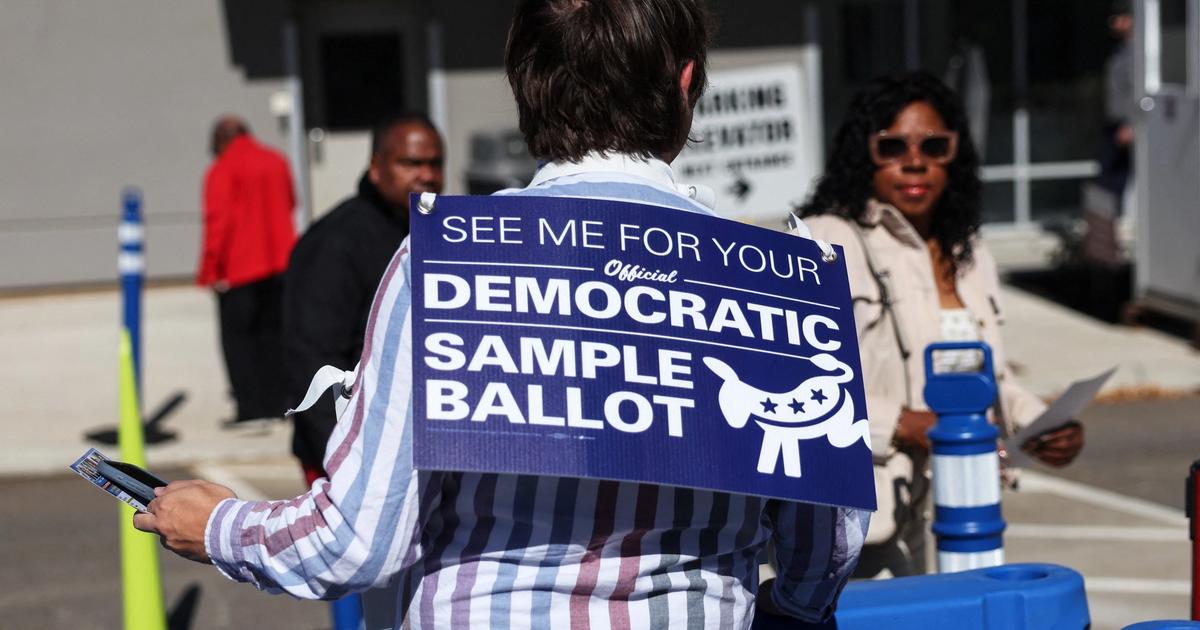
Boccieri now exemplifies a new trend in Democratic politics: In the final weeks before the midterms, the party is trying to convince its donors that a “blue wave” could spread even farther — if their money isn’t all spent on a handful of House and Senate races.
uncertain
money → exemplify → races
“Democrats are always in this spot of this ‘coulda, woulda, shoulda’ with state legislatures,” said Leslie Martes, the CEO of Forward Majority, a nonprofit that spends on Democratic state legislative campaigns.
asserted
that → say → campaigns
The group has warned donors that Republicans are still ahead in both parties’ top target races at the state level.
asserted
Republicans → warn → level
“There’s this idea that these top-of-the-ticket candidates are going to lift the whole ticket, but that’s not the case,” Martes explained.
asserted
Martes → ’ → ticket
“I worked in North Carolina in 2008, when Barack Obama was winning the state, and we didn’t pick up a single seat in Raleigh.
asserted
we → work → Raleigh
The fight to control state legislatures intensified last year, after President Donald Trump urged Republicans to draw new congressional maps in the states they control that eliminate as many Democratic House seats as possible.
asserted
that → control → seats
Strategists in both parties said that this redistricting scramble has changed how donors are being approached for state legislative races — rarely the first places where the largest political funders send their cash.
asserted
funders → say → cash
Mason Di Palma, a spokesman for the Republican State Leadership Committee, said that his group began warning donors that Democrats could force their own gerrymanders if they swept state-level races in 2026.
uncertain
they → say → 2026
In practice, that meant that if Democrats could expand their control in Minnesota, capture Wisconsin’s Assembly, and flip Pennsylvania’s state Senate, they would gain the power to delete GOP districts in each state.
uncertain
they → mean → state
“If Dems get trifectas, what will stop them from redrawing maps?” said Di Palma.
asserted
Palma → get → maps
“Your dollar goes further in state legislative races.”
asserted
dollar → go → races
Both parties have stepped up their recruiting for downballot races, with Democrats benefiting from an overall confidence that they’d make gains in the midterms.
asserted
they → step → midterms
In Wisconsin they spotted a chance for their first trifecta since 2010 thanks to new maps; in Pennsylvania, the popularity of Democratic Gov. Josh Shapiro was already helping them inch toward Senate control.
asserted
them → spot → control
Know More
Redistricting is reshaping the political outlook in many states, with the possibilities for partisan control divided into three categories.
asserted
possibilities → know → categories
First, there are states where neither party thinks that they can break the governing trifecta: Republicans are at no risk in Arkansas, Tennessee, or Indiana; Democrats are not worried about losing either the governor’s office or the state legislature in New York, Illinois, and California.
asserted
Democrats → be → York
The dead zone includes places where state legislative elections are held in off-years: Louisiana, Mississippi, New Jersey, and Virginia.
asserted
elections → include → years
The next crop of states with marquee legislative fights this cycle feature one party that’s trying to break a governing trifecta, or at least end a supermajority that makes it easier for the party in power to force new maps through.
asserted
party → feature → maps
This group includes Nebraska, where Republicans in the “unicam” have been a vote away from eliminating the presidential electoral vote for Omaha’s 2nd Congressional District.
asserted
Republicans → include → District
Ohio, where Democrats don’t think they can flip the state legislature, is also in this batch — it could still make Acton governor and elect enough legislators to sustain her vetoes.
“I’m very excited that we may break the supermajority in this election,” Acton told Semafor last week.
uncertain
Acton → think → Semafor
Finally, there are states where one party could win a trifecta, sometimes in places where they’d have the ability to draw new maps in 2027.
uncertain
they → be → 2027
Wisconsin and Pennsylvania top that list for Democrats.
asserted
Wisconsin → top → Democrats
It also includes Arizona, where the party is a few seats away from control — and where Republicans have said they’d use a trifecta of their own to revisit the state’s redistricting commission.
asserted
they → include → commission
The total money heading into state legislative campaigns pales in comparison to what Republicans have spent to hold Texas’ Senate seat.
asserted
Republicans → head → seat
But the States Project — which, like Forward Majority, was created to help Democrats win more legislatures — announced a $100 million haul last month; the RSLC is looking at spending “north of $52 million” on its targets.
asserted
RSLC → create → targets
In key states, Democrats say that they remain outgunned; in Wisconsin, local GOP donors have helped swing-seat Republicans in the Assembly spend $11.3 million, compared with $7.6 million for Democrats.
asserted
Republicans → say → Democrats
“The right wing has been at this for more than 50 years,” said Mandara Meyers, the States Project’s executive director.
asserted
Meyers → say → years
“They have entrenched advantages and GOP megadonors are still pouring millions into individual races.”
asserted
megadonors → have → races
The story of modern state legislature battles is a Republican breakthrough in 2010, followed by 16 years of Democrats trying to claw back whatever they could.
uncertain
they → follow → years
They started with lawsuits and ballot measures; in Michigan, Virginia, and Colorado, they created less partisan redistricting processes that kept both states competitive, not slanted toward one party.
asserted
that → start → party
Trump’s national redistricting push quickly changed their strategy, and the threat of new maps every two years helped both parties raise more money for 2026.
asserted
parties → change → 2026
Forward Majority’s ask for a final $2-5 million to avoid being outspent came after Republican donors to the party’s other PACs funded the key GOP state legislative campaigns.
asserted
donors → avoid → campaigns
There’s table talk about whether Trump’s low approval ratings can hurt his party as much as Obama hurt his party’s in 2010.
asserted
Obama → ’ → 2010
…and 2 more, not listed.
 The Aporia