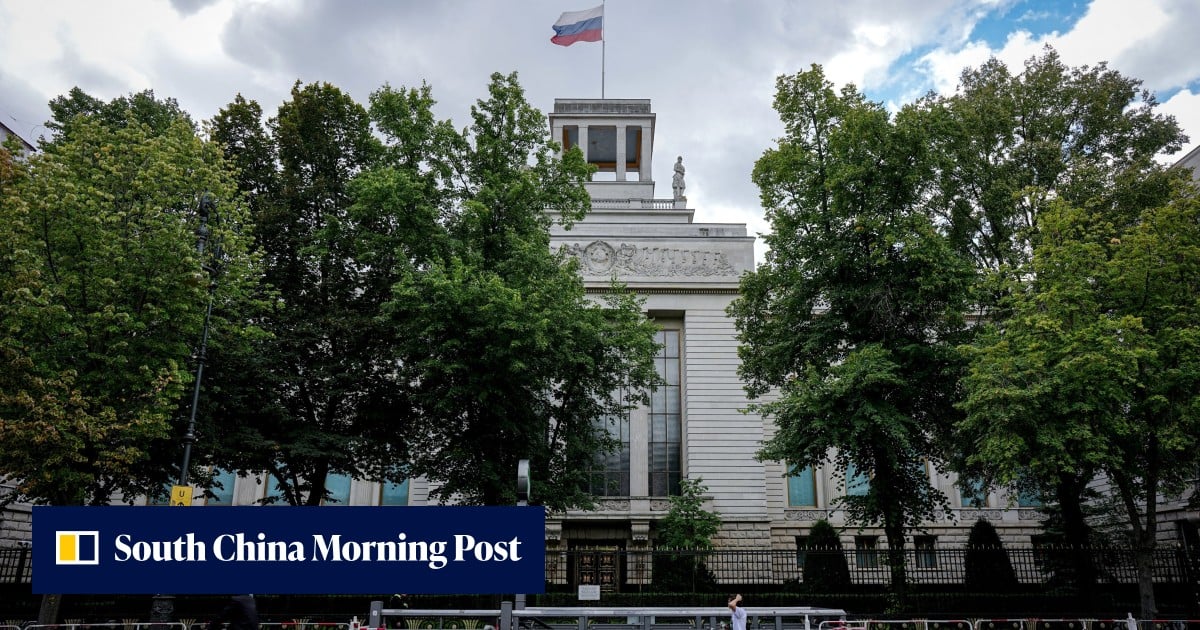
Germany’s counter-intelligence agency, MAD, released an annual report warning about a growing espionage threat from Russia and China. The report highlights that Germany is a key target for Russian spying due to its strategic position within NATO and recent military expansions. Besides traditional espionage methods, the report notes increased hybrid threats including cyberattacks, drone attacks, and efforts to influence politics and disrupt critical infrastructure.
Written by the local model on 2026-09-14,
using this article's own text rather than the other coverage of the
same event (that is the story summary below).
Story summary
Germany's counter-intelligence agency MAD released an annual report warning about a growing spy threat from China and Russia, citing Germany’s strategic importance in Europe and NATO as reasons for heightened targeting. The report highlights rising hybrid threats including cyberattacks, drone attacks, political influence attempts, and disruptive actions against transport, energy facilities, and telecommunications infrastructure. It also notes an increased risk of sabotage by low-level agents recruited or contracted to spy on German military infrastructure. However, the lack of comparative data in the report could lead adversaries to infer strategic insights about Germany's security vulnerabilities.
Written for “Spy Threat From China Russia” on 2026-09-14,
grounded in this article and the 0 other(s) covering the same event.
Why this leaning score
This article does not take a side on a contested political
question, so it has no leaning score. That is an
answer rather than a gap: a match report or a rescue can be warmly
or critically written without being left or right, and scoring it
anyway is how approval of a subject gets recorded as a political
position.
No political leaning scored for article 9268 · logged 2026-09-14
German intelligence report warns of rising Chinese, Russian spy threat
asserted
report → warn → threat
A report by Germany’s counter-intelligence agency said some surveillance activities targeting military infrastructure can be linked to China
Germany’s military counter-intelligence agency, known as MAD, has warned of a growing threat from hybrid attacks and the use of recruited contract agents, or low-level agents, saying Germany is a “prioritised target of Russian espionage activities”.
According to the agency’s annual report released on Monday, it cited Germany’s geostrategic position in Europe and Nato the expansion of the Bundeswehr and the introduction of new weapons systems as reasons for the heightened targeting.
uncertain
it → say → targeting
“The hybrid threat situation in Germany has continued to deteriorate,” MAD says.
asserted
MAD → continue → Germany
These include cyberattacks, drone attacks, attempts at political influence, and disruptive attacks targeting transport, energy facilities and telecommunications.
asserted
These → include → transport
MAD said the potential threat of sabotage by low-level agents has also increased significantly.
asserted
threat → say → agents
The report does not provide comparative figures, which could lead adversaries to draw conclusions from the data.
uncertain
which → provide → data