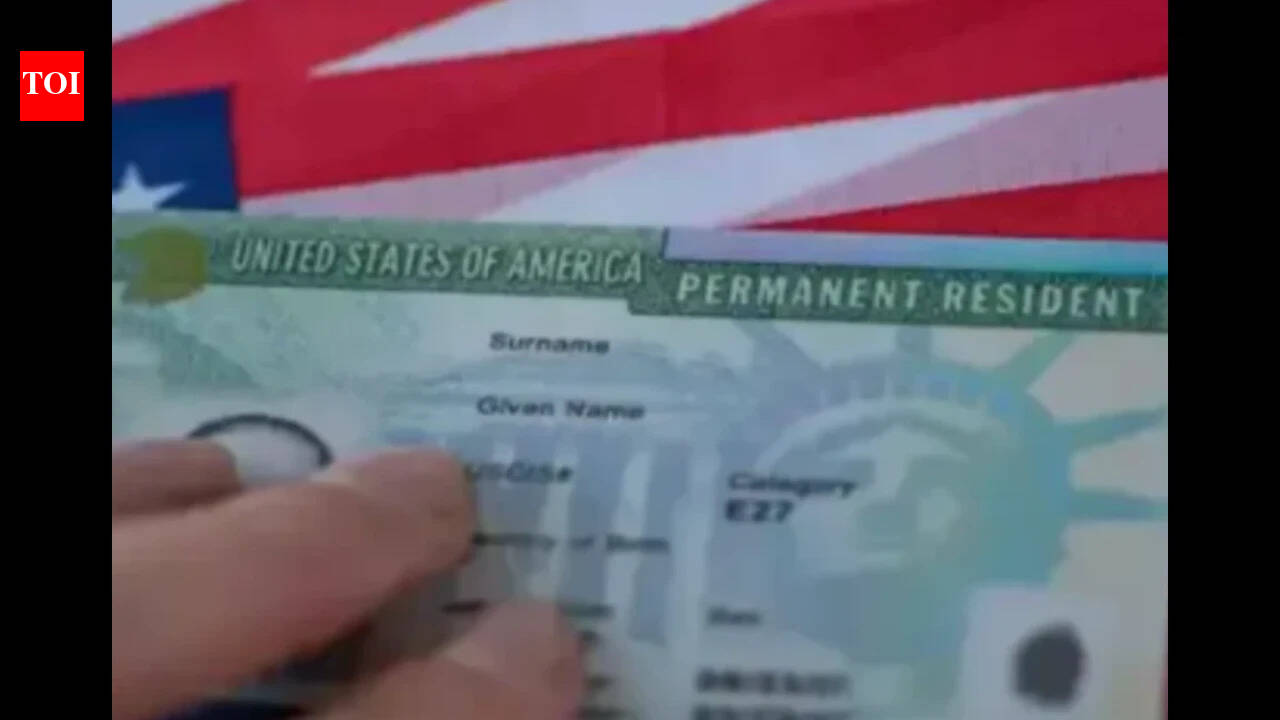
On Monday, a coalition of 22 states and the District of Columbia sued the Trump administration over its new policy that allows immigration officers to deny green cards based on recipients' use or application for public benefits. This change expands upon earlier attempts by the administration and shifts the longstanding "public charge" rule, which traditionally did not penalize applicants for using certain safety nets like Medicaid or food stamps. The lawsuit argues this alteration will reduce access to federal programs for non-green card holders and potentially cause significant financial losses for states due to decreased enrollment in programs like Medicaid and CHIP.
Written by the local model on 2026-09-14,
using this article's own text rather than the other coverage of the
same event (that is the story summary below).
A coalition of 22 states and the District of Columbia sued the Trump administration on Monday over a new policy that would allow individual immigration officers to deny green cards based on use of public benefits.
asserted
officers → sue → benefits
The new policy changes a long-established “public charge” rule, which dates back to the Immigration Act of 1882, established to ensure that newcomers to the country would be able to provide for themselves without relying on governmental benefits.
asserted
newcomers → change → benefits
During his first term, the Trump administration attempted to impose a similar policy that likewise widened the number of categories immigration officers could consider, including Medicaid, food stamps and housing vouchers.
uncertain
officers → attempt → Medicaid
That policy was also met with legal challenges and subsequently reversed by Joe Biden’s administration.
asserted
policy → meet → administration
“Hardworking families should not be forced to go without the support they need because they fear asking for assistance will get them deported,” said New York attorney general Letitia James in a statement.
asserted
James → force → statement
“This rule preys on that fear and counts on families forfeiting the food assistance, health care coverage, and other public benefits to which they are legally entitled.
asserted
they → prey → which
My office fought this exact policy once before and won, and we are leading the nation to ensure the Trump administration cannot inflict this harm on families again.”
asserted
administration → fight → families
This time, it does not specify which safety nets should be considered and allows immigration officers to consider government benefits that are applied for on behalf of family members, including children who are US citizens.
asserted
who → specify → children
Many immigrants without green cards are already ineligible for public benefits programs despite paying into them.
asserted
immigrants → pay → them
Historically, however, immigration officers did not include the use of benefits like the Supplemental Nutrition Assistance Program (Snap) or Medicaid in their assessment.
asserted
officers → include → assessment
The new policy would reverse that practice, decreasing the number of federal programs that are available to non-green card-holding immigrants.
asserted
that → reverse → immigrants
“Congress never intended for the public charge ground to be weaponized against immigrants and their family members who merely use supplemental or temporary amounts of public assistance to which they are lawfully entitled.
asserted
they → intend → which
Yet that is exactly what Defendants now seek to do through the final rule challenged here,” the coalition wrote in their filing.
asserted
coalition → seek → filing
The states’ filing argues that the impact of the policy change could be disastrous, noting that states would lose billions from the federal government because of the reduced use of Medicaid and the Children’s Health Insurance Program (Chip).
uncertain
states → argue → Medicaid
They also said citizens who live with noncitizens might avoid signing up for benefits, which would have both financial and health impacts.
uncertain
which → say → impacts
The states’ suit was brought by New York, California, Illinois, Colorado, Connecticut, Delaware, Hawaii, Maine, Maryland, Massachusetts, Michigan, Minnesota, New Jersey, New Mexico, Nevada, Oregon, Pennsylvania, Rhode Island, Vermont, Virginia, Washington, Wisconsin and the District of Columbia.
asserted
suit → bring → Columbia
New York City mayor Zohran Mamdani is leading a coalition of cities, including Chicago, Seattle, San Francisco, Santa Clara county in California and King county in Washington, filing a similar lawsuit.
asserted
Mamdani → lead → lawsuit
“The new public charge rule seeks to push immigrant families away from the programs that have kept people fed and healthy for decades,” Mamdani said in a statement.
asserted
Mamdani → seek → statement
“New Yorkers will be afraid to see a doctor or ask for help they are legally entitled to.
asserted
they → see → help
That fear will not stop at the families that the federal government is targeting.
asserted
government → stop → that
Families who remain fully eligible for benefits will feel a chilling effect, and all New Yorkers will pay for it.”
asserted
Yorkers → remain → it