Where do B.C.'s parties stand on the future of AI data centres?

Read the original at CBC News ↗
Cite

Where do B.C.'s parties stand on the future of AI data centres? (2026, October 19). CBC News. https://www.cbc.ca/news/canada/british-columbia/bc-election-ai-data-centres-9.7382445?cmp=rss

Dated from the outlet's own feed. Check the original for its byline.

CBC News · collected 2026-10-19 · by CBC

Quick Summary

British Columbia's political parties are debating the future of AI data centres ahead of the October 24 election. Data centre development has drawn support from industry and government but also protests over environmental impacts and concerns about big tech influence. The B.C. Conservative Party is cautious, noting water scarcity issues; the Green Party calls for a moratorium on new builds until stronger regulations are in place; the NDP highlights its Energy Statutes Amendment Act requiring data centres to meet certain environmental standards and pay higher electricity rates. OneBC remains neutral, stating that decisions will depend on community impact and local support.
Written locally by qwen2.5:14b on 2026-10-19, using this article's own text rather than the other coverage of the same event (that is the story summary below).

AI analysis runs on qwen2.5:14b, locally

Story summary

As British Columbia prepares for its October 24 election, AI data centre development has become a contentious issue among the provincial parties. Earlier this year, the federal government announced support for "sovereign AI data centre" clusters led by Telus in Vancouver and Kelowna, sparking both industry enthusiasm and environmental concerns. The B.C. Conservative leader, Lorne Doerkson, notes that while these centres are important, they pose significant water resource challenges. In contrast, the Green Party is advocating for a moratorium on new data centre construction until better regulations and policies can be established to address environmental impacts. This issue could influence which party forms the next government after the election.

Written for “Bc Party Stances On AI Data Centers” on 2026-10-19, grounded in this article and the 0 other(s) covering the same event.
Why this leaning score
The model judged this article politically coded and scored it +0.35, but 2 quote(s) could not be found in the article and the other 2 are attributed speech rather than the article's own narration, so the score is not published.
Written under an earlier scoring contract, which gave a paragraph rather than checkable quotes. Re-analysing this article replaces it.
Leaning score withheld for article 90984: no verified evidence · logged 2026-10-19

Story

📰 Bc Party Stances On AI Data Centers
Politics · 1 article(s) covering the same event.

Compared with similar articles

This article reads unscored and hedges 12% of its claims. Each row says how that neighbour differs.
Global News
⚖️ leaning not scored 🔴 14% hedged 1 of 7 📰 publisher trust 63
“Article A discusses a local debate in Regina City Council regarding Bell's AI Data Centre expansion, while Article B covers a broader political issue involving British Columbia's parties' stance on AI data centres.”
Global News
⚖️ leaning not scored 🔴 7% hedged 2 of 28 📰 publisher trust 63
“The articles discuss opposition to data center projects in different regions (Nova Scotia vs British Columbia) with distinct protests and stakeholders.”
Semafor
⚖️ leaning not scored 🔴 50% hedged 3 of 6 📰 publisher trust 60
“The articles discuss different aspects of AI data center policies in distinct regions (New York via national poll results vs British Columbia's political stance).”
Times of India
⚖️ Leans left 🔴 4% hedged 1 of 24 📰 publisher trust 59
“The articles discuss similar themes but focus on different regions and political contexts.”
How this article was measured signals, leaning charts, publisher record, byline, topics and claims

Signals How these are calculated →

Claims extracted
24
sentences that state something as happening or true
Uncertain
12%
3 of 24 hedged ("reportedly", "may", "according to")
Leaning
withheld
no quote in the article backed the model's score
Publisher signals
73/100
CBC News's corrections and hedging, across everything collected from it. Not a measure of accuracy.
Outlets on this story
1
Politics
Same framing elsewhere
1
articles that frame the event the way this one does
Analyzed 2026-10-19 · how these are computed

How this is being covered How these are calculated →

Article leaning vs. publisher reliability
Source leaning vs. consistency

Publisher

CBC News · 1360 article(s) · 5 correction(s) detected
Running correction rate · 5 correction(s)

Who wrote this

No reporter is named on this article, beyond the feed's “CBC”.

Topics

B.C. British Columbia Kelowna Telus Vancouver

Subjects

B.C. GPE · 3× Telus ORG · 3× British Columbia GPE · 2× Conservative NORP · 1× Emily Lowan PERSON · 1× Green NORP · 1× Kelowna GPE · 1× Lorne Doerkson PERSON · 1× The B.C. Green Party ORG · 1× Vancouver GPE · 1×

Narrative

Whoever forms government after the Oct. 24 election will have to tackle the emerging and divisive issue AI data centres have become a hot-button political issue the world over, and in British Columbia it's no different. Earlier this year, the federal government announced backing for "sovereign AI data centre" clusters led by Telus in Vancouver and Kelowna.
framing: assertive · carried by 1 article(s) · first seen 2026-10-19
🔮 Whoever forms government after the Oct. 24 election will have to tackle the emerging and divisive issue AI data centres have become a hot-button political issue the world over, and in British Columbia it's no different. Earlier this year, the federal government announced backing for "sovereign AI data centre" clusters led by Telus in Vancouver and Kelowna.
2026-10-19 · CBC News
Where do B.C.'s parties stand on the future of AI data centres? · assertive framing

Claims (24 extracted, 3 hedged)

Where do B.C.'s parties stand on the future of AI data centres? asserted
parties → stand → centres
Whoever forms government after the Oct. 24 election will have to tackle the emerging and divisive issue AI data centres have become a hot-button political issue the world over, and in British Columbia it's no different. Earlier this year, the federal government announced backing for "sovereign AI data centre" clusters led by Telus in Vancouver and Kelowna. asserted
government → form → Vancouver
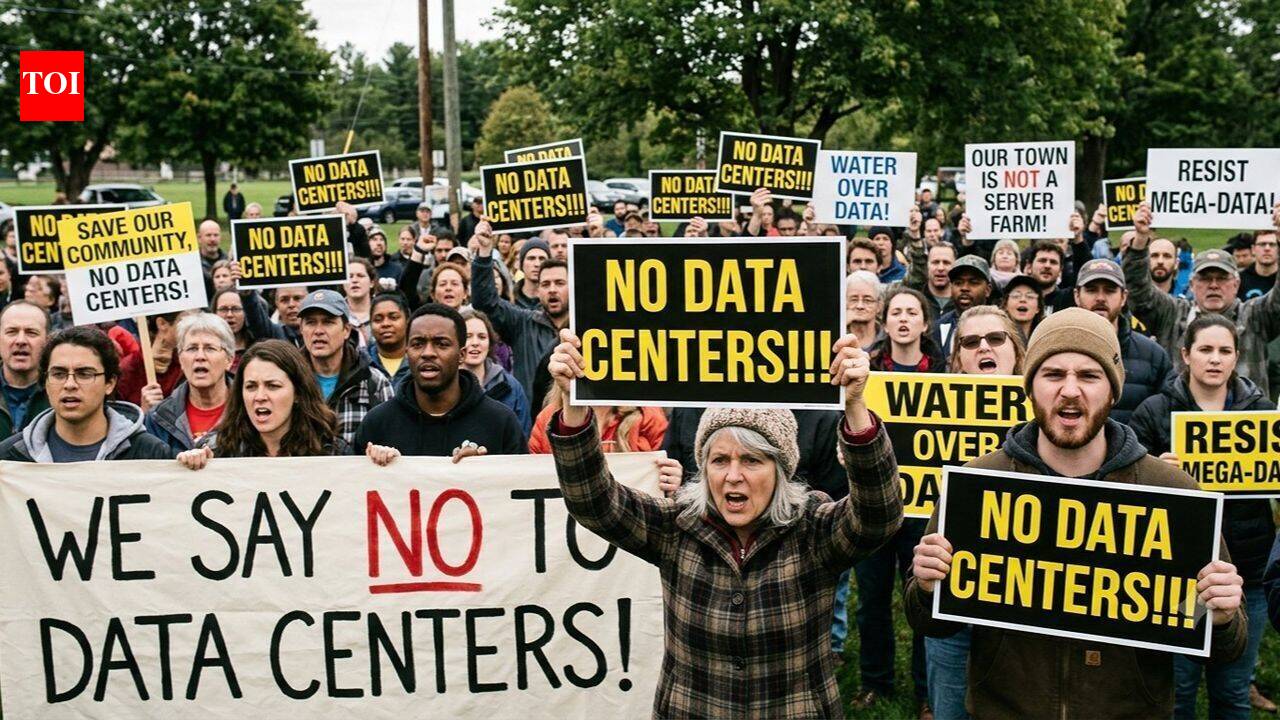
That announcement drew support from industry and provincial and municipal leaders, but sparked protests among groups citing concerns about big tech and environmental impacts. With B.C.'s election day less than a week away, how the province's political parties approach the issue could play a role in who forms the next government. uncertain
who → draw → government
B.C. Conservative Leader Lorne Doerkson says data centres are something to "contemplate" going forward. asserted
centres → say → ?
"Obviously the data centres are important, but we've got significant challenges with water in this province, you know, in places that you would never think," he said. asserted
he → get → that
The B.C. Green Party, meanwhile, is calling for a moratorium on the construction of new data centres until stronger regulation and environmental policies are in place. " asserted
regulation → call → place
We have allowed AI tech companies to charge forward and tell us what's going to be beneficial rather than independently evaluating the cost and benefit to this province," said Green Leader Emily Lowan. asserted
Lowan → allow → province
The B.C. NDP pointed to its Energy Statutes Amendment Act as an example of how it has approached the issue. asserted
it → point → issue
The policy requires data centre proponents to compete for a limited quantity of electricity, prioritizing those with environmental benefits and First Nations involvement. asserted
policy → require → benefits
"We as a government require them to meet certain hurdles," NDP Leader David Eby said. asserted
Eby → require → hurdles
"They're going to pay a higher electricity rate. asserted
They → go → rate
They're going to ensure that they're not wasting water, using water that is closed loop systems and that they're providing employment." asserted
they → go → employment
OneBC told CBC News it was not explicitly for or against data centres. asserted
it → tell → centres
"It will always depend on what the plan is, how it will effect the community and what will allow local residents to live their lives without undue disruption," spokesperson Wyatt Claypool said in a statement. asserted
Claypool → depend → statement
"Data centres are important for the development of our digital services but like with any project issues around time, place, and manner will always be considered." asserted
centres → consider → time
CentreBC did not respond to a request for comment. asserted
CentreBC → respond → comment
Public concerns about data centres have often focused on the facilities' potential for heavy water and power consumption, along with air and noise pollution when they use on-site generators. asserted
they → focus → generators
And while British Columbia has dozens of hydroelectric dams, persistent drought in the province has left the province reliant on power imports from the United States in recent years. asserted
drought → have → years
"We're simply getting to the point where there may not be enough electricity to go around in the next few years simply because we haven't been generating enough to make ourselves self-sufficient," said Barry Penner, chair of the Energy Futures Institute. uncertain
Penner → get → Institute
Telus says the data centres announced in May will run on 98 per cent clean hydro power and recycle enough waste energy to heat 150,000 homes, while using 90 per cent less water than traditional data centres. uncertain
centres → say → centres
But some experts are still recommending a cautious approach to the new industry. asserted
experts → recommend → industry
"We need to maybe slow down a little bit and make sure we do it right rather than do it wrong and have to pay later," University of British Columbia economics professor Werner Antweiler said. asserted
Antweiler → need → Columbia
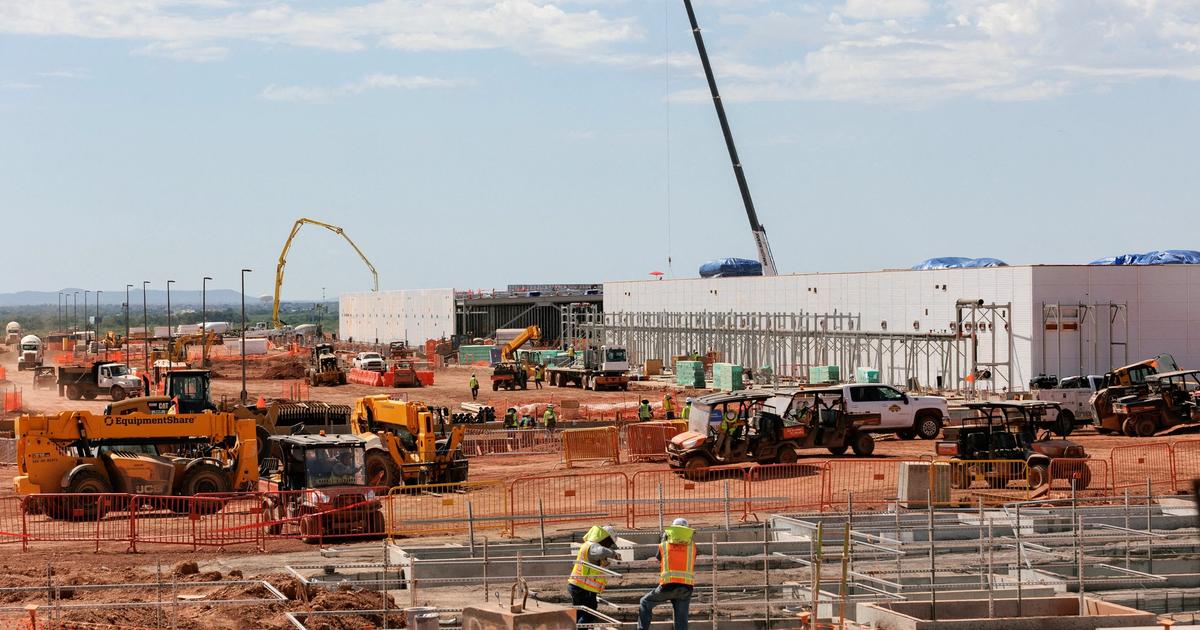
In the meantime, construction and planning continues on the Telus clusters, while B.C. Hydro has been reviewing applications for new projects. asserted
Hydro → continue → projects
British Columbians go to the polls on Saturday, Oct. 24. asserted
Columbians → go → Saturday

💬Give feedback
🕘History 🎫Support