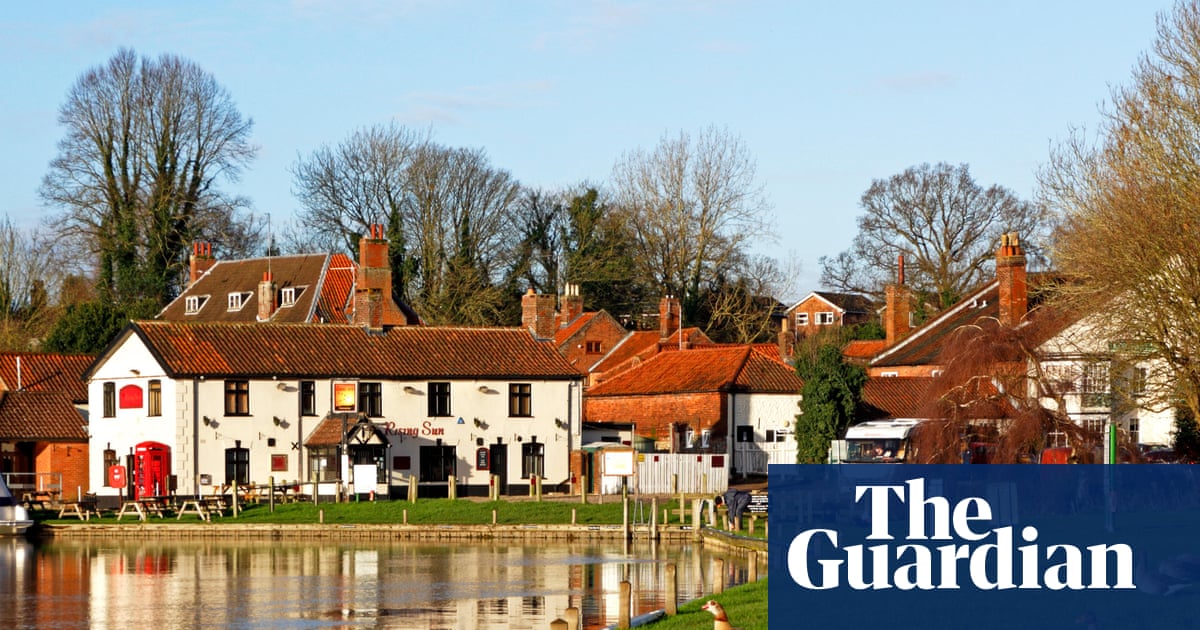
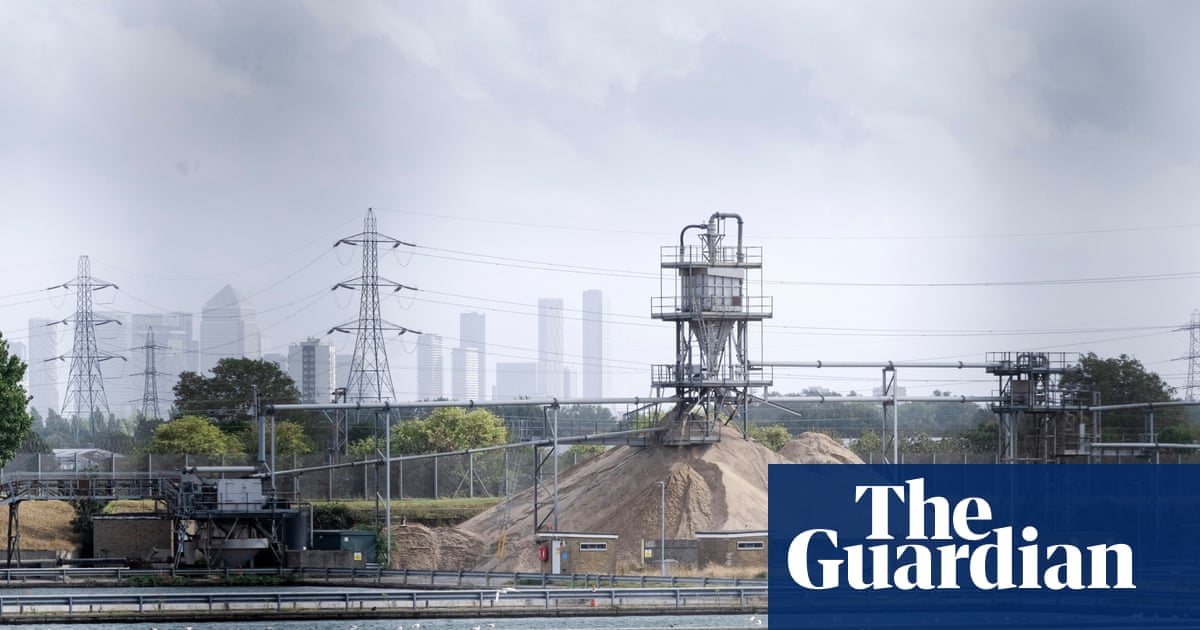
The environment watchdog is being urged to intervene in “cash to trash” planning rules that will allow almost 16,000 new homes in the Norfolk Broads despite the damage to one of the UK’s most environmentally protected areas.
asserted
that → urge → areas
Labour’s flagship planning reforms allow damage to protected habitats and species to be overlooked if developers pay into a central nature restoration fund, which is used for conservation actions at a later date.
asserted
which → allow → date
These environmental delivery plans (EDPs) have been called “cash to trash” by critics, who say they roll back decades of environmental law and are a “licence to kill nature”.
asserted
they → call → nature
The Norfolk Broads, a heavily protected biodiversity hotspot that is home to more than a quarter of the UK’s rarest plants and animals, is the guinea pig for the first EDP.
asserted
that → protect → EDP
Developers will pay £2,675 per house – £42m in total – and in return get permission to build 15,780 new homes in the Broads.
asserted
Developers → pay → Broads
The government’s nature adviser, Natural England, which created the plan, states the development will cause environmental harm in the form of physical, chemical, hydrological and biological damage to the habitats and rare species from increased nitrogen and phosphorus pollution.
asserted
development → create → pollution
The Broads are already in ecological decline and require cuts of 91-97% in nutrient pollution to recover.
asserted
Broads → require → pollution
Chris Hinchliff, the Labour MP for North East Hertfordshire, is calling on the Office for Environmental Protection (OEP) to intervene and stop the approval of the plan.
asserted
Hinchliff → call → plan
He said the first EDP – which will be used as a blueprint for others – is in breach of the requirements of the government’s Planning and Infrastructure Act, is not based on the best available science and does not address pollution.
asserted
which → say → pollution
In a letter to Natalie Prosser, the chief executive of the OEP, he said: “Unless the OEP acts now, those failures will be locked into the first plan of its kind and repeated in every future EDP that follows.
asserted
that → say → EDP
“On Natural England’s own figures, the conservation measures it funds would leave about 83% of the extra nitrogen and up to 61% of the extra phosphorus going into the water, every year and permanently.
asserted
it → fund → water
These are protected sites that the plan itself says need pollution inputs cut by up to 97% to recover,” he said.
asserted
he → protect → %
Hinchliff said measures that would have reduced nutrient pollution from the new homes, such as upgrading septic tanks, using small-scale underground treatment plants for homes not connected to the mains sewers and planting riverside buffer strips, were not included in Natural England’s EDP.
asserted
that → say → EDP
“In their place, the plan relies on indirect measures: fen cutting, deer control, catch-dyke works, removing one weir and restoring one kilometre of river,” he said.
asserted
he → rely → river
“A plan that leaves most of the pollution unaddressed, that ‘locks in’ ecological degraded status, does not ‘address’ the harm in any ordinary sense of the word,” he added.
asserted
he → leave → word
Ministers say the EDPs are needed to unblock growth as they pursue a target to build 1.5m new homes by the end of this parliament and are a “win-win” for nature and economic growth.
asserted
they → say → nature
The nature restoration fund, they say, will deliver coordinated, larger-scale conservation measures rather than piecemeal offsets.
asserted
they → say → offsets
Broadcaster Chris Packham, who is supporting the campaign against the Norfolk EDP by the charity WildFish, said environmental laws fought for over decades would be cancelled at the stroke of a pen.
asserted
laws → support → pen
“The Norfolk Broads are among Europe’s most precious wetlands: swallowtails and fen orchids, bitterns booming in the reeds and lamprey and bullhead in the gravels of the Wensum, one of England’s finest chalk rivers,” said Packham.
asserted
Packham → boom → rivers
“But … they are drowning in pollution and the government has devised a cunning scheme to pour in a whole lot more.
asserted
government → drown → lot
The push for growth comes as the UK is in a nature crisis: wild bird populations have fallen to their lowest level since records began, with nearly half of species in decline, hedgehog numbers have plummeted by 66% and sewage, agricultural runoff and chemicals have left rivers suffering with a toxic cocktail of pollution.
asserted
sewage → come → pollution
The Norfolk Broads EDP is out to consultation, which ends on 31 October.
asserted
which → end → October
The Wildlife Trusts said the EDP would allow phosphorus from new homes to increase existing pollution levels on the rivers Yare, Bure and Wensum – a delicate chalk stream – without sufficient action from developers to mitigate for the impact.
asserted
phosphorus → say → impact
“Even minor increases could be enough to tip the health of these rivers over the edge, with calamitous consequences for the Norfolk Broads,” said Matthew Browne, the head of public affairs at the Wildlife Trusts.
uncertain
Browne → tip → Trusts
Bradley Tooze, the nature restoration fund director at Natural England, said: “The environment delivery plan aims to deliver better outcomes to protect the precious habitats of the Norfolk Broads while enabling sustainable development, including through river restoration measures and wetland habitat creation.
asserted
plan → say → measures
“We welcome all views on our proposals and encourage stakeholders to share their expertise to help shape this new approach to nature restoration.”
asserted
We → welcome → restoration
A government spokesperson said: “The aim of this environmental delivery plan is to protect and boost the natural environment.
asserted
aim → say → environment
It’s based on the latest evidence and has been scrutinised by a scientific panel including independent experts.
asserted
It → base → experts
We welcome contributions to the ongoing consultation where people or organisations have views about how best to secure the aims we all share – protecting and restoring nature at a scale the status quo isn’t delivering.”
asserted
quo → welcome → scale
 The Aporia