(This article is part of the View From India newsletter curated by The Hindu’s foreign affairs experts.
asserted
article → curate → experts
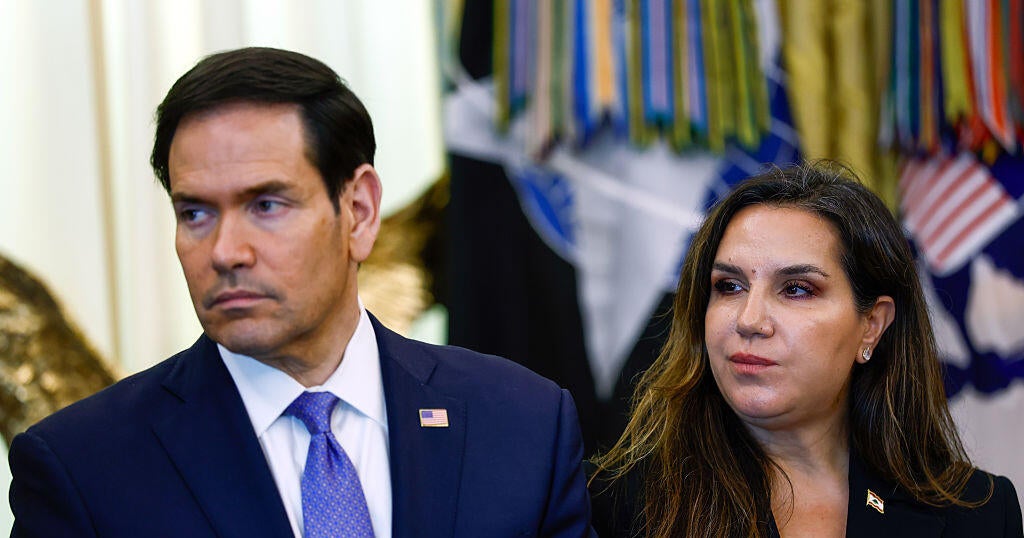
“Donald J. Trump is the only head of state in the entire world who is sympathetic to the nation of Israel at this moment in time,” U.S. Vice President J.D. Vance said on June 18 in an unusual direct rebuke to the Israeli critics of the U.S.-Iran memorandum of understanding.
asserted
Vance → say → understanding
“If I was in the cabinet of the Israeli government, I might not be attacking the only powerful ally that I have anywhere left in the entire world,” he said, adding: “The other thing that I would say is that over the last three months, two-thirds of the defensive weapons that have protected your homeland have been built by American hands and paid for by American tax dollars.”
uncertain
that → attack → dollars
In an interview, Mr. Vance, who had reportedly opposed the U.S.-led war on Iran, said Israel “cannot kill its way out of every security challenge” it is facing.
uncertain
it → oppose → challenge
In a different podcast, he criticised Israeli advocates for conflating criticism of the state of Israel to antisemitism.
asserted
he → criticise → antisemitism
“If everything is Jew-hatred, then nothing is Jew-hatred,” he said.
asserted
he → say → ?
In the same interview, he said President Trump has “some disagreements” with Israeli Prime Minister Benjamin Netanyahu on how to bring the war to an end.
asserted
Trump → say → end
“They’re a good partner in the same way that the United Kingdom or France are good partners -- that doesn’t mean that we’re always going to have aligned interests,” he added.
asserted
he → ’re → interests
Mr. Trump was more measured in his criticism, but, while speaking to reporters in France, he also raised some uncomfortable questions about Israel’s conduct of the war in Lebanon.
asserted
he → speak → Lebanon
“You don’t have to knock down an apartment house every time you’re looking for somebody,” Mr. Trump said about Israeli attacks on Lebanon’s civilian areas.
asserted
Trump → have → areas
And they’re not all Hezbollah.”
asserted
they → ’re → ?
He also said Israel was fighting Hezbollah “too long” and “too many people have been killed”.
asserted
people → say → Hezbollah
In the recent past, Axios had reported that Trump had angry phone calls with Mr. Netanyahu in which he used expletives to slam Israel’s bombing of Lebanon.
asserted
he → report → Lebanon
The public criticisms from America’s top leadership about its “special ally” point to a growing rift between the two countries over the Iran question.
asserted
criticisms → point → question
And the criticism became public only after the MoU was reached between the U.S. and Iran on June 15.
asserted
MoU → become → June
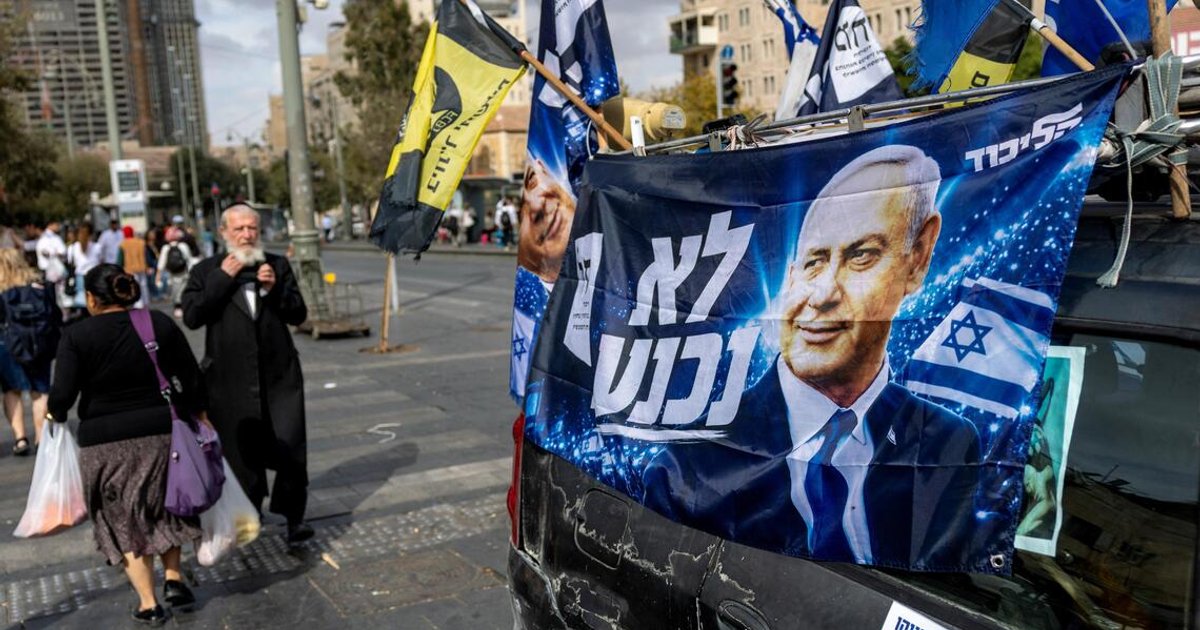
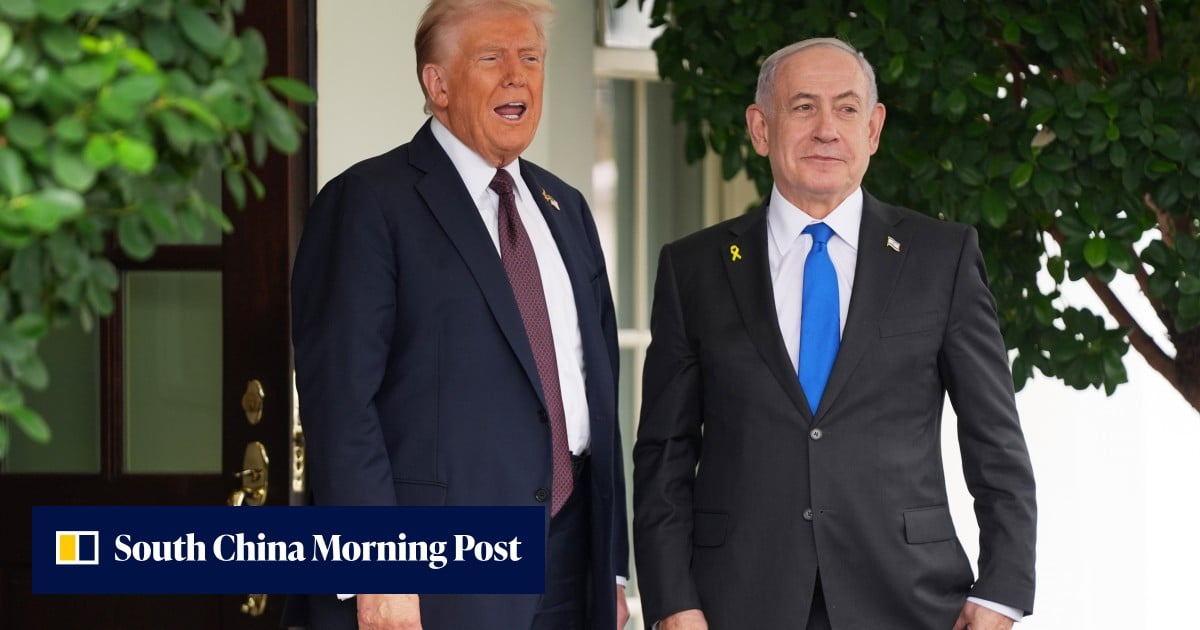
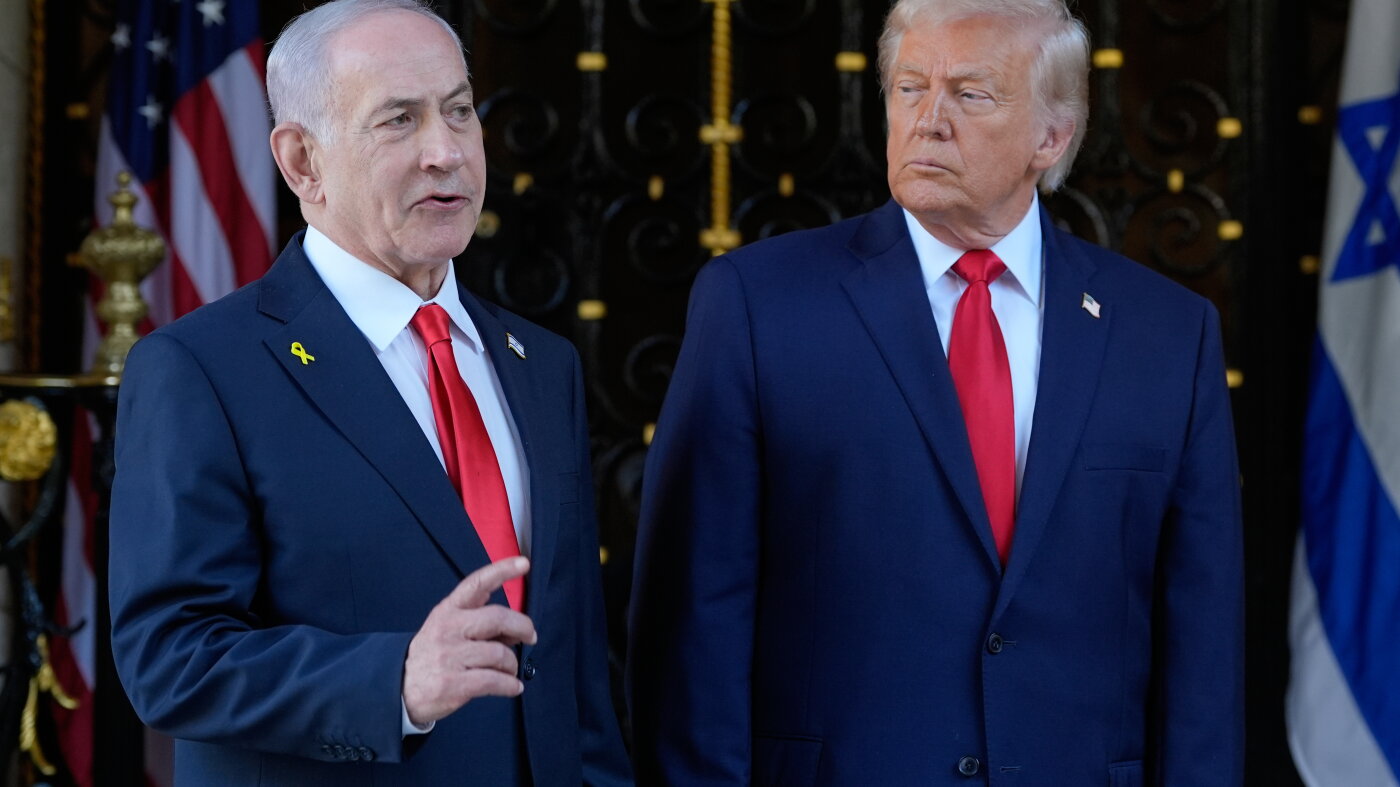
The main reason for the rift is the disagreement between Mr. Trump and Mr. Netanyahu on how to end the war on Iran.
asserted
reason → end → Iran
Israel would not prefer a diplomatic settlement that would lift sanctions on Iran and leave the country conventionally more powerful in West Asia.
asserted
that → prefer → Asia
But the U.S., having failed to meet its objectives through 40 days of bombing, wants to end the conflict, remove the bottleneck in the Strait of Hormuz that has held the global economy for ransom, and address the nuclear question diplomatically.
asserted
that → fail → question
There are three important factors that are driving this rift.
asserted
that → be → rift
The war on Iran is unpopular in the U.S. and the economic costs of the war are rising.
asserted
costs → rise → war
Mi-term primaries will begin shortly and Mr. Trump wants to extricate himself from the war at the soonest.
asserted
Trump → begin → soonest
In the U.S., the public opinion about Israel is also undergoing a transformation.
asserted
opinion → undergo → transformation
According to a February Gallup poll, for the first time in over two decades, Americans are no longer more sympathetic towards Israelis than Palestinians: 41% Americans now sympathise with Palestinians, while 36% sympathise with Israelis.
uncertain
% → accord → Israelis
According to a recent Pew research poll,60% of U.S. adults have an unfavourable view of Israel, while 59% have little or no confidence in Mr. Netanyahu.
uncertain
% → accord → Netanyahu
The second factor is that sections of Mr. Trump’s MAGA base have started revolting against the war on Iran and America’s ties with Israel.
asserted
sections → start → Israel
Popular conservative podcaster Tucker Carlson has emerged the champion of this revolt.
asserted
Carlson → emerge → revolt
They argue that Mr. Netanyahu led Mr. Trump into the war on Iran—or that the U.S. was fighting this war on behalf of “a foreign power”.
asserted
U.S. → argue → power
They ask Mr. Trump to put American interests first and leave the war with Iran.
asserted
They → ask → Iran
The very first clause of the memorandum of understanding states that the ceasefire should come into force on all fronts, including Lebanon.
asserted
ceasefire → state → Lebanon
It also calls for ensuring Lebanon’s “territorial integrity and sovereignty”--meaning Israeli troops should pull back from Lebanon.
asserted
troops → call → Lebanon
Both Prime Minister Netanyahu and Defence Minister Israel Katz have said the Israeli troops will not withdraw from southern Lebanon.
asserted
troops → say → Lebanon
This keeps Lebanon as a flashpoint with a potential for escalation.
asserted
This → keep → escalation
Mr. Netanyahu seems determined to use the Lebanon card, making the U.S.-Iran peace process complicated.
asserted
process → seem → card
Iran, which has started direct talks with the U.S., has said that it had closed the ‘Strait of Hormuz’ in response to Israel’s attacks on Lebanon.
asserted
it → start → Lebanon
So if Mr. Trump wants a successful final agreement with Iran, he should find a way to rein in Mr. Netanyahu or even force him to withdraw troops from Lebanon.
asserted
he → want → Lebanon
Israel’s unrelenting attacks on Lebanon, which has complicated the peace process, has deepened the frustration in the White House.
asserted
which → complicate → House
To understand the U.S.-Iran deal and its implications for West Asia, see this explainer in The Hindu FAQ: What does the U.S.-Iran agreement say? | Explained
asserted
agreement → understand → What
The grouping of industrialised nations, founded in the 1970s, has weathered major geopolitical storms across the 20th and 21st centuries to remain a key forum for discussions and decision-making on global conflicts and economic challenges, writes Kallol Bhattacherjee.
asserted
Bhattacherjee → found → conflicts
The ‘WhatsApp alternative’ with a strong commitment to user privacy, which has over 15 crore users in India, is facing a week-long ban in the country, writes Aroon Deep.
asserted
Deep → have → country
The Return Regulation approves the deportation of irregular immigrants to third-party countries; states can now form agreements with non-EU countries and set up deportation centres there; even as European Commission head Ursula von der Leyen hailed the law as ‘fair and firm’, critics say it has ‘little regard for people’s safety, dignity and rights, and fails to uphold the EU’s fundamental values’, writes Joan Sony Cherian.
asserted
Cherian → approve → values
…and 2 more, not listed.
 The Aporia