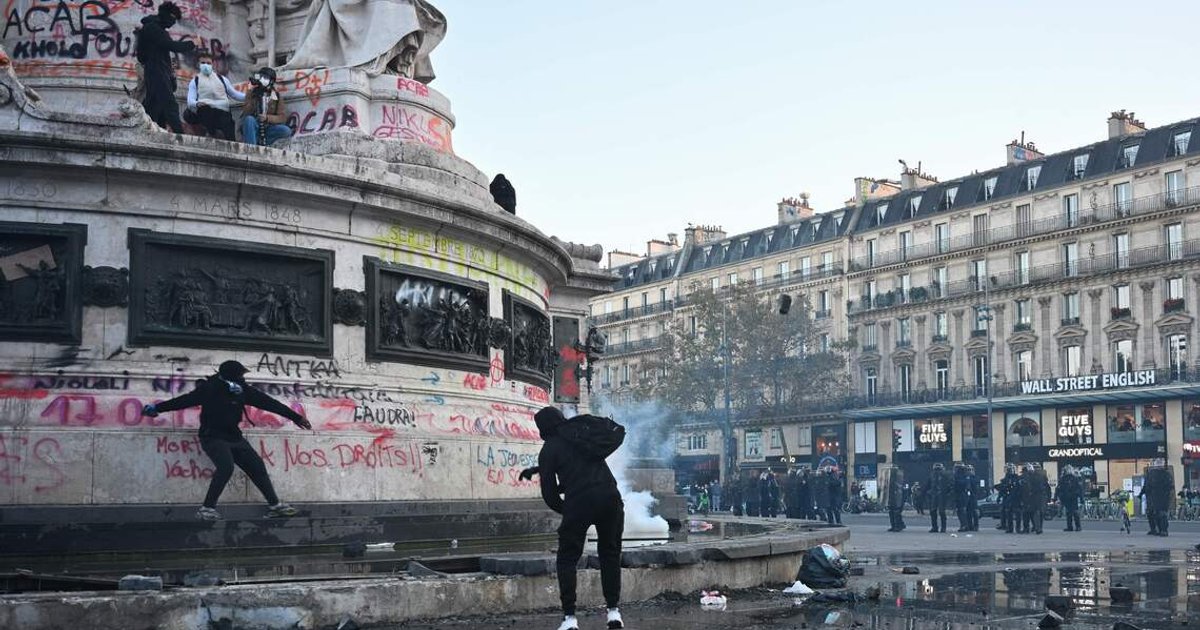
Monday briefing: What you need to know about a weekend of ‘chaos’ in France

Read the original at The Guardian ↗
Cite

O'Brien, H. (2026, October 19). Monday briefing: What you need to know about a weekend of ‘chaos’ in France. The Guardian. https://www.theguardian.com/world/2026/oct/19/monday-briefing-what-you-need-to-know-about-a-weekend-of-chaos-in-france

Dated from the outlet's own feed. Check the original for its byline.

The Guardian · collected 2026-10-19 · by Hettie O'Brien

Quick Summary

Emmanuel Macron faced significant backlash over the weekend as mass protests turned violent in France, with rioters engaging in acts like burning bicycles and destroying public buildings. By Sunday evening, Macron delivered a televised address criticizing the "unbridled violence" seen across cities including Paris, Limoges, and Lyon. The unrest spread to other European countries such as Spain, Portugal, and Italy. Approximately 2,400 protesters were arrested nationwide, with around 855 arrests in Paris alone, marking what officials described as unprecedented levels of destruction and chaos.
Written locally by qwen2.5:14b on 2026-10-19, using this article's own text rather than the other coverage of the same event (that is the story summary below).

AI analysis runs on qwen2.5:14b, locally

Story summary

Protests erupted across France in late October 2026, initially sparked by student activists protesting poor school conditions such as overcrowded classrooms and teacher shortages. The demonstrations quickly escalated into widespread unrest involving tens of thousands of people, including trade unionists and remnants of the Yellow Vest movement, who joined forces to protest against high prices and social inequalities. By October 17, over 600 protests were planned nationwide, with nearly 200,000 participants expected, particularly in Paris where around 40,000 protesters gathered despite police restrictions.

The unrest led to violent confrontations between protesters and the police, who used non-lethal weapons like tear gas and water cannons. As a result, hundreds of people were injured, and over 2,400 arrests were made, mostly involving teenagers under 18 years old. The protests also caused significant damage, with public buildings burned and hundreds of shops looted.

President Emmanuel Macron condemned the "unbridled violence" but refused to accept Interior Minister Laurent Nuñez's resignation offer, citing "failures in anticipation and intelligence." Despite this, Nuñez admitted that police had lost control during some protests. The unrest has also affected France’s economy, leading to a sell-off of its bonds and stocks, with the 10-year yield rising by seven basis points to 4.849%.

Written for “French Protests And Riots” on 2026-10-19, grounded in this article and the 114 other(s) covering the same event.
Why this leaning score
The model judged this article politically coded and scored it -0.35, but every quote it verified points right, so the score is not published.
Written under an earlier scoring contract, which gave a paragraph rather than checkable quotes. Re-analysing this article replaces it.
Leaning score withheld for article 90073: score contradicts its own evidence · logged 2026-10-19

Story

📰 French Protests And Riots
Politics · 115 article(s) covering the same event. Compare every outlet's account →

Compared with similar articles

This article reads unscored and hedges 5% of its claims. Each row says how that neighbour differs.
The Straits Times
⚖️ Leans left 🔴 0% hedged 0 of 38 📰 publisher trust 60
“Both articles describe violent riots and protests occurring on October 17, 2026 in multiple French cities, including Limoges where the town hall was set ablaze.”
National Post
⚖️ leaning not scored 🔴 0% hedged 0 of 31 📰 publisher trust 60
“Both articles describe the same violent protests in France that occurred over the weekend, resulting in widespread damage and numerous arrests.”
The Hindu
⚖️ leaning not scored 🔴 0% hedged 0 of 8 📰 publisher trust 95
“Both articles describe French President Macron's address in response to violent protests that occurred on October 17, 2026.”
The Guardian
⚖️ Leans left 🔴 0% hedged 0 of 40 📰 publisher trust 66
“Both articles describe the same weekend of unrest in France, including mass protests and riots with similar details such as destroyed public buildings and arrests.”
National Post
⚖️ Leans right 🔴 4% hedged 1 of 26 📰 publisher trust 60
“Both articles describe President Macron's condemnation of violent protests in France on Sunday, referencing the same unrest and arrests.”
BBC News
⚖️ leaning not scored 🔴 0% hedged 0 of 12 📰 publisher trust 69
“Both articles describe Macron's response to widespread riots and protests in France on a specific weekend, with Article A focusing on his call for calm during a national address and Article B providing context including the aftermath of chaotic events.”
The Straits Times
⚖️ leaning not scored 🔴 12% hedged 2 of 17 📰 publisher trust 60
“Both articles describe the same violent protests in France on October 17-18, 2026, with Macron's denouncement of the violence.”
Semafor
⚖️ leaning not scored 🔴 20% hedged 1 of 5 📰 publisher trust 60
“Both articles describe the same weekend unrest in France with mass arrests, riots, and destruction across multiple cities.”
The Independent
⚖️ Leans left 🔴 6% hedged 3 of 48 📰 publisher trust 59
“Both articles describe the same weekend of mass protests and riots in France involving President Emmanuel Macron and Interior Minister Laurent Nunez's response.”
Al Jazeera
⚖️ Leans left 🔴 0% hedged 0 of 2 📰 publisher trust 60
“Both articles describe the same weekend of violent protests in France under President Emmanuel Macron's leadership, with similar timing and context.”
How this article was measured signals, leaning charts, publisher record, byline, topics and claims

Signals How these are calculated →

Claims extracted
76
sentences that state something as happening or true
Uncertain
5%
4 of 76 hedged ("reportedly", "may", "according to")
Leaning
withheld
no quote in the article backed the model's score
Publisher signals
66/100
The Guardian's corrections and hedging, across everything collected from it. Not a measure of accuracy.
Outlets on this story
115
Politics
Same framing elsewhere
1
articles that frame the event the way this one does
Analyzed 2026-10-19 · how these are computed

How this is being covered How these are calculated →

Article leaning vs. publisher reliability
Source leaning vs. consistency

Publisher

The Guardian · 2062 article(s) · 6 correction(s) detected
Running correction rate · 6 correction(s)

Who wrote this

Hettie O'Brien
4 article(s) here · 1 carrying a prediction
🔮 Pope Leo told a crowd gathered in St Peter’s Square on Sunday that he would “gradually resume” his activities, at his first appearance before the faithful since undergoing an operation to remove a cancerous tumour from his lung.
🔮 The deal, which lasted just 423 days, was beset with problems, had a negligible impact, and now joins a long list of policies that have tried and failed to address highly visible, often tragic small boat crossings. This morning, the Home Office announced that it would be doubling the number of riot police along the French coast in lieu of the deal.
🔮 Today’s newsletter, with the help of the Guardian’s Brussels correspondent Jennifer Rankin and our senior political correspondent Peter Walker, asks what his stance might actually amount to.
🔮 Considering the president once described Burnham as the mayor of “a town,” and the prime minister once said Trump wouldn’t be welcome in said town (Manchester), the meeting yesterday afternoon went remarkably well.
Also by Hettie O'Brien
Nothing else under this byline is closely related to this article, so these are simply their most recent.

Topics

France French Limoges Lyon Paris

Subjects

Paris GPE · 7× France GPE · 3× Guardian ORG · 2× Limoges GPE · 2× Brigitte PERSON · 1× Céline Dion PERSON · 1× Emmanuel Macron’s PERSON · 1× French NORP · 1× Louis XIV PERSON · 1× Marie Antoinette PERSON · 1×

Narrative

The Times says “PM: Neets crisis is moral failure”, the Telegraph writes “Healey plans raid on family businesses”, the Express has “‘Axe the family farm tax now, prime minister,’” and the Mail leads with “True cost of Labour migration dithering”. The FT has “Investor anxiety and public backlash threaten to scupper $10tn AI boom”, Metro splashes “British kids in CRISIS” and the Sun says “Credit crunch”. Today in Focus A spy charge, a Russian jail and a swap for an assassin: the story of Evan Gershkovich US journalist Evan Gershkovich talks to Annie Kelly about his arrest by the Russian intelligence services in 2023, his 16-month detention, and the swap deal that eventually took him home.
framing: assertive · carried by 1 article(s) · first seen 2026-10-19
🔮 Pope Leo told a crowd gathered in St Peter’s Square on Sunday that he would “gradually resume” his activities, at his first appearance before the faithful since undergoing an operation to remove a cancerous tumour from his lung.

Claims (76 extracted, 4 hedged)

I bet your weekend was better than Emmanuel Macron’s. asserted
weekend → bet → Macron
On Friday, the evening before mass protests that were planned across France, he attended a Céline Dion concert in Paris with his wife, Brigitte, prompting comparisons to Louis XIV and Marie Antoinette. asserted
he → plan → XIV
On Sunday evening, he was forced to give a televised speech condemning the “unbridled violence” and riots that erupted in French cities over the weekend. asserted
that → force → weekend
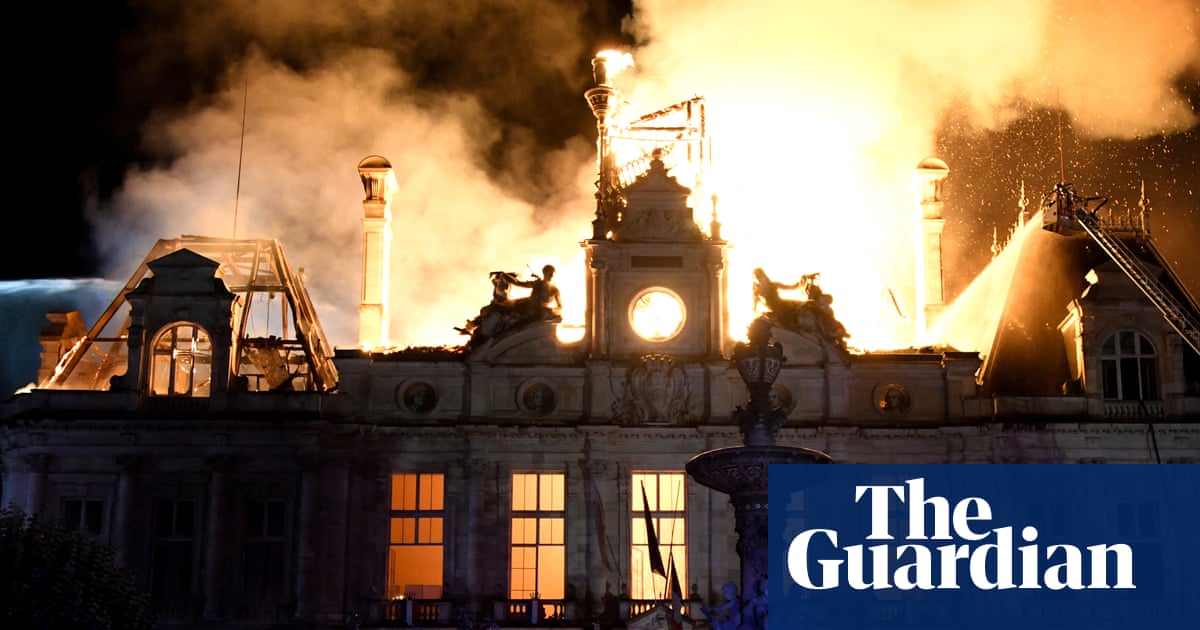
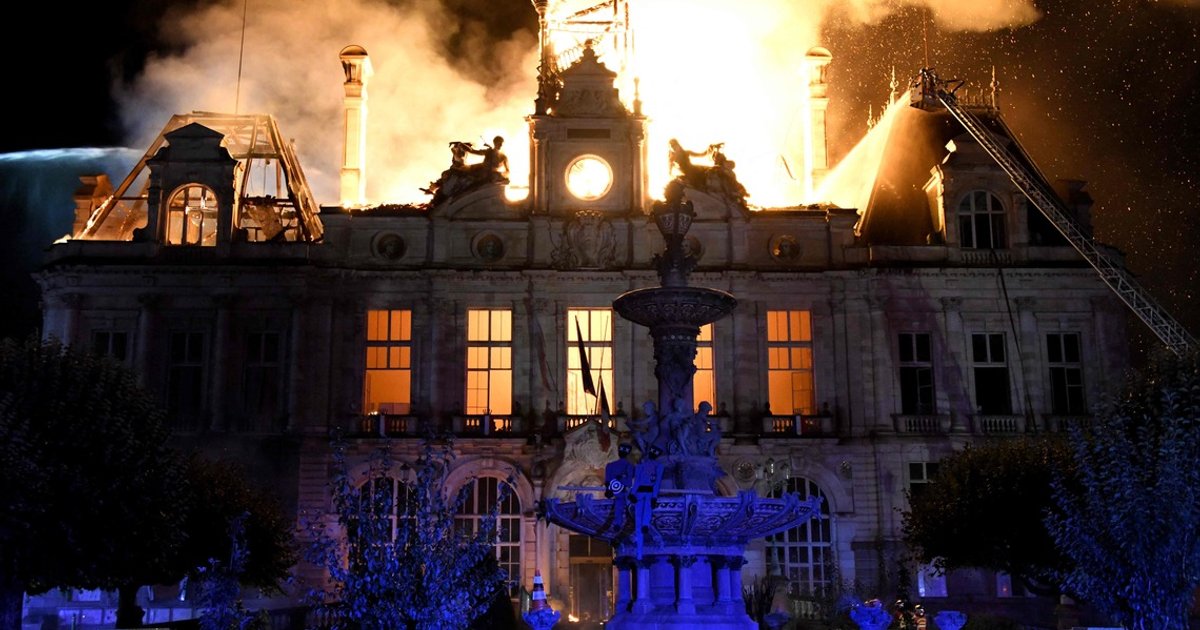
The rioters that burned makeshift barricades of bicycles in Paris, destroyed the steeple of Limoges’ town hall and set fire to Lyon’s tourism office were described as “LE CHAOS” on the front page of La Tribune Dimanche, and “SCENES D’INSURRECTION” on Le Parisien Dimanche. asserted
that → burn → Dimanche
By Sunday, protests had also taken place in Spain, Portugal and Italy. asserted
protests → take → Spain
Today’s newsletter explains what happened in France over the weekend, and why this crisis threatens to engulf Macron’s government. asserted
crisis → explain → government
Pope Leo told a crowd gathered in St Peter’s Square on Sunday that he would “gradually resume” his activities, at his first appearance before the faithful since undergoing an operation to remove a cancerous tumour from his lung. asserted
he → tell → lung
A “well-known individual” is trying to secure a permanent injunction against the Guardian and ITN to prevent them from publishing details of serious allegations made against him. asserted
individual → know → him
Donald Trump fired his immediately embattled new press secretary, Katie Zacharia, on Friday evening after just five days in the job. asserted
Trump → fire → job
The conservative commentator becomes the shortest serving occupant of the role in US history. asserted
commentator → become → history
A Reform UK mayor is under police investigation for allegedly showing “naked and sexualised” images of himself to a female member of staff. uncertain
mayor → show → staff
Luke Campbell, a former Olympic boxing champion, is understood to have been questioned under caution by Humberside police. asserted
Campbell → understand → police
The development of a huge AI datacentre hailed by the UK government has received a fresh setback after Microsoft pulled out of the project over concerns about power supplies. asserted
Microsoft → hail → supplies
In depth: ‘Gen-Z is really facing a polycrisis of different issues’ asserted
Z → face → issues
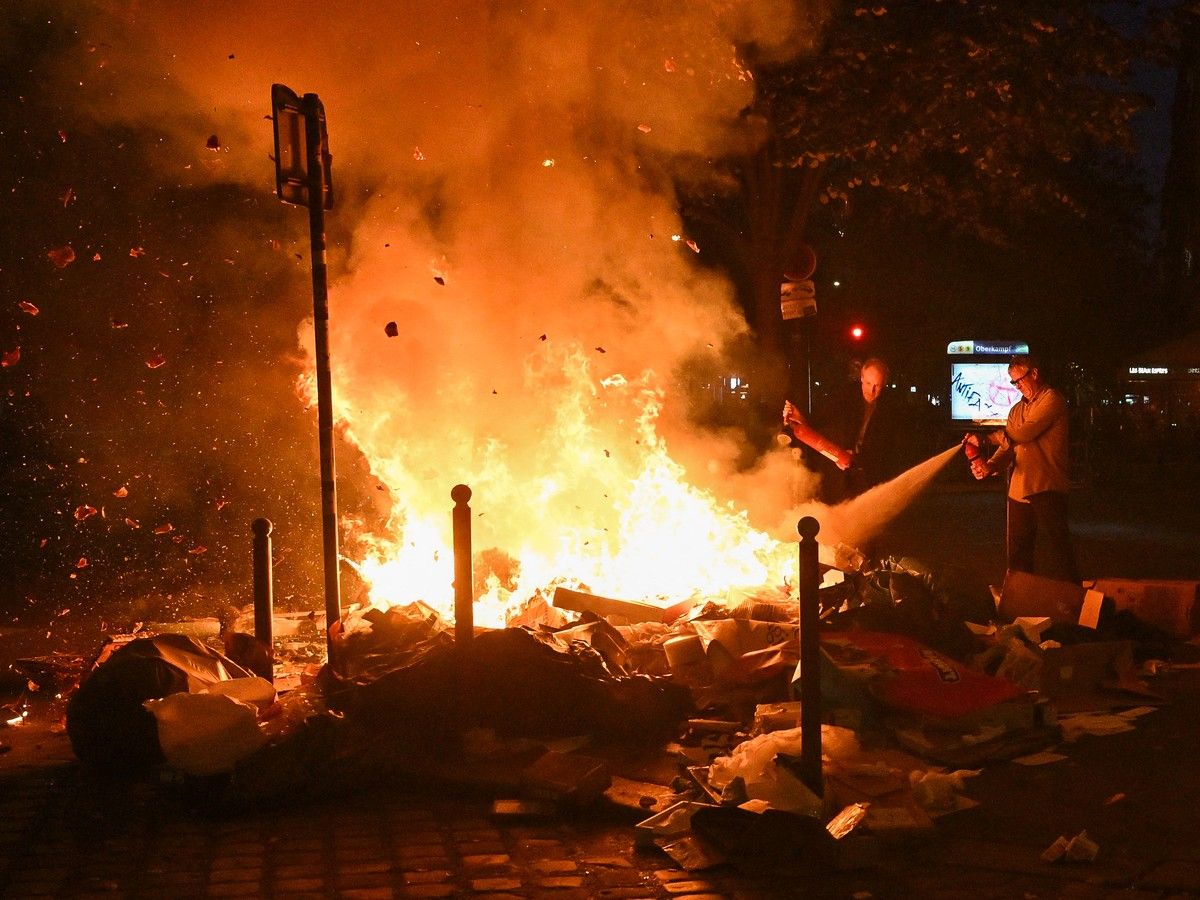
In the early hours of Sunday, cleaners started to remove the detritus from Parisian streets: shards of glass from broken shop windows, smashed bus shelters, burned out cars. asserted
cleaners → start → windows
The smell of teargas still lingered in the Métro station at Place de la République. asserted
smell → linger → République
“Areas of Paris looked like a wasteland,” Paolo Stuppia, a sociologist at Sciences Po in Paris, tells me. asserted
Stuppia → look → me
About 855 people have been arrested in Paris, and a total of 2,400 have been arrested across France. asserted
arrested → arrest → France
Lamia El Aaraje, the Socialist deputy mayor of Paris, said the capital had experienced a level of violence “we had never seen before. asserted
we → say → violence
There have been so many incredible images of destruction (see our gallery here) that it’s possible to forget Saturday was, for the most part, defined by peaceful protests. asserted
Saturday → see → protests
Hundreds of thousands of people, many of them schoolchildren and parents, joined marches across the country. asserted
many → join → country
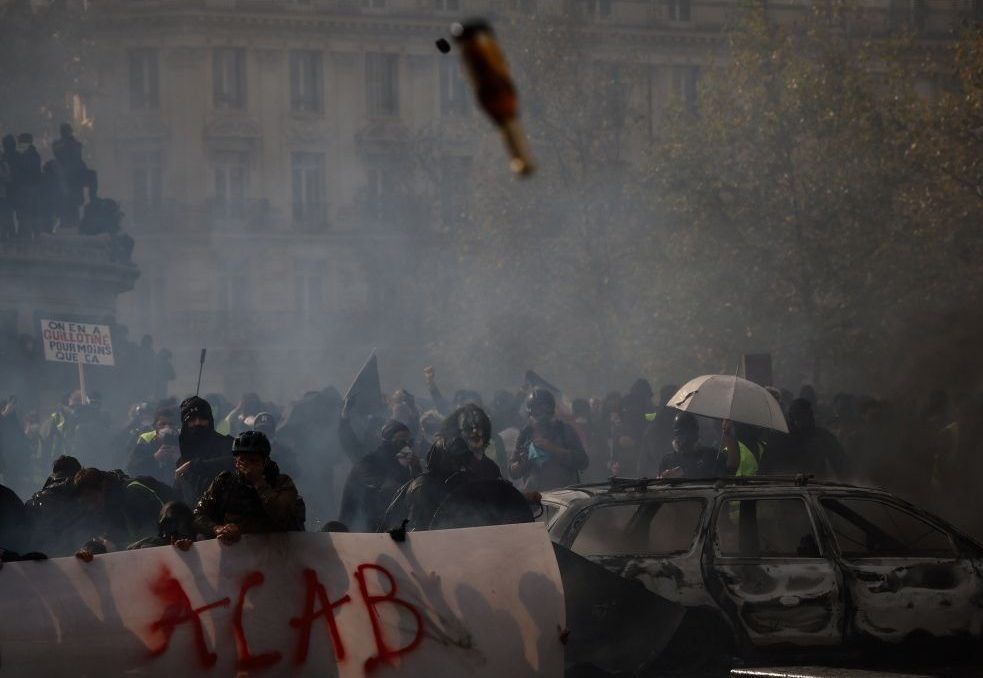
A far smaller group of protesters, many wearing face masks, smashed street furniture and torched cars and bus stops. asserted
many → wear → cars
A third group took the opportunity to loot shops. asserted
group → take → shops
“I saw teenagers running off with shoeboxes, clothes, and perfume,” Angelique Chrisafis, the Guardian’s Paris correspondent, tells me. asserted
Chrisafis → see → me
It’s the second group that has dominated the headlines. asserted
that → ’ → headlines
On Saturday afternoon, people set the town hall in Limoges alight (its spire collapsed dramatically on Saturday evening), and broke into the city hall in Marseille. asserted
spire → set → Marseille
“It wasn’t as if the peaceful protesters suddenly turned violent,” Chrisafis says. asserted
Chrisafis → turn → ?
“It was as if the government didn’t have a hold on the situation, and suddenly, the police were really caught off guard.” asserted
police → have → guard
The peaceful protesters ‘Our future is being stolen from us’ When a small number of people break the law during otherwise peaceful protests, there’s a tendency to condemn such acts as “criminality, pure and simple” (to quote David Cameron during the 2011 London riots), and to disqualify the idea they represent a form of antagonism against authority. asserted
they → steal → authority
“If everything was going well in France, you wouldn’t have young kids ransacking stores,” Stuppia says. asserted
Stuppia → go → stores
Such criminal acts can also become a means of undermining peaceful protesters. asserted
acts → become → protesters
“Some of those people are now pretty upset because they believe the government will be talking about burning barricades rather than the fact they turned out in such large numbers,” Chrisafis says. asserted
Chrisafis → believe → numbers
French students have been protesting against the school system since September and calling for repairs to decrepit buildings, smaller class sizes, and reforms to a widely loathed university admissions system. asserted
students → protest → system
Education is a particularly fraught subject in France, where academic credentials overwhelmingly determine job prospects. asserted
credentials → determine → prospects
But their concerns are also broader; as Greta Thunberg put it recently, “our future is being stolen from us,” a feeling that many young people across the continent share. asserted
people → put → continent
The student protests have since become the focus in a constellation of different issues, ranging from the cost of living to rising fuel prices and public service cuts. asserted
protests → become → prices
Those on Saturday drew in numerous groups, including unions and supporters of the Gilets Jaunes. asserted
Those → draw → Jaunes
“Gen-Z is really facing a polycrisis of different issues, from the climate crisis to the rise of the far right and the use of AI” Stuppia tells me. asserted
Stuppia → face → me
“And you can see the same set of issues coming alive in Italy, in Belgium, in Portugal, and with the Cockroach protests in India. asserted
set → see → India
Young people want change.” asserted
people → want → change
…and 36 more, not listed.

💬Give feedback
🕘History 🎫Support